
Trees
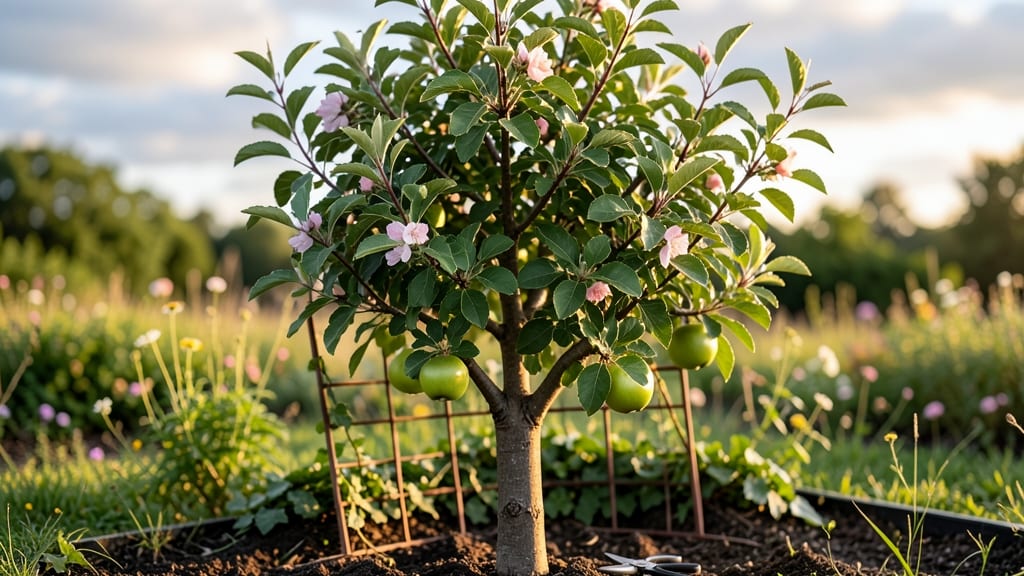
Growing small fruit trees in tight spaces isn't just possible—it's shockingly productive. 🌱 I planted my first dwarf apple tree in a 15-gallon container two years ago, and now it produces enough fruit for pies every summer while taking up less space than a parking spot.
The secret lies in choosing the right varieties and giving them the care they need to thrive in limited room.
You’ll need compact varieties like ‘Columnar’ apples, ‘Bonanza’ peaches, or ‘Starkspur’ cherries—all designed to stay under 6 feet tall without sacrificing fruit quality. For containers, ensure pots have drainage holes and use well-draining soil mixed with compost.
Most small fruit trees need 6-8 hours of sunlight daily, so urban balconies or sunny patios work perfectly if positioned correctly.
Pruning is where the magic happens—keeping branches open and shaped encourages better airflow and fruit production. Water deeply once a week (more in extreme heat) and fertilize lightly in spring with a balanced fruit-tree fertilizer.
With these steps, you’ll harvest juicy, homegrown fruit in as little as 2-3 years, even in a city apartment.
Winter care depends on your climate: tender citrus trees need protection from frost, while hardy apples can handle cold snaps. A thick mulch layer and wrapping the trunk helps insulate roots. Urban gardeners often face pests like aphids—spraying neem oil occasionally keeps them at bay without harsh chemicals.
📚 In This Guide
- What you need
- Instructions
- Tips and common mistakes
- Wrapping up and next steps
What you need
- ● Small fruit tree varieties: Choose dwarf or semi-dwarf types like Columnar Apple, Patio Pear, or Dwarf Citrus (1–3 trees, depending on space).
- ● High-quality potting mix or well-draining soil: 5–10 gallons per container or amended soil for in-ground planting (add compost for nutrients).
- ● Containers (if applicable): 5–15 gallon pots with drainage holes (1–2 per tree).
- ● Organic fertilizer: Slow-release granular (10-10-10) or compost tea for young trees.
- ● Mulch: Wood chips or straw (2–3 inches) to retain moisture and suppress weeds.
- ● Hand trowel or small shovel for planting.
- ● Pruning shears (sterilized with rubbing alcohol).
- ● Watering can or hose with gentle nozzle (avoid overwatering!).
- ○ Support stakes (optional) for young trees in windy areas.
- ○ Drip irrigation system (optional) for consistent moisture.
- ● 🌡️ Sunlight: Ensure 6–8 hours of full sun daily—small trees thrive with proper light!
- ● 🎯 Spacing: In-ground trees need 8–12 feet apart; containers can be closer.
- ● ✨ Pollination: Plant two compatible varieties if your tree isn’t self-pollinating (e.g., apple + crabapple).
Step-by-step guide to planting compact fruit trees in urban gardens
These dwarf varieties thrive in tight spaces—here’s how to get them growing strong.
🌱 Step 1: Choose the Right Variety and Location
Select a dwarf or semi-dwarf fruit tree suited for your climate. Apple, peach, and cherry varieties like ‘Columnar Delicious’ or ‘Patio Pearl’ stay under 10 feet tall and work perfectly in small yards or containers. Avoid full-size trees—they’ll outgrow your space in just a few years.
Site your tree where it gets at least 6-8 hours of sunlight daily. A south- or west-facing spot is ideal, but even partial shade works for some varieties like dwarf figs or pomegranates. Check your tree’s tag for specific light needs—some compact types tolerate 4-6 hours of sun if grown in containers.
🪴 Step 2: Prepare the Planting Hole and Amend Soil
Dig a hole twice as wide as the root ball but no deeper. Loosen the sides of the hole with a shovel to encourage root spread. If your soil is heavy clay or sandy, mix in 2-3 inches of compost or organic matter from your materials list to improve drainage and fertility.
Gently remove the tree from its container and tease the roots outward if they’re circling. Place it in the hole so the graft union (the bulge near the base) sits 2-3 inches above soil level. This prevents rot and encourages strong growth. Backfill with native soil, tamping lightly to remove air pockets.
☀️ Step 3: Water Deeply and Mulch for Retention
Water the tree deeply right after planting—soak the soil until it’s moist 12 inches down. This helps roots establish quickly. Avoid shallow watering, which encourages roots to stay near the surface where they dry out fast. Check soil moisture by sticking your finger 2 inches deep; if it’s dry, water again.
Spread 2-3 inches of mulch (like wood chips or straw) around the base, keeping it 6 inches away from the trunk to prevent rot. Mulch conserves moisture and keeps roots cool in summer. Replenish mulch annually—it breaks down over time and loses effectiveness.
✂️ Step 4: Prune for Shape and Airflow
Trim any broken or crossing branches with clean, sharp pruners. Focus on opening the center of the tree to improve airflow and sunlight penetration. Remove suckers (shoots growing from the base) immediately—they drain energy from fruit production.
Shape the tree into an open vase or central leader form, depending on the variety. Dwarf trees need less drastic pruning than full-size ones, but light annual pruning keeps them manageable. Prune in late winter or early spring before new growth starts.
🌿 Step 5: Fertilize and Monitor for Pests
Apply a balanced, slow-release fertilizer (like 10-10-10) in early spring when buds swell. Follow package rates—over-fertilizing burns roots and attracts pests. Compact trees need less fertilizer than large ones, so split doses into two applications: once in spring and again in midsummer.
Watch for aphids, scale, or spider mites, which love tender new growth. Spray with neem oil or insecticidal soap at the first sign of infestation. Healthy trees resist pests better, so keep soil moist and avoid overwatering, which stresses roots.
Tips & tricks for perfectly thriving compact fruit trees
Here's what nobody tells you about keeping your urban fruit trees healthy and productive.
Sunlight Strategy: While most compact varieties need 6-8 hours of sunlight, some like dwarf figs can thrive with just 4-6 hours—especially when grown in containers. If your space gets less sun, choose shade-tolerant varieties like 'Patio Pearl' peach or 'Columnar Delicious' apple. I've seen these varieties produce fruit even in east-facing spots with morning light. The key is matching the tree to your microclimate rather than forcing a tree to adapt to poor conditions.
Root Ball Rescue: If you notice roots circling tightly when removing your tree from the container, don't just chop them—tease them outward gently with your fingers. This prevents girdling as the roots grow into the soil. I've had better success with trees that had their roots loosened this way compared to those I cut without preparation. The goal is to encourage outward root growth rather than creating a root ball that continues to grow in circles underground.
Watering Wisdom: That deep watering after planting isn't just about initial hydration—it's about encouraging roots to grow downward rather than staying near the surface. After the first deep soak, check soil moisture by sticking your finger 2 inches deep every few days. If it's dry at that depth, water again. I've seen too many compact trees fail because people only watered when the top inch was dry, which leads to shallow root systems that can't support the tree's needs.
Fertilizer Timing: The two applications of balanced fertilizer—once in early spring and again in midsummer—are crucial for compact trees. They need consistent but not excessive nutrients. I recommend using a slow-release fertilizer to prevent nutrient spikes that can burn roots. For the first year after planting, you might even reduce the second application by half, as newly planted trees don't need as much fertilizer as established ones.
Pro Tips for Small Fruit Trees
- Here's what nobody tells you about keeping your urban fruit trees healthy and productive.
- Sunlight Strategy: While most compact varieties need 6-8 hours of sunlight, some like dwarf figs can thrive with just 4-6 hours—especially when grown in containers.
- Root Ball Rescue: If you notice roots circling tightly when removing your tree from the container, don't just chop them—tease them outward gently with your fingers.
Frequently asked questions
Got questions about growing small fruit trees in tight spaces? You’re not alone! Here are some of the most common concerns—and their solutions—to help you get started with confidence.
What are the best small fruit trees for beginners?
Start with easy-to-grow varieties like columnar apple trees (e.g., ‘Columnar Red Delicious’), dwarf peach trees (e.g., ‘Bonanza’), or patio-friendly fig trees (e.g., ‘Little Miss Figgy’). These require minimal pruning, tolerate urban conditions, and produce fruit reliably. Choose disease-resistant cultivars to avoid headaches.
How long does it take for a small fruit tree to bear fruit?
Most dwarf or columnar fruit trees bear fruit in 2–4 years after planting, while some varieties (like dwarf figs) may fruit in as little as 1–2 years. Patience pays off—proper care (water, sunlight, and soil health) speeds up the process. Avoid over-fertilizing, which can delay fruiting.
Can small fruit trees grow in containers or urban yards?
Many compact varieties thrive in large pots (15–25 gallons) or raised beds, making them perfect for patios, balconies, or small yards. Use well-draining soil and ensure containers have drainage holes. For urban spaces, opt for self-pollinating varieties or plant two compatible trees nearby for cross-pollination.
What pests or diseases should I watch for with small fruit trees?
Common issues include aphids, fruit flies, and powdery mildew. Prevent pests with neem oil sprays or row covers. Improve airflow by pruning regularly, and water at the base (not leaves) to reduce fungal risks. Monitor trees weekly during growing season for early signs of trouble.
Do I need to pollinate small fruit trees manually?
Most small fruit trees are self-pollinating, but some (like apples) benefit from cross-pollination. If growing just one tree, choose a self-fruitful variety (e.g., ‘Anna’ apple or ‘Bonanza’ peach). For cross-pollinated types, plant a second compatible tree within 50 feet or hand-pollinate with a small brush during bloom.
Wrapping up and next steps
Growing small fruit trees is a rewarding way to enjoy fresh, homegrown produce—even in limited spaces! 🌱 Whether you’re a beginner or a seasoned gardener, these compact varieties make it easy to cultivate delicious fruits like apples, cherries, and peaches without sacrificing your yard’s layout.
With the right care, you’ll soon be harvesting vibrant, flavorful treats straight from your own backyard.
Ready to get started? Pick your favorite variety, gather your tools, and plant with confidence! Your future self (and your taste buds) will thank you. 🍎✨