
Pruning
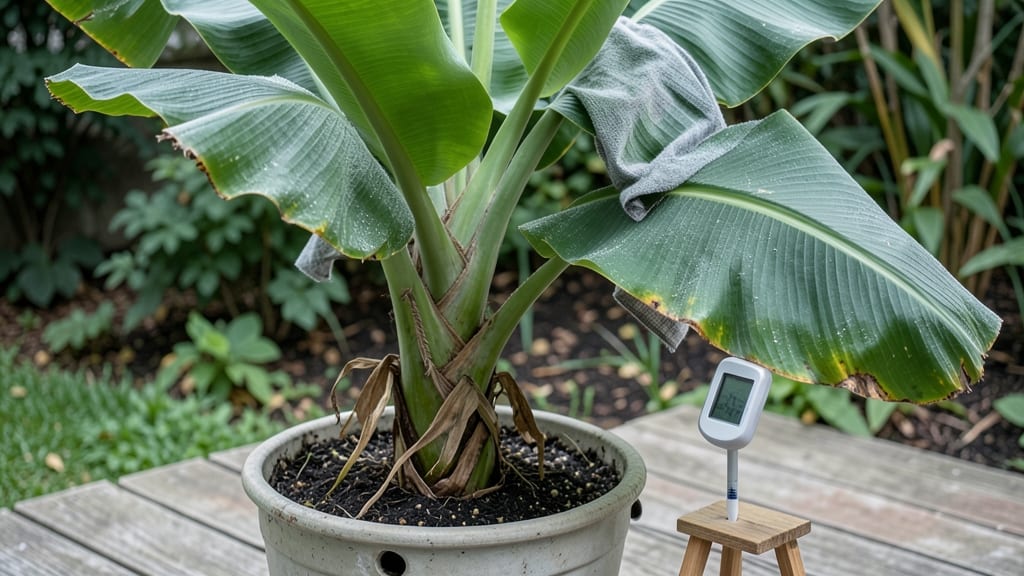
When banana trees face frost, the right winter care keeps them alive for spring blooms. 🌱 I’ve watched my own banana plants survive winters in Zone 8 by using a mix of strategic pruning, protective mulching, and smart frost shielding—no greenhouses needed.
The key is acting before temperatures drop below 30°F, because once the leaves blacken, the damage is done.
Start with cold-hardy trimming: cut back fronds to 6-8 inches above the ground, leaving the sturdy pseudostem intact. This reduces the plant’s exposure to cold while preserving the root system.
Wrap the trunk in burlap or bubble wrap for extra insulation, then mound 12+ inches of straw or leaves around the base. For container-grown banana trees, move them to a garage or sheltered porch where temps stay above freezing.
By spring, you’ll see fresh shoots emerging from the base—proof the plant survived. The pruned stems regrow faster than you’d expect, and with proper mulch, the roots stay warm enough to push out new growth by April.
Even if the leaves freeze, the roots often stay alive to rebound when temperatures rise.
This method works for Musa acuminata and other cold-tolerant varieties, though tropical types need extra protection. The secret? Timing—prune in late fall, mulch in November, and monitor temps until March. With these steps, your banana tree won’t just survive winter—it’ll come back stronger than ever.
📚 In This Guide
- What you need
- Instructions
- Tips and common mistakes
- Wrapping up and next steps
What you need
- ● Pruning shears or loppers – Sharp, bypass-style (not anvil) for clean cuts; 8-10 inch blades for thick stalks.
- ● Disinfectant (70% isopropyl alcohol or bleach solution) – 1 part bleach to 9 parts water to sterilize tools between cuts.
- ● Heavy-duty gloves – Cut-resistant (e.g., mechanics’ gloves) to protect from sharp fronds and sap.
- ● Mulch (straw, pine needles, or wood chips) – 2-4 inches deep to insulate roots; avoid fresh wood chips (can mat down).
- ● Burlap or frost cloth – 50% shade cloth or heavier for wrapping trunks if temps drop below 25°F (-4°C).
- ○ Pruning saw (optional) – For thick stalks >1 inch; bow saw or handsaw with fine-tooth blade.
- ● Root stimulator (e.g., mycorrhizal fungi) – Boosts cold resistance; apply after pruning.
- ● Thermometer (soil or air) – Monitor temps to decide when to cover; digital probe type is easiest.
- ● Stakes & twine – Secure frost cloth if winds are strong (3-4 ft stakes).
- ● Compost or aged manure – 1-2 gallons per tree post-pruning for nutrient recovery.
Step-by-Step guide to cold-hardy banana tree trimming
Here's how to prepare your banana plant for winter without sacrificing next year's harvest.
🌿 Step 1: Assess Frost Damage and Plant Health
Start by examining your banana plant for signs of frost damage—blackened leaves, mushy stems, or brown patches on pseudostems. Healthy tissue feels firm, while damaged areas will collapse when pressed. I always work on a dry, sunny afternoon when the plant has had time to recover from any recent cold snaps.
Look for the meristem, the growth point at the base of the leaves. If it's still green and firm, your plant has a good chance of surviving winter. If it's blackened or mushy, the plant may need aggressive pruning to redirect energy to dormant buds lower on the stem.
✂️ Step 2: Prune Damaged Leaves and Pseudostems
Use clean, sharp pruners to remove all dead or damaged leaves, cutting back to the leaf collar where the leaf meets the stem. Never leave stubs—they invite disease. I like to work in stages, removing about one-third of the foliage first to monitor the plant's response before doing more.
For pseudostems (the thick, false stems), trim back to 6-12 inches above ground level, leaving at least two healthy buds near the base. These buds will sprout new growth in spring. Avoid cutting into green tissue—you're aiming for the dry, brown areas where the old leaves meet the stem.
☀️ Step 3: Apply Mulch for Insulation and Moisture Retention
Spread a 4-6 inch layer of straw mulch around the base of the plant, extending it 12-18 inches outward from the stem. This acts as an insulator, protecting the roots from temperature swings and retaining moisture. I always use straw because it breaks down slowly and won't compact like wood chips.
Gently mound the mulch up against the pseudostem to create a mini hillock that traps heat radiating from the soil. Avoid piling mulch directly against the stem—this can cause rot. Water the base thoroughly before mulching to help the mulch settle and make contact with the soil.
⏰ Step 4: Monitor and Adjust Through Winter
Check your banana plant every 2-3 weeks during winter for new growth or additional damage. Healthy buds will appear as small, green bumps near the base of the stem. If you see any new shoots emerging, they're a sign the plant is redirecting energy and has a good chance of recovery.
If temperatures drop below 20°F, add an extra layer of mulch or wrap the base of the plant in burlap or frost cloth for added protection. Avoid using plastic—it traps moisture and can lead to rot. In spring, remove the mulch gradually as new growth appears to prevent shock.
Tips & tricks for cold-hardy banana tree trimming
Real talk: The difference between a banana plant that thrives after winter and one that struggles often comes down to these small but critical details.
Damage Assessment: When inspecting your banana plant in Step 1, don't just look at the leaves—run your fingers along the pseudostem. Healthy tissue should feel like a firm, slightly springy tube, while frost-damaged areas will collapse under gentle pressure. The meristem's condition is your best indicator: if it's still green and firm, your plant has a strong chance of recovery. If it's blackened, you'll need to be more aggressive with pruning to stimulate dormant buds lower on the stem.
Pruning Strategy: In Step 2, when you're removing that one-third of foliage, think of it as a test run. This staged approach lets you monitor how the plant responds before committing to more drastic cuts. For pseudostems, always aim to leave at least two healthy buds—these are your insurance policy for spring regrowth. I've seen growers make the mistake of cutting too close to green tissue, which can actually stimulate new growth that won't survive winter.
Mulching Technique: The 4-6 inch layer of straw in Step 3 isn't just about thickness—it's about creating an insulating blanket that traps heat radiating from the soil. When you mound it against the pseudostem to form that mini hillock, you're essentially creating a microclimate that protects against temperature swings. Pro tip: Water the base thoroughly before applying mulch—this helps the mulch settle properly and makes contact with the soil where it matters most.
Winter Monitoring: Those 2-3 week check-ins in Step 4 are your early warning system. Look for those tiny green bumps near the base—they're your plant's way of telling you it's redirecting energy. If you see new shoots emerging, that's a great sign! But if temperatures drop below 20°F, don't wait—add that extra layer of mulch or wrap immediately. I've learned the hard way that plastic alternatives, while tempting, can actually trap moisture and lead to rot.
Pro Tips for Banana Tree Care In Winter
- Real talk: The difference between a banana plant that thrives after winter and one that struggles often comes down to these small but critical details.
- Damage Assessment: When inspecting your banana plant in Step 1, don't just look at the leaves—run your fingers along the pseudostem.
- Pruning Strategy: In Step 2, when you're removing that one-third of foliage, think of it as a test run.
Frequently asked questions
Got questions about keeping your banana tree thriving through winter? Here are answers to the most common concerns—so you can prune with confidence and protect your plant from frost!
When is the best time to prune a banana tree for winter?
Prune your banana tree after the first frost when temperatures drop below 32°F (0°C). This ensures the plant has already entered dormancy, reducing stress. Aim for late fall to early winter (October–December in most climates). Avoid pruning too early—healthy leaves help the tree store energy for regrowth in spring!
How cold can a banana tree tolerate before it dies?
Most banana trees (like the Musa acuminata) die back when temps hit 28°F (-2°C). However, some cold-hardy varieties (e.g., Musa basjoo) can survive down to 15°F (-9°C) if mulched heavily. If frost is forecast, cover the tree with frost cloth or blankets for extra protection. Pro tip: The pseudostem (false trunk) is less frost-sensitive than leaves!
Should I cut back a banana tree to the ground in winter?
No—never cut it to the ground! Banana trees rely on the corm (underground stem) for regrowth. Instead, trim dead or damaged leaves above the soil line (about 6–12 inches from the base). This protects the corm while allowing sunlight to reach new shoots in spring. Think of it like a "haircut" for your tree!
What if my banana tree’s leaves turn black after frost?
Blackened leaves are a sign of frost damage, but don’t panic! Remove only the completely black or mushy leaves—healthy green leaves can still photosynthesize. The tree may look sad, but the corm is often still alive. In spring, you’ll likely see new growth from the base. Avoid pruning too aggressively; wait until warm weather to assess damage.
Can I grow a banana tree indoors over winter?
Yes! If your outdoor banana tree isn’t cold-hardy, bring it indoors before frost. Place it near a south-facing window (or under grow lights) and reduce watering—overwatering indoors can cause root rot. Keep temps between 60–75°F (15–24°C) and mist leaves occasionally. Just remember: Indoor banana trees may not fruit as heavily as outdoor ones!
Will my banana tree come back in spring after winter pruning?
Banana trees are perennial in warm climates (USDA Zones 10–11) and can regrow from the corm if properly cared for. With the right winter pruning and protection, you’ll see new shoots by late winter or early spring. Patience is key—some varieties take longer to rebound than others. Fertilize lightly in early spring to encourage growth!
Wrapping up and next steps
Caring for your banana tree in winter doesn’t have to be intimidating—with the right cold-hardy trimming and protective steps, you’ll help it thrive even in chilly months! Remember, mulching, pruning, and sheltering are your best friends, while monitoring for frost ensures long-term health. 🌱
Now that you’re armed with expert tips, take action! Grab your tools, assess your tree, and give it the TLC it deserves. Before you know it, spring will bring back those lush, tropical leaves—and maybe even a few surprises like new growth or fruit! 🌟