
Trees
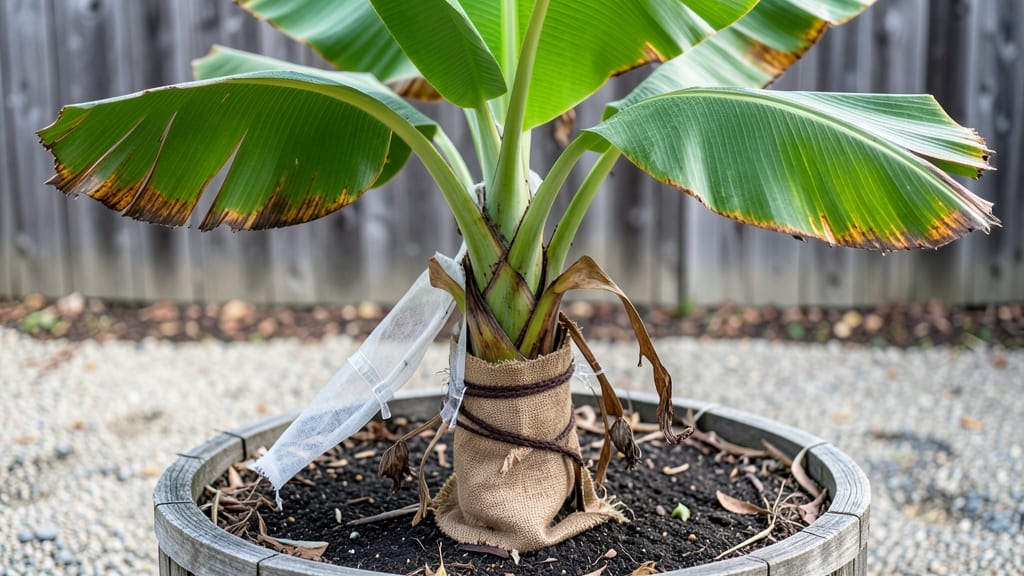
Wrapping banana trees for winter isn't just about survival—it's about giving them a fighting chance to bounce back with vibrant new growth next spring. I learned this the hard way after my first freeze left my tree looking like a sad, brown stick.
The secret lies in protecting that thick trunk from cracking cold, while still letting roots breathe.
You'll need burlap or thick cardboard for wrapping, plus mulch to shield the base. Start by wrapping the trunk loosely—too tight and you'll strangle the tree.
Then mound mulch around the base, keeping it 6-8 inches deep. This combo keeps roots warm while preventing moisture loss that can weaken the plant.
By spring, you'll see green fronds unfurling like nothing happened—proof the tree stayed alive under the insulation. Just remember to unwind the wrap in early spring before new shoots emerge.
The key is timing: wrap after the first frost when temps drop below 30°F, and remove it when daytime temps consistently stay above freezing.
Works for zones 8-10 where cold snaps sneak in unexpectedly. For colder climates, consider moving potted banana trees indoors or to a sheltered spot. The same principles apply—just adjust the timing based on your local frost dates. Let's get those trunks protected!
📚 In This Guide
- What you need
- Instructions
- Tips and common mistakes
- Wrapping up and next steps
What you need
- ● Burlap or landscape fabric: 10–20 feet (depending on tree height and girth). Opt for breathable, heavy-duty material (3–5 oz. per sq. yard).
- ● Twine or zip ties: 1–2 rolls of plastic-coated twine (for durability) or 20–30 zip ties (for secure fastening).
- ○ Pruning shears: Sharp, sterilized shears to trim dead fronds or leaves (optional but helpful).
- ● Stakes or wooden dowels: 2–4 stakes (1–2 feet tall) to anchor the wrap and prevent sagging.
- ○ Plastic sheeting (optional but recommended): A 4x6-foot sheet to create an extra insulating barrier around the trunk.
- ● Insulating foam tubes: Pre-cut to fit your trunk (available at garden centers).
- ● Mulch (straw, pine needles, or leaves): Spread a 4–6-inch layer around the base to retain warmth.
- ● Reflective bubble wrap: Wrap a layer around the trunk before burlap for added insulation.
- ● Waterproof tape: To seal edges and prevent moisture buildup.
Step-by-Step guide for protecting banana trees in cold climates
This is the method I've used for years to save mature banana plants through winter—no fancy tools, just smart layering.
Assess and Prepare the Trunk
Start by examining the banana trunk for any cracks or weak spots. These are common entry points for cold damage, so seal them with a thin layer of horticultural sealant if needed. I like to work on a dry day when temperatures are above 40°F—this gives the plant a slight energy reserve before protection begins.
Gently brush away any dead or damaged fronds from the base. These can harbor pests or trap moisture against the trunk, creating ideal conditions for rot. You'll notice the plant's natural resilience in its ability to shed old leaves—this is its way of preparing for dormancy. Keep the trunk completely dry before wrapping.
Apply the First Protective Layer
Use burlap or landscape fabric as your base layer. This breathable material allows moisture to escape while providing insulation. Wrap it snugly around the trunk, starting from the base and working upward. Overlap each layer by 2-3 inches to eliminate gaps where cold air could penetrate.
Secure the fabric with landscape staples or soft twine, being careful not to pierce the trunk itself. The goal is to create a tight, even layer that mimics the plant's natural cylindrical shape. I always leave the top open—this prevents moisture buildup from rain or melting snow, which can cause rot underneath.
Add Insulation and Finalize the Wrap
For the insulating layer, I use straw or shredded leaves packed firmly around the fabric. This natural material traps air, which acts as an insulator. Pack it densely enough to create a thick barrier—about 4-6 inches thick—but don't compress it so tightly that it restricts airflow completely. You'll see the straw settle slightly over time, so add extra if needed.
Top the insulation with a final layer of clear plastic sheeting or waterproof burlap. This outer layer serves two purposes: it blocks wind and locks in warmth while allowing some light penetration. Secure it loosely at the base and top, leaving the top open to prevent moisture buildup. The plastic should flutter slightly in the breeze—this indicates it's not too tight and allows for natural ventilation.
Tips & tricks for frost-proof banana trunk protection
Here's what I've learned after years of saving banana plants through winter—these small details make all the difference between a thriving plant and a sad, frozen trunk.
Timing is Everything: The 40°F minimum temperature mentioned in Step 1 isn't just arbitrary—it's when banana plants start their natural dormancy cycle. Working above this threshold gives the plant energy reserves to handle the wrapping process without shock. If your day starts colder, wait until afternoon when temperatures naturally rise. I've seen plants struggle when wrapped too early in cold mornings, even if they meet the minimum.
Material Selection Matters: For the insulating layer in Step 3, straw works beautifully but only if completely dry. Wet straw loses all insulating properties and can actually promote rot. I always store my straw under cover for a week before using it—this ensures it's bone dry. As an alternative, shredded newspaper (non-glossy) packed tightly works surprisingly well in a pinch, though it won't last as long as natural materials.
Wind Protection Strategy: The final plastic layer in Step 3 serves a dual purpose beyond insulation—it dramatically reduces wind chill. I've found that adding a few extra inches of plastic at the base (where wind hits hardest) creates a windbreak effect. If you're in an exposed location, consider adding a temporary windbreak made of wooden stakes and more plastic sheeting on the windward side for the first few weeks.
Long-Term Monitoring: After wrapping, check your banana plant every 10-14 days throughout winter. The straw will naturally settle, so add more as needed to maintain that 4-6 inch thickness. I also make a point to remove any snow accumulation on the plastic—while it provides some insulation, too much weight can damage the structure. A gentle shake with a broom usually does the trick.
Pro Tips for Wrap Banana Trees For Winter
- Here's what I've learned after years of saving banana plants through winter—these small details make all the difference between a thriving plant and a sad, frozen trunk.
- Timing is Everything: The 40°F minimum temperature mentioned in Step 1 isn't just arbitrary—it's when banana plants start their natural dormancy cycle.
- Material Selection Matters: For the insulating layer in Step 3, straw works beautifully but only if completely dry.
Frequently asked questions
Got questions about winterizing your banana trees? Here are some common ones—and their answers—to help you protect your tropical beauty without the stress.
When is the best time to wrap banana trees for winter?
Wrap your banana trees before the first hard frost hits—typically in late fall (October–November in most zones). If you’re in a mild climate (Zone 9–10), wait until temperatures dip below 30°F (-1°C). Unwrap them in early spring once frost risk passes, usually around March–April.
Can I use regular burlap or plastic sheeting instead of tree wrap?
While burlap or plastic can work in a pinch, they’re not ideal. Burlap can trap moisture (leading to rot), and plastic suffocates the trunk. Opt for breathable tree wrap or burlap with a moisture barrier (like a plastic inner layer). For extra insulation, layer with straw or mulch around the base.
What if my banana tree’s trunk splits after wrapping?
Trunk splits often happen due to rapid temperature swings or improper wrapping. First, stop wrapping if the split is severe. Seal minor cracks with tree wound pruning sealant or beeswax. For deep splits, consult an arborist—your tree may need staking or bracing to support regrowth.
Do I need to protect banana trees in pots differently?
Yes! Potted banana trees are more vulnerable because roots freeze faster. Wrap the trunk as usual, but also:
- Move pots to a sheltered, unheated garage or against a south-facing wall.
- Add extra mulch (6+ inches) around the base.
- Use plant blankets or frost cloth to cover the entire pot.
How many years should I wrap my banana tree for winter?
Wrap your banana tree every winter until it matures (usually 3–5 years old). Mature trees (thicker trunks, Zone 9+) may tolerate winters better, but young trees always need protection. If your tree survives 2–3 winters unwrapped, you can test partial protection (e.g., just the trunk).
What if my wrapped banana tree still gets frost damage?
Frost damage shows as blackened leaves, soft spots on the trunk, or oozing sap. Act fast:
- Prune dead leaves but avoid cutting into live tissue.
- Apply dormant oil spray to prevent fungal growth.
- Fertilize lightly in spring with balanced 10-10-10 to encourage recovery.
Wrapping up and next steps
Wrapping your banana trees for winter is a simple yet powerful way to protect them from frost and ensure they thrive for seasons to come! 🌱 With the right materials and a few easy steps, you can safeguard their trunks and give your tropical plants the best chance to bounce back. Don’t let winter catch you off guard—take action now!
Ready to give your banana trees some extra love? Start by gathering your supplies and follow the steps above to create a cozy, frost-proof shield. Your trees will thank you with lush, vibrant growth come spring! 🌿