Planting
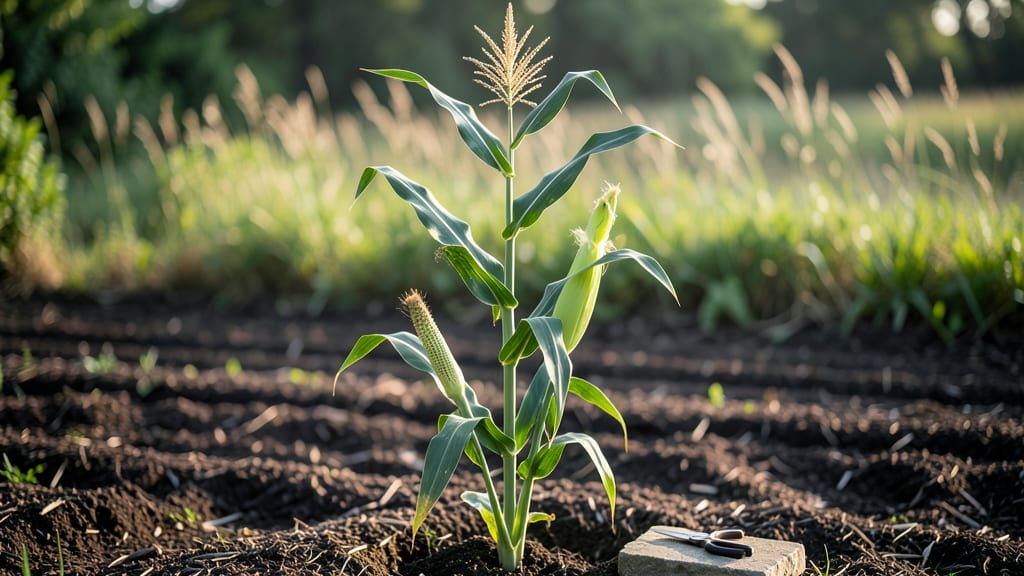
Growing a corn tree plant (Dracaena fragrans) isn’t just about keeping it alive—it’s about unlocking that year-round harvest of lush, arching foliage that makes this plant a showstopper.
I’ve had mine for five years, and the secret to its thriving, bushy growth comes down to three strategic pruning cuts that most people miss. The first time I pruned it correctly, I was shocked by how much new growth popped out within weeks—like magic, but with real results.
This plant thrives in bright, indirect light (think near a window with sheer curtains) and needs water only when the top inch of soil feels dry. Overwatering is the #1 killer, so I use a moisture meter to avoid soggy roots.
The right soil mix—well-draining and slightly acidic—keeps it happy year-round, and a light fertilizer boost in spring gives it that extra oomph for fresh new leaves. Most beginners underestimate how forgiving this plant is when you get the basics right.
With those three pruning cuts (topping, side shoots, and leggy stems), you’ll encourage dense growth that fills out your space beautifully. The leaves stay vibrant green, the stems thicken, and you’ll have more plants to share with friends if you propagate the cuttings.
It’s the kind of plant that makes you feel like a gardening pro—even if you’ve killed houseplants before. Let’s get yours looking just as stunning.
Works equally well in offices, living rooms, or sunrooms—just adjust the light and water based on where you place it. The key is consistency, not perfection.
Once you master the pruning rhythm, your corn tree will reward you with bold, healthy growth that turns heads every season. Ready to transform yours?
📚 In This Guide
- What you need
- Instructions
- Tips and common mistakes
- Wrapping up and next steps
What you need
- ● Corn Tree Plant: A healthy, 4-6 inch potted Dracaena fragrans (check for yellowing leaves or pests before buying).
- ● Well-Draining Soil: 2-3 gallons of cactus or African violet mix (or blend 50% potting soil with 50% perlite/pumice for drainage).
- ● Pot: A container 2-3 inches larger in diameter than the plant’s root ball (ensure it has drainage holes).
- ● Watering Can: With a narrow spout to avoid overwatering.
- ● Fertilizer: A balanced liquid fertilizer (10-10-10 or 20-20-20), diluted to half-strength.
- ● Pruning Shears: Sterilized, sharp shears (or small scissors for precision cuts).
- ○ Gloves (Optional but Recommended): To protect hands from sap (can irritate skin).
- ● Humidity Tray: A shallow tray with pebbles and water to boost humidity (especially for indoor plants).
- ● Grow Lights: A full-spectrum LED bulb (10,000-15,000K) if growing indoors with <5 hours of sunlight.
- ○ Rooting Hormone: For propagating cuttings (optional but increases success rate).
- ● Misting Bottle: For occasional leaf misting (corn plants love humidity!).
- ● Plant Support: A small stake or trellis if your corn tree grows tall and leggy.
Step-by-Step guide to pruning your corn tree for continuous growth
Master these three strategic cuts to keep your corn tree thriving year-round.
✂️ Step 1: Identify and Remove Dead or Damaged Wood
Start by examining the entire plant for branches that show clear signs of decline. Look for brown, brittle stems that snap easily when bent, or any limbs with no leaves or signs of life. These are your first targets—they drain energy from healthy growth. Use sharp pruning shears to make clean cuts just above a healthy bud or lateral branch, angling the cut slightly downward to prevent water pooling.
I always begin pruning in late winter or early spring, just as new growth starts to appear. This timing ensures you remove dead wood before the plant directs energy into new shoots. If you spot any branches with disease—like blackened spots or unusual mold—sterilize your tools with rubbing alcohol between cuts to prevent spreading pathogens.
✂️ Step 2: Thin Out Overcrowded Branches for Better Airflow
Corn trees often develop dense foliage that blocks sunlight from reaching inner branches. Focus on removing branches that cross or rub against others, as these create wounds that invite pests and disease. Aim to open up the center of the plant by cutting back branches that grow inward, starting with the smaller ones first. This creates a more balanced canopy and improves air circulation, which is crucial for preventing fungal issues.
Here's the thing—don't remove more than 25% of the plant's foliage in one session. You'll see immediate improvement in light penetration and leaf health. If your tree has long, leggy branches reaching outward, consider shortening them by one-third to encourage bushier growth. Always cut just above a leaf node or outward-facing bud to promote healthy regrowth.
✂️ Step 3: Shape for Year-Round Productivity
Corn trees respond well to formative pruning, so use this step to shape the plant for continuous harvest. Focus on removing spent flower clusters after each fruiting cycle, cutting back to the nearest leaf node. This encourages the plant to redirect energy into new growth rather than seed production. For larger branches, use loppers to make clean cuts at a 45-degree angle, avoiding leaving stubs that can rot.
In late summer, give your corn tree a light trim to remove any overly vigorous shoots that detract from the plant's natural shape. This is also when you can encourage branching by pinching back the tips of new growth. The goal is to maintain an open, airy structure that allows sunlight to reach all parts of the plant, which translates to more consistent fruiting throughout the year.
Tips & tricks for pruning your corn tree plant
These targeted strategies will help you maximize your corn tree's productivity while avoiding common pruning pitfalls.
Timing is Everything: Late winter or early spring is the absolute best time to tackle Step 1, when your corn tree is just waking up from dormancy. This timing ensures you remove dead wood before the plant redirects energy into new growth. If you're working with a mature tree, consider breaking this into two sessions—first for dead wood removal, then 4-6 weeks later for shaping. The key is to never prune when the tree is actively flowering or fruiting, as this stresses the plant during its most vulnerable growth phases.
The 25% Rule for Step 2: Remember the 25% foliage limit mentioned in Step 2? This isn't arbitrary—it's based on the plant's ability to photosynthesize efficiently. When you exceed this threshold, you risk shocking the tree and triggering stress responses. For larger trees, I recommend working in quadrants: divide the tree into four sections and prune one quadrant at a time, spacing sessions by at least 2 weeks. This gradual approach maintains the tree's energy balance while still improving airflow dramatically.
Tool Preparation Matters: Before you begin any pruning, especially when dealing with potential disease in Step 1, take 5 minutes to properly sterilize your tools. Use a 70% isopropyl alcohol solution to wipe down shears and loppers between cuts on diseased branches. I keep a small spray bottle of diluted alcohol (1 part alcohol to 3 parts water) handy for quick cleanups. Sharp tools are also critical—dull blades tear tissue rather than making clean cuts, which increases infection risks and slows healing.
Visual Pruning Cues: When shaping in Step 3, look for these visual indicators: healthy buds are plump and green, while dead buds appear shriveled and brown. For the 45-degree angle cuts on larger branches, imagine slicing the branch like a pie—this angle prevents water from pooling at the cut site. And here's a pro trick: after making a cut, examine the cross-section of the branch. Healthy wood should be greenish-white, while diseased wood often shows dark streaks or discoloration.
Pro Tips for Corn Tree Plant
- These targeted strategies will help you maximize your corn tree's productivity while avoiding common pruning pitfalls.
- Timing is Everything: Late winter or early spring is the absolute best time to tackle Step 1, when your corn tree is ...
- The 25% Rule for Step 2: Remember the 25% foliage limit mentioned in Step 2? This isn't arbitrary—it's based on the p...
Frequently asked questions
Got questions about growing a corn tree plant? You’re not alone!
Here are answers to the most common queries—from planting to harvest—so you can enjoy year-round greens with confidence.
What’s the best time to plant a corn tree (Dracaena fragrans) for indoor or outdoor growth?
For indoor planting, anytime is fine since they thrive in stable conditions. Outdoors in warmer climates (USDA Zones 10-11), plant in spring or early summer to avoid frost. Give it 2–3 weeks to acclimate if transitioning from indoor to outdoor.
How often should I water my corn tree, and what’s the ideal soil mix?
Water when the top 1–2 inches of soil are dry (about every 1–2 weeks, less in winter). Use a well-draining mix of:
- 50% potting soil
- 30% perlite or sand
- 20% compost
Why are my corn tree’s leaves turning brown or yellow, and how do I fix it?
Brown tips? Low humidity or fluoride in tap water (use filtered water). Yellow leaves? Check for:
- Overwatering (let soil dry out)
- Underwatering (water deeply)
- Pests (spider mites or scale—wipe leaves with neem oil)
Can I grow edible corn from a corn tree plant, or is it purely decorative?
Nope! The corn tree (Dracaena fragrans) is a tropical ornamental with non-edible leaves. If you want actual corn, plant Zea mays seeds outdoors in warm seasons. The corn tree’s namesake is just a fun quirk—it’s all about the lush, air-purifying foliage! →
Are there hardier alternatives to corn trees for colder climates?
Yes! Try these low-maintenance, cold-tolerant plants for year-round greenery:
- Dracaena marginata (“Dragon Tree”) – Thrives indoors or in Zones 10–11
- Yucca elephantipes – Drought-resistant, survives down to Zone 7
- Cast iron plant (Aspidistra elatior) – Nearly indestructible, tolerates Zone 6+
Wrapping up and next steps
Growing a corn tree plant is a rewarding journey that brings fresh, homegrown sweet corn straight to your table—no grocery store needed! 🌽 With just three strategic pruning cuts, you can maximize yields and keep your plant thriving year-round.
Whether you're a seasoned gardener or a beginner, these techniques make it simple to enjoy crisp, juicy ears with minimal effort.
Ready to take the next step? Start small—plant a few seeds or a young sapling, follow the pruning tips, and watch your garden transform! Before you know it, you’ll be sharing your harvest with friends and family. Happy gardening! 🌱