What is on this site
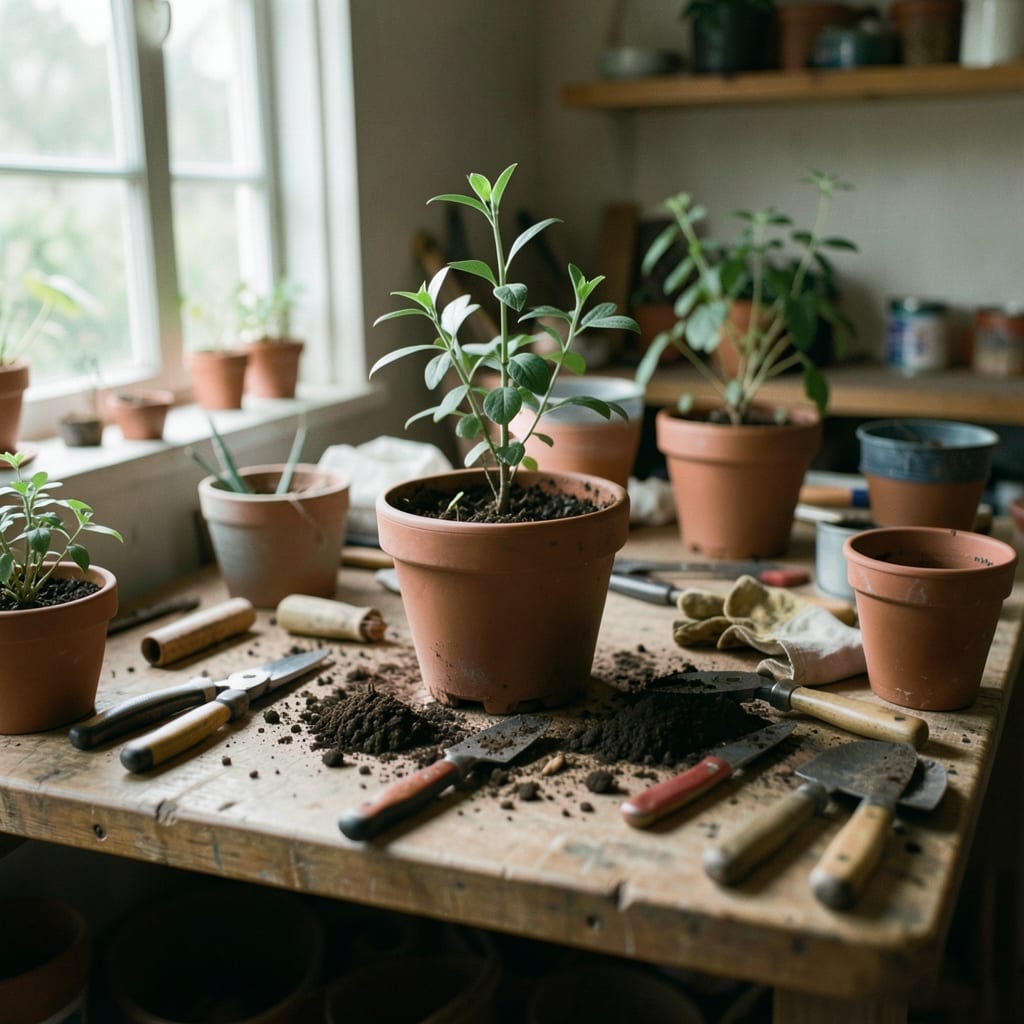
This site is for growing things—plants, seeds, and the soil that holds them. You’ll find no theory, no botany lectures, and no advice that assumes you have a greenhouse or a decade of experience.
Instead, there are step-by-step guides for turning a windowsill into a herb garden, a patch of dead grass into a pollinator haven, or a single pot into a year-round salad bowl.
Everything is organised by what you can do, not what you know. Need to fix a dying fern? Start with the *Troubleshooting* section. Want to grow tomatoes in a tiny space? See *Small-Space Cultivation*. Unsure when to plant? The *Seasonal Timelines* break it down by climate zone.
The site is built for people who are still learning—and for those who have forgotten more than they remember.
| Where | What is there | Go here if |
|---|---|---|
| The Guides | Start-to-finish walkthroughs for specific plants or tasks | you’re tackling something new |
| The Library | Plant profiles, soil guides, and tool reviews | you need to know if a plant will thrive where you live |
| The Troubleshooting | Diagnoses for yellow leaves, wilting stems, and pests | your plant looks sick |
| Seasonal Timelines | Planting, pruning, and harvest schedules by zone | you’re unsure when to act |
How to read a page here
Every page starts with a clear goal—whether it’s reviving a dying houseplant or growing basil from seed—and ends with a checklist of what to do next. The headings are numbered: *1. What You’ll Need* comes first, followed by *2. The Steps*, then *3. What Can Go Wrong*.
Skip straight to *3* if you’re in a hurry, but read *2* carefully if you’re new to the task.
Units are always in inches, grams, and Fahrenheit—no conversions. Timings assume normal conditions: a sunny windowsill, not a greenhouse. If your results don’t match, check the *Notes* section at the bottom for adjustments (like slower growth in low light). Photos show real outcomes, not staged perfection.
Ignore the *Further Reading* unless you’re curious. It’s for people who want to dig deeper, not those who just need to get it done. The same goes for the *Science Behind It* boxes—they’re optional, like the extra row of seeds you didn’t mean to plant.
When it does not work
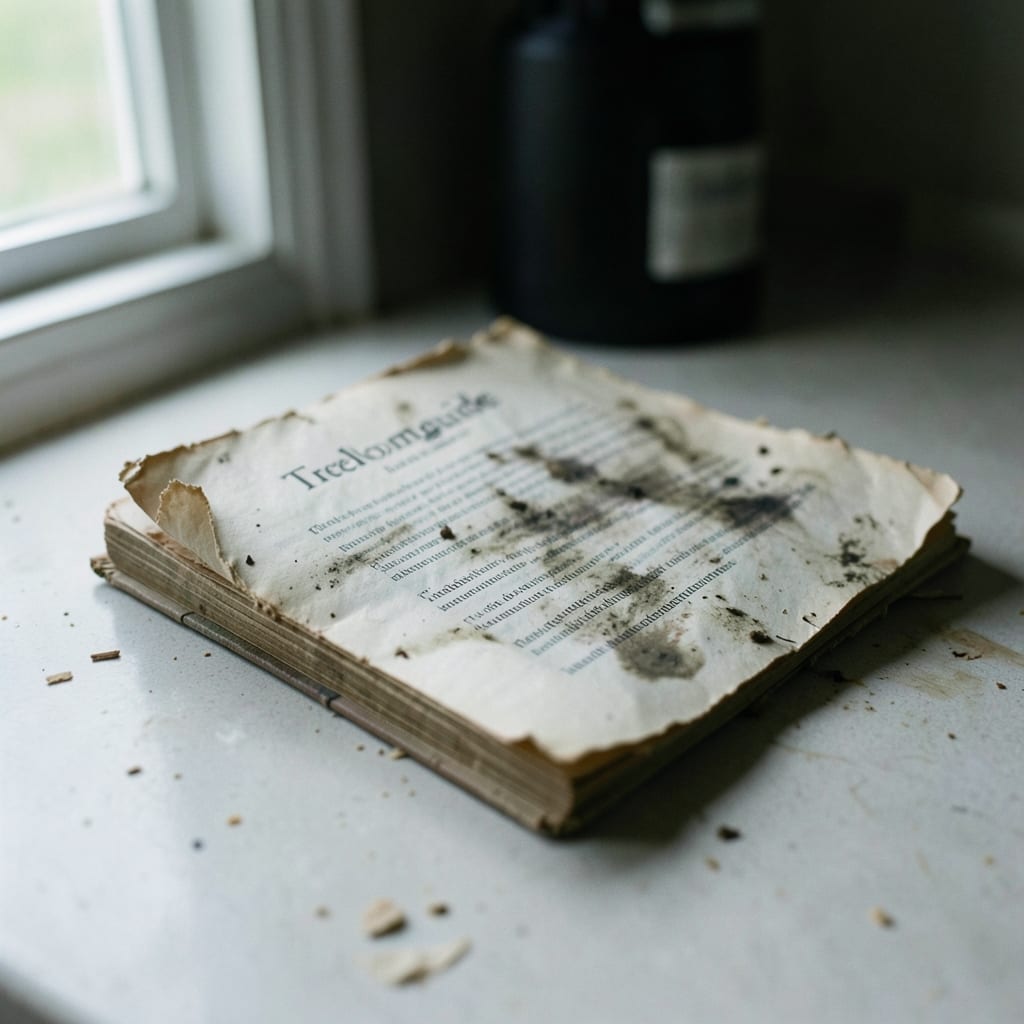
Not every plant survives, not every method works the first time, and not every soil mix behaves as expected. If a guide isn’t working for you, it might be because your climate, light, or water differs from the assumptions in the text.
Before you give up, check these four things first.
Before you give up
- Your light conditions—is the plant getting *direct* sun, or just bright indirect? A north-facing window and a south-facing one are not the same.
- Your soil drainage—if water pools on top after watering, your plant is drowning, not drinking.
- Your timing—some seeds need cold stratification (a fridge) before they’ll sprout, and some perennials won’t bloom until their second year.
- Your tools—cheap shears crush stems, and a trowel with a dull edge makes transplanting harder than it needs to be.
Who we are
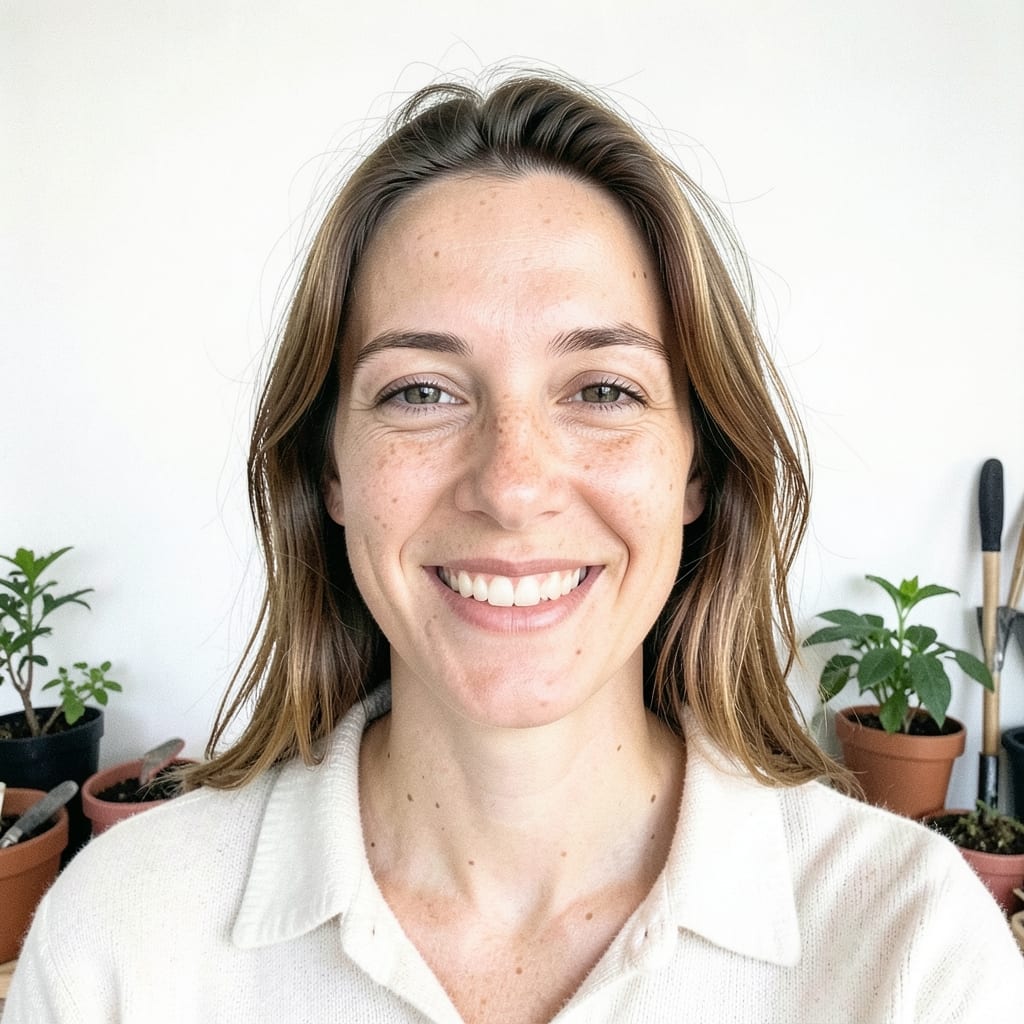
This site is made by someone who still kills more plants than she saves.
| The colophon | |
|---|---|
| Written by | Marisol Laurent, who turns concrete patches into edible gardens and writes about the mess in between |
| Tested in | A 1970s apartment with one sunny window, a balcony that floods in spring, and a backyard where the soil remembers the last owner’s roses |
| Written with | A chipped enamel watering can, a notebook full of crossed-out dates, and a phone camera that always blurs the leaves |
| Learned from | Her abuela, who grew peppers in cracked clay pots and swore by ‘letting the earth decide’—and from every failed seedling since |
| Still getting wrong | The exact moment to harvest green beans before they turn to mush |
Gardening is a conversation, not a lecture. The best advice comes from the dirt under your nails, not the pages you read. Here, we’re just two voices in that conversation—hoping you’ll add your own.
If you need something that is not here
This site covers the basics: how to grow, how to fix, and how to start over. But every garden has its own quirks—your soil might be too sandy, your pests too persistent, or your space too strange for the guides here.
If you’re looking for something specific—like growing bonsai in a high-rise or reviving a 50-year-old oak tree—send a message to the contact page. We’ll point you to the right tools, even if we haven’t used them ourselves.
The guides are grouped by category: Advice, Aphids, Blooming, Companion Plants, Container Gardens and Diseases.