Trees
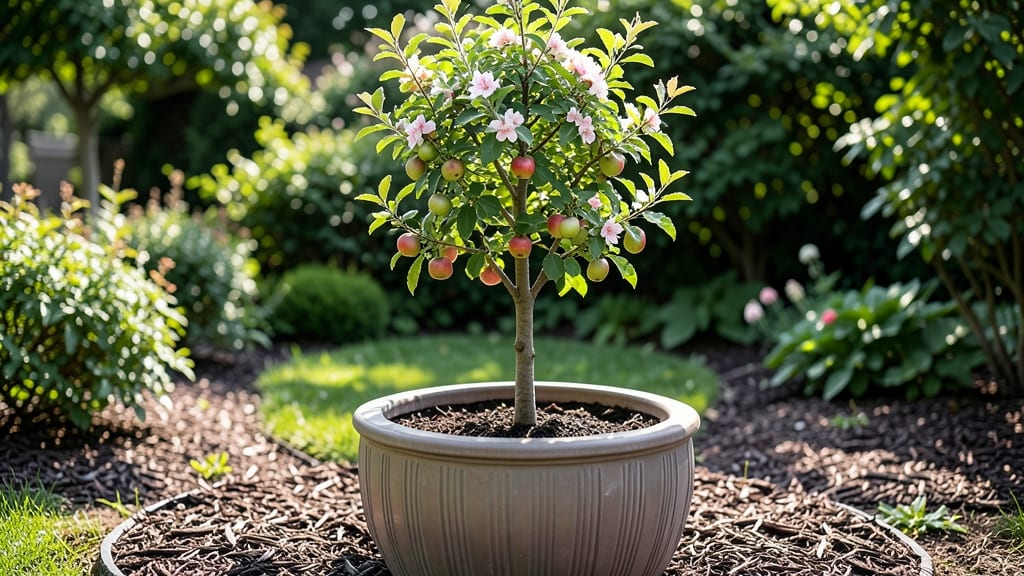
Growing apple trees in tubs lets you harvest crisp, homegrown fruit even in small spaces—my dwarf Liberty apple produces 20+ pounds of fruit each year from a 15-gallon pot. The key isn’t just choosing the right variety but replicating the conditions these trees crave in a confined space.
You’ll need a pot at least 18 inches deep (deeper for larger varieties), drainage holes, and a well-draining mix of 60% potting soil, 30% compost, and 10% perlite.
Place your tub where it gets 6-8 hours of full sun daily, and water when the top inch of soil feels dry—overwatering is the #1 killer of potted fruit trees.
By summer, you’ll see blossoms followed by tiny apples, and with proper pruning (cutting back 20% of branches in late winter), your tree stays compact and productive. Hand-pollination works too—just transfer pollen with a small brush if bees aren’t visiting.
Winter care is critical: move pots to an unheated garage or wrap them in bubble wrap to protect roots from freezing. Even in containers, apple trees thrive with the right balance of space, sunlight, and seasonal adjustments.
📚 In This Guide
- What you need
- Instructions
- Tips and common mistakes
- Wrapping up and next steps
What you need
- ● Container: A large, sturdy pot (at least 18–24 inches in diameter) with drainage holes. Dwarf apple tree varieties (like ‘Columnar’ or ‘Spindle’) work best in tubs.
- ● Quality potting mix: A well-draining blend (e.g., 50% potting soil + 30% perlite + 20% compost). Avoid garden soil—it compacts and suffocates roots!
- ● Apple tree: A dwarf or semi-dwarf variety (e.g., ‘Red Delicious,’ ‘Granny Smith,’ or ‘Honeycrisp’). Check local nurseries for cold-hardy options.
- ● Mulch: Organic mulch (e.g., straw or wood chips) to retain moisture and regulate soil temp.
- ● Fertilizer: A balanced, slow-release fertilizer (10-10-10 or organic options like fish emulsion).
- ● Gloves & pruners: For planting and trimming (sterilize pruners with rubbing alcohol!).
- ● Watering can or hose: With a gentle spray nozzle to avoid disturbing soil.
- ○ Trellis or stakes: Optional but helpful for supporting young trees (especially columnar varieties).
- ● Pest control: Neem oil or insecticidal soap (for aphids, mites, or codling moths).
- ● Sunlight monitor: A small light meter or app to track 6–8 hours of daily sun (apple trees are sun-hungry!).
- ● A sunny spot (south-facing is ideal) with no strong winds.
- ● Access to clean water (tubs dry out faster than ground soil!).
- ● Patience! Dwarf trees take 3–5 years to bear fruit, but the wait is worth it.
How to grow thriving apple trees in containers
Container-grown apple trees need the right setup to flourish—here's how to make it work beautifully on any patio.
Select the Right Tree and Container
Choose a dwarf apple tree variety like 'Columnar' or 'Semi-Dwarf'—these stay small enough for containers while still producing fruit. Avoid standard-sized trees; their roots will quickly outgrow tubs. The container must be at least 18 inches deep and 24 inches wide for proper root development, with drainage holes to prevent waterlogging.
I prefer fabric grow bags because they allow roots to breathe and can be easily lifted for pruning. If using traditional pots, opt for lightweight materials like plastic or resin—ceramic gets too heavy when saturated. Place the container in a spot that gets 6-8 hours of direct sun daily. Apple trees are heavy feeders, so their container location should be permanent to avoid root disturbance.
Prepare the Potting Mix and Planting
Use a high-quality well-draining potting mix blended with 20% perlite or pumice to improve aeration. Avoid garden soil—it compacts in containers and suffocates roots. Fill the container halfway, then place the tree so its root flare (where roots meet trunk) sits just above the soil line. This prevents the trunk from sitting buried, which causes rot.
Backfill with more mix, pressing gently to eliminate air pockets. Water thoroughly until it drains freely from the bottom. The first few weeks are critical—underwatering stresses young trees, while overwatering drowns roots. Let the top inch of soil dry between waterings, then soak deeply until water runs out the drainage holes.
Provide Consistent Care and Fertilization
Apple trees in containers need regular feeding to compensate for limited root space. Use a balanced, slow-release fertilizer (10-10-10 or similar) applied every 6-8 weeks during the growing season. In early spring, switch to a high-nitrogen formula to encourage leaf and branch growth. Organic options like composted manure or worm castings work well but require more frequent applications.
Prune in late winter or early spring to shape the tree and remove dead or crossing branches. Cut just above an outward-facing bud to encourage new growth. Thin out crowded branches to improve airflow, which reduces disease risk. Mulch the surface with 2-3 inches of organic mulch to retain moisture and regulate soil temperature—just keep it a few inches away from the trunk.
Monitor for Pests and Seasonal Adjustments
Container-grown apple trees are more vulnerable to pests like aphids and spider mites due to their confined environment. Inspect leaves weekly for signs of infestation—sticky residue on leaves or fine webbing are red flags. Treat early with insecticidal soap or neem oil, following label instructions. Preventative sprays in early spring can deter pests before they become a problem.
In winter, move the container to a sheltered spot if temperatures drop below 10°F. Wrap the pot in bubble wrap or burlap to insulate roots and protect against freezing. Reduce watering significantly—only water when the top inch of soil is dry, as evaporation slows in cold weather. Resume regular care in early spring as growth resumes.
Harvest and Plan for Next Year
Container-grown apple trees may produce smaller fruit than their in-ground counterparts, but with proper care, they’ll yield sweet, flavorful apples. Harvest when the fruit is fully colored and slightly soft to the touch—usually late summer to early fall. Twist gently to detach; avoid pulling, which can damage branches.
After harvest, clean up fallen leaves and debris to prevent fungal diseases. Prune again to remove any dead or diseased wood, then fertilize lightly to prepare for dormancy. If your tree is young, consider repotting in early spring if roots are circling the container—up to a slightly larger size to give it room to grow.
Tips & tricks for perfect apple trees in tubs
Here's what I learned after years of growing container apples—these details separate thriving trees from struggling ones.
Container Size Matters: The 18-inch depth and 24-inch width in Step 1 aren't arbitrary—they're based on root growth patterns. If you're tempted to go smaller, remember that dwarf trees still need room for their root systems to develop properly. I've seen trees in undersized pots develop girdling roots that strangle their own growth. If you must use a smaller container, upgrade to a slightly larger size every 2-3 years during repotting season.
Sunlight Strategy: That 6-8 hours of direct sun in Step 1 is non-negotiable for fruit production. South-facing locations get the most light, but west-facing spots work too. East-facing patios may need supplemental grow lights during winter months when days shorten. I've found that moving containers to sunnier spots during the day and back to sheltered areas at night can extend the growing season by 2-3 weeks in cooler climates.
Watering Wisdom: The first few weeks after planting are critical—you're absolutely right to focus on letting the top inch dry between waterings. But here's what nobody tells you: container trees need about 20-30% more water than in-ground trees because of the limited soil volume. I use a moisture meter to check deeper levels, especially during hot summer months when evaporation rates skyrocket. The key is consistent moisture without waterlogging, which causes root rot.
Winter Protection: That 10°F threshold in Step 4 is where things get tricky. While most sources recommend moving containers indoors, I've successfully overwintered trees in unheated garages wrapped in thick burlap. The secret is creating an air gap between the insulation and the pot—this prevents moisture buildup that leads to rot. I also reduce watering to once every 3-4 weeks during dormancy, only enough to prevent complete desiccation.
Pro Tips for Apple Trees In Tubs
- Here's what I learned after years of growing container apples—these details separate thriving trees from struggling o...
- Container Size Matters: The 18-inch depth and 24-inch width in Step 1 aren't arbitrary—they're based on root growth p...
- Sunlight Strategy: That 6-8 hours of direct sun in Step 1 is non-negotiable for fruit production. South-facing locati...
Frequently asked questions
Got questions about growing apple trees in tubs? You’re not alone! Here are answers to the most common concerns—so you can confidently turn your patio or balcony into a fruiting paradise.
How big should the tub be for an apple tree?
Apple trees need at least 18–24 inches in diameter and 24–36 inches deep to thrive long-term. Dwarf varieties (like ‘Columnar’ or ‘Semi-Dwarf’) can manage smaller tubs (12–15 inches wide), but larger containers improve stability and root health. Pro tip: Use a 5-gallon pot for young trees and upgrade as they grow!
When is the best time to plant an apple tree in a tub?
Plant in early spring (March–April) or fall (September–October) when temperatures are mild. Avoid extreme heat or frost—roots need time to establish before stress. Bonus: Container-grown trees can be planted year-round if you’re gentle with the roots!
Will apple trees in tubs actually produce fruit?
Yes! With proper care, dwarf or columnar varieties (like ‘Golden Delicious’ or ‘Gala’) will bear fruit in 3–5 years. Pollination is key—plant two compatible varieties or use a hand pollinator. Watch out: Tub-grown fruit may be smaller but just as sweet!
How often should I water an apple tree in a tub?
Check soil moisture daily in summer—containers dry out fast! Water deeply until it drains from the bottom (1–2 gallons per watering for mature trees). Reduce in winter but keep soil slightly moist. Signs of overwatering: Yellow leaves or moldy soil.
What pests or diseases should I watch for in container apple trees?
Common issues include aphids, spider mites, and fire blight. Inspect leaves regularly and use neem oil or insecticidal soap for pests. Prune infected branches immediately to prevent spread. Prevention tip: Elevate tubs to improve airflow and reduce humidity-related diseases.
Can I move my tub-grown apple tree indoors in winter?
Not recommended! Apple trees need cold dormancy (40–50°F for 6–8 weeks). Instead, move the tub to a sheltered spot (like a garage or porch) and reduce watering. Exception: If temps drop below 20°F, wrap the tub in bubble wrap or frost cloth for extra protection.
Wrapping up and next steps
Growing apple trees in tubs is a rewarding way to enjoy fresh fruit even in small spaces!
With the right container, soil, and care, you can cultivate thriving trees on patios or balconies—no yard required. 🍏✨ Whether you’re a beginner or a seasoned gardener, this space-saving method opens up endless possibilities for urban homesteading.
Now that you’re armed with the how-tos and answers to common questions, it’s time to roll up your sleeves and get planting! Start by selecting your favorite variety, prep your tub, and watch your tiny orchard grow. Happy gardening—your future apple harvest awaits! 🌱🍎