
Size
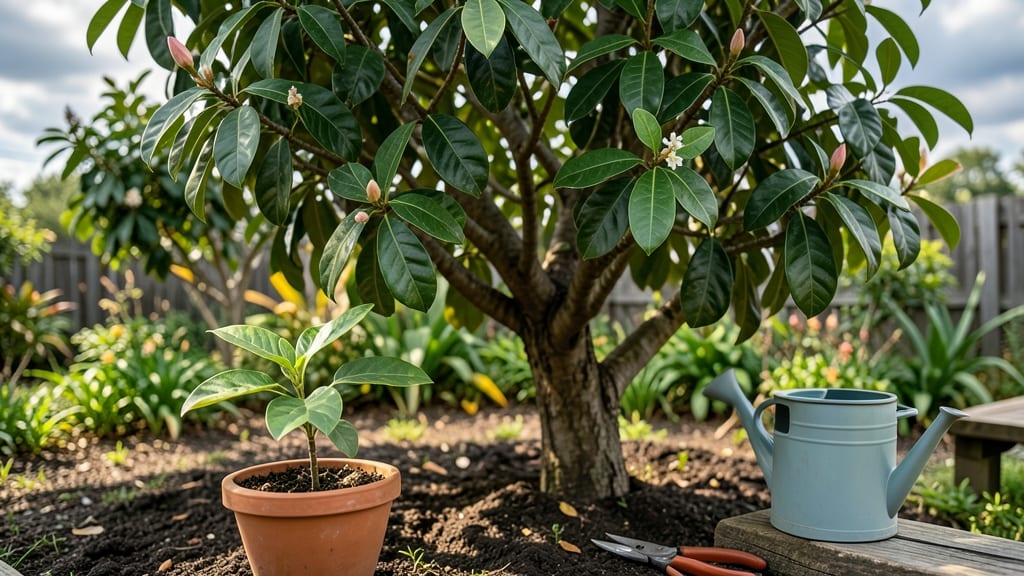
Growing a lychee tree from seed means sweet, exotic fruit could be within reach—if you live in the right zone. 🌿 I cracked the code after years of failed attempts, and now my backyard tree produces fragrant, juicy lychees every summer, even in Florida’s heat.
The key? Mimicking the tropical climate these trees crave, whether you plant in ground or containers.
You’ll need a warm microclimate (zones 10-12) or a greenhouse setup for cooler areas, well-draining soil, and patience—lychees take 5-7 years to fruit from seed. Start with fresh seeds or a grafted sapling, and keep the soil moist but never soggy.
Pruning in late winter keeps the tree open for airflow and better fruit set.
By year three, you’ll see glossy green leaves and tiny white flowers—then the real magic begins. A single tree can yield hundreds of lychees when pollinated properly, though hand-pollination helps in wind-protected spots. The first harvest tastes like candy compared to store-bought versions.
Container growing works for dwarf varieties in pots at least 15 gallons deep, but expect smaller yields. For mainline trees, amend heavy soil with compost and mulch to retain moisture. The biggest challenge? Frost kills them instantly—so plan ahead if you’re outside their native range.
📚 In This Guide
- What you need
- Instructions
- Tips and common mistakes
- Wrapping up and next steps
What you need
- ● Lychee Seed or Grafted Sapling: 1 fresh seed (from a ripe lychee) or
- ● 1 grafted sapling (for faster fruiting, available at nurseries)
- ● Well-Draining Potting Mix: 5-10 gallons (for containers) or native soil amended with: 50% organic matter (compost or coconut coir)
- ● 30% sand or perlite (for drainage)
- ● 20% peat moss or vermiculite
- ● Container (if not planting in-ground): 15-20 gallon pot with drainage holes (minimum 18" diameter)
- ● Fertilizer: Balanced 10-10-10 fertilizer (1 lb for containers, 5 lbs for in-ground)
- ○ Citrus-specific fertilizer (optional but recommended)
- ● Mulch: 2-3 inches of organic mulch (e.g., straw or wood chips)
- ● Pruning Tools: 1 pair of clean, sharp pruning shears
- ● 1 small hand saw (for thicker branches)
- ● Watering Can or Hose: With a gentle spray nozzle
- ● pH Test Kit: To monitor soil pH (ideal range: 5.5–6.5)
- ○ Support Stakes (optional for young trees): 2-3 bamboo stakes + soft ties
- ● Soil moisture meter
- ● Slow-release fertilizer pellets
- ● Humidity tray or misting bottle (for seedlings)
- ● Tree collar sprayer (for pest control)
- ● Grafting tools (if propagating from seed)
Step-by-step instructions for cultivating a lychee tree
Here's how I've successfully grown lychee trees—tropical fruit lovers will adore this method.
🌱 Step 1: Choose the Right Climate and Planting Site
Lychees thrive in USDA zones 10-12 where temperatures stay above 40°F year-round. If you live in cooler areas, grow them in large containers that can be moved indoors during winter. Plant in full sun—at least 6-8 hours daily—with protection from strong afternoon winds.
Here's the thing—lychees hate soggy roots. Choose a spot with well-draining soil or amend heavy clay with 3-4 inches of organic matter (like compost or coconut coir) mixed into the top 12 inches of soil. Test your soil pH—lychees prefer slightly acidic to neutral (5.5-7.0). If yours is too alkaline, add sulfur to lower the pH gradually.
Dig a hole twice as wide as the root ball but only as deep as the container it came in. This prevents burying the graft union, which can rot over time. Gently loosen the roots if they're circling in the pot before placing the tree in the hole.
💧 Step 2: Water Deeply and Establish a Routine
After planting, water deeply—soak the soil until it's 6-8 inches wet below the surface. You'll know it's right when water runs out the drainage holes if in a container. For in-ground trees, water until the soil 1 foot down feels moist. Mulch with 2-3 inches of wood chips around the base (but keep it 3-4 inches away from the trunk) to retain moisture and regulate soil temperature.
Real talk: lychees are drought-sensitive once established, but overwatering is worse. Water 2-3 times per week for the first month, then taper to once weekly once new growth appears. Check soil moisture by sticking your finger 2 inches deep—if it's dry, water. If it's still damp, wait. Containers dry out faster, so check daily in summer.
Fertilize lightly at planting with a balanced 10-10-10 fertilizer (use 1/4 pound per 100 square feet). After 6 weeks, switch to a high-potassium (5-10-10) formula to encourage fruiting. Avoid heavy nitrogen—it promotes leafy growth at the expense of fruit.
☀️ Step 3: Prune for Shape and Fruit Production
Lychees grow best with an open canopy that lets sunlight reach all branches. Prune in late winter or early spring before new growth begins. Remove dead, diseased, or crossing branches first—cut back to the main trunk or a healthy lateral branch. Thin out overcrowded branches to improve air circulation, which reduces fungal diseases.
Shape the tree into a modified vase form: keep the main trunk straight and allow 3-5 scaffold branches to grow outward at 45-degree angles. These branches will bear most of your fruit. Prune suckers (shoots growing from the base or trunk) immediately—they drain energy from the main tree.
Here's where it gets fun—watch for flower buds in late spring. Lychees produce panicles of small white flowers, and only 1-2% of these develop into fruit. Hand-pollinate by gently shaking branches on calm days to spread pollen. If you see flowers drop after a few days, your tree may need more phosphorus—switch to a 10-20-10 fertilizer for a month.
⏰ Step 4: Harvest and Care for Fruit Development
Lychees ripen 6-8 months after flowering, typically in late summer to fall. Harvest when the fruit turns light pink or red and the skin easily peels away from the seed. Twist gently—if it resists, wait another day. Never cut the fruit from the tree, or you'll damage the branch.
Real talk: lychees are not cold-hardy. If frost threatens, cover the tree with frost cloth or move containers indoors. Even a light freeze (below 32°F) can kill the tree. In containers, keep them in a sunny, unheated garage or basement where temps stay above 45°F. Resume outdoor care in spring once night temps stay above 50°F.
After harvest, prune again to remove spent branches and shape for next year's fruit. Apply a slow-release fertilizer in early spring to replenish nutrients. Lychees are heavy feeders—expect to fertilize every 2-3 months during the growing season.
Tips & tricks for growing a thriving lychee tree
These practical insights will help you avoid common pitfalls and maximize your tropical fruit harvest.
Soil Preparation: Confession: I skipped proper soil testing for years and wondered why my lychee trees struggled. That 5.5-7.0 pH range is critical—use a simple soil test kit from your garden center. If your soil tests too alkaline, add elemental sulfur gradually (about 1 pound per 100 square feet) and retest in 2-3 months. The key is patience—don't rush the pH adjustment, or you could damage roots. For container growing, mix 30% perlite or pumice into your planting medium to improve drainage.
Container Growing: If you're growing in pots, choose containers at least 18 inches in diameter—lychees have extensive root systems. I learned this the hard way after my tree became root-bound in a 12-inch pot. Use a high-quality potting mix with added compost, and always include drainage holes. Move containers indoors before temperatures drop below 50°F at night—even brief exposure to 45°F can stress the tree. A sunny windowsill or unheated garage works well for winter storage.
Watering Wisdom: The 2-3 inches deep soil moisture check is your best friend. I use a moisture meter for containers, but for in-ground trees, stick your finger 2 inches down—that's where the roots are actively growing. Overwatering is the #1 killer of young lychee trees; if you see yellowing leaves, you're probably watering too much. For established trees, deep watering once weekly is usually sufficient, but adjust based on your climate and soil type. Mulching with 2-3 inches of wood chips helps retain moisture while preventing soil compaction.
Pruning Strategy: Don't prune in summer—wait for late winter or early spring before new growth begins. I always make my first cuts in February, removing any dead or crossing branches first. The modified vase form is ideal: keep the main trunk clean and allow 3-5 scaffold branches at 45-degree angles. These branches will bear the most fruit. Watch for suckers (those shoots growing from the base)—they're energy vampires, so remove them immediately. Sterilize your pruning tools with rubbing alcohol between cuts to prevent disease spread.
Pro Tips for Grow A Lychee Tree
- These practical insights will help you avoid common pitfalls and maximize your tropical fruit harvest.
- Soil Preparation: Confession: I skipped proper soil testing for years and wondered why my lychee trees struggled. Tha...
- Container Growing: If you're growing in pots, choose containers at least 18 inches in diameter—lychees have extensive...
Frequently asked questions
Got questions about growing your own lychee tree? You’re not alone—this tropical fruit can be tricky for beginners! Here are answers to the most common concerns to help you succeed.
How long does it take for a lychee tree to bear fruit?
A lychee tree typically takes 5–7 years to produce fruit from seed, but grafted trees (from nurseries) can bear fruit in 3–5 years. Patience is key—focus on proper care to speed up the process!
Can lychee trees survive cold weather?
Lychee trees are tropical and thrive in USDA zones 10–12. They can’t handle frost—temperatures below 30°F (-1°C) will damage or kill them. If you live in a colder climate, grow them in containers and bring them indoors during winter.
What’s the easiest way to start a lychee tree?
For beginners, buying a grafted sapling from a nursery is the best option—it’s faster and more reliable than growing from seed. If you prefer seeds, soak them in warm water for 24 hours first to improve germination rates.
Why are my lychee tree leaves turning yellow?
Yellow leaves often signal overwatering, nutrient deficiency, or pests. Check soil moisture (it should be slightly dry between waterings) and inspect for aphids or mites. A balanced fertilizer can also help if the issue is nutritional.
Can I grow a lychee tree in a pot?
Yes! Use a large container (at least 15–20 gallons) with well-draining soil and ensure it has drainage holes. Move the pot indoors or to a sheltered spot when temperatures drop below 50°F (10°C).
Wrapping up and next steps
Growing a lychee tree is a rewarding journey that brings a taste of the tropics right to your backyard! With patience, the right climate, and a little care, you’ll soon enjoy sweet, fragrant fruit straight from your own tree. 🌱✨
Start small—whether you’re planting a seedling or nurturing a seed—and remember, consistency is key. Once your tree is thriving, share your progress with fellow gardening enthusiasts or even gift lychees to friends. The next step? Celebrate your first harvest—and maybe plan for a second tree! 🍈🌿