
Pruning
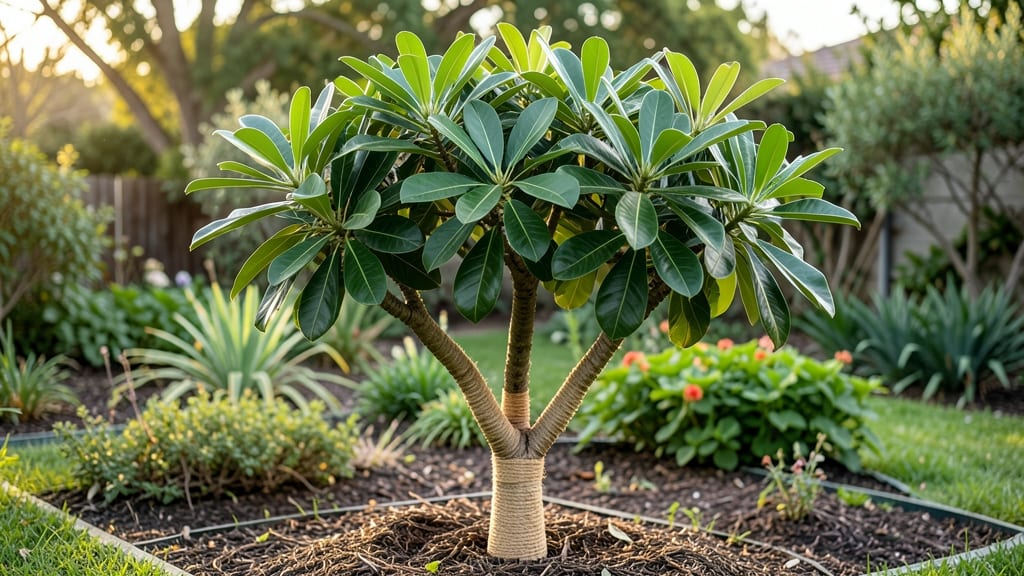
The money tree name—Pachira aquatica—isn’t just a plant; it’s a living symbol of prosperity with a braided trunk that feels like a hug from a tropical forest. 🌿 I grew mine from a tiny cutting, and within months, its glossy leaves and distinctive shape turned my living room into a serene corner of good fortune.
The name itself carries weight, rooted in feng shui traditions where its five-leaf clusters represent wealth in all directions.
This tropical beauty thrives with bright, indirect light and water when the top inch of soil feels dry—no fuss, no drama. The real magic happens with three simple pruning cuts to encourage bushier growth, and even beginners can master it.
Unlike high-maintenance plants, the money tree rewards patience with year-round lushness, making it the perfect low-effort houseplant for busy homes.
You’ll end up with a plant that’s not just alive but thriving, its leaves reaching for the light like outstretched hands. The braided trunk adds architectural interest, while the vibrant green foliage brings a touch of the tropics indoors—without the humidity or pests.
It’s the kind of plant that grows with you, adapting to your space while quietly boosting your luck (or so the legend says).
Whether you’re a new plant parent or a seasoned collector, this guide keeps it simple—no complicated terminology, just foolproof care for a plant that feels like a friend. Let’s get your money tree growing stronger with every season.
📚 In This Guide
- What you need
- Instructions
- Tips and common mistakes
- Wrapping up and next steps
What you need
- ● Healthy money tree plant – Choose a mature specimen (3+ years old) with at least 4-6 sturdy branches for optimal pruning.
- ● Sharp pruning shears – Must be clean and sterilized (rubbing alcohol wipe works!). Avoid dull scissors—they crush stems!
- ● Hydrogen peroxide (3%) or cinnamon powder – For sealing cuts to prevent disease (3% solution or ½ tsp cinnamon per cut).
- ● Small spray bottle with water – To mist cuts and encourage faster healing.
- ● Pruning saw – For thicker branches (if your tree has woody stems >½ inch thick).
- ● Gloves – Protects hands from sap (money trees can be sticky!).
- ● Plant food (balanced fertilizer, 10-10-10) – Apply 2 weeks post-pruning to boost regrowth.
- ● Notebook & pen – Track pruning dates and branch growth for consistency.
- ● Wait until spring or early summer (active growth phase) for best results.
- ● Ensure your money tree is healthy—no yellowing leaves, pests, or root rot.
- ● Water the plant 24 hours before pruning to reduce stress on the branches.
How to prune your money tree for year-round growth
Here's how I keep my money tree thriving with just three strategic cuts.
✂️ Step 1: Identify and Remove Yellow or Damaged Leaves
Start by inspecting your money tree (Pachira aquatica) for any leaves that have turned yellow, browned at the edges, or feel mushy to the touch. These are signs of stress, overwatering, or pests. I like to use clean, sharp pruning shears to make precise cuts—never tear leaves off, as this damages the plant's vascular system.
Focus on the lower branches first. These leaves are the oldest and often the first to show decline. Remove them completely at the base where they meet the stem. This encourages new growth from lower nodes, creating a fuller, bushier plant. You'll notice the plant's energy redirects to healthier foliage within days of this first cut.
✂️ Step 2: Prune for Shape and Airflow
Next, shape your money tree by trimming back any branches that are growing too long or crossing each other. I aim for a balanced, symmetrical shape—this isn't about perfection, but about encouraging airflow and light penetration to the inner leaves. Use your shears to cut just above a leaf node or bud, at a slight 45-degree angle to prevent water from pooling.
If a branch is leggy or growing toward a window, cut it back by about one-third. This prompts the plant to branch out from the sides, creating a fuller appearance. Avoid cutting into the main trunk unless it's absolutely necessary—this is the plant's structural support. After pruning, you'll see new shoots emerging from the nodes within a few weeks, signaling the plant is responding well.
✂️ Step 3: Encourage Bushier Growth with Strategic Cuts
For a bushier money tree, focus on the topmost branches. Cut back the very tips of the uppermost stems by about an inch or two. This may seem counterintuitive, but it triggers the plant to produce new side branches from the lower buds. I usually do this in early spring, just as the plant begins its active growth phase, but you can repeat it lightly in late summer if needed.
After making these cuts, step back and admire your work. The goal is to create a plant that looks full and vibrant from all angles. Over time, you'll develop an eye for how your money tree responds—some varieties branch out more readily than others. Just remember, less is often more. A single well-placed cut can stimulate more growth than several hasty trims.
Tips & tricks for perfect money tree pruning
Here's what nobody tells you about keeping your money tree lush all year—these tricks make all the difference.
The Pruning Angle Matters: That slight 45-degree angle when cutting in Step 2 isn't just for looks—it prevents water from pooling at the cut site, which could lead to rot. I've seen too many pruning mistakes where this small detail caused big problems later. Always cut just above a leaf node or bud to encourage new growth from exactly where you want it.
Timing is Everything: Early spring is prime time for Step 3's bushier growth cuts because your money tree is entering its active growth phase. But if you miss that window, don't worry—you can do a light version in late summer. The key is avoiding heavy pruning in fall or winter when the plant is dormant. I've learned this the hard way after over-pruning in December and watching my tree struggle to recover.
Tool Selection Tip: Invest in a good pair of pruning shears with sharp, clean blades—dull tools crush stems instead of making clean cuts. I sterilize mine with rubbing alcohol between uses to prevent spreading disease. For larger branches, consider bypass pruners which give you more control. The right tool makes all the difference in how your money tree responds to pruning.
Pro Tips for Money Tree Name
- Here's what nobody tells you about keeping your money tree lush all year—these tricks make all the difference.
- The Pruning Angle Matters: That slight 45-degree angle when cutting in Step 2 isn't just for looks—it prevents water ...
- Timing is Everything: Early spring is prime time for Step 3's bushier growth cuts because your money tree is entering...
Frequently asked questions
Got questions about keeping your money tree (Pachira aquatica) thriving with just three simple cuts? We’ve got answers!
Whether you’re a pruning pro or a new plant parent, these FAQs will help you grow a lush, money-attracting green friend year-round.
What’s the best time of year to prune my money tree for optimal growth?
The ideal time to prune your money tree is during its active growing season—typically spring or early summer. This gives your plant energy to recover and branch out beautifully. Avoid heavy pruning in fall or winter, as growth slows down. Pro tip: A light trim in late winter (just before new growth starts) can also encourage bushier foliage!
How do I know if I’m pruning too much or too little?
Strike a balance: Remove no more than 25-30% of the plant’s foliage in one session. Signs of over-pruning include yellowing leaves, slow recovery, or leggy growth. Under-pruning may leave your tree looking sparse or unbalanced. Aim for 3-5 cuts per session—focus on shaping, dead branches, or overcrowded areas.
Will pruning my money tree make it grow faster or produce more “lucky” coins?
Pruning itself won’t magically grow coins (sorry!), but it does encourage healthier, faster growth by promoting new shoots and a fuller shape. The “lucky” part comes from care and intention—a well-pruned, thriving money tree is said to attract prosperity! Plus, the more branches you have, the more “energy” (and coins ) your tree can “hold.”
What should I do if my money tree’s leaves turn yellow after pruning?
Yellowing leaves after pruning are usually a sign of stress, often from over-trimming or underwatering. Troubleshoot:
- Reduce pruning to 10-15% of foliage next time.
- Water consistently—keep soil lightly moist but not soggy.
- Fertilize lightly with a balanced liquid fertilizer to aid recovery.
- Move to bright, indirect light if it’s been in low light.
Can I propagate my money tree from pruned cuttings? Yes—and it’s easier than you think!
Pruned cuttings with at least 2-3 nodes can root in water or soil. Here’s how:
- Trim a healthy stem just below a node (where leaves grow).
- Place in water (change every 3-5 days) or moist soil.
- Keep warm and humid (a plastic bag helps!).
- Roots should appear in 2-4 weeks—then pot up!
Wrapping up and next steps
Ready to transform your money tree name into a thriving, year-round beauty with just three simple cuts? 🌿✂️ The key is consistency, patience, and a little love—no green thumb required!
Whether you’re pruning for shape, health, or that coveted "lucky charm" vibe, these techniques will keep your plant lush and full of energy.
Now that you’re armed with knowledge, grab those shears and get pruning! Start with one session, observe how your money tree responds, and adjust as needed. Before you know it, your plant will be the star of your space—and maybe even your wallet’s good luck charm. 🌟 Happy pruning!