Trees
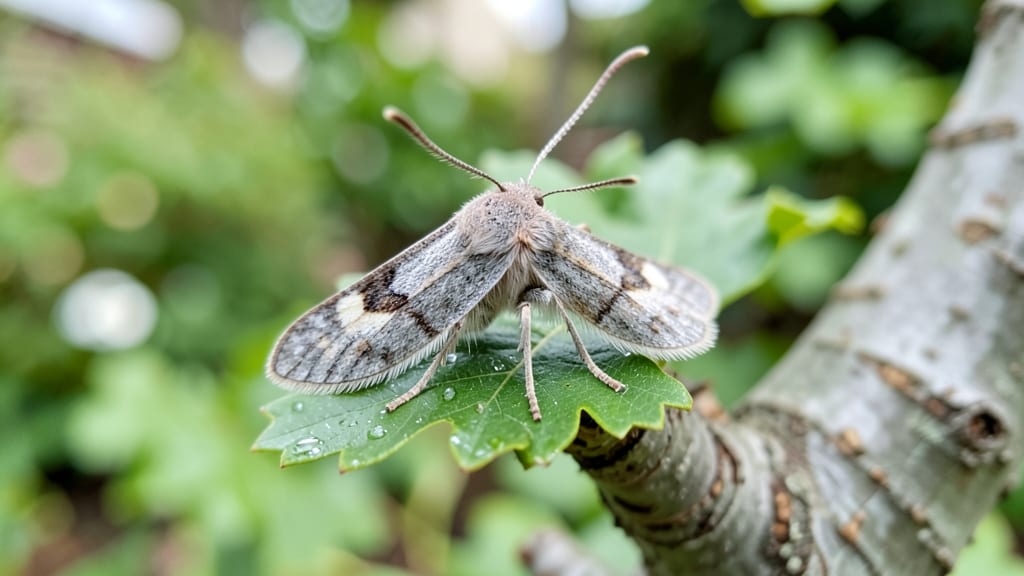
When moth larvae turn your trees into skeleton leaves overnight, panic sets in—but there’s a better way than reaching for harsh chemicals. 🌿 I’ve battled gypsy moths and tent caterpillars on my oak and maple trees, and these organic methods actually work without harming pollinators or future harvests.
The key is acting fast when you spot the first signs: chewed leaves, silk webs, or tiny brown caterpillars marching in lines. Prune out heavily infested branches first, then introduce natural predators like parasitic wasps or birds by adding a shallow water source.
My neighbor’s trees stayed lush all summer after she tried this—no sprays needed.
You’ll see real results within weeks: fewer skeleton leaves, healthier foliage, and trees that bounce back stronger. The secret weapon? A mix of manual removal, predator support, and timing your treatments right. Let’s get your trees thriving again naturally.
Works for common pests like gypsy moths, tent caterpillars, and fall webworms—no matter your tree type. Here’s how to spot them early and stop the damage before it starts.
📚 In This Guide
- What you need
- Instructions
- Tips and common mistakes
- Wrapping up and next steps
What you need
- ● Pyrethrin-based insect spray (organic) – 16 oz (473 mL) bottle (look for pyrethrum derived from chrysanthemums)
- ● Neem oil (100% pure, cold-pressed) – 16 oz (473 mL) bottle (for repellent and growth inhibition)
- ● Horticultural oil (dormant or summer) – 16 oz (473 mL) (smothers eggs and larvae)
- ● Spray bottle (16 oz, with fine mist nozzle) – 1-2 (for precise application)
- ● Garden gloves (nitrile or rubber) – 1 pair (to protect hands from oils)
- ● Pruning shears (sterilized) – 1 pair (for trimming infested branches)
- ● Heavy-duty trash bags (20-gallon) – 2-3 (for removing heavily infested debris)
- ● Ladder (if trees are tall) – Extendable or sturdy step ladder (ensure safety with a spotter)
- ● Garden hose with nozzle – For rinsing trees post-treatment
- ● Pest trap lights (UV or blacklight) – 1-2 (to lure and monitor adult moths)
- ○ Beneficial nematodes (for soil-dwelling larvae) – 1 lb (0.45 kg) (optional for severe cases)
- ● Reflective tape or aluminum foil strips – 1 roll (disorients moths when wrapped around trunks)
- ● Notebook & pen – To track treatment dates and effectiveness
How to manage moth infestations on trees naturally
Here's my go-to approach for keeping trees healthy without harsh sprays.
🌿 Step 1: Identify the Moth Species and Damage
First, determine which moths are causing the problem. Tent caterpillars leave silken nests in tree forks, while gypsy moths create webbed tents on branches. Look for skeletonized leaves or chewed foliage—this tells you the severity. I check trees in early spring when eggs hatch and caterpillars first appear.
Don't confuse moth damage with other pests. Gypsy moths leave brown, tattered leaves, while tent caterpillars create visible silk tents. If you see frass (chewed leaf debris) clinging to branches, that's your confirmation. The earlier you spot them, the easier they are to control.
✂️ Step 2: Prune Infested Branches and Remove Nests
Use pruning shears to trim away heavily infested branches, especially those with silk nests. Focus on the outer canopy first, where caterpillars cluster. I always sterilize my tools with rubbing alcohol between cuts to prevent spreading any potential diseases.
For tent caterpillar nests, wear gloves and carefully remove them with a stick or rake. Drop them into a bucket of soapy water to kill the larvae. If nests are high up, use a pole pruner to cut the branch just above the nest. Never burn nests—this can spread eggs to other trees.
💧 Step 3: Apply Natural Predators and Beneficial Insects
Introduce natural predators like parasitic wasps (they lay eggs inside caterpillars) or nematodes (microscopic worms that kill larvae). I order these from garden centers and apply them in early morning when caterpillars are most active. Follow package instructions for timing—usually at dusk or after rain.
Birds are your best allies too. Install birdhouses near trees and provide shallow water sources. Blue jays, chickadees, and robins love eating caterpillars. If you see birds actively hunting in your trees, you're already winning the battle.
🌱 Step 4: Use Organic Sprays as Last Resort
If infestations persist, try organic sprays like neem oil or Bacillus thuringiensis (Bt). Mix according to package directions and apply in the evening when bees aren't active. I focus on the undersides of leaves where caterpillars hide. Reapply every 7-10 days or after rain.
Never spray when temperatures exceed 85°F—it reduces effectiveness. Test a small branch first to ensure the spray doesn't harm your tree. If leaves show signs of stress after treatment, rinse with water immediately. The key is consistency, not intensity.
⏰ Step 5: Monitor and Prevent Future Infestations
Check trees weekly during peak moth season (spring to early summer). Look for fresh egg masses on branches—scrape these off with a stiff brush and drop them in soapy water. I mark treated branches with colored tape to track progress over time.
Encourage healthy tree growth with proper watering and mulching. Strong trees resist pests better. In fall, rake up fallen leaves and dispose of them in sealed bags—this removes overwintering eggs. Healthy soil means healthier trees, which naturally deter moths.
Tips & tricks for natural tree pest control
Here's what I've learned from years of battling moth infestations without chemicals.
Timing is Everything: The early spring inspection in Step 1 is non-negotiable. That's when caterpillars first emerge from eggs, and catching them early means less damage. I set a phone reminder for mid-March in my climate zone—this is when I first spot tiny caterpillars on my apple trees. If you wait until you see major damage, you're already fighting a losing battle.
Safety First: When removing nests in Step 2, wear long sleeves and gloves—caterpillar hairs can cause skin irritation. I keep a bucket of soapy water nearby to immediately dispose of nests. Pro tip: Use a long-handled net for high nests to avoid climbing ladders. I've seen too many people get hurt trying to reach nests 15 feet up!
Predator Placement: For Step 3, apply parasitic wasps or nematodes when temperatures are between 50-85°F. I've found that morning applications work best because caterpillars are most active then. Place wasp cocoons near infested branches, not randomly around the tree. Think of it like targeted pest control—you want the predators where the pests are congregating.
Spray Strategy: When using organic sprays in Step 4, focus on the undersides of leaves where caterpillars hide. I use a handheld sprayer with a fine mist setting to ensure even coverage. The key is consistency—don't skip applications just because you don't see immediate results. It can take 2-3 applications before you notice a significant reduction in caterpillars.
Pro Tips for Moths On Trees
- Here's what I've learned from years of battling moth infestations without chemicals.
- Timing is Everything: The early spring inspection in Step 1 is non-negotiable.
- Safety First: When removing nests in Step 2, wear long sleeves and gloves—caterpillar hairs can cause skin irritation.
Frequently asked questions
Got questions about managing moths on trees without harsh chemicals? You’re not alone! Here are some of the most common concerns—and straightforward answers to help you tackle the issue naturally.
Why do moths suddenly appear on my trees in large numbers?
Moths often swarm trees in spring or summer due to seasonal breeding cycles or a food source (like fresh leaves or sap). Overwatered soil or nearby lights can also attract them. While they’re mostly harmless, heavy infestations may signal an underlying pest issue, like borers or leaf-eating caterpillars.
When is the best time to address moths on trees?
Act now if you spot damaged leaves, silk webbing, or excessive droppings. Early intervention (spring to early summer) prevents moths from laying eggs. Wait until after dark to disrupt their activity—most moths are less active during daylight hours.
Are there non-toxic alternatives to chemical sprays?
Try these eco-friendly methods:
- Neem oil spray: Disrupts moth life cycles without harming trees.
- Diatomaceous earth: Sprinkle lightly on branches (reapply after rain).
- Beneficial predators: Ladybugs, birds, and parasitic wasps naturally control moth populations.
- Prune & remove: Trim infested branches and dispose of them in sealed bags.
Will outdoor lights make moths worse?
Yes! Moths are drawn to UV and white lights, which can worsen infestations. Switch to yellow bug lights or motion-activated LEDs near trees. If you love nighttime ambiance, keep lights at least 10 feet away from tree canopies.
What if moths keep coming back after treatment?
Persistent moths may indicate a hidden infestation (e.g., egg masses in bark crevices). Check for:
- Small holes or sawdust-like frass (signs of borers).
- Sticky residue on branches (aphid honeydew attracts moths).
If needed, repeat treatments every 2–3 weeks or consult a local arborist for targeted solutions.
Wrapping up and next steps
Moths on trees may seem like a nuisance, but with the right natural methods—like neem oil, beneficial insects, or physical barriers—you can protect your plants without harmful chemicals. 🌿 The key is consistency and observation, ensuring your trees stay healthy while keeping pests in check.
Ready to take action? Start by inspecting your trees weekly and implementing one or two of these eco-friendly solutions. Small steps make a big difference—your garden (and the planet!) will thank you.