
Pruning
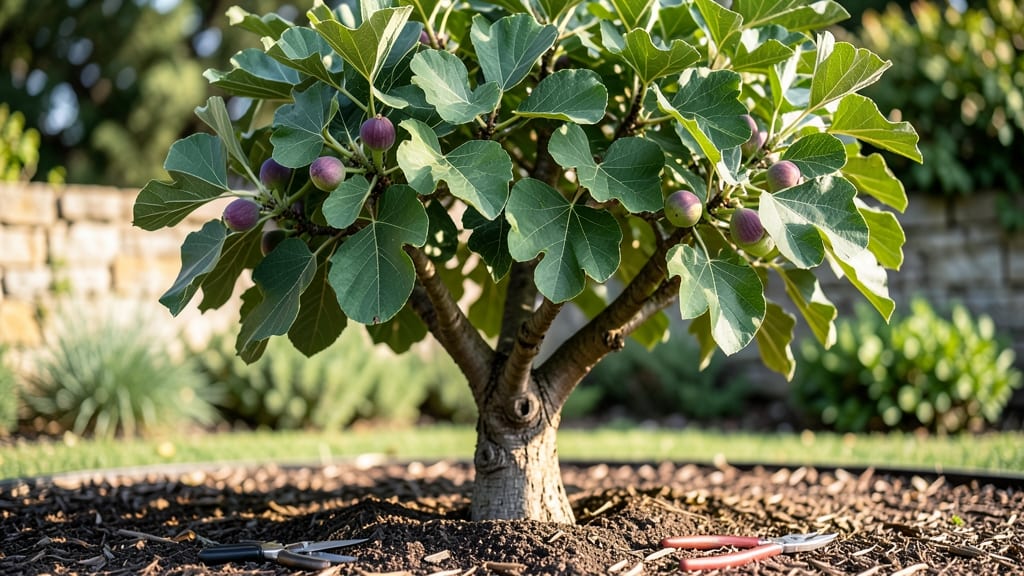
My first taste of the sweet, honeyed fruit from a Miss Figgy fig tree changed how I think about pruning—because this variety doesn’t just produce fruit, it overproduces it. 🌿 The branches groan under the weight of those plump, purple-skinned figs, and without the right cuts, you’ll end up with fewer, bigger fruits instead of a bumper crop.
I learned this the hard way when my first tree nearly snapped under its own bounty.
Here’s the thing—Miss Figgy isn’t like your average fig. It’s a heavy bearer, meaning it sets fruit everywhere along its branches, not just at the tips. That’s why pruning isn’t just about shaping; it’s about balancing fruit load so the tree doesn’t collapse under its own success.
You’ll focus on open-center shaping, thinning out crowded branches, and strategically cutting back to improve airflow—all while keeping enough leafy structure to feed those hungry figs.
By the time summer rolls around, you’ll have a tree that’s stronger, more productive, and easier to harvest from. The fruit will ripen more evenly, the branches won’t sag like overloaded wishbones, and you’ll actually be able to reach every cluster without a ladder.
Plus, the tree’s natural resistance to common fig diseases means less fuss once you get the pruning right.
This method works whether you’re in a warm climate where figs thrive year-round or a cooler zone where winter care becomes part of the equation.
The key is timing—prune in late winter or early spring before new growth kicks in, and you’ll set yourself up for a season of juicy, sun-ripened figs without the drama. Let’s get those shears sharp and start shaping!
📚 In This Guide
- What you need
- Instructions
- Tips and common mistakes
- Wrapping up and next steps
What you need
- ● Pruning shears: Bypass pruners (sharp, clean, and sterilized with rubbing alcohol to prevent disease). Size: 6–8 inches for medium branches.
- ● Loppers: For thicker branches (½–1.5 inches in diameter). Quantity: 1 pair.
- ● Pruning saw: For branches >1.5 inches thick. Type: Curved-tooth saw for clean cuts.
- ● Gloves: Heavy-duty, cut-resistant gloves (fig thorns are no joke!). Bonus: Long sleeves for extra protection.
- ● Disinfectant: 70% isopropyl alcohol or a 10% bleach solution (1 part bleach to 9 parts water) to sterilize tools between cuts.
- ● Rags or paper towels: For wiping tools and hands.
- ○ Marking twine or flags: To tag branches for later reference (optional but helpful for complex pruning).
- ● Ladder or step stool: If your tree is over 6 feet tall. Safety first! Use a stable, non-slip ladder.
- ● Hand pruners: For small, precise cuts (great for shaping).
- ● Sealing wax or pruning paste: To coat larger cuts and prevent disease entry (apply to cuts >½ inch).
- ● Notebook & pen: To sketch your tree’s structure or note pruning decisions.
- ● Water spray bottle: To mist tools and cuts if working in dry conditions (reduces stress on the tree).
Step-by-Step guide for pruning your Miss Figgy fig tree
Here's how to keep your tree thriving with abundant fruit year after year.
☀️ Step 1: Time Your Pruning for Maximum Fruit Production
Prune your Miss Figgy fig tree right after harvest or in late winter/early spring before new growth begins. This timing ensures you remove last year's fruitwood without sacrificing current season yields. Figs set fruit on last year's wood, so pruning too late risks cutting off potential fruit clusters.
Look for dormant branches—they'll appear leafless and slightly grayish. Avoid pruning when the tree is actively flowering or fruiting, as this stresses the plant and can reduce next year's crop. If you missed the winter window, prune in early summer after the first harvest, but expect slightly less vigorous regrowth.
✂️ Step 2: Remove Dead, Diseased, or Crossing Branches First
Start by cutting out any dead, broken, or diseased wood using clean, sharp pruners. These branches won't produce fruit and can harbor pests or diseases that spread to healthy growth. Look for branches with blackened, mushy wood or peeling bark—these are clear signs of trouble.
Next, remove branches that cross or rub against each other. These create wounds that invite infections and weaken the tree's structure. Make your cuts at a 45-degree angle, about ¼ inch above a outward-facing bud. This encourages new growth to sprout in the right direction and reduces water pooling on the cut.
🌿 Step 3: Thin Out Overcrowded Branches for Better Airflow
Figs produce best when they have open, airy canopies. Selectively remove 20-30% of the oldest, thickest branches to improve light penetration and airflow. Focus on branches growing inward or downward—they compete with stronger, outward-facing growth and reduce fruit quality.
When thinning, make cuts just outside the branch collar (the swollen area where the branch meets the trunk). Avoid leaving stubs, as they can rot and invite pests. After each cut, step back to visualize the tree's shape—you want a balanced, vase-like form with sunlight reaching the center.
⏰ Step 4: Shape the Tree for Optimal Fruit Production
Figs respond well to open-center pruning. Aim to create a 3-5 main scaffold branches that spread outward from the trunk. These branches should be 6-12 inches apart and angled slightly upward. Remove any "water sprouts" (fast-growing vertical shoots) that appear in the center—they drain energy from fruit production.
For standard-sized trees, limit the height to 8-10 feet. If your Miss Figgy is espaliered or trained against a wall, prune to maintain the desired shape while keeping branches 6-12 inches apart. Always prune just above a bud that faces the direction you want new growth to go—this ensures the tree maintains its structure.
💧 Step 5: Clean Up and Monitor for New Growth
After pruning, sterilize your tools with rubbing alcohol to prevent spreading disease. Collect and dispose of pruned branches away from the tree to avoid pests. Water the tree deeply within 24 hours to help it recover from the shock of pruning.
Watch for new shoots emerging within 4-6 weeks. These will be your tree's response to the pruning. If you notice any bleeding sap from cuts, don't worry—this is normal for figs and won't harm the tree. Fertilize lightly with a balanced fruit-tree fertilizer in 6 weeks to support the new growth and fruit production.
Tips & tricks for pruning your Miss Figgy fig tree
Here's what I wish I knew when I first pruned my fig tree—these tricks will help you avoid common mistakes and get the most fruit possible.
Timing is Everything: The late winter/early spring window is critical because figs set fruit on last year's wood. If you prune too late, you risk cutting off next year's potential fruit clusters. I've learned the hard way—after pruning too late one year, my tree produced half the usual harvest. Mark your calendar for right after harvest or that late winter window!
Bud Direction Matters: When making cuts in Step 2 and Step 4, always look for outward-facing buds. These are the ones that will grow into strong, fruit-bearing branches. I used to just cut randomly, and my tree ended up with awkward growth patterns. Now I trace each cut back to the bud direction before making the snip—it makes all the difference in your tree's shape.
Visualize the Canopy: After each cut in Step 3, step back and look at your tree's overall shape. You want sunlight to reach the center, not just the outer branches. I keep a small notebook where I sketch my tree's shape before and after pruning. It helps me see what needs adjustment. Think of it like sculpting—you're shaping the tree to maximize fruit production.
Post-Pruning Care: That deep watering within 24 hours is crucial for recovery. I've found that adding a thick layer of mulch around the base (but not touching the trunk) helps retain moisture and keeps roots cool. The 6-week fertilization window is also important—don't rush it. Your tree needs time to establish new growth before you push it with extra nutrients.
Pro Tips for Miss Figgy Fig Tree
- Here's what I wish I knew when I first pruned my fig tree—these tricks will help you avoid common mistakes and get the most fruit possible.
- Timing is Everything: The late winter/early spring window is critical because figs set fruit on last year's wood.
- Bud Direction Matters: When making cuts in Step 2 and Step 4, always look for outward-facing buds.
Frequently asked questions
Got questions about managing your Miss Figgy Fig Tree and its heavy fruit loads? You’re not alone! Pruning can feel tricky, but we’ve got answers to help you keep your tree thriving. Here are some of the most common questions—plus quick fixes to avoid stressing over your fig harvest.
When is the best time to prune my Miss Figgy Fig Tree for fruit production?
The ideal time to prune is late winter or early spring, just before new growth begins (around February–March in most climates). This encourages strong, healthy branches for the upcoming fruiting season. Avoid pruning in fall or during active growth—it can stress the tree and reduce fruit yield. Pro tip: If you must prune outside this window, do it after harvest to avoid disrupting next year’s crop.
How much can I cut back without harming the tree?
For Miss Figgy, aim to remove no more than 25–30% of the tree’s canopy in one session. Over-pruning can shock the tree and reduce fruit production. Focus on thinning out crowded branches (especially those rubbing together) and shaping the tree to improve airflow. If your tree is young or struggling, lighter pruning (10–15%) is safer. Warning: Never remove more than 50% of the branches—this can kill the tree!
Why does my fig tree have so many tiny figs instead of big, juicy ones?
Tiny figs often mean the tree is overloaded with fruit, stretching its resources thin. To fix this, thin out excess figs when they’re the size of a dime—keep only the largest, healthiest ones spaced 6–8 inches apart. Also, ensure your tree gets full sun (6+ hours/day) and well-draining soil. If the tree is young, it may need 1–2 more years to mature before producing large figs.
Can I prune my fig tree in hot or cold weather?
Pruning in extreme heat (above 90°F) or freezing temps (below 40°F) stresses the tree and slows healing. Stick to mild, dry days (50–75°F) for best results. If you live in a hot climate, prune early morning or late afternoon to avoid sun stress. In cold areas, wait until after the last frost to prune—even hardy varieties like Miss Figgy benefit from a gentle touch in spring.
What should I do if my fig tree’s branches look dead after pruning?
Don’t panic! Fig trees can look shocked after pruning, but they often bounce back. If branches are brown, brittle, and hollow, they’re likely dead—cut them off at the base. If they’re green but weak, give the tree time (2–4 weeks) to recover. Improve care by watering deeply but infrequently and fertilizing with citrus-specific fertilizer (figs love slightly acidic soil). Pro tip: Mulch around the base to retain moisture and protect roots.
Wrapping up and next steps
Mastering the art of pruning your Miss Figgy Fig Tree ensures a bountiful harvest while keeping your tree healthy and thriving! 🌿 Remember, timing, technique, and patience are key—whether you're shaping young branches or managing heavy fruit loads.
With the right tools and a little elbow grease, you'll be rewarded with delicious, plump figs for seasons to come.
Ready to take the next step? Start small—pick one section of your tree to practice your cuts, and gradually expand your pruning skills. Happy pruning, and may your fig tree flourish! 🌱