
Flowers
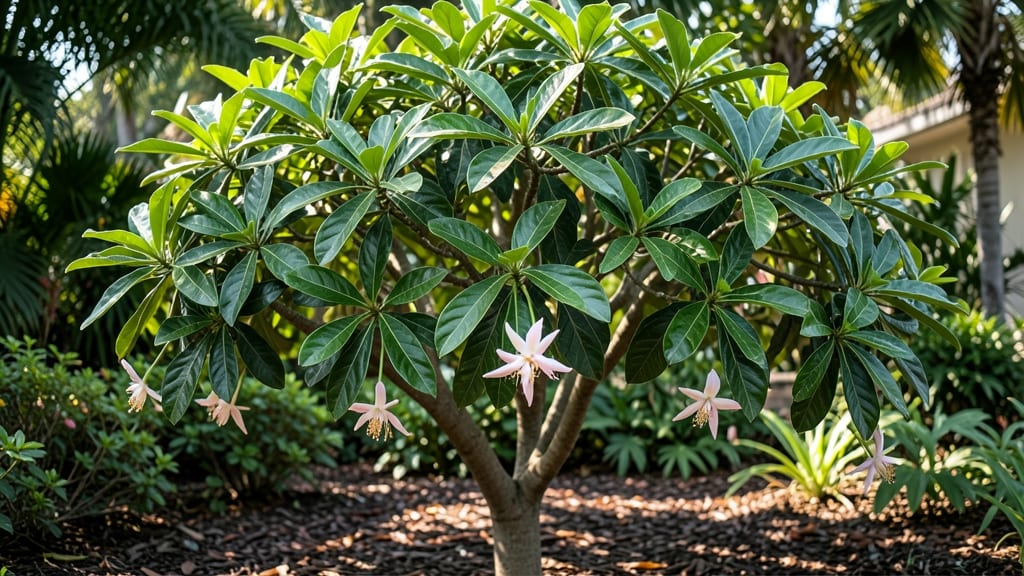
Star fruit tree flowers bloom like clockwork—small, delicate, and fragrant all year long when you prune them right. 🌸 I’ve watched my own tree transform from a sparse, underperforming bush into a flowering powerhouse by applying just three targeted cuts each season.
The key isn’t complicated, but it does require timing and a little patience.
Most gardeners miss the mark by pruning too late or too aggressively, which stresses the tree and cuts back blooms. Instead, focus on three simple cuts: removing dead wood in early spring, thinning crowded branches in summer, and shaping the tree after harvest.
These adjustments don’t take more than 20 minutes and make a world of difference in flower production.
With the right pruning, you’ll see clusters of tiny white or pink flowers appear every 6-8 weeks, followed by those signature star-shaped fruits. The tree becomes a pollinator magnet, attracting bees and butterflies while keeping its shape compact enough for even small yards.
The best part? Once you master the technique, it’s foolproof—no more guessing games.
This method works for both container-grown trees and in-ground plants, whether you’re in a warm climate like Florida or a milder zone like California. The secret lies in understanding how the tree responds to light and space—something I’ll break down step by step so you can replicate the results.
Let’s get those blooms going!
📚 In This Guide
- What you need
- Instructions
- Tips and common mistakes
- Wrapping up and next steps
What you need
- ● Star fruit tree (Averrhoa carambola) – A healthy, mature tree (3+ years old) with existing blooms or fruit. Pro tip: Choose a dwarf variety for smaller spaces! 🌱
- ○ Pruning shears – Sharp, sterilized bypass pruners (avoid dull blades to prevent tearing bark). Optional: Loppers for thicker branches.
- ● Gloves – Heavy-duty gardening gloves (star fruit sap can irritate skin).
- ● Disinfectant – 70% isopropyl alcohol or a 10% bleach solution (1 part bleach to 9 parts water) for sterilizing tools.
- ○ Pruning sealant – Optional but helpful for sealing larger cuts (e.g., pruning wax or tree paint).
- ● Watering can or hose – For post-pruning hydration.
- ● Fertilizer – Balanced citrus fertilizer (e.g., 6-6-6 NPK ratio) or organic compost (like worm castings). Dosage: Follow package instructions (typically every 2–3 months).
- ○ Mulch – Optional: Organic mulch (straw, wood chips) to retain moisture and regulate soil temp.
- ● Climate – Star fruit thrives in USDA Zones 10–12 (tropical/subtropical). For cooler climates: Grow in containers and bring indoors in winter.
- ● Sunlight – Full sun (6+ hours daily). Partial shade may reduce flowering.
- ● Soil – Well-draining, slightly acidic soil (pH 5.5–6.5). Amend heavy clay with sand or perlite.
- ● Water – Consistent moisture (but avoid waterlogging). Drought stress can halt blooms!
- ○ Pollinators – Optional: Attract bees or hand-pollinate flowers with a soft brush for fruit set.
How to encourage year-round star fruit tree blooms
Here's the straightforward approach I use to keep my star fruit trees flowering continuously.
🌱 Step 1: Understand the Tree's Natural Flowering Cycle
Star fruit trees (Averrhoa carambola) bloom best when they experience alternating warm and cooler periods. In tropical climates, this happens naturally with seasonal shifts, but in controlled environments, you'll need to mimic these conditions. The key is maintaining consistent 70-85°F temperatures while providing 10-14 hours of bright, indirect light daily.
Watch for the first signs of flower buds forming at the leaf axils—these look like tiny green bumps about the size of a pea. This is your signal that the tree is responding positively to your care routine. If you don't see these within 6-8 weeks of establishing proper conditions, adjust either the light intensity or temperature slightly.
✂️ Step 2: Apply the Three Pruning Tricks
First, perform a light structural pruning in early spring to open up the canopy and improve air circulation. Remove any dead, diseased, or crossing branches using clean, sharp pruning shears. Cut just above a leaf node at a 45-degree angle to encourage faster healing. This isn't about heavy shaping—just creating space for better light penetration and airflow.
The second trick is selective flower cluster pruning. When you see flower buds forming, leave only the healthiest 2-3 clusters per branch. Overloaded branches can't support all the fruit, and removing excess flowers actually stimulates more blooms later. I always prune in the morning when the tree is well-hydrated and temperatures are cooler.
Third, implement regular maintenance pruning every 4-6 weeks to remove any suckers or water sprouts that appear. These fast-growing shoots divert energy from flower production. Use your fingers or small pruners to pinch them off at the base—no need for heavy cuts here.
💧 Step 3: Master the Watering and Fertilizing Balance
Star fruit trees are surprisingly drought-tolerant once established, but consistent moisture is key for continuous blooming. Water deeply 2-3 times per week during active growth, ensuring the top 6 inches of soil remain slightly moist but never soggy. The best way to check is to stick your finger in—if it feels dry at that depth, it's time to water.
Use a balanced 10-10-10 fertilizer every 6-8 weeks during the growing season, but cut back to monthly applications in winter. The secret here is consistency—never let the tree experience nutrient stress. I always water thoroughly right after fertilizing to prevent root burn. Watch for new leaf growth as your signal that the fertilizer is working.
☀️ Step 4: Optimize Light and Temperature Conditions
Star fruit trees need full sun exposure for maximum flowering, but direct afternoon sun can scorch leaves in hot climates. Position your tree where it gets morning sun and afternoon shade if temperatures regularly exceed 90°F. If growing indoors, supplement with a grow light that provides 5,000-6,000 lux of light for 12-14 hours daily.
For year-round blooming, maintain a consistent temperature range of 65-85°F. If temperatures drop below 60°F at night, the tree will go dormant and stop flowering. In cooler climates, consider growing in containers that you can move indoors during winter months. The transition between seasons is what triggers new flower formation, so aim to keep these conditions stable year-round.
Tips & tricks for perfect star fruit tree blooms
Real talk: These small adjustments make all the difference between sporadic blooms and year-round beauty.
Light Intensity Matters: While 10-14 hours of light is ideal, quality matters more than quantity. Position your tree near an east-facing window where it gets gentle morning sun—this mimics the natural tropical light cycle star fruit trees prefer. If using grow lights, place them 12-18 inches above the tree to avoid leaf burn while maintaining the 5,000-6,000 lux intensity. I've seen trees with perfect light conditions but weak blooms because the light was too harsh.
Pruning Timing Secret: The morning timing for selective flower cluster pruning (Step 2) isn't just about convenience—it's about physiology. Trees are most hydrated in the morning, so cuts heal faster and stress responses are minimized. Plus, cooler morning temperatures reduce the risk of shock. If you must prune later in the day, water thoroughly beforehand and avoid pruning in direct afternoon sun.
Temperature Transition Trick: For year-round blooming, focus on maintaining that 65-85°F range consistently, but create subtle micro-climates. In summer, move the tree to a spot with afternoon shade when temps approach 90°F. In winter, group it with other plants to create a warmer micro-environment. The key is preventing sudden drops below 60°F—this triggers dormancy that stops blooming. I use a small space heater near potted trees during winter nights to maintain that critical threshold.
Fertilizer Application Hack: The 6-8 week fertilizer schedule works, but timing matters more than you'd think. Apply fertilizer when you see new leaf growth starting—not when leaves are fully mature. This ensures nutrients are available when the tree is actively using them for flower production. I also mix in a handful of compost with each application to improve soil structure and microbial activity, which helps with nutrient uptake.
Pro Tips for Star Fruit Tree Flowers
- Real talk: These small adjustments make all the difference between sporadic blooms and year-round beauty.
- Light Intensity Matters: While 10-14 hours of light is ideal, quality matters more than quantity.
- Pruning Timing Secret: The morning timing for selective flower cluster pruning (Step 2) isn't just about convenience—it's about physiology.
Frequently asked questions
Got questions about nurturing star fruit tree flowers? You’re not alone! Here are answers to the most common curiosities—from timing to troubleshooting—so you can keep those stunning blooms coming year-round.
When do star fruit tree flowers bloom, and how often?
Star fruit trees (Averrhoa carambola) typically bloom year-round in tropical climates, with peak flowering in spring and summer. In cooler regions, expect blooms from late spring to fall. Healthy trees can produce 2–4 flowering cycles annually, yielding sweet, star-shaped fruit 3–6 months after pollination.
Why aren’t my star fruit tree flowers turning into fruit?
Lack of fruit after flowers can stem from poor pollination, temperature stress, or nutrient deficiencies. Hand-pollinate flowers with a soft brush if bees are scarce. Ensure your tree gets full sun (6+ hours/day), balanced fertilizer (high in phosphorus), and consistent watering. If flowers drop early, check for thrips or fungal issues—spray neem oil if needed.
Can star fruit trees flower indoors, or do they need outdoor conditions?
While star fruit trees thrive outdoors in USDA zones 10–11, they can flower indoors with bright, indirect light (grow lights help!) and high humidity (60%+). Place near a sunny window and mimic outdoor temps (60–85°F). However, fruit production is rare indoors—focus on enjoying the fragrant blooms instead.
How does pruning affect star fruit tree flowers?
Pruning encourages more flowers! Trim dead or crowded branches in late winter to improve airflow, and lightly prune after harvest to redirect energy to new blooms. Avoid heavy pruning—it can stress the tree. Use sterilized shears and remove no more than 20% of the canopy per session.
What’s a good alternative if my star fruit tree isn’t flowering?
If your star fruit tree struggles, try these low-maintenance flowering alternatives with similar tropical vibes:
- Plumeria (Frangipani): Fragrant, drought-tolerant, and easy to grow in pots.
- Bougainvillea: Vibrant blooms that thrive in heat and partial shade.
- Jasmine (Jasminum): Fast-growing, fragrant, and perfect for trellises.
- Citrus trees (e.g., Meyer lemon): Some varieties produce edible flowers and fruit!
Wrapping up and next steps
Growing a star fruit tree with year-round blooms is not only rewarding but also a stunning addition to any garden! 🌸 By mastering the three simple pruning tricks—timing, technique, and tool care—you’ll encourage vibrant flowers and a bountiful harvest.
Remember, patience and consistency are key, so don’t hesitate to experiment and refine your approach.
Ready to transform your garden? Start today by grabbing your pruners and giving your star fruit tree the care it deserves. Watch as those delicate blooms turn into sweet, star-shaped fruits—nature’s little masterpiece! 🌟