
Pruning
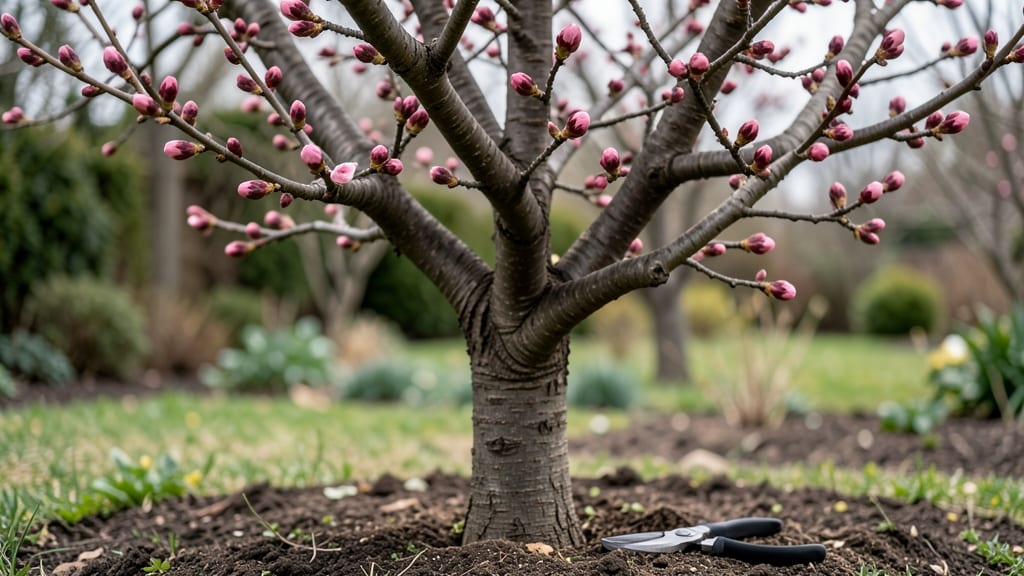
Peach tree flower buds are the secret to your tree’s bountiful harvest, and I’ve learned the hard way that pruning them right makes all the difference.
Last spring, my tree bloomed late—then a surprise frost wiped out half the flowers, leaving me with a handful of peaches instead of a bushel. That’s when I discovered the three key trims that turn weak buds into a florist’s dream of pink blossoms.
First, you’ll need to spot those tiny buds—they look like fuzzy, reddish-brown knobs along last year’s wood, appearing in late winter. The magic happens when you prune in three stages: dormant season to open the canopy, late winter to shape the structure, and post-bloom to encourage next year’s buds.
It’s not about cutting wildly; it’s about giving the tree room to breathe so sunlight reaches every bud. My tree now flowers reliably, and the peaches? Jewel-toned and sweet, not the mealy store-bought kind.
But here’s the catch: frost is the silent killer. Wrap young trees in frost cloth when buds swell, and avoid heavy nitrogen fertilizer—it pushes leafy growth at the expense of flowers. Even with perfect care, some buds will drop, but a well-pruned tree replaces them tenfold.
By summer’s end, you’ll have a tree so loaded with buds it looks like a living peach-colored cloud, ready to fruit next year.
This method works for both young trees and mature ones, though older trees need gentler trims. The key is patience—buds take time to form, and rushing leads to disappointment.
Start now, and by next spring, your peach tree will be the showstopper of the neighborhood. Let’s get those shears sharp and those buds thriving!
📚 In This Guide
- What you need
- Instructions
- Tips and common mistakes
- Wrapping up and next steps
What you need
- ● Pruning shears (bypass type): Sharp, clean, and capable of cutting ¼-inch branches (1 pair).
- ● Loppers (for thicker branches): 8-10 inch blades, bypass style (1 pair).
- ● Pruning saw (for large limbs): Curved blade, 10-12 inches long (1 saw).
- ● Disinfectant (70% isopropyl alcohol or bleach solution): 1 part bleach to 9 parts water (small spray bottle).
- ● Garden gloves: Cut-resistant, durable material (1 pair).
- ● Heavy-duty trash bags: For collecting pruned branches (2-3 bags).
- ● Permanent marker: For labeling tools or marking cuts (1).
- ● Hand pruners with a bypass loop: For precision on small buds (1 pair).
- ○ Tree wound dressing: Optional for sealing larger cuts (1 small container).
- ● Ladder or step stool: For reaching higher branches safely (1).
- ● Notebook & pencil: To sketch your tree’s structure before trimming (1).
- ● Sunscreen & hat: For outdoor comfort (as needed).
Instructions: reviving your peach tree's flower buds
Here's my straightforward approach to coaxing vibrant blooms from your peach tree this spring.
Perform the Dormant Season Trim
Start your peach tree's bloom revival by pruning during late winter while the tree remains dormant. This is the time to remove any dead, diseased, or crossing branches that could hinder new growth. Use sharp, clean pruning shears to make cuts just outside the branch collar where the branch meets the trunk.
Focus on opening up the center of the tree to improve air circulation and sunlight penetration. You'll see a noticeable difference in how light reaches the inner branches after this step. Aim to remove about 20-30% of the tree's total volume—this ensures you're not over-pruning, which can stress the tree and reduce flowering potential.
Encourage Flower Bud Formation with Summer Pruning
After the initial bloom and fruit set, perform a second pruning in early summer to shape the tree and encourage next year's flower buds. Remove any suckers growing from the base of the tree and thin out crowded branches to allow better airflow. This step is crucial for preventing fungal diseases that can weaken flower buds.
Pay close attention to the tree's growth pattern—you'll notice new shoots emerging from the sides of branches. These lateral branches are where next year's flower buds will form. Prune back these new shoots to about 6-8 inches to promote bushier growth and more flower buds. Avoid heavy pruning at this stage, as it can reduce fruit production for the current season.
Late Summer Bloom Revival Pruning
In late summer, perform a final light pruning to remove any dead or diseased wood and to thin out overly dense areas. This final trim helps the tree focus its energy on developing strong flower buds for the following spring. Use your pruning shears to make clean cuts just above a leaf bud or branch collar.
Look for any branches that are rubbing against each other or growing inward—they'll compete for sunlight and resources. Removing these now ensures your peach tree will have ample energy to produce abundant flower buds. After this pruning, give your tree a deep watering to help it recover and prepare for winter dormancy.
Post-Pruning Care for Healthy Buds
After completing all three pruning sessions, focus on maintaining your peach tree's health to ensure strong flower bud development. Apply a balanced fertilizer in early spring to provide essential nutrients, and mulch around the base of the tree to retain moisture and regulate soil temperature.
Monitor your tree regularly for signs of pests or diseases, especially during the growing season. Healthy trees produce more robust flower buds, so addressing any issues promptly will pay off in better blooms next spring. Keep an eye out for new growth and flower buds forming along the branches—this is your sign that the pruning efforts are working.
Tips & tricks for perfect peach tree flower bud revival
Here's what I've learned from years of working with peach trees—these small details make all the difference in getting those vibrant spring blooms.
Timing is Everything: The late winter dormant season trim in Step 1 is your foundation. If you prune too early, you risk encouraging new growth that can't survive winter's cold. Wait until you've had at least three consecutive days below freezing—this signals true dormancy. I've seen trees stressed by premature pruning fail to produce buds the following spring.
Pruning Precision: When you're cutting those new summer shoots back to 6-8 inches in Step 2, make your cuts just above a leaf bud or branch collar. This is where new growth will emerge, and it's crucial for next year's flower buds. I've made the mistake of cutting too close to the trunk—it takes longer for new buds to form, and you can actually damage the tree's vascular system.
Healthy Buds Start with Clean Tools: Always sterilize your pruning shears between cuts using rubbing alcohol. I learned this the hard way after seeing fungal infections spread through my trees. Clean tools prevent disease transmission that can weaken flower buds. You'll notice healthier growth and more robust blooms when you maintain this simple habit.
Pro Tips for Peach Tree Flower Buds
- Here's what I've learned from years of working with peach trees—these small details make all the difference in getting those vibrant spring blooms.
- Timing is Everything: The late winter dormant season trim in Step 1 is your foundation.
- Pruning Precision: When you're cutting those new summer shoots back to 6-8 inches in Step 2, make your cuts just above a leaf bud or branch collar.
Frequently asked questions
Got questions about peach tree flower buds?
You’re not alone! Here are some of the most common queries—and their answers—to help you master spring blooms with confidence.
When should I prune peach tree flower buds for best blooms?
Prune after the tree finishes blooming (late spring) but before new growth hardens (early summer). This timing ensures you remove spent buds while preserving energy for fruit production. Avoid pruning in fall or winter—it can stimulate late growth vulnerable to frost damage.
Why aren’t my peach tree flower buds opening this spring?
Bud failure often stems from late frost, over-pruning, or disease (like bacterial spot). Check for blackened buds or wilting leaves. If frost hit early blooms, wait 2–3 weeks before assessing damage. For recurring issues, improve airflow with proper pruning and apply copper fungicide preventatively.
Can I prune flower buds in summer to encourage more blooms next year?
No—summer pruning reduces next year’s blooms. Peach trees set flower buds in late summer/fall based on current growth. Focus on light shaping trims in late spring/early summer to remove only dead or crossing branches. Save heavy pruning for dormant season (winter).
Are there alternatives to pruning for encouraging peach tree blooms?
Yes! Pair pruning with these tips:
- Fertilize in early spring with low-nitrogen, high-phosphorus fertilizer (e.g., 5-10-10) to boost flower production.
- Water deeply during bud formation (late summer) to prevent stress.
- Avoid over-thinning—peach trees need some dense canopies for bud development.
What pests or diseases attack peach tree flower buds?
Watch for:
- Peach tree borers (sawdust-like frass near buds).
- Scale insects (sticky residue on buds).
- Fungal diseases (e.g., brown rot—gray mold on buds).
Wrapping up and next steps
Peach tree flower buds are the promise of a bountiful harvest, and with the right pruning techniques, you can ensure your tree thrives! By mastering the 3 key trims—dormant-season shaping, late-winter thinning, and post-bloom cleanup—you’ll boost airflow, sunlight, and fruit production while keeping pests at bay. 🌸
Now that you’re armed with knowledge, grab those pruners and give your peach tree the care it deserves. Start with a quick assessment of last year’s growth, then follow the steps to revive those flower buds and set the stage for a sweet, fruitful summer.
Happy pruning—your future peach pies will thank you! 🍑✨