
Pruning
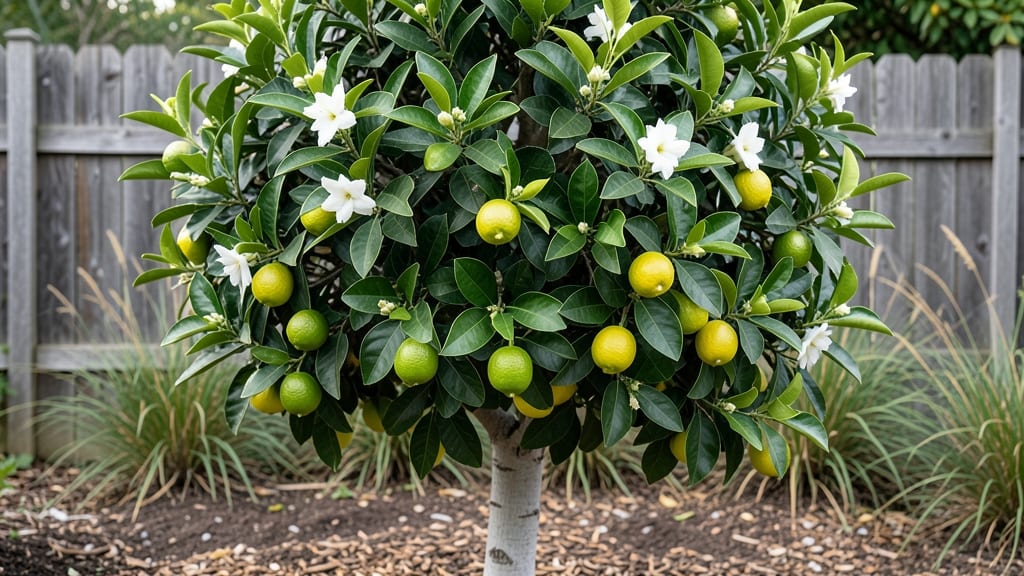
Growing a Meyer lemon tree that bears fruit all year starts with three simple pruning cuts—and trust me, I’ve turned my bare-limbed tree into a lush, lemon-producing machine using this exact method. The secret isn’t complicated: it’s timing, shape, and knowing which branches to encourage.
My first tree took two years to fruit, but after mastering these cuts, it’s now heavy with lemons by late spring.
You’ll need sharp pruners, a ladder (if your tree’s tall), and a sunny spot with well-draining soil—whether that’s a pot or the ground. Meyer lemons thrive in zones 9-11 but can live indoors in colder climates with enough light.
The key is pruning after harvest to shape the tree while it’s still growing, and avoiding winter cuts when the tree’s dormant. Even my black thumb can’t kill these with basic care.
What you’ll end up with is a tree that looks like a tropical postcard year-round, dripping with bright, fragrant lemons by midsummer. The first harvest is always a thrill—nothing beats fresh Meyer lemons in tea or baked goods.
And here’s the best part: once you nail the cuts, your tree will fruit earlier and heavier every season. Let’s get started with the exact steps that work.
This method works for both outdoor trees and container-grown ones, so whether you’ve got a backyard or a sunny windowsill, you can grow your own lemons. The only real mistake is waiting—your tree’s already thinking about next year’s fruit while you’re reading this.
📚 In This Guide
- What you need
- Instructions
- Tips and common mistakes
- Wrapping up and next steps
What you need
- ● Pruning shears: Bypass pruners (sharp, sterilized) for small branches (1/4"–3/4" diameter). Example: Felco F-2 or Corona Tools.
- ● Loppers: For medium branches (3/4"–2" diameter). Look for ratcheting or bypass types for precision.
- ● Pruning saw: For thick branches (>2" diameter). A bow saw or pruning saw with a fine-tooth blade works best.
- ● Disinfectant: 70% isopropyl alcohol or a bleach solution (1 part bleach to 9 parts water) to sterilize tools between cuts.
- ● Gloves: Heavy-duty gardening gloves (nitrile-coated for grip and protection).
- ● Rubbing alcohol or hydrogen peroxide: For cleaning wounds on the tree (3% solution).
- ○ Pruning sealant (optional but helpful): Tree wound dressing (like Tanglefoot Tree Wound Pruning Sealer) for cuts larger than 1/2".
- ● Bucket or bag: For collecting trimmings (compostable or lined for disposal).
- ● Extension pole: For hard-to-reach branches (10–12 ft).
- ● Ladder: Sturdy, non-slip ladder for taller trees (ensure it’s rated for your height + 2 ft).
- ● Sharpener: A file or sharpening stone to maintain blade sharpness.
- ● Notebook & pen: To jot down notes on cuts or tree health observations.
- ● Water spray bottle: For misting cuts post-pruning (helps with healing).
- ● Safety glasses: Protect your eyes from debris.
How to prune a Meyer lemon tree for maximum fruit production
Three simple cuts keep your Meyer lemon tree lush, productive, and healthy all year.
Perform the Winter Structural Pruning
Begin in late winter—just as new growth starts to swell—when the tree is still dormant. This is the only time to remove large branches, as wounds heal best when the tree isn’t actively growing. Focus on removing any dead, crossing, or inward-growing branches first. These compete for energy and block sunlight from reaching the fruit.
Next, cut back any branches that are growing toward the center of the tree. You’ll see them as thin, leggy stems pointing inward. Use clean, sharp pruning shears to make cuts at a 45-degree angle, about ¼ inch above an outward-facing bud. This encourages new growth to spread outward, improving air circulation and sunlight penetration.
Here’s the thing—don’t remove more than 25% of the tree’s foliage in one season. You’ll stress the tree, and it may drop its fruit. If your tree is young, limit cuts to just the structural shaping. Mature trees can handle a little more, but always err on the side of caution.
Light Summer Maintenance Pruning
Mid-summer is the time for light maintenance—think of it as a quick trim to keep the tree tidy and productive. Remove any suckers (those small shoots growing at the base of the tree or along the trunk). These steal energy from fruit production. Snip them off at the base with clean shears.
Next, look for any branches that are rubbing against each other or growing too close together. These will eventually damage each other as they thicken. Cut one of the two branches back to a bud, making sure to leave the stronger, healthier branch. You’ll know it’s the right choice if the remaining branch has a thicker stem and more leaves.
Water the tree deeply after pruning—this helps it recover faster. If you notice any small branches with yellowing leaves, that’s a sign of over-pruning. Hold off on more cuts until the tree shows new growth.
Post-Harvest Pruning for Next Year’s Fruit
After you’ve harvested your lemons in late fall or early winter, take a moment to assess the tree’s shape and health. Remove any branches that bore fruit but are now weak or dying. These are easy to spot—they’ll have bare stems or sparse foliage. Cut them back to a healthy bud or remove them entirely if they’re small.
Now, focus on thinning out any overly dense areas. You want sunlight and air to reach every part of the tree, especially where fruit is forming. If you see clusters of branches growing too tightly together, prune the smallest or weakest one. This ensures the remaining branches get enough light and nutrients to produce strong fruit next season.
This is also the time to shape the tree for better fruit access. If branches are growing too high or too close to the trunk, trim them back to encourage growth at a more manageable height. A well-shaped tree makes harvesting easier and reduces the risk of breaking branches under the weight of fruit.
Tips & tricks for pruning a Meyer lemon tree
Let me share the insights I've picked up after years of working with these delicate citrus trees—these details make all the difference between a healthy, fruit-bearing tree and one that struggles.
Timing is Everything: Late winter is your only window for major structural pruning because that's when the tree's defenses are strongest. I've seen people try to prune in spring or fall, and their trees always took longer to recover. The tree needs to be dormant to heal properly—this is why you'll notice fresh cuts looking rough in spring but perfectly sealed by summer.
The 25% Rule: Never remove more than 25% of the foliage in one season, especially for young trees. I learned this the hard way after over-pruning a 3-year-old tree and watching it drop all its blossoms. Mature trees can handle slightly more, but always err on the side of caution. Think of it like giving your tree a haircut—you wouldn't shave someone's head in one visit!
Bud Direction Matters: When making your 45-degree cuts, always look for that outward-facing bud about ¼ inch above your cut. This ensures new growth will spread outward rather than inward. I've made the mistake of cutting too close to buds, and those branches grew right back into the center where they block sunlight. Take your time—this is where the magic happens for better air circulation and fruit access.
Post-Pruning Care: After any significant pruning, give your tree a deep watering to help it recover. I've noticed that trees pruned in summer (when they're actively growing) benefit most from this extra hydration. Also, keep an eye out for yellowing leaves—they're a clear sign you've over-pruned. If you see this, hold off on more cuts until you see new growth.
Pro Tips for Meyer Lemon Tree
- Let me share the insights I've picked up after years of working with these delicate citrus trees—these details make all the difference between a healthy, fruit-bearing tree and one that struggles.
- Timing is Everything: Late winter is your only window for major structural pruning because that's when the tree's defenses are strongest.
- The 25% Rule: Never remove more than 25% of the foliage in one season, especially for young trees.
Frequently asked questions
Got questions about your Meyer lemon tree?
You’re not alone! Whether you’re a first-time grower or a seasoned citrus enthusiast, these answers will help you keep your tree thriving—and loaded with sweet, juicy fruit.
How often should I prune my Meyer lemon tree for maximum fruit?
Prune your Meyer lemon tree 3 times a year: lightly in early spring (to encourage new growth), heavily in late winter (before buds swell), and lightly after harvest (to shape and remove dead wood). Focus on 3 strategic cuts—removing suckers, thinning dense branches, and shaping for airflow—to boost fruit production. Avoid over-pruning!
When is the best time to prune for sweetest lemons?
The ideal window is late winter to early spring (just before new growth starts). This timing ensures your tree directs energy into flowering and fruiting instead of leafy growth. If you live in a warm climate, prune in January–February; cooler zones can wait until March–April. Avoid pruning in summer or fall—it can stress the tree.
What if my Meyer lemon tree isn’t fruiting after pruning?
Try these fixes:
- Check light: Meyer lemons need 6+ hours of sunlight daily. Move it to a sunnier spot if indoors.
- Adjust fertilizer: Use a citrus-specific fertilizer high in nitrogen early in the season, then switch to one with more phosphorus/potassium for blooms/fruit.
- Hand-pollinate: Gently shake branches or use a small brush to transfer pollen if bees are scarce.
- Be patient: Young trees (<3 years) may take time to fruit. Older trees might need a harder prune to stimulate growth.
Can I prune a Meyer lemon tree too much?
Yes! Over-pruning can stress the tree, reduce fruit, or even kill it. Never remove more than 1/3 of the canopy in one session. Focus on selective cuts—target dead, crossing, or overcrowded branches—and avoid cutting into the main trunk or large limbs. If your tree looks skeletal, prune less aggressively next time.
What’s the difference between pruning a Meyer lemon and a regular lemon tree?
Meyer lemons are more forgiving and grow faster than standard lemons, so they benefit from lighter, more frequent pruning. While both need airflow and sunlight, Meyer lemons tolerate softer shaping (they’re less prone to disease). Regular lemons may need stricter pruning to prevent pests. Always use sterilized tools for both to avoid spreading disease!
Wrapping up and next steps
Growing a thriving Meyer lemon tree is all about understanding its needs—and pruning is your secret weapon! 🌿 With the right cuts at the right time, you’ll unlock year-round fruit loads while keeping your tree healthy and lush.
Remember, timing, technique, and consistency are key, so don’t hesitate to roll up your sleeves and get hands-on.
Ready to take the next step? Start by scheduling your first pruning session in early spring—your tree (and future harvest) will thank you! 🍋✨