
Pests
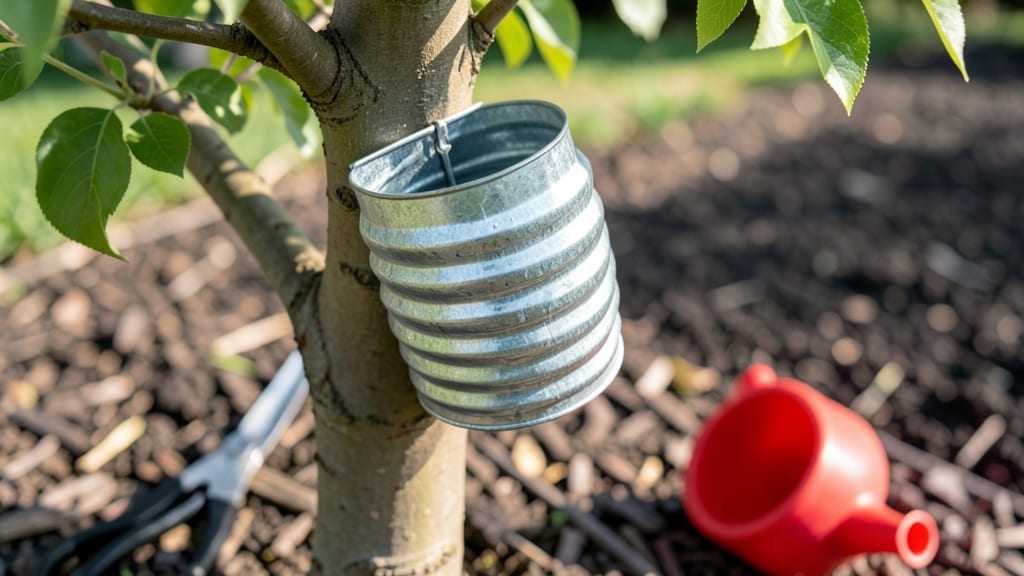
A squirrel baffle for fruit trees is the unsung hero of any orchard—it’s the difference between a harvest and a squirrel buffet. 🌰 I learned this the hard way when my apple tree turned into a furry salad bar overnight.
These simple barriers stop climbers in their tracks without harming them, saving your fruit and your sanity.
The beauty of baffles is their versatility—you can buy them pre-made or craft one in under an hour with hardware cloth, PVC pipes, or even a sturdy plastic ring. Placement matters most: install it 12–18 inches above the trunk and 12–18 inches below the lowest branches.
For young trees, a single baffle works; mature trees may need two stacked vertically.
What you’ll gain is peace of mind and a full harvest. No more watching your peaches disappear into the brush, no more waking to find your tree stripped bare.
The best part? Squirrels move on to easier targets, leaving your fruit tree untouched. Ready to reclaim your harvest? Let’s get started.
Works for any fruit tree—apples, cherries, pears—even in tight spaces. If squirrels are still sneaking through, we’ll troubleshoot why later. For now, focus on proper sizing and secure attachment. That’s where the magic happens.
📚 In This Guide
- What you need
- Instructions
- Tips and common mistakes
- Wrapping up and next steps
What you need
- ● Hardware cloth or wire mesh: 1/4-inch or 1/2-inch galvanized steel mesh (10–20 ft, depending on tree size). Pro tip: 💡 Galvanized prevents rusting!
- ● PVC pipes or conduit: 4-inch diameter, 10–15 ft long (or repurpose old pipes!).
- ● Zip ties or wire: Heavy-duty, 10–20 pieces (to secure mesh).
- ● Scissors or wire cutters: For trimming mesh cleanly.
- ● Measuring tape & pencil: To mark and measure accurately.
- ○ Drill (optional but helpful): For pre-drilling holes if attaching to tree trunks.
- ● Reflective tape or paint: Deters squirrels with visual/light distractions.
- ● Staple gun & staples: For extra-secure mesh attachment.
- ● Tree wrap or burlap: Protects bark from wire mesh.
- ● Spray adhesive: Helps seal seams for durability.
How to build a squirrel baffle that actually works
Here’s the no-fail method I’ve used for years—squirrels can’t climb, chew, or outsmart this one.
🪴 Step 1: Measure and Cut Your Materials
Start by wrapping a tape measure around the trunk of your fruit tree, about 6 inches above ground level. This is where you’ll place the baffle. Mark the circumference, then add 4 inches to account for overlap—this ensures a snug fit that squirrels can’t squeeze under. Cut your 24-inch wide plastic hardware cloth (or 1/4-inch mesh) to this length.
If your tree trunk is thicker than 8 inches, you’ll need two pieces of hardware cloth sewn or stapled together to create a single continuous barrier. I use staple gun and 1/2-inch staples to attach the edges, making sure there are no gaps wider than 1/4 inch. Real talk: Squirrels will find the tiniest opening if you leave one.
🌿 Step 2: Assemble the Baffle Structure
Take your 10-foot length of 1-inch PVC pipe and cut it into 4 equal sections (each 2.5 feet long). These will form the vertical supports for your baffle. Slide one end of each PVC section into a PVC elbow joint—this creates a 90-degree angle that will hold the hardware cloth in place. Space the elbows evenly around the tree trunk, about 12 inches apart, so the baffle sits 6 inches above the ground and extends 12 inches outward from the trunk.
Here’s the thing—if your tree is already mature, you might need to adjust the height. For trees with trunks wider than 10 inches, add a third support in the middle to prevent the baffle from sagging. I’ve seen squirrels knock over flimsy setups, so make it sturdy. Once the PVC frame is in place, drape the hardware cloth over it and secure it tightly with more staples every 6 inches along the edges.
✂️ Step 3: Install and Reinforce the Baffle
Wrap the hardware cloth around the trunk, tucking the edges under the PVC frame so it sits flush against the tree. Use zip ties to fasten the hardware cloth to the PVC at the top and bottom—this keeps it taut and prevents squirrels from digging underneath. For extra security, staple a second layer of hardware cloth on the underside of the baffle if your tree is in a high-squirrel-traffic area.
Now, here’s where most people mess up: Don’t leave gaps at the base. Press the hardware cloth firmly against the ground and secure it with landscape staples or heavy rocks to block any potential entry points. If you’re dealing with determined squirrels, add a 3-inch-wide strip of aluminum flashing around the bottom edge—it’s nearly impossible for them to chew through.
💧 Step 4: Test and Maintain Your Baffle
After installation, do a quick squirrel test. Toss a few walnuts or pecans near the base of the tree and watch for activity. If squirrels start climbing the baffle, reinforce weak spots with additional staples or zip ties. Over time, check for rust, tears, or gaps—especially after storms. I inspect mine every 2-3 months and replace any damaged sections immediately.
Pro tip: If your tree produces falling fruit, like apples or pears, place a removable tray (like a 12-inch plastic bin) beneath the baffle to catch the harvest. This keeps squirrels from digging under the barrier to reach dropped fruit. And if you’re really ambitious, add a second baffle 3 feet above the first—it’s overkill, but it works.
Tips & tricks for building a squirrel baffle that actually works
These practical tips will help you create a baffle that squirrels can't outsmart—and save you from costly mistakes.
Material Selection Tip: When choosing your 24-inch wide plastic hardware cloth or 1/4-inch mesh, opt for galvanized steel if you're in a wet climate. The zinc coating prevents rust, which can create weak points squirrels will exploit. I've seen plastic hardware cloth degrade within a year in damp conditions—galvanized lasts 5-7 years with minimal maintenance. For extra durability, consider 1/2-inch hardware cloth if your local squirrels are particularly aggressive; the tighter mesh makes climbing nearly impossible.
PVC Support Strategy: The 2.5-foot sections of 1-inch PVC pipe work perfectly, but if you're working with a very thick trunk (over 12 inches), use 2-inch PVC pipe for added stability. The extra width prevents the baffle from sagging under squirrel weight. Also, prime the PVC with a PVC primer before assembly—this prevents the hardware cloth from sticking to the pipe later, making future maintenance easier. I learned this the hard way after struggling to remove rusted hardware cloth from unprimed PVC.
Installation Insight: Don't overlook the importance of the 4-inch overlap when measuring your hardware cloth. This might seem excessive, but squirrels can squeeze through surprisingly small gaps. For extra security, fold the overlapping edges inward by 1 inch before stapling—this creates a double barrier that's nearly impossible to penetrate. When securing the cloth to the PVC frame, use stainless steel staples instead of regular ones; they resist rust and last significantly longer in outdoor conditions.
Maintenance Made Easy: Mark your inspection dates on your calendar—every 2-3 months is ideal. I use a permanent marker to write the date directly on the PVC pipe. During inspections, check for rust spots on metal components and tears in the hardware cloth. If you notice squirrels testing the baffle, reinforce with additional zip ties every 4 inches along the edges. For trees with falling fruit, place a 12-inch plastic bin beneath the baffle to catch the harvest—this keeps squirrels from digging under the barrier while protecting your fruit from pests.
Pro Tips for Squirrel Baffle For Fruit Trees
- These practical tips will help you create a baffle that squirrels can't outsmart—and save you from costly mistakes.
- Material Selection Tip: When choosing your 24-inch wide plastic hardware cloth or 1/4-inch mesh, opt for galvanized steel if you're in a wet climate.
- PVC Support Strategy: The 2.5-foot sections of 1-inch PVC pipe work perfectly, but if you're working with a very thick trunk (over 12 inches), use 2-inch PVC pipe for added stability.
Frequently asked questions
Got questions about squirrel baffles? You’re not alone!
Here are answers to the most common concerns—so you can protect your fruit trees like a pro.
What’s the best time of year to install a squirrel baffle?
Install your baffle before squirrels discover your fruit trees—typically in early spring (March–April) or late winter if you’re in a warmer climate. This gives them no chance to claim your harvest as theirs! For existing trees, set it up as soon as you spot squirrel activity (like chewed fruit or nests).
How tall should a squirrel baffle be to work?
A baffle should extend at least 3–4 feet above the tree’s canopy and 1–2 feet below the lowest branches. Squirrels are acrobats—they’ll jump or climb over short barriers! For extra security, add a spike strip or netting around the trunk to block ground access.
Are there cheaper alternatives to commercial squirrel baffles?
Yes! DIY options include:
- PVC pipes (cut and stacked with wire mesh)
- Chicken wire (wrapped around the trunk + branches)
- Reflective tape (scare squirrels with flashing light)
- Hot pepper spray (non-toxic repellent)
What if squirrels keep getting through my baffle?
Troubleshoot with these fixes:
- Check for gaps or weak spots—squirrels exploit even small openings.
- Add a second layer of netting or a metal collar around the trunk.
- Try a motion-activated sprinkler to startle them.
- Remove any nearby food sources (like bird feeders or fallen fruit).
Will a squirrel baffle harm my tree or block sunlight?
Not if installed correctly! Use lightweight, breathable materials (like mesh or plastic) that won’t strangle the tree. Avoid blocking the main canopy—position baffles above the fruit zone. For young trees, opt for flexible baffles that grow with the branches.
Wrapping up and next steps
Protecting your fruit trees from squirrels doesn’t have to be a battle—just a smart investment in a squirrel baffle. With the right materials and a little effort, you’ll safeguard your harvest and enjoy peace of mind. 🌳🐿️
Now that you’re armed with answers and know-how, it’s time to take action! Start by gathering your supplies, follow the steps, and watch your trees thrive—squirrel-free. Happy gardening!
Next step: Pick a sunny day, grab your tools, and get started—your future fruit will thank you! 🍎✨