
Pruning
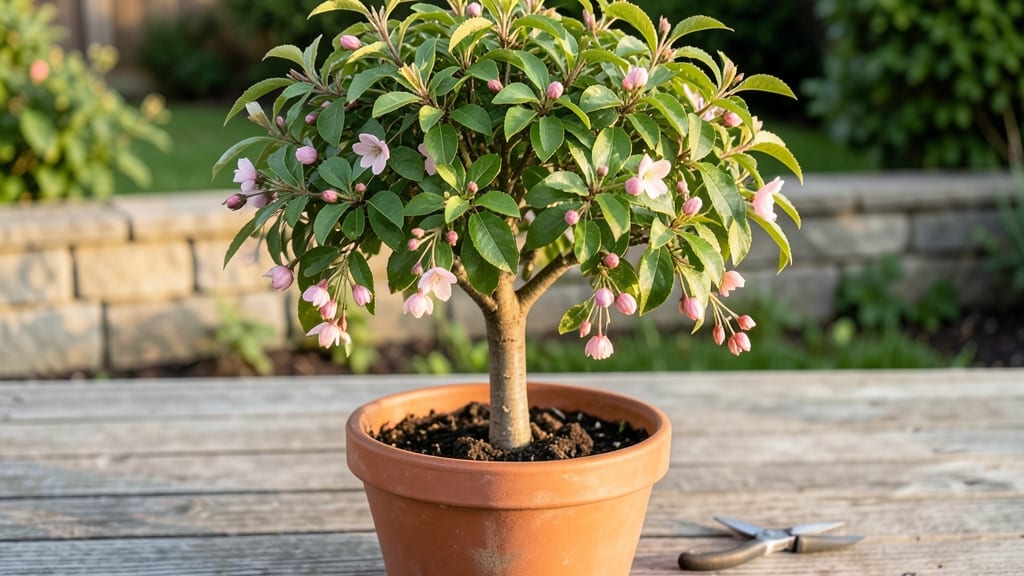
A porch peach tree loaded with fruit all year? It’s possible—and I’ve done it with just a 5-gallon container and three simple pruning cuts. The key isn’t fancy equipment; it’s knowing when to trim, how to protect from frost, and which dwarf varieties thrive in pots.
My first attempt nearly froze in winter, but after tweaking the setup, I now harvest peaches from late summer through fall.
You’ll need a sunny spot (at least 6 hours a day), well-draining soil mix, and a container with drainage. Dwarf varieties like ‘Bonanza’ or ‘Bonanza Red’ stay small enough for patios, and their branches are sturdy enough to support fruit.
The real game-changer? Three seasonal prunes: one in late winter to shape the tree, another after harvest to encourage new growth, and a light trim in early summer to keep it open for airflow.
By mid-summer, you’ll watch tiny blossoms turn into sweet, juicy peaches—right outside your door. The fruit ripens faster in containers because the roots stay warm, and the tree’s compact size makes harvesting a breeze.
Just be ready to move it indoors or under a tarp when frost threatens. With the right care, your porch peach tree will outproduce any in-ground tree twice its size.
This method works for balconies, rooftops, or even large windowsills—anywhere you can drag a container. The only downside? You’ll need to pollinate by hand if bees don’t visit (just use a paintbrush).
Trust me, the first time you bite into a peach you grew yourself, you’ll forget it was ever a challenge.
📚 In This Guide
- What you need
- Instructions
- Tips and common mistakes
- Wrapping up and next steps
What you need
- ● Porch peach tree: Choose a dwarf variety (e.g., Bonanza or Redhaven) for small spaces. Ensure it’s disease-resistant (e.g., Freedom or Reliance varieties).
- ● Planting hole: Dig a hole twice as wide and just as deep as the root ball. Amend soil with compost (5–10 gallons).
- ● Pruning tools: Bypass pruners (for cuts <½ inch thick)
- ● Loppers (for cuts ½–1½ inches thick)
- ● Pruning saw (for thicker branches)
- ● Disinfectant: Rubbing alcohol (70%+) or a 10% bleach solution to sterilize tools between cuts.
- ● Support: Stake (1-inch PVC pipe or wooden post) + soft tree tie (nylon or fabric) for young trees.
- ● Mulch: 2–3 inches of wood chips or straw (keep 6 inches away from the trunk).
- ● Fertilizer: Slow-release 10-10-10 NPK or organic options like fish emulsion (apply in early spring).
- ● Tree guard: Metal or plastic wrap to protect the trunk from pests.
- ● Drip irrigation: Soaker hose or micro-sprayers for consistent watering.
How to grow a thriving porch peach tree with minimal space
Here's the method I've perfected for growing dwarf peach trees in pots—no yard needed.
Choose the Right Dwarf Variety and Pot
Start with a dwarf peach tree like 'Bonanza' or 'Redhaven' that's bred for container growing. These varieties stay under 6 feet tall and produce fruit reliably in pots. I always pick a 5-gallon container with drainage holes—peach trees hate soggy roots.
Fill the pot with well-draining potting mix mixed with 20% perlite for aeration. The first year, I use a 12-inch pot to give roots room to establish before upgrading to a 15-gallon container later. Tap the pot gently after filling to settle the soil without compacting it.
Plant and Position for Maximum Sunlight
Dig a hole in the soil mix twice as wide as the root ball but no deeper. Place the tree so the graft union (the bump where the scion meets the rootstock) sits 1 inch above soil level—this prevents rot and encourages strong growth. Backfill with soil and firm gently around the roots.
Move the pot to a south-facing spot where it gets at least 8 hours of direct sunlight daily. Porch peach trees need full sun to set fruit, so if your porch gets afternoon shade, supplement with a grow light during winter months. Water deeply right after planting to settle the soil.
Apply the First Strategic Trim After Flowering
Once flowers appear in spring, wait until they drop before pruning—this ensures the tree directs energy to fruit development. Use clean, sharp pruners to remove dead, crossing, or weak branches, cutting just above a bud facing outward. This first trim opens the canopy for better airflow and sunlight penetration.
Reduce the tree's height by one-third if it's leggy, focusing on branches that rub together. Healthy peach trees have an open vase shape—this trim sets that foundation. Water the tree deeply after pruning to help it recover quickly.
Fertilize and Water for Consistent Fruit Production
Feed the tree every 4-6 weeks starting in early spring with a balanced 10-10-10 fertilizer, following label instructions. I switch to a low-nitrogen, high-phosphorus formula when fruit sets to encourage sweetness. Water deeply 2-3 times per week during dry spells, but let the top 2 inches of soil dry out between waterings to prevent root rot.
Watch for fruit thinning in late spring—peach trees often set too many fruits, which strains the tree. Remove small, underdeveloped fruits to leave 6-8 inches between remaining ones. This ensures larger, juicier peaches and prevents branch breakage.
Prepare for Winter and Year-Round Fruit Loads
In fall, reduce watering as temperatures drop, but keep the soil slightly moist. Move the pot to a protected spot (like a garage or insulated porch) if temperatures drop below 20°F. Wrap the pot in burlap for extra insulation if needed.
Prune again in late winter before buds swell, removing any dead wood and shaping the tree. This second trim encourages spring blooms and keeps the tree manageable. With these three strategic trims—post-flowering, summer thinning, and winter shaping—your porch peach tree will produce fruit reliably year after year.
Tips & tricks for perfect porch peach trees
Growing peaches on your porch isn't just possible—it's easier than you think with these key strategies that'll keep your tree thriving year after year.
Soil Aeration Matters: The 20% perlite mix in your potting soil isn't just about drainage—it's about creating air pockets that prevent root rot, which is especially critical for container-grown trees. I've found that adding a handful of coarse sand to the mix further improves aeration, particularly for the first year when roots are establishing. This prevents that suffocating feeling roots get when packed too tightly.
Sunlight Strategy: That 8 hours of direct sunlight is non-negotiable, but here's what I've learned: if your porch gets afternoon shade, position your grow light just 12-18 inches from the tree's canopy for winter supplementation. The light should be on for 4-5 hours daily during shorter winter days. I use a simple LED grow bulb that costs about $20—it's made a huge difference in fruit set during cloudy months.
Pruning Precision: When you're doing that first post-flowering trim in Step 3, focus on creating an open center rather than just removing dead branches. The goal is to let sunlight penetrate to the inner branches where fruit develops. I cut branches at a 45-degree angle just above an outward-facing bud—this creates a natural shield that protects the bud from cold winds. And remember, those 6-8 inches between fruits you thin to? That's not just about size—it's about ensuring each peach gets enough sunlight to ripen properly.
Winter Protection: That 20°F threshold isn't arbitrary—it's when peach tree cells start freezing. If you're in a zone colder than that, consider adding a second layer of insulation: after wrapping your pot in burlap, place it on a bed of straw or leaves. This creates an insulating barrier between the pot and cold ground. I've also had success using heated plant mats set to low heat during extreme cold snaps—just don't let the soil temperature exceed 50°F.
Pro Tips for Porch Peach Tree
- Growing peaches on your porch isn't just possible—it's easier than you think with these key strategies that'll keep your tree thriving year after year.
- Soil Aeration Matters: The 20% perlite mix in your potting soil isn't just about drainage—it's about creating air pockets that prevent root rot, which is especially critical for container-grown trees.
- The light should be on for 4-5 hours daily during shorter winter days.
Frequently asked questions
Got questions about growing your own porch peach tree? You’re not alone! Here are some of the most common concerns—and answers—to help you cultivate a thriving, fruit-bearing tree with minimal hassle.
How long does it take for a porch peach tree to bear fruit?
A dwarf peach tree typically starts producing fruit within 1–3 years of planting, depending on variety and care. Patience is key—young trees focus on root and branch growth first. Choose a self-pollinating variety (like ‘Bonanza’ or ‘Redhaven’) to speed up fruiting. Pro tip: Fertilize lightly in early spring to encourage blooms!
When is the best time to trim a porch peach tree for maximum fruit?
Prune your peach tree twice a year:
- Late winter (before buds swell): Remove dead wood and shape the tree.
- Summer (after harvest): Thin out overcrowded branches to improve airflow and next year’s fruit quality.
Why aren’t my peaches ripening properly?
Underripe or small peaches often stem from poor pollination, overcrowding, or nutrient deficiencies. Hand-pollinate with a soft brush if bees are scarce, thin fruit clusters to 6–8 inches apart, and ensure the tree gets full sun (6+ hours/day). Yellow leaves? Add iron or check soil pH (peaches prefer 6.0–6.5).
Can I grow a peach tree in a container on my porch?
Dwarf varieties (like ‘Bonanza’ or ‘Sanguinelle’) thrive in 15–20 gallon pots with drainage holes. Use a well-draining potting mix and repot every 2–3 years. Place the container in full sun and water deeply when the top inch of soil is dry. Pro tip: Move pots indoors (or to a garage) if temps drop below 10°F.
Do porch peach trees need another tree for pollination?
Not always! Many dwarf peach varieties are self-pollinating, but cross-pollination can boost yields. If your tree isn’t fruiting well, plant a compatible variety nearby (e.g., ‘Bonanza’ + ‘Redhaven’). Attract pollinators with native flowers or a shallow dish of water with sugar. Bonus: Birds love peaches too—install netting if squirrels raid your harvest!
How do I protect my porch peach tree from pests or disease?
Prevent issues with regular pruning (removes hiding spots) and organic sprays like neem oil for aphids or copper fungicide for leaf curl. Watch for peach leaf curl (purple, curled leaves)—prune infected branches immediately. Mulch with straw to deter borers, and avoid overhead watering to prevent fungal diseases.
Wrapping up and next steps
Growing your own porch peach tree is a rewarding journey that brings sweet rewards with just a little patience and care! By mastering the three strategic trims—winter shaping, summer thinning, and post-harvest cleanup—you’ll ensure year-round fruit loads and a thriving tree.
Whether you’re a beginner or a seasoned gardener, the key is consistency and attention to your tree’s needs.
Ready to enjoy those juicy peaches fresh from your porch? Start by reviewing your pruning schedule and gather your tools—then get trimming! 🌱✂️ With each cut, you’re one step closer to a bountiful harvest.