
Propagation
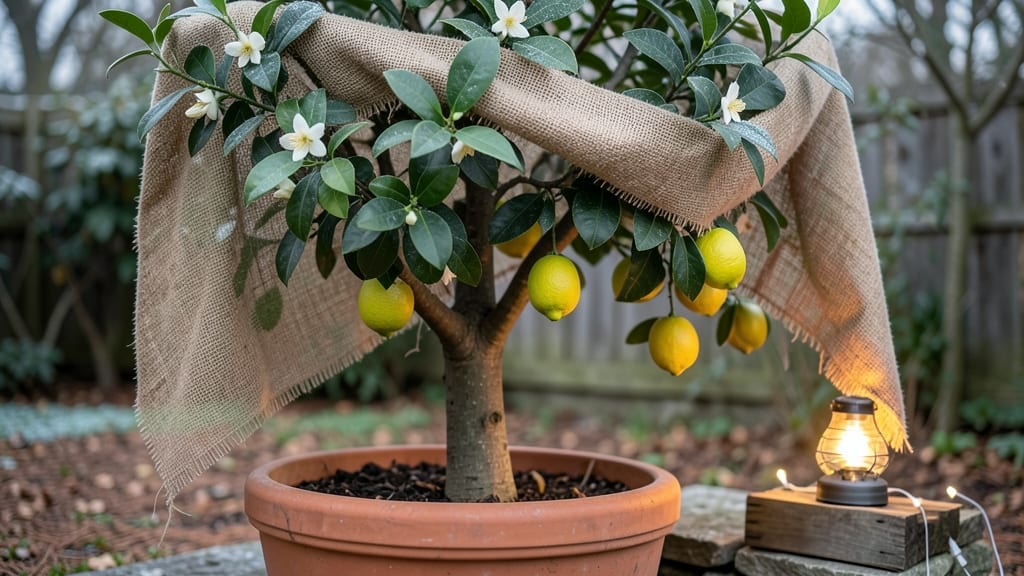
Learn how to protect a lemon tree from frost the hard way—after my first freeze turned its glossy leaves into brittle brown paper, I discovered that layered insulation is your best defense.
The key isn’t just covering it; it’s creating a microclimate that mimics the tree’s natural tropical warmth while letting it breathe.
Start with deep watering the day before frost—moist soil holds heat better than dry. Then, wrap the trunk with burlap or bubble wrap to shield it from wind chill, and mound straw or mulch around the base to insulate the roots.
For smaller trees, a frost blanket draped loosely over the canopy works wonders, while larger trees need row covers supported by stakes to avoid crushing branches.
During a freeze, never seal the tree completely—that traps cold air. Instead, focus on radiant heat sources like Christmas lights wrapped around the trunk or a low-wattage bulb near the canopy.
After the frost lifts, inspect for damage: prune dead branches cleanly, but hold off on heavy pruning until spring when the tree can heal properly.
Long-term resilience comes from gradual hardening—acclimate your tree to cooler temps by reducing water in fall and avoiding late-season fertilizers. In colder zones, consider container growing with winter protection or a greenhouse setup for true year-round lemons. The payoff? A tree that keeps bearing fruit through the seasons.
📚 In This Guide
- What you need
- Instructions
- Tips and common mistakes
- Wrapping up and next steps
What you need
- ● Frost cloth (agricultural fabric): 1–2 rolls (choose a breathable, lightweight fabric rated for 20–30°F protection). Size depends on tree height—measure and buy extra for overlap.
- ● Burlap sacks or old blankets: 2–4 (for wrapping smaller trees or vulnerable branches). Use undyed, natural fibers to avoid chemical damage.
- ● Stakes or garden twine: 4–6 stakes (wooden or metal, 12–18 inches tall) + twine or zip ties to secure fabric.
- ● Mulch (straw, pine needles, or wood chips): 2–3 inches thick for the base of the tree. Avoid wet mulch—it can cause rot.
- ● Watering can or hose: For light watering before frost (1–2 gallons per tree). Use lukewarm water to avoid shocking roots.
- ● Pruners (sterilized): 1 pair (to trim damaged branches post-frost). Sharp, clean cuts prevent disease.
- ● Christmas lights (incandescent or LED): String lights around the tree to generate gentle heat (use a timer to avoid overuse).
- ● Plastic milk jugs or buckets: 1–2 (cut in half and filled with water near the tree to absorb and release heat slowly).
- ● Reflective bubble wrap: Wrap sensitive branches for extra insulation (remove during the day to prevent overheating).
- ● Thermometer (soil or air): To monitor temperatures and time frost protection accurately.
- ● Anti-desiccant spray: (e.g., Wilt-Pruf) to prevent leaf burn if frost is light but lingering.
How to protect a lemon tree from frost: layered insulation techniques
Cold snaps can devastate tender citrus—but these proven methods shield your tree from damage.
Prepare the Tree Before Frost Arrives
Start by giving your lemon tree a deep watering 24-48 hours before the first frost warning. Healthy roots handle cold better than thirsty ones. Water slowly until the soil 6 inches deep feels uniformly moist. Avoid overhead watering afterward—wet foliage freezes faster.
Prune away any dead, diseased, or crossing branches now. Remove one-third or less of the canopy to avoid stressing the tree. Focus on thinning out dense growth near the center, where frost penetrates most easily. This also improves airflow, which helps prevent fungal issues after the cold passes.
Apply Physical Barriers for Direct Protection
Cover the tree with a frost blanket or burlap wrap once temperatures drop below 32°F. Secure it loosely around the trunk and branches—too tight, and you’ll restrict airflow. For small trees, use cardboard boxes or plastic milk jugs (cut in half) over individual branches. Remove these barriers as soon as temperatures rise above freezing to prevent overheating.
For the trunk, wrap it with insulating foam tubes or bubble wrap up to 4 feet high. This prevents frost from cracking the bark, which can kill the tree. Avoid plastic sheeting directly on the trunk—it traps moisture and promotes rot. Instead, use breathable materials that block cold winds while allowing some air circulation.
Create a Microclimate for Extended Cold Snaps
If frost is forecasted for multiple nights, build a temporary windbreak. Use stakes and frost cloth to create a 3-4 foot tall enclosure around the tree. This traps radiant heat and raises the temperature inside by 5-10°F. Position the windbreak on the north and west sides, where cold winds typically come from.
For container-grown lemon trees, move pots to a sheltered location like a garage or under an eave. If that’s not possible, bury the container halfway in the ground or surround it with straw or mulch to insulate the roots. Never leave potted trees exposed—they freeze faster than in-ground plants. Check soil moisture every 2-3 days during cold snaps, as frozen ground can cut off water access.
Monitor and Adjust During Frost Events
Check on your tree every 2-3 hours during the frost if possible. Gently shake branches to dislodge any ice buildup—heavy ice can snap limbs. If temperatures drop below 28°F, add extra layers of insulation (like blankets or old towels) over the frost cloth. Avoid using heat sources like space heaters, which can cause uneven warming and damage.
Watch for signs of frost damage: blackened leaves, mushy stems, or peeling bark. These appear 24-48 hours after the frost passes. If you see damage, prune affected areas immediately to prevent further spread. Healthy new growth should emerge from the inner bark within 2-3 weeks if the tree’s core is still viable.
Tips & tricks for protecting lemon trees from frost
Here's what nobody tells you about keeping your lemon tree alive through winter's worst—lessons I learned after losing my first tree to a surprise freeze.
Root Preparation Matters: The 24-48 hour deep watering before frost isn't just about hydration—it's about creating a moisture barrier in the soil that insulates roots. I learned this the hard way after my tree's roots froze solid during a late November snap. Use a soil probe to verify moisture reaches 6 inches deep; dry soil conducts cold like a metal rod. For container trees, water thoroughly 24 hours before moving to sheltered locations, as potted soil dries out faster.
Layered Insulation Strategy: When wrapping your tree in Step 2, think of it like dressing for winter—you need multiple layers, not just one thick blanket. Start with a breathable first layer (like burlap) to prevent moisture buildup, then add insulating foam tubes around the trunk. For branches, use lightweight materials like cardboard boxes that can be easily removed. The key is creating air pockets that trap heat without suffocating the tree—too many layers will actually trap cold air.
Microclimate Engineering: The 3-4 foot windbreak in Step 3 isn't just about height—it's about creating a thermal dome. Position stakes on the north and west sides where cold winds originate, and angle the frost cloth slightly upward to create a tent effect. I've seen temperature differences of up to 15°F between the protected area and exposed branches during hard freezes. For container trees, burying halfway in the ground creates a natural insulation effect, but only do this if you're certain you can retrieve the pot easily when frost passes.
Damage Assessment Timing: Those 24-48 hours after frost when you check for damage are critical. Don't wait until spring—blackened leaves and mushy stems won't improve on their own. Use pruning shears sterilized with rubbing alcohol to cut back damaged areas immediately. The inner bark's ability to produce new growth depends on how quickly you remove dead tissue. I've seen trees recover completely when pruned within 48 hours, while others with delayed pruning struggled for years.
Pro Tips for Protect A Lemon Tree From Frost
- Here's what nobody tells you about keeping your lemon tree alive through winter's worst—lessons I learned after losing my first tree to a surprise freeze.
- Root Preparation Matters: The 24-48 hour deep watering before frost isn't just about hydration—it's about creating a moisture barrier in the soil that insulates roots.
- Layered Insulation Strategy: When wrapping your tree in Step 2, think of it like dressing for winter—you need multiple layers, not just one thick blanket.
Frequently asked questions
Got questions about frost protection for your lemon tree? You’re not alone! Here are some of the most common concerns—and straightforward answers to keep your citrus safe and thriving.
How cold is too cold for a lemon tree?
A lemon tree can handle light frosts down to 28°F (-2°C), but prolonged exposure to 25°F (-4°C) or below risks severe damage or death. Young trees and potted varieties are even more sensitive—protect them early if temps drop near freezing.
When should I start frost protection?
Begin preparing 2–3 weeks before the first frost (check your local frost date!). If a sudden cold snap is forecasted, act immediately—don’t wait until the night before. Early steps like mulching and pruning improve resilience over time.
Can I move a potted lemon tree indoors to avoid frost?
Yes! For potted trees, move them to a garage, shed, or sunny indoor spot (like a sunroom) before temps drop below 32°F (0°C). Avoid sudden temperature swings—acclimate the tree gradually if moving from outdoors to indoors.
What if my lemon tree already looks damaged after frost?
Don’t panic! Prune dead or blackened branches with sterilized shears, but wait until spring to assess full damage. Focus on recovery: water deeply (but avoid soggy soil), fertilize lightly, and monitor for pests or disease that thrive on stressed trees.
Are there frost-resistant lemon tree varieties?
Some citrus varieties tolerate cooler climates better, like ‘Meyer’ lemons or ‘Improved Meyer’, which can handle brief frosts down to 20°F (-7°C). However, no lemon tree is truly frost-proof—layered protection is still key for heavy freezes.
Wrapping up and next steps
Protecting your lemon tree from frost doesn’t have to be a stressful task—just a little preparation and layered care! By using mulch, frost cloths, and strategic watering, you can give your tree the best chance to thrive even in chilly weather.
Remember, consistency is key, so check on your tree regularly and adjust as needed.
Now that you’re armed with these frost-fighting tips, it’s time to put them into action! 🌱 Start by assessing your tree’s needs today—whether it’s adding extra mulch or setting up a protective cover. Your lemon tree (and future harvest!) will thank you.