
Pruning
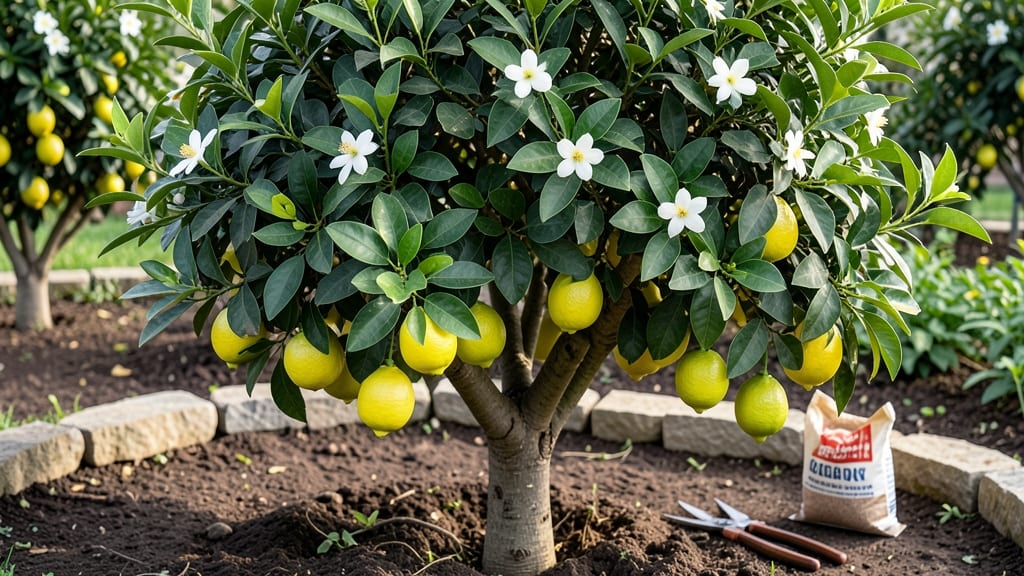
Pruning your Persian lemon tree isn’t just about shaping branches—it’s the secret to year-round health and the sweetest, juiciest lemons you’ve ever tasted. 🌿 I’ve learned that three strategic cuts—done at the right times—keep my tree thriving indoors or out, even in winter.
The first cut sets the stage for strong growth, while the others prevent overcrowding and pests that love thick, tangled branches.
You’ll only need sharp pruning shears, rubbing alcohol for sterilizing, and a clear day to work. Timing matters: prune lightly after harvest in late winter, then again in early summer to encourage new blooms, and do a final shape-up in fall before cooler weather sets in.
Each cut takes just minutes but transforms your tree’s productivity and appearance.
What you’ll end up with is a compact, vigorous Persian lemon tree that flowers more reliably and bears fruit year after year. The branches stay open for better airflow, reducing fungal risks, and the tree’s energy goes into producing lemons instead of sparse, weak growth.
Plus, the process makes harvesting easier—no more wrestling with tangled limbs.
Works for container-grown trees or those planted in the ground, in zones 9-11 or as a houseplant in cooler climates. The same principles apply whether you’re trimming a 2-year-old sapling or a mature tree with a trunk thicker than your wrist. Let’s get those shears ready!
📚 In This Guide
- What you need
- Instructions
- Tips and common mistakes
- Wrapping up and next steps
What you need
- ● Pruning shears: Bypass pruners (sharp, clean, and capable of cutting up to ¼-inch thick branches). Quantity: 1 pair.
- ● Loppers: For thicker branches (½-inch to 1.5-inch diameter). Quantity: 1 pair.
- ● Hand pruners (felco or equivalent): For precision cuts on smaller branches. Quantity: 1 pair.
- ● Disinfectant (70% isopropyl alcohol or 10% bleach solution): To sterilize tools between cuts and prevent disease. Quantity: Small bottle or spray.
- ● Garden gloves: Heavy-duty, cut-resistant gloves for protection. Quantity: 1 pair.
- ● Rubbing alcohol (70% or higher) or hydrogen peroxide (3%): For cleaning tools and wounds on the tree. Quantity: Small bottle.
- ○ Pruning sealant (optional but recommended): Wound dressing for larger cuts (½-inch or wider). Quantity: Small tube.
- ● Sharpie or masking tape: For marking branches to remove (if needed). Quantity: 1.
- ● Bucket or bag: For collecting pruned branches. Quantity: 1.
- ● Extension pole: For reaching higher branches safely. Quantity: 1.
- ● Ladder (if needed): A sturdy, stable ladder for tall trees. Safety note: Always have a spotter!
- ○ Tree growth regulator (optional): To encourage bushier growth after pruning. Quantity: Follow product instructions.
- ● Compost bin: For repurposing pruned branches as mulch or compost.
- ● Camera or phone: To document your tree’s progress before and after pruning! 📸
Step-by-Step guide for pruning your Persian lemon tree
Here's how to keep your citrus tree thriving through every season.
✂️ Step 1: Winter Structural Pruning (Late Dormancy)
This is the most critical cut—done after the first frost when the tree is fully dormant. Grab your pruners and look for branches that cross, grow inward, or are weaker than others. I always start with the "five D's": dead, diseased, damaged, dying, and crossing branches. Remove these first—they rob energy from fruit production.
Make your cuts just outside the branch collar (that little swollen area where the branch meets the trunk). Never leave stubs, or you'll invite rot. If a branch is larger than ½ inch thick, sterilize your pruners with rubbing alcohol between cuts to prevent bacterial spread. You'll notice new growth buds forming at the cut—these will become your tree's framework for next year's fruit.
🌿 Step 2: Summer Light Pruning (Mid-Growth)
About 4-6 weeks after flowering, do a light maintenance prune to shape the tree and improve airflow. Focus on removing any suckers (those vigorous shoots growing from the base or trunk) and any leaves that appear yellow or spotted. These are signs of stress or disease. I like to do this in late afternoon when temperatures are cooler—your tree will thank you.
For shaping, I remove no more than 25% of the foliage at once. Thin out crowded branches by cutting back to the nearest outward-facing bud. You'll see the inside of the tree open up, which prevents fungal issues and helps sunlight reach all your lemons. This is also when I check for any fruit that's too close together—remove the smaller ones so the remaining ones get maximum energy.
☀️ Step 3: Post-Harvest Renewal Pruning (Fall)
After your main harvest, give your tree a final trim to prepare for winter. Remove any remaining fruit that didn't ripen, as well as any branches that look weak or overburdened. This is your chance to really open up the canopy. I often do this in October or November, just before the first cold snap. The tree will enter dormancy with a clean slate for next season's growth.
Pay special attention to the outer edges of the tree—these branches often get the most sun and produce the best fruit. If you notice any branches growing straight up (called "water sprouts"), cut them back to encourage a fuller shape. You'll see fresh green growth appear at the cut points by spring, signaling your tree is ready for another productive year.
Tips & tricks for pruning your Persian lemon tree
Real talk: Pruning a lemon tree isn't just about cutting branches—it's about creating a healthy framework for years of fruit. Here's what nobody tells you about keeping your tree thriving.
Branch Collar Matters: When you make those critical cuts in Step 1, focus on cutting just outside the branch collar—the swollen area where the branch meets the trunk. This is where the tree's natural healing begins. I've seen too many people leave stubs, and that's an open invitation for rot. Use a sharp pruner and make clean cuts at a slight angle to avoid tearing the bark. The new growth buds you'll see forming at these cuts are your tree's promise for next year's fruit.
Timing is Everything: The 4-6 week window after flowering for Step 2 isn't arbitrary—it's when your tree has finished setting fruit but still has energy to recover. I always do this in late afternoon when temperatures drop. The cooler air reduces stress on the tree, and you'll notice less sap bleeding from the cuts. If you're in a hot climate, you might even want to prune in early morning to avoid heat stress on your tree.
Sucker Control Strategy: Those vigorous suckers growing from the base or trunk in Step 2 are actually energy vampires—they drain resources from your fruit production. Remove them as soon as you spot them, but don't overdo it. I've learned the hard way that removing more than 25% of foliage at once can shock your tree. Think of it as a haircut: you want to shape, not shave. The goal is better airflow and sunlight penetration, not defoliation.
Fall Pruning Secrets: When you're doing that final trim in October or November (Step 3), pay special attention to the outer branches—they get the most sun and produce the best fruit. I've noticed that trees with well-pruned outer canopies develop fruit that's larger and more flavorful. Look for those water sprouts growing straight up and cut them back to encourage a fuller, more productive shape. You'll see fresh green growth at the cut points by spring, which is your tree's way of saying "thank you."
Pro Tips for Persian Lemon Tree
- Real talk: Pruning a lemon tree isn't just about cutting branches—it's about creating a healthy framework for years of fruit.
- Branch Collar Matters: When you make those critical cuts in Step 1, focus on cutting just outside the branch collar—the swollen area where the branch meets the trunk.
- Timing is Everything: The 4-6 week window after flowering for Step 2 isn't arbitrary—it's when your tree has finished setting fruit but still has energy to recover.
Frequently asked questions
Got questions about pruning your Persian lemon tree? You’re not alone—this citrus beauty needs some TLC to thrive! Below, we’ve rounded up the most common queries to help you keep your tree healthy and fruitful year-round.
When is the best time to prune a Persian lemon tree?
The ideal times are late winter or early spring (just before new growth starts) and summer after harvest. Avoid pruning in fall or winter in cold climates—your tree needs energy to survive dormancy. Light shaping can be done anytime, but major cuts should wait for active growth.
How much can I prune without harming the tree?
Never remove more than 25-30% of the foliage in one session. Over-pruning stresses the tree, reducing fruit production and leaving it vulnerable to pests. Focus on dead, diseased, or crossing branches first, then thin out excess growth for airflow. Think of it like a haircut—less is more!
Will pruning my Persian lemon tree reduce fruit yield?
Not if done correctly! Pruning encourages more abundant, higher-quality fruit by improving sunlight and air circulation. However, avoid heavy cuts during flowering or fruiting seasons—this can drop blossoms or young lemons. Time your prunes right, and you’ll see a bigger harvest next year!
My tree’s leaves are yellowing after pruning. What’s wrong?
Yellowing leaves often signal over-pruning, root stress, or nutrient deficiency. If it happens right after cutting, you may have removed too much foliage. Water deeply, fertilize with a citrus-specific blend, and avoid pruning until new growth appears. Yellowing can also indicate overwatering or pests—check the roots and leaves!
Can I prune a Persian lemon tree in pots the same way?
Yes, but with extra caution! Potted trees have limited root space, so prune 10-15% less aggressively than in-ground trees. Repot every 2–3 years for better root growth, and always prune after watering to reduce shock. Dwarf varieties need even lighter cuts—think shaping over thinning.
What if I missed the ideal pruning window?
No worries! Light maintenance pruning (removing dead wood or shaping) can be done anytime. Just avoid heavy cuts during flowering or fruiting. If you’re late for spring pruning, wait until summer—just keep an eye out for pests or disease in the meantime. Consistency matters more than perfection!
Wrapping up and next steps
Growing a thriving Persian lemon tree is all about timing, technique, and a little tender love—especially when it comes to pruning! 🌿 By mastering the three key cuts (spring shaping, summer thinning, and winter cleanup), you’ll ensure your tree stays healthy, fruitful, and beautiful year-round.
Remember, confidence comes with practice, so don’t hesitate to roll up your sleeves and give it a try—your tree (and future lemons!) will thank you.
Ready to take the next step? Grab your pruners, mark your calendar for the next pruning season, and observe your tree’s progress. Before you know it, you’ll be harvesting juicy, homegrown lemons like a pro! 🍋✨