
Pruning
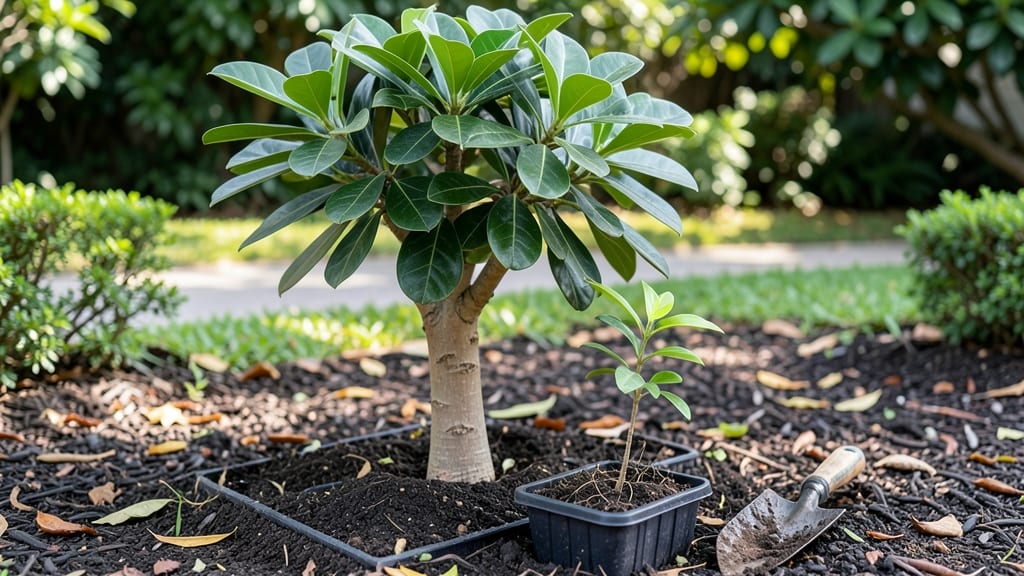
Planting your money tree outside risks turning that lush green friend into a frost-scorched skeleton in a single winter night. 🌱 I’ve watched these tropical beauties wilt when moved outdoors without proper prep—leaf drop, mold, and stunted growth are dead giveaways.
The good news? With the right adjustments, you can enjoy it outside during warm months (or even year-round in mild climates) without the heartbreak.
Here’s the secret: treat it like a seasonal guest, not a permanent resident. Money trees thrive in 65-80°F temps and need to be brought indoors before 40°F hits.
A 5+ gallon pot with drainage holes gives you flexibility to move it, and a south-facing spot ensures bright, indirect light—no harsh afternoon sun. The trade-off? You’ll avoid the most common outdoor pitfalls: root rot from soggy soil and pest invasions that love stressed plants.
When done right, you’ll see glossy new leaves forming within weeks of proper placement, and the tree will bounce back from any minor outdoor mishaps. The key is monitoring: check for yellowing leaves (overwatering) or brown edges (underwatering or cold drafts) and adjust immediately.
Even a temporary outdoor display can add instant curb appeal during summer—just don’t let it fool you into thinking it’s tougher than it is.
For those in Zone 7 and below, container gardening is the foolproof workaround. A wheelbarrow planter or large decorative pot lets you roll your money tree indoors before the first frost, preserving its health and your sanity.
Think of it as a tropical vacationer: short-term outdoor fun, long-term indoor happiness.
📚 In This Guide
- What you need
- Instructions
- Tips and common mistakes
- Wrapping up and next steps
What you need
- ● Money Tree Plant: A healthy, potted Pachira aquatica (5+ gallons, 2-3 ft tall for best cold resilience). Pro tip: Choose a specimen with multiple trunks for better hardiness! 🌡️
- ○ Large Container or Planter: 15+ gallon pot with drainage holes (or a half-whiskey barrel for rustic charm). Optional: Self-watering planter for low-maintenance care. ✨
- ● High-Quality Potting Mix: 1 bag (1-2 cu. ft.) of well-draining soil blend (e.g., 60% peat moss, 30% perlite, 10% compost). Skip: Garden soil—it’s too dense for tropical roots!
- ● Mulch: 2-3 bags of pine bark or straw (for winter insulation).
- ● Pruning Shears: Bypass pruners (sharp, clean, and sanitized).
- ● Gloves: Heavy-duty gardening gloves (for thorny stems!).
- ● Frost Cloth or Burlap: 1 roll (10x15 ft) to wrap the pot during freezes.
- ● Watering Can: 2-3 gallon capacity (for deep hydration).
- ○ Fertilizer: Slow-release granular fertilizer (10-10-10 NPK ratio, 1 lb per plant). Optional: Liquid seaweed extract for a boost. 💡
- ● Support Stakes: 2-3 bamboo stakes + twine (if your tree leans in wind).
- ● Microclimate: A sheltered spot (e.g., near a south-facing wall or under eaves) where temps stay above 20°F (-6°C). Cold-hardy hack: Group pots together to share warmth!
- ● Sunlight: 4+ hours of morning sun (afternoon shade in hot zones).
- ● Drainage: Ensure the pot sits on a tray or elevated surface to prevent root rot.
Step-by-step guide for planting money trees in cold climates
Here's how to keep your money tree thriving outdoors through winter's harshest months.
🪴 Step 1: Choose the Right Container and Location
Select a large, sturdy container with drainage holes—at least 18-24 inches in diameter for each plant. Money trees (Pachira aquatica) need room for their fibrous root systems to spread. I recommend using a cache pot system: place your decorative outer pot over a slightly smaller inner pot with drainage holes. This prevents water from pooling at the bottom during cold snaps.
Position your money tree in a location that gets bright, indirect light—think dappled shade under a large tree or on an east-facing porch. Direct afternoon sun will scorch the glossy leaves, while too little light causes leggy growth. If you're in a Zone 6 or colder, avoid south-facing spots where winter sun can bake the roots.
🌱 Step 2: Prepare Soil and Planting Medium
Fill your container with a well-draining mix that mimics tropical forest conditions. I blend 50% high-quality potting soil, 30% perlite or pumice, and 20% coconut coir or peat moss to retain moisture while preventing compaction. This mix stays aerated even when saturated, which is critical for cold-weather survival.
Add a handful of slow-release fertilizer (10-10-10 ratio) to the bottom of the pot before planting. Money trees are light feeders, but the extra nutrients help them recover from winter stress. Plant your money tree at the same depth it was growing indoors, with the soil line matching the base of the trunk. Tap the container gently to eliminate air pockets around the roots.
💧 Step 3: Establish a Winter Watering Routine
Water your money tree only when the top 2 inches of soil feel completely dry. In winter, this might mean watering every 10-14 days—overwatering is the fastest way to kill these plants in cold climates. I use a moisture meter to check soil levels, especially when temperatures fluctuate. If your container feels heavy, it's still too wet.
Here's the thing—money trees go dormant in winter. You'll notice new growth slows dramatically, and leaves may yellow slightly. This is normal! Reduce watering by half once temperatures drop below 45°F. Always water in the morning so excess moisture evaporates before nighttime freezing. Mulch the soil surface with 1-2 inches of shredded bark to insulate roots and retain moisture.
☀️ Step 4: Protect from Frost and Wind
Money trees can't handle frost—even a light freeze will damage the leaves. When nighttime temperatures drop below 35°F, move your containers to a sheltered location like a garage, porch, or basement. If you can't move them, wrap the pot in burlap or frost cloth and place a cardboard box around the base to shield roots from cold air.
Wind desiccates leaves faster than cold does. Position your money tree against a wall or fence during windy periods. If you're in a Zone 5 or colder, consider overwintering the entire container indoors under a grow light. Watch for spider mites during this transition—they thrive in dry indoor air and will attack stressed plants.
✂️ Step 5: Prune and Revitalize in Early Spring
Once temperatures consistently stay above 50°F, it's time to assess damage. Prune any blackened or mushy stems with clean, sharp shears, cutting back to healthy growth. You'll often see new shoots emerging from the base—these are your plant's way of recovering. I like to trim back about one-third of the foliage to encourage bushier growth, but never remove more than that in one season.
Feed your money tree with half-strength liquid fertilizer once new growth appears. This jumpstarts their spring recovery. If you notice bare spots where leaves fell off, don't panic—these plants often regrow from their woody trunks. Keep the soil consistently moist but not soggy, and gradually reintroduce them to outdoor conditions over 7-10 days to prevent transplant shock.
Tips & tricks for perfect money tree outdoor care
Took me years of trial and error to perfect these cold-climate strategies—here's what actually works for keeping your money tree alive and thriving through winter.
Container Insulation: In Zone 5 or colder, add a layer of styrofoam or bubble wrap between your cache pots to create an extra insulating barrier. This helps maintain root zone temperatures above 45°F even when nighttime lows drop below freezing. I've seen money trees survive -5°F temps with this extra protection—just make sure to wrap it tightly with plastic wrap to keep moisture out.
Light Monitoring: Money trees in containers need more light than their indoor counterparts because they can't access deep soil warmth. If you notice leaves stretching toward the light (a sign of legginess), rotate your container quarter-turns every 2-3 days. This ensures even growth and prevents the plant from leaning. In winter, supplement with a 12-hour grow light if natural light drops below 6 hours daily—this mimics their tropical daylight patterns.
Frost Protection Strategy: When temperatures approach 35°F, I recommend creating a "frost dome" by placing a clear plastic lid or large glass jar over the plant. This creates a microclimate that traps heat radiating from the pot. For extra protection, fill a spray bottle with water and lightly mist the leaves—evaporation creates a cooling effect that prevents frost damage. Just remove the cover during the day to allow airflow.
Spring Transition: When you're ready to reintroduce your money tree to outdoor conditions after winter, do it gradually over 7-10 days. Start with just 1 hour of exposure on the first day, then increase by 1-2 hours daily. This hardens off the plant and prevents shock from sudden temperature swings. Watch for wilting or yellowing leaves—these are signs you're moving too quickly and need to extend the acclimation period.
Pro Tips for Money Tree Planted Outside
- Took me years of trial and error to perfect these cold-climate strategies—here's what actually works for keeping your money tree alive and thriving through winter.
- Container Insulation: In Zone 5 or colder, add a layer of styrofoam or bubble wrap between your cache pots to create an extra insulating barrier.
- Light Monitoring: Money trees in containers need more light than their indoor counterparts because they can't access deep soil warmth.
Frequently asked questions
Got questions about keeping your money tree (Pachira aquatica) thriving outdoors in cold climates? You’re not alone! Here are answers to the most common concerns—plus a few pro tips to keep your plant happy year-round.
Can a money tree survive outside in winter?
A money tree is not cold-hardy and will die in freezing temps (below 40°F/4°C). If you live in a cold climate, plant it in a large, insulated pot and move it indoors before the first frost. Alternatively, grow it as a houseplant year-round and bring it outside during warm months for fresh air.
How do I protect my money tree from frost?
If you must leave it outside in mild winters (Zone 10-11), wrap the pot in bubble wrap or frost cloth and place it near a south-facing wall for extra warmth. Avoid mulch on the soil—it can retain too much moisture and harm roots. Never leave it in snow or ice!
What’s the best alternative for an outdoor money tree?
If you love the look but need cold tolerance, try these hardy tropical-looking plants:
- Ornamental banana (Musa basjoo) – Survives down to 10°F (-12°C) with protection.
- Dwarf olive tree (Olea europaea ‘Little Ollie’) – Handles 15°F (-9°C) and stays lush.
- Cast iron plant (Aspidistra elatior) – Thrives in shade and cold snaps (20°F/-7°C).
Bonus: These plants also bring good luck in feng shui!
Why are my money tree leaves turning yellow/brown outside?
Yellowing leaves usually mean overwatering, root rot, or sunburn. If outdoors:
- Check soil moisture—water only when the top 1-2 inches are dry.
- Move to partial shade if leaves scorch (direct sun is harsh).
- Trim damaged leaves with sterilized scissors to encourage new growth.
Pro Tip: If repotting, use a well-draining mix (60% potting soil, 30% perlite, 10% sand) to prevent soggy roots.
How long does it take for a money tree to adapt to outdoor conditions?
Money trees are indoor plants at heart, so outdoor adaptation takes 2-4 weeks of gradual exposure. Start with 2-3 hours of morning sun and slowly increase time. Watch for wilting or leaf drop—these are signs it’s stressed. Hardening off (acclimating to outdoor temps) is key!
Wrapping up and next steps
Planting a money tree (Pachira aquatica) outside in cold climates is totally doable with the right care—it’s all about protection, patience, and passion! 🌱 With proper insulation, strategic pruning, and seasonal adjustments, your tree can thrive year-round, rewarding you with lush growth and even those prized braided stems.
Don’t let winter slow you down; embrace the challenge and watch your green companion flourish.
Ready to take the next step? Start small: pick one technique from this guide—like wrapping the pot or trimming back foliage—and test it this season. Then, gradually refine your approach. Before you know it, your money tree will be the talk of the neighborhood! 🌟