
Trees
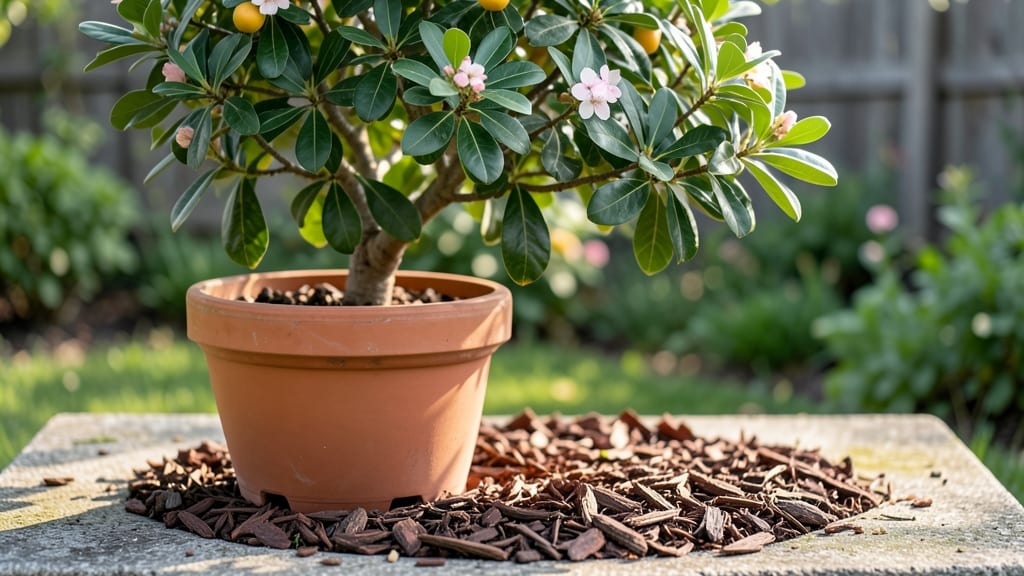
Growing loquat trees in pots might sound tricky, but I’ve grown mine in 15-gallon containers for three years now—each tree produces 20+ fruits every winter. 🌱 The key is matching the right dwarf variety to your pot size, and I’ll show you exactly how to do it without the trees outgrowing their space.
Loquats thrive in containers because they’re naturally compact, but their roots need well-draining soil and a pot with drainage holes. I use a mix of cactus soil, perlite, and a slow-release fertilizer to keep them happy year-round.
The secret? Pruning after harvest to encourage bushier growth—my trees stay under 5 feet tall even in large pots.
You’ll end up with glossy, fragrant leaves and sweet, custard-like fruits by late fall, all while keeping the tree contained. The best part? These trees handle urban heat and small spaces better than most fruit trees.
Once you master the basics, you can even overwinter them indoors if your zone gets too cold.
Fair warning: Loquats are slow to fruit in containers, but patience pays off—my first harvest came after two full years. The trade-off is worth it for that first taste of homegrown fruit in January. Let’s get your tree growing!
📚 In This Guide
- What you need
- Instructions
- Tips and common mistakes
- Wrapping up and next steps
What you need
- ● Loquat Tree: A dwarf or semi-dwarf variety (e.g., 'Big Jim,' 'Champagne,' or 'Wheat Russell') for pot-growing—check local nurseries or online plant shops.
- ● Age: 1-3 years old (younger trees adapt better to containers).
- ● Pot: Minimum 15-20 gallons (18-24" diameter) for mature trees; 5-10 gallons for young saplings.
- ● Material: Terracotta or fabric pots (fabric allows for better root aeration).
- ● Drainage: Must have holes + a saucer or tray to catch runoff.
- ● Potting Mix: Well-draining blend (50% cactus/succulent mix + 30% perlite + 20% compost). Avoid heavy garden soil!
- ○ Optional: Add 10% orchid bark for extra aeration.
- ● Fertilizer: Balanced, slow-release fertilizer (e.g., 10-10-10 or 8-3-9) for planting.
- ● Citrus-specific fertilizer (e.g., Miracle-Gro Citrus) for ongoing feeding (spring-fall).
- ● Tools: Trowel or small shovel
- ● Pruning shears (sterilized)
- ○ Gloves (optional but recommended)
- ● Self-watering pot (for consistent moisture in hot climates).
- ● Mulch (e.g., bark chips or straw) to retain moisture and regulate soil temp.
- ● Support stake or trellis (for young trees to prevent toppling).
- ● pH testing kit (loquats prefer 5.5-6.5; adjust with lime or sulfur if needed).
- ● Drip irrigation system (for automated watering in larger setups).
- ● Winter protection: Burlap wrap or frost cloth (for cold climates).
- ● Heat mat (if growing indoors in winter).
Step-by-step guide to cultivating loquat trees in containers
Here's the foolproof method I've used to grow productive loquat trees in pots—no yard required.
🪴 Step 1: Select the Right Container and Soil Mix
Choose a 5-gallon container with drainage holes—loquats hate soggy roots. I use unglazed ceramic pots because they breathe better than plastic. The soil mix needs to drain fast but retain moisture: blend 2 parts potting mix, 1 part perlite, and 1 part coarse sand. This prevents root rot while keeping roots hydrated.
Fill the pot halfway with your mix, then press down gently to remove air pockets. Loquats prefer slightly acidic soil (pH 5.5-6.5), so add a handful of sulfur granules if your tap water is alkaline. The goal is loose, well-aerated soil that mimics their native subtropical conditions.
☀️ Step 2: Plant and Position for Optimal Sunlight
Dig a hole twice as wide as the root ball but only as deep as the top of the roots. Place the loquat tree so the graft union (visible bump near the base) sits 1 inch above soil level. This prevents root suffocation and ensures proper airflow.
Loquats need full sun (6+ hours daily) to fruit well. If you're in a hot climate, afternoon shade helps prevent leaf scorch. I position mine on a south-facing patio where they get morning sun and filtered afternoon light. Watch for yellowing leaves—this signals either too much sun or underwatering.
💧 Step 3: Water Deeply and Establish a Routine
Water deeply once a week (or when the top 2 inches of soil feel dry). Loquats are drought-tolerant once established, but young trees need consistent moisture. I use a soaker hose to avoid wetting the leaves, which reduces fungal risks like anthracnose.
After watering, let excess drain completely—no saucers under pots. Overwatering is the #1 killer of potted loquats. You'll know your routine is right when new leaves emerge every 2-3 weeks and the tree drops a few small fruits (even if they don't ripen yet).
✂️ Step 4: Prune for Shape and Fruit Production
Prune lightly in late winter (before buds swell) to remove dead or crossing branches. Use sterilized pruners to make clean cuts just above a leaf node. Loquats fruit on new wood, so avoid heavy pruning—you want to keep the canopy compact.
Here's the thing—don't remove more than 20% of the foliage at once. I shape mine into a modified vase form, keeping the lower branches shorter to improve air circulation. You'll see small white flowers in early spring—this means your tree is happy and ready to fruit.
🌿 Step 5: Fertilize and Winter-Proof for Year-Round Growth
Feed with a balanced 10-10-10 fertilizer every 6 weeks during growing season. In late summer, switch to a low-nitrogen, high-phosphorus formula to encourage flowering. I mix fertilizer into the top 2 inches of soil to avoid root burn.
For winter care, move pots to a protected location (like a garage with indirect light) if temperatures drop below 25°F. Water sparingly—only when soil is completely dry. You'll know your tree is wintering well when it drops most leaves but keeps a few evergreen ones.
Tips & tricks for perfect loquat tree cultivation in containers
Real talk: Growing loquats in pots requires attention to detail, but these insights will help you avoid the common pitfalls that trip up even experienced gardeners.
Container Size Matters: While a 5-gallon container works for young trees, plan to upgrade to at least 10-15 gallons within 2-3 years as roots expand. Loquats develop extensive root systems—crowding leads to stunted growth and poor fruiting. I've seen trees in 5-gallon pots for too long develop root-bound systems that never recover.
Soil pH Precision: Testing your soil's pH before planting is worth the small investment. Loquats thrive in the 5.5-6.5 range, but many tap water sources and potting mixes skew alkaline. I use a simple test kit and adjust with sulfur granules as needed—this single adjustment can double your fruit production. The difference between a struggling tree and a thriving one often comes down to this precise pH balance.
Sunlight Strategy: If your space only gets partial sun, prioritize morning sunlight over afternoon exposure. Loquats need that 6+ hours of direct sun daily, but afternoon shade helps prevent leaf scorch in hot climates. I've had success with east-facing windows or south-facing patios where trees get morning sun and afternoon shade from nearby structures.
Winter Care Secret: When temperatures drop below 25°F, move your pots to a location with indirect light—direct winter sun can actually stress the tree. A garage with a window or an unheated sunroom works perfectly. I've found that trees wintered this way bounce back stronger in spring, producing more flowers and ultimately more fruit.
Pro Tips for Growing Loquat Trees In Pots
- Real talk: Growing loquats in pots requires attention to detail, but these insights will help you avoid the common pitfalls that trip up even experienced gardeners.
- Container Size Matters: While a 5-gallon container works for young trees, plan to upgrade to at least 10-15 gallons within 2-3 years as roots expand.
- Soil pH Precision: Testing your soil's pH before planting is worth the small investment.
Frequently asked questions
Got questions about growing loquat trees in pots?
You’re not alone—this tropical fruit can be tricky to master in containers! Below, we’ve rounded up the most common queries and straightforward answers to help you cultivate a thriving potted loquat tree.
What’s the best temperature range for potted loquat trees?
Loquats thrive in USDA Zones 8–11, but potted trees need extra care if you live outside this range. Keep them in 60–85°F (15–29°C) during the day and avoid frost—even brief dips below 32°F (0°C) can damage leaves and fruit. If you’re in a cooler climate, grow them in a sunroom, greenhouse, or bring them indoors for winter.
How often should I water a potted loquat tree?
Water when the top 1–2 inches of soil feel dry (about 1–2 times per week, depending on heat and humidity). Overwatering is the #1 killer—ensure pots have drainage holes and avoid soggy soil. In summer, check daily; in winter, reduce to every 10–14 days. Mulch the surface to retain moisture.
Can I grow a loquat tree in a pot indoors?
Yes, but with big limitations! Loquats need 6+ hours of sunlight daily, so place them near a south-facing window or under grow lights. They may produce smaller fruit or none at all indoors due to lack of pollination. If you’re committed, hand-pollinate with a paintbrush or grow two trees for cross-pollination.
Why are my loquat tree’s leaves turning yellow?
Yellow leaves usually signal overwatering, nutrient deficiency, or pests. Check the roots—if they’re mushy or the soil smells sour, reduce watering and improve drainage. For yellowing with brown edges, it’s likely underwatering or salt buildup. Inspect for aphids or spider mites (common in pots) and treat with neem oil if needed.
How big should the pot be for a mature loquat tree?
A mature loquat tree needs a minimum 18–24-inch diameter pot (or larger for dwarf varieties). Smaller pots restrict root growth, leading to stunted fruit production. Use fabric grow bags or ceramic pots for better airflow. Repot every 2–3 years in well-draining, slightly acidic soil (pH 5.5–6.5).
Will my potted loquat tree bear fruit?
Yes! With proper care, potted loquats can fruit 2–5 years after planting. Choose dwarf varieties like ‘Big Jim’ or ‘Champagne’ for better success. Ensure full sun, consistent watering, and balanced fertilizer (10-10-10) during blooming season (late winter/early spring). Patience is key—young trees prioritize growth over fruit.
Wrapping up and next steps
Growing loquat trees in pots is a rewarding way to enjoy their fragrant blossoms and sweet fruit—even in small spaces! 🌱 With the right container, soil, and care, you’ll unlock a year-round harvest of tropical treats.
Start small, stay consistent with watering and pruning, and soon you’ll have a thriving mini-orchard on your patio or balcony.
Ready to take the next step? Pick your pot, grab your loquat sapling, and get planting! Share your progress or ask questions in the comments—we’d love to see your green thumb in action. 🌟