
Planting
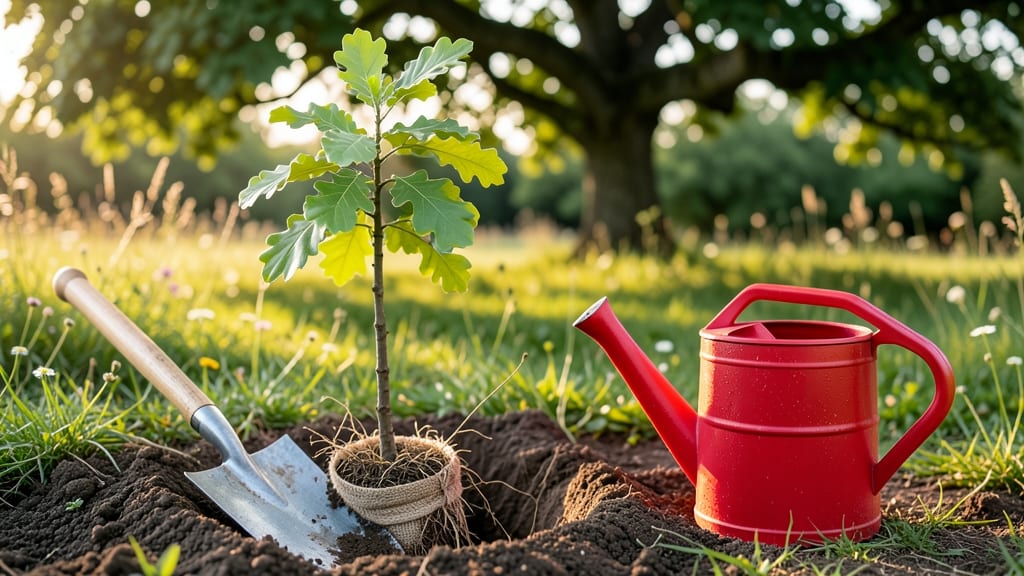
Planting a tree on Earth Day isn’t just about digging a hole—it’s about planting hope in your backyard. Every year, I mark the day by choosing a native species that thrives in my climate, knowing it’ll provide shade, wildlife habitat, and cleaner air for decades.
The best part? You don’t need a sprawling yard—even a small urban lot can support a tree with the right planning.
Start with a tree suited for your region, like a fast-growing red maple or a sturdy oak. Grab a shovel, mulch, and stakes if needed—most nurseries offer Earth Day specials on young saplings.
The process takes less than an hour, and the long-term rewards are priceless: cooler summers, more birds, and a legacy for future generations. I’ve planted over a dozen this way, and each one feels like a quiet victory for the planet.
Once planted, water deeply for the first two weeks to help roots establish. Add mulch to retain moisture and block weeds, then step back and watch your tree grow.
By next Earth Day, it’ll be taller, stronger, and ready to inspire others in your neighborhood. The best part? You’re not just planting a tree—you’re planting a movement.
For extra impact, invite friends to join or donate a tree to a local school or park. Community planting turns one small act into a ripple effect.
Whether you’re a beginner or a seasoned gardener, this is one project where every effort counts. Let’s make this Earth Day the start of something lasting.
📚 In This Guide
- What you need
- Instructions
- Tips and common mistakes
- Wrapping up and next steps
What you need
- ● Tree sapling: Choose a native species (e.g., oak, maple, or fruit-bearing trees like apple or cherry). Buy from a local nursery or conservation group—1-2 saplings per planter.
- ● Shovel: A medium-sized digging shovel (18–24 inches long) for breaking ground.
- ● Garden gloves: A pair to protect your hands from dirt and thorns.
- ● Watering can or hose: With a gentle spray nozzle for hydration.
- ● Mulch: 2–3 inches of organic mulch (wood chips, straw, or compost) to retain moisture.
- ○ Stakes (optional): 2–4 wooden or metal stakes + twist ties for young, unstable trees.
- ● Pruning shears: For trimming dead branches (if needed).
- ● Measuring tape: To gauge hole depth and spacing.
- ○ Soil amendment: Compost or peat moss (optional) for nutrient-rich soil.
- ○ Tree guard (optional): A wire mesh or plastic wrap to protect from animals.
- ● Notepad & pen: To log planting details (date, species, location).
- ● Location: A spot with 6+ hours of sunlight (check your tree’s needs) and 6 feet of clearance for growth.
- ○ Soil test (optional but helpful): Use a DIY kit to check pH and nutrients.
- ● Community check: Verify local regulations—some areas require permits for planting!
How to plant a tree for Earth Day with long-term success
Here's how to pick the right tree and give it the best start possible.
Choose the Right Tree for Your Space
Pick a tree species that matches your climate, soil type, and available space. For example, a red maple thrives in most U.S. zones and grows well in both sun and partial shade, while a dogwood prefers moist, well-drained soil. Check the mature height—some trees reach 30 feet or more, so avoid planting near sidewalks or power lines.
I always measure the space where the tree will go. A 10-foot diameter gives roots room to spread without crowding. If you're unsure, visit a local nursery and ask for recommendations based on your yard's conditions. The right tree makes all the difference in long-term survival.
Dig the Hole Properly for Strong Roots
Dig a hole twice as wide as the tree's root ball but no deeper. A hole that's too deep can suffocate roots by trapping water around them. Loosen the soil at the bottom with a shovel or garden fork to encourage root growth outward rather than circling the hole.
Step back and check the hole's depth—it should sit 1-2 inches higher than the surrounding soil. This slight mound helps prevent water from pooling around the trunk. If the soil is heavy clay, mix in a 5-gallon bucket of compost to improve drainage and fertility.
Plant and Water for Immediate Stability
Remove the tree from its container and gently loosen any circling roots with your fingers. Place it in the hole so the top of the root ball sits at the same level as the surrounding soil. Fill in around the roots with native soil, pressing lightly to remove air pockets but not compacting too firmly.
Water deeply right after planting—10-15 gallons—to settle the soil and eliminate air gaps. The water should drain away within 30 minutes. Mulch the area with 2-3 inches of wood chips, keeping the mulch 6 inches away from the trunk to prevent rot. This helps retain moisture and regulates soil temperature.
Stake and Protect for the First Year
If your tree is young or top-heavy, use two stakes placed on opposite sides of the trunk. Secure the tree with a soft tie (like a rubber tree saver) to allow some movement—this helps the trunk strengthen naturally. Avoid metal or wire ties that can cut into the bark as the tree grows.
Protect the tree from animals and lawn equipment by installing a tree guard or chicken wire cage around the base. Water once a week during the first year, giving 15-20 gallons each time. The goal is to establish deep roots before the tree enters dormancy in winter.
Monitor and Maintain for Long-Term Growth
Check the tree monthly for signs of stress, like yellowing leaves or wilting. If leaves appear dry, water deeply again. Avoid fertilizing in the first year—new trees need time to adjust to their environment. Instead, focus on keeping the soil moist and the mulch layer intact.
After the first year, you can prune to shape the tree in late winter or early spring. Remove any dead or crossing branches, but avoid heavy pruning—this can stress the tree. With proper care, your Earth Day tree will grow into a thriving part of your landscape for decades.
Tips & tricks for planting a tree on Earth Day
Here's what I've learned from planting dozens of trees—these small details make all the difference between a tree that thrives and one that struggles.
Tree Selection Matters: When choosing your tree, consider not just its mature size but also the specific conditions of your planting site. For example, if your soil drains poorly, opt for species like willows that tolerate wet conditions. I once planted a dogwood in heavy clay without amending the soil—it took three years to recover. Always ask the nursery for species that match your local soil type and climate zone.
Root Ball Preparation: Before planting, gently tease apart any circling roots you find at the bottom of the root ball. These roots form when trees are grown in containers and can strangle the tree if left intact. I use my fingers to carefully separate them—no need for sharp tools. This simple step encourages the roots to spread outward naturally once planted.
Watering Wisdom: The 30-minute drainage test after planting is crucial. If water pools around the hole after 10-15 gallons, your hole is too deep. Adjust by adding more soil to create that 1-2 inch mound we talked about. I've seen many trees fail because they were planted too deep—roots need oxygen to grow, not waterlogged soil.
First-Year Care: That weekly watering schedule during the first year is non-negotiable. I've noticed trees that receive inconsistent watering develop shallow root systems that can't support the tree's growth. Use a rain gauge or mark your watering can to ensure you're delivering exactly 15-20 gallons each time. This consistency is what builds strong roots for decades to come.
Pro Tips for Plant A Tree On Earth Day
- Here's what I've learned from planting dozens of trees—these small details make all the difference between a tree that thrives and one that struggles.
- Tree Selection Matters: When choosing your tree, consider not just its mature size but also the specific conditions of your planting site.
- Root Ball Preparation: Before planting, gently tease apart any circling roots you find at the bottom of the root ball.
Frequently asked questions
Got questions about planting a tree on Earth Day? You’re not alone! Here are some of the most common concerns—and their straightforward answers—to help you get growing with confidence.
What’s the best type of tree to plant for Earth Day?
Go for native, fast-growing species like red maple or dogwood—they thrive in your local climate and support wildlife. Avoid invasive trees (e.g., Bradford pear). Check your city’s tree-planting guidelines for tailored recommendations!
Can I plant a tree on Earth Day, or should I wait?
Earth Day (April 22) is a great time to start! Plant in early spring (after last frost) for best success. If your area’s soil is still frozen, wait 2–4 weeks. Pro tip: Mulch heavily to protect roots from temperature swings.
What if I don’t have a yard? Can I still participate?
Try:
- Community gardens: Partner with local groups for group plantings.
- Urban planters: Use large pots (minimum 15-gallon) for small trees like dwarf fruit trees.
- Adopt a public tree: Many cities offer programs to sponsor trees in parks.
My tree’s leaves are yellowing—did I mess up?
Not necessarily! Yellow leaves can mean:
- Overwatering: Check soil moisture (top 2 inches should be dry).
- Underwatering: Deep water 1–2x/week (not daily!).
- Nutrient deficiency: Add compost or a slow-release fertilizer.
Wait 2–3 weeks before panicking—new trees adjust for months!
How does planting one tree make a difference?
One mature tree absorbs ~48 lbs of CO₂/year, provides oxygen for 2+ people, and cools the air by 10°F. On Earth Day, your tree becomes a symbolic act—inspiring others to join the movement! Share your progress with #EarthDayTree to amplify impact.
Wrapping up and next steps
Planting a tree on Earth Day isn’t just about adding greenery—it’s a powerful commitment to a healthier planet. Every seed you sow today ripples into cleaner air, thriving ecosystems, and a legacy of sustainability for generations to come. 🌱
Ready to take action? Start by choosing your tree, gathering your tools, and finding the perfect spot. Then, share your journey with others—because collective efforts create the biggest impact. Your tree is the first step toward a greener future!