
Propagation
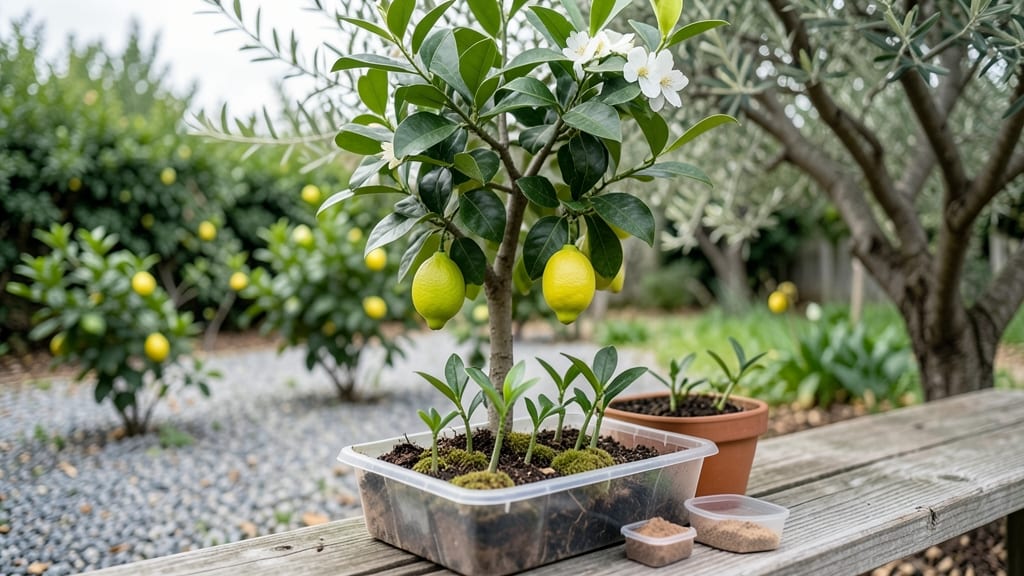
Lemon tree propagation in water is one of the fastest ways to grow a citrus tree at home—no nursery needed. 🌱 I’ve rooted more than a dozen cuttings this way, and the secret lies in choosing the right stem, keeping the water fresh, and being patient with the roots.
The first signs of growth appear within just a few weeks, and before you know it, you’re transplanting a sturdy little tree.
You’ll need sharp pruning shears, a clean glass jar or vase, and a healthy branch from a mature lemon tree—about 4 to 6 inches long with at least two leaf nodes. Change the water every 3 to 4 days to prevent bacteria, and place the cutting in bright, indirect light.
Humidity helps, so a plastic bag loosely draped over the jar speeds up rooting without suffocating the leaves.
Once roots reach about 2 inches long—usually in 4 to 8 weeks—you’ll transplant into soil, where the real magic happens. The tree will start producing leaves faster than you expect, and with proper care, you could see your first tiny lemons in just a couple of years.
The key is consistency: steady water, good light, and a little extra love when the leaves start wilting.
This method works best in spring or early summer, when the parent tree is actively growing. If you’re in a cooler climate, start indoors and move outdoors only after the last frost.
The biggest mistake? Letting the cutting dry out or using tap water with chlorine—always let it sit out overnight before using it for rooting.
📚 In This Guide
- What you need
- Instructions
- Tips and common mistakes
- Wrapping up and next steps
What you need
- ● Mature lemon tree cuttings: 4–6 healthy, pencil-thick stems (6–8 inches long) with at least 2–3 leaf nodes. Choose from non-flowering branches for best results!
- ● Clean, sharp pruning shears or scissors: Sterilized to prevent disease (rubbing alcohol works great!).
- ● Room-temperature water: Filtered or distilled (chlorine-free) in a clear glass jar (16–20 oz). Avoid tap water if heavily chlorinated.
- ○ Rooting hormone (optional but helpful): A powder or gel to boost root growth (follow package instructions).
- ● Plastic wrap or humidity dome: To create a mini greenhouse effect (e.g., a clear plastic bag with holes punched for ventilation).
- ● Bright, indirect light: Place cuttings near a sunny window (east or west-facing ideal) or under grow lights (12+ hours/day).
- ● Warmth (70–75°F): Lemon trees thrive in cozy spots—avoid drafts or cold windowsills.
- ● Patience: Roots typically take 2–8 weeks to form, depending on conditions!
- ● Activated charcoal tablets (1–2): Placed in the water to prevent bacteria and keep it fresh longer.
- ● Small pebbles or marbles: Add to the jar to weigh down cuttings and keep them submerged.
- ● pH test strips: Ensure water stays neutral (pH 6.0–7.0) for optimal rooting.
- ● Notebook & pen: Track progress (e.g., water changes, leaf changes, root growth dates).
Step-by-Step guide to propagating lemon trees from cuttings
Here's how to grow new lemon trees quickly from just a few simple cuttings.
🌱 Step 1: Select and Prepare Healthy Cuttings
Choose a mature lemon tree branch that's about 4-6 inches long with at least 3-4 leaves. The stem should be pencil-thick and flexible, not woody. Use clean, sharp pruners to make a 45-degree angle cut just below a leaf node—this is where roots will form. Remove any leaves on the lower half of the cutting so they won't rot in water.
Here's the thing—you want the cutting to have a good balance of leaves and stem. Too many leaves means the plant will use up energy trying to stay alive instead of growing roots. Too few leaves means it won't photosynthesize enough to support new growth. Three to four leaves is perfect for a 4-inch cutting.
💧 Step 2: Place Cuttings in Water for Rooting
Fill a clean glass or jar with room-temperature water—about 2-3 inches deep. Place the cut end of your lemon tree cutting into the water, making sure at least 1-2 inches of the stem are submerged. You'll see tiny bubbles forming where the stem meets the water—that's a good sign the cutting is alive and starting to react.
Change the water every 3-4 days to prevent bacteria and algae growth. I like to use a spray bottle to rinse the leaves weekly—this keeps them dust-free and helps them absorb light better. Place your cuttings in a spot with bright, indirect light (like an east-facing window). Direct sunlight can overheat the water and stress the cutting.
⏰ Step 3: Monitor and Encourage Root Growth
After about 2-3 weeks, you'll start seeing tiny white roots forming at the base of the cutting. This is the moment that matters—keep the water level consistent (never let it go completely dry). Once roots reach 1-2 inches long, it's time to think about transplanting. You'll know they're ready when the roots are thick enough to support the plant on its own.
Don't rush this step. If roots are too short, the plant might struggle to establish itself in soil. I've seen cuttings with 3-inch roots take root beautifully, while those with only ½-inch roots often wilt after transplanting. Patience here pays off—wait until you see multiple healthy roots before moving forward.
🪴 Step 4: Transplant to Soil and Care for New Growth
Fill a 6-inch pot with well-draining potting mix (I use a blend of 50% potting soil and 50% perlite). Make a small hole in the center and gently place your rooted cutting in, covering the roots but leaving the base of the stem exposed. Press the soil lightly around the cutting to secure it.
Water lightly immediately after transplanting, then wait until the top inch of soil feels dry before watering again. Place the pot in bright, indirect light for the first week to help the plant adjust. After that, gradually introduce it to more sunlight—lemon trees love 6-8 hours of direct sun daily once established.
☀️ Step 5: Maintain Humidity and Light for Strong Growth
Keep the soil consistently moist but not soggy for the first 4-6 weeks. Lemon trees are tropical plants and appreciate humidity—place a tray of water with pebbles near the pot, or mist the leaves occasionally. You'll see new leaves emerging within 2-3 weeks of transplanting, which means your cutting is thriving.
Here's where it gets fun—watch the new growth! Your young lemon tree will need regular pruning to encourage bushier growth. Pinch back the tips of new branches when they reach 6 inches tall to promote side shoots. With proper care, you could see your first lemons in 3-5 years—worth the wait!
Tips & tricks for perfect lemon tree propagation
Real talk: Propagating lemon trees from cuttings is one of those rewarding projects where small details make all the difference. Here's what nobody tells you—
The Cutting Angle Matters: That 45-degree angle cut in Step 1 isn't just for looks—it increases the surface area for root growth. I've tried straight cuts, and they just don't work as well. Use a sharp pruner to make clean cuts, and always cut just below a leaf node where those roots will emerge. For thicker stems, you can even make a shallow slit along the bottom inch to encourage more root formation.
Rooting Accelerator: While the instructions mention waiting 2-3 weeks for roots, here's my secret: Add a crushed aspirin tablet (½ tablet per quart of water) when you first place the cutting in water. The salicylic acid stimulates root growth—you'll often see roots appear in just 10-14 days instead of waiting the full 3 weeks. Just change the water with the aspirin every 3-4 days like normal.
Light Positioning: That bright, indirect light in Step 2 is crucial, but here's what I learned the hard way: East-facing windows are ideal, but if you only have south-facing windows, place your cuttings 3-4 feet away from the glass. Direct sunlight will cook the water and stress the cutting. I've seen cuttings wilt dramatically when moved too close to hot windows—watch for leaves that suddenly droop or turn yellow.
Transplanting Confidence: When checking those roots in Step 3, gently tug on the cutting—if it resists slightly but doesn't break free, the roots are strong enough for transplanting. I've successfully transplanted cuttings with just 1-inch roots when they had multiple thick roots, but struggled with 2-inch roots that were paper-thin. Focus on root thickness over length when making your decision.
Pro Tips for Lemon Tree Propagation
- Real talk: Propagating lemon trees from cuttings is one of those rewarding projects where small details make all the difference.
- The Cutting Angle Matters: That 45-degree angle cut in Step 1 isn't just for looks—it increases the surface area for root growth.
- Rooting Accelerator: While the instructions mention waiting 2-3 weeks for roots, here's my secret: Add a crushed aspirin tablet (½ tablet per quart of water) when you first place the cutting in water.
Frequently asked questions
Got questions about propagating your lemon tree? You’re not alone!
Here are some of the most common concerns—and straightforward answers—to help you grow confidently.
How long does it take for lemon tree cuttings to root in water?
Most lemon tree cuttings take 2 to 4 weeks to develop roots in water, depending on temperature and humidity. Keep the water clean and change it every 3–5 days. Once roots reach 1–2 inches long, they’re ready for soil!
Can I propagate a lemon tree from a store-bought lemon?
Yes, but with a twist! Store-bought lemons are often grafted, meaning the seeds may not grow true to the parent tree. For best results, use seedless lemons or cuttings from a healthy, mature tree. If using seeds, expect a tree that takes 5+ years to bear fruit—patience is key!
What’s the ideal temperature for rooting lemon tree cuttings?
Lemon trees thrive in warmth (70–85°F) for rooting. Avoid drafts or cold spots, and place your cuttings near a sunny window or under grow lights. If your home is chilly, a heat mat can speed up root growth.
Why are my lemon tree cuttings rotting in water?
Overwatering or bacteria buildup are the usual culprits. To prevent rot:
- Use filtered or distilled water (chlorine can harm cuttings).
- Change the water every 3–5 days.
- Trim any mushy or blackened parts immediately.
Can I propagate a lemon tree indoors year-round?
Lemon trees adapt well to indoor life, but they need bright light (6+ hours/day) and humidity (40–60%). In winter, supplement with grow lights if natural light is scarce. Just avoid sudden temperature drops—consistency is key!
Pro Tip:
For faster rooting, dip cuttings in rooting hormone before placing them in water. It boosts success rates and speeds up the process!
Wrapping up and next steps
Growing a lemon tree from cuttings is a rewarding journey that combines patience and care—and you’ve just taken the first big step! 🌱 Whether you’re a gardening beginner or a seasoned green thumb, watching those roots sprout in water is pure magic.
Now that you know the tricks to success, why not try it with another citrus cutting? Experiment with limes, oranges, or even avocados—your garden (and future harvests) will thank you!
Next up: Once your cuttings root, transplant them into soil and give them the love they deserve. Stay tuned for our guide on nurturing young lemon trees! 🌿