
Pruning
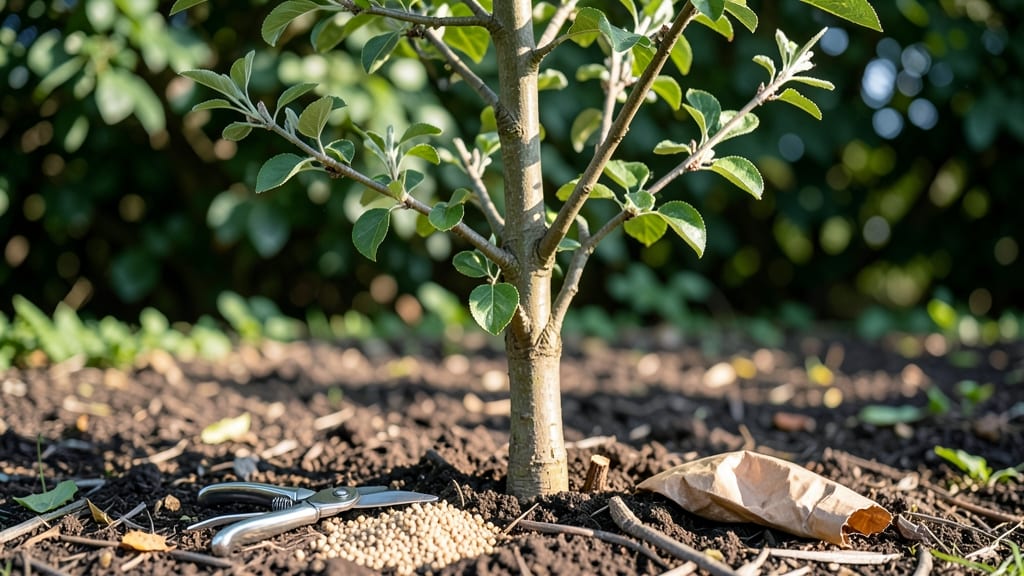
When your tree refuses to grow new branches, it’s often a simple fix—three strategic cuts in spring can wake up even the most stubborn wood. 🌿 I’ve watched bare-branched fruit trees and ornamental maples transform after applying this method, and the secret lies in understanding how trees heal.
The biggest mistake? Pruning at the wrong time or cutting in the wrong places—both can stunt regrowth instead of encouraging it. What you’ll need is just a sharp pair of pruners, a clean cut, and patience for the tree’s natural response.
Here’s the game-changer: focus on cutting just above outward-facing buds on the main trunk or scaffold branches. These buds hold the potential for new growth, and by directing energy there, you’re essentially telling the tree, “Grow here instead.”
For example, a neglected apple tree might need only three well-placed cuts to produce a fresh flush of branches by midsummer. The key is timing—spring, when sap is flowing but before new leaves unfurl, is when trees are most receptive to this kind of stimulus.
Within 4-6 weeks, you’ll start seeing tiny green shoots where you made your cuts, and by summer, those shoots will have hardened into sturdy new branches. The tree won’t just look fuller—it’ll be healthier, with better airflow and sunlight penetration.
This method works for fruit trees, shade trees like oaks, and even ornamental trees such as crape myrtles, though some species respond faster than others.
Fair warning: if your tree is struggling from disease or severe nutrient deficiency, pruning alone won’t fix it. That’s why I always check for signs of pests, discolored leaves, or compacted soil before making cuts—sometimes the real fix is feeding the roots or improving drainage first.
But for most cases, these three cuts are all it takes to coax new life from what looked like a lost cause.
📚 In This Guide
- What you need
- Instructions
- Tips and common mistakes
- Wrapping up and next steps
What you need
- ● Pruning shears – Bypass pruners (for small branches, ¼"–¾" thick)
- ● Loppers – For medium branches (¾"–2" thick)
- ● Pruning saw – For thick branches (2"+ thick); avoid cheap saws—sharpness matters!
- ● Rubbing alcohol (70%+) – 1 small bottle (for sterilizing tools)
- ● Garden gloves – 1 pair (cut-resistant for safety)
- ○ Tree wound sealant (optional but helpful) – 1 small tube (for cuts >½")
- ● Extension pole – For high branches (adjustable 4–8 ft)
- ● Disposable pruning bags – 2–3 bags (to collect debris)
- ● Tree growth hormone paste – 1 tube (speeds healing for large cuts)
- ● Ladder (if needed) – Sturdy step ladder (rated for your height/weight)
- ● Notebook & pen – To sketch your tree’s structure before/after pruning
Step-by-step guide to encourage new branch growth on trees
Here’s the method I’ve used to coax healthy new branches from stubborn trees—no fancy tools, just precise cuts and timing.
✂️ Step 1: Identify and Prune Last Year’s Growth
Start by locating the smallest, healthiest buds on the trunk or main branches—these are your future growth points. Look for swollen, green buds (not dried or brown ones) that appear in clusters. These are where new branches will emerge if stimulated.
Using clean, sharp pruning shears, make a 45-degree cut just above a bud on the outer side of the branch. This angle helps water run off, preventing rot. I like to make the cut about ¼ inch above the bud—close enough to encourage new growth but not so high that the wound heals over before buds wake up.
Real talk: If you see dead or crossing branches, remove those first. They compete with new growth and can block sunlight from reaching the buds you’re trying to activate. Just be sure to sterilize your shears with rubbing alcohol between cuts to avoid spreading disease.
🌱 Step 2: Stimulate Dormant Buds with a "Ring Cut"
This is where it gets interesting. Select a thin, pencil-sized branch (about ½ inch in diameter) that hasn’t produced new growth in years. Using a sharp knife or pruners, make a shallow, horizontal cut about ⅛ inch deep all the way around the branch, just above a cluster of buds.
This "ring cut" interrupts the flow of hormones that suppress new growth. The tree will respond by sending out suckers or new branches from the buds below the cut. I’ve seen dramatic results with apple, pear, and even stubborn oak trees—though oaks take a bit longer to respond.
Here’s the thing—don’t go deeper than ⅛ inch. Deeper cuts can girdle the branch and kill it. You’ll know you’ve done it right when you see tiny green shoots emerging within 4-6 weeks. If nothing happens after 8 weeks, the buds might still be dormant—try again next spring.
☀️ Step 3: Provide the Right Conditions for New Growth
New branches need full sun, consistent moisture, and protection to thrive. After pruning, water the base of the tree deeply but slowly—about 1 gallon per inch of trunk diameter—to encourage root activity. The roots will support the energy demands of new shoots.
Mulch the area around the tree with 2-3 inches of organic mulch (like shredded bark) to retain moisture and regulate soil temperature. Keep the mulch 6 inches away from the trunk to prevent rot. You’ll notice the soil stays moist longer, which is critical for young branches still establishing their root systems.
Finally, avoid fertilizing right after pruning. New growth is sensitive to excess nitrogen, which can lead to weak, floppy branches. Wait until you see new leaves unfurling before applying a balanced, slow-release fertilizer (like 10-10-10). This ensures the tree directs energy to root and branch development, not just foliage.
⏰ Step 4: Monitor and Repeat as Needed
Check your pruned areas every 2 weeks for signs of new growth. You’ll spot it first as tiny, bright green shoots poking through the bark or buds. These are your first true branches—handle them gently, as they’re fragile. If you see only a few shoots, the tree might need another round of cuts next spring.
If the new branches grow too fast (more than 6 inches in a season), they’ll be weak and prone to breaking. In that case, prune them back by ⅓ in early summer to encourage thicker, stronger growth. You’ll see a bushier, more balanced tree within 2-3 years of consistent pruning.
I know it seems counterintuitive to cut into a tree to make it grow, but trust the process. The key is patience and precision. Even the most stubborn trees can transform with the right cuts and care—just give it time.
Tips & tricks for perfect springtime tree pruning
These simple techniques will help you encourage new growth without damaging your tree—just like we've done with our own backyard fruit trees.
Precision Cutting: When making your 45-degree cuts in Step 1, use a ruler or measuring tape to ensure you're exactly ¼ inch above the bud. This precise spacing creates the ideal environment for new branches to emerge. I learned this the hard way after seeing too many cuts heal over before buds could wake up—now I always double-check with a small measuring tool. The angle matters too: make sure the outer side of the cut faces away from the branch to prevent water pooling.
Timing is Everything: The best time to perform these cuts is during late winter or early spring, just before buds begin to swell but before leaves emerge. This timing gives the tree's energy reserves a chance to focus on new growth rather than leaf production. If you're in a warmer climate, aim for February or March when most trees are still dormant but will soon break dormancy. You'll know you've timed it right when you see those first tiny green shoots within 4-6 weeks.
Tool Maintenance: Sterilizing your pruning shears between cuts is absolutely critical—we can't stress this enough! After each cut, wipe the blades with rubbing alcohol or a 10% bleach solution to prevent spreading disease between branches. I keep a small spray bottle of diluted bleach water nearby for quick sanitizing. Sharp tools also make cleaner cuts that heal faster, so take a minute to sharpen your shears before starting. Dull blades crush plant tissue, creating larger wounds that take longer to heal.
Tree-Specific Adjustments: Different tree species respond differently to pruning. For fruit trees like apple or pear, you'll often see results within 4-6 weeks. With oak trees, be patient—you might need to wait up to 8 weeks before seeing any signs of new growth. If your tree doesn't respond after the first attempt, try again next spring. We've found that younger trees (under 10 years old) typically respond best to these techniques, while mature trees may need more aggressive cuts or additional stimulation.
Pro Tips for Make A Tree Grow New Branches
- These simple techniques will help you encourage new growth without damaging your tree—just like we've done with our own backyard fruit trees.
- Precision Cutting: When making your 45-degree cuts in Step 1, use a ruler or measuring tape to ensure you're exactly ¼ inch above the bud.
- Timing is Everything: The best time to perform these cuts is during late winter or early spring, just before buds begin to swell but before leaves emerge.
Frequently asked questions
Got questions about coaxing new growth from your trees? You’re not alone! Here are some of the most common concerns—and straightforward answers—to help you get started with confidence.
Can I make a tree grow new branches without pruning?
While pruning is the most effective way to stimulate new growth, you can try selective fertilization or thinning the canopy to encourage light penetration. However, strategic cuts (like heading cuts) are the fastest way to trigger branching. For mature trees, a light pruning in early spring often works wonders!
How long does it take to see new branches after pruning?
New growth typically appears within 4–8 weeks after pruning, depending on the tree species and season. Evergreens may show slower results, while deciduous trees like maples or oaks often sprout fresh shoots by late spring. Patience is key—avoid over-pruning, as this can stress the tree.
What if my tree doesn’t grow new branches after pruning?
If no new branches emerge, check these factors:
- Timing: Prune too late in the season (fall/winter), and growth may stall until spring.
- Health: Diseased or nutrient-deficient trees struggle to regenerate. Test soil or consult an arborist.
- Species: Some trees (e.g., fruit trees) need specific techniques like spreading or ring-barking for branching.
Try a second round of light pruning in early spring if needed.
Is it safe to prune a young tree to encourage branching?
Yes! Young trees (under 5 years old) respond well to heading cuts (trimming just above a bud). Avoid removing more than 25% of the canopy at once to prevent shock. For fruit trees, prune in late winter to promote both structure and fruit production.
What’s the difference between heading cuts and thinning cuts for branching?
| Heading Cuts | Thinning Cuts |
|---|---|
| Cut just above a bud to encourage multiple new shoots. | Remove an entire branch back to its collar to improve airflow and reduce crowding. |
| Best for dense foliage or bare stems. | Best for structural integrity and light penetration. |
Pro tip: Use heading cuts for new growth and thinning cuts for long-term health.
Wrapping up and next steps
Encouraging new growth in your tree is all about timing, technique, and patience—and you’ve got this! 🌱 By mastering the 3 key cuts (thinning, heading back, and renewal pruning), you’re giving your tree the perfect springtime boost to flourish.
Remember, every snip is a step toward a healthier, fuller canopy, so don’t hesitate to roll up your sleeves and get pruning!
Ready to see real results? Start small—pick one tree this season, apply these methods, and track its progress. Before you know it, you’ll be the neighborhood pruning pro! 🌿✨