
Trees
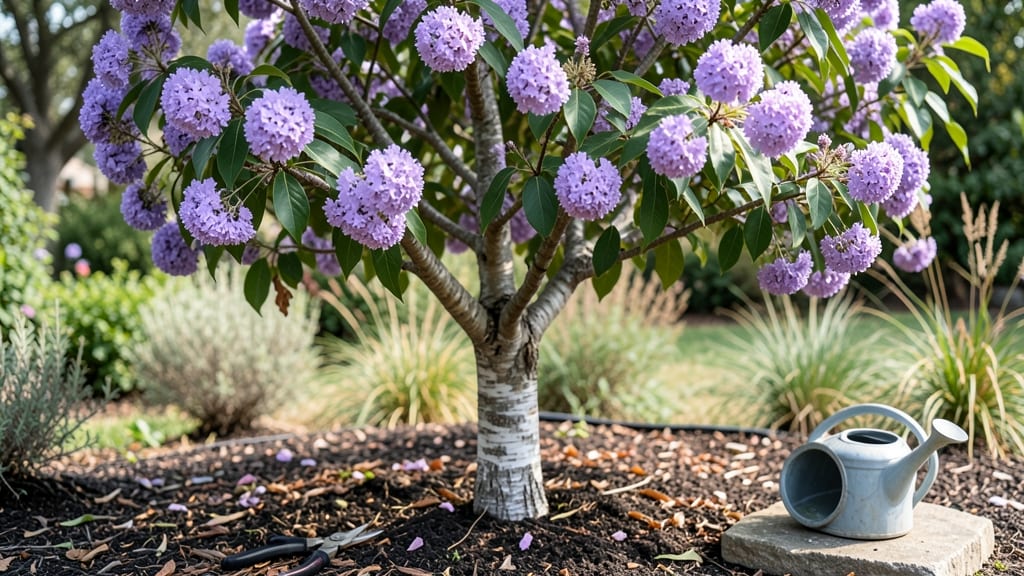
The purple crape myrtle trees in my yard are the showstopper of my landscape—blooming from summer through fall, with striking bark in winter, and requiring almost no effort. 🌿 I planted mine last spring, and now they’ve transformed any garden into a vibrant purple dream.
The best part? They thrive in tough conditions where other trees struggle.
These trees love full sun and well-draining soil, but they’re forgiving if you forget to water occasionally. They handle heat, drought, and even poor soil better than most ornamental trees. Once established, they need minimal care—just prune dead wood in late winter and watch them shine.
You’ll get long-lasting blooms in shades of lavender, purple, or pink, plus peeling bark that adds winter interest. They attract hummingbirds and butterflies too, making your garden a lively hub. Perfect for small yards, urban spaces, or as a focal point in larger landscapes.
Whether you’re a beginner or an experienced gardener, purple crape myrtles are foolproof and stunning. Let’s get yours planted and thriving—it’s easier than you think!
📚 In This Guide
- What you need
- Instructions
- Tips and common mistakes
- Wrapping up and next steps
What you need
- ● Purple crape myrtle trees: 1-3 nursery-grown saplings (3–6 feet tall, depending on desired maturity speed). Choose Lagerstroemia varieties like 'Natchez,' 'Tonto,' or 'Muskogee.'
- ● Shovel or trowel: A 12-inch digging spade for planting holes.
- ● Garden gloves: A pair of durable, well-fitting gloves to protect your hands.
- ○ Mulch (optional but recommended): 2–3 bags of organic mulch (pine straw, wood chips, or shredded bark) for moisture retention and weed control.
- ● Well-draining potting mix or native soil: 1–2 cubic yards of amended soil if planting in poor-quality dirt (add compost or peat moss for better drainage).
- ● Watering can or hose with a gentle spray nozzle: For post-planting hydration.
- ● Pruning shears: Sharp, clean shears for trimming dead or overgrown branches (sterilize with rubbing alcohol between cuts).
- ● Stakes and twine (if needed): 2–3 stakes and soft twine for young trees in windy areas.
- ● Tree fertilizer: Slow-release granules (10-10-10 NPK ratio) for the first planting season.
- ● Tree collar guard: A plastic or metal barrier to protect the trunk from lawnmowers.
- ● Soil pH test kit: To check and adjust soil acidity (purple crape myrtles prefer slightly acidic to neutral soil, pH 6.0–7.0).
- ● Drip irrigation system: For automated watering, especially in hot climates.
- ● Tree wrap: For young trees in cold climates to prevent winter damage.
How to plant and maintain purple crape myrtle trees for stunning year-round color
These vibrant trees thrive with just the right balance of sun, soil, and seasonal care.
🌱 Step 1: Choose the Perfect Planting Location
Purple crape myrtles love full sun—at least 6-8 hours daily. I always pick a spot with southern exposure where they'll get morning sun and afternoon light without harsh midday glare. The soil should drain well; these trees hate soggy roots, so avoid low areas where water pools.
Dig a hole twice as wide as the root ball but only as deep. The top of the root ball should sit 1-2 inches above ground level—this prevents water from pooling around the trunk. If your soil is heavy clay, mix in 2-3 inches of compost into the bottom of the hole to improve drainage.
🪴 Step 2: Plant with Proper Spacing and Support
Space your purple crape myrtles 10-15 feet apart—they grow 15-20 feet tall and need room to develop their signature layered blooms. Remove any nursery pots and loosen the roots gently if they're circling. Place the tree in the hole and backfill with native soil, tamping lightly as you go to eliminate air pockets.
Water deeply after planting to settle the soil, then add a 2-inch layer of mulch around the base, keeping it 3-4 inches away from the trunk. Too much mulch suffocates roots, and too little leaves soil exposed to dry out. A young tree needs 1-2 gallons of water every 2-3 days until established.
☀️ Step 3: Prune for Health and Spectacular Blooms
Here's the thing—purple crape myrtles bloom on new wood, so I prune them late winter or early spring before buds swell. Remove 1/3 of the oldest stems at the base to encourage fresh growth. Cut back any dead or crossing branches, and shape the tree to maintain an open center—this prevents disease and improves airflow.
Never "top" the tree by cutting the main stem—this creates ugly stubs and weak growth. Instead, prune just above a outward-facing bud. After flowering, trim spent blooms back to the first set of leaves to encourage a second flush of color in some varieties.
💧 Step 4: Water and Fertilize for Year-Round Vibrancy
Established purple crape myrtles are drought-tolerant once rooted, but young trees need deep watering every 5-7 days during dry spells. Water at the base, not overhead—this prevents fungal diseases like powdery mildew that can mar those gorgeous purple blooms. You'll know it's time when the top 6 inches of soil feel dry.
Fertilize lightly in early spring with a balanced 10-10-10 formula, applying ½ cup per inch of trunk diameter. Avoid high-nitrogen fertilizers—they promote leafy growth at the expense of flowers. A light feeding in mid-summer keeps foliage lush without overwhelming the tree.
✂️ Step 5: Protect and Maintain Through Seasons
Winter care is minimal—just remove any dead blooms and check for pests like aphids or scale. If you live in a cold climate (below 0°F), wrap young trees in burlap for the first few winters to prevent winter burn. Purple crape myrtles handle heat beautifully, but they'll reward you with longer blooming seasons if you keep them well-watered during summer heatwaves.
Watch for signs of stress: yellowing leaves often mean overwatering, while crispy edges signal underwatering. A healthy tree has deep green foliage and plump, vibrant blooms from summer through fall. With this care routine, your purple crape myrtles will become the showstopper of your landscape year after year.
Tips & tricks for perfect purple crape myrtle trees
These small details make all the difference between a struggling shrub and a showstopping landscape star.
Sunlight Optimization: While 6-8 hours of sun is ideal, I've found that morning sun paired with afternoon shade in hot climates actually preserves more vibrant blooms. If your location gets intense afternoon sun, consider planting near a structure that provides filtered shade during peak heat hours—this prevents leaf scorch while maintaining that stunning purple hue.
Root Ball Elevation: That 1-2 inch elevation above ground level isn't just about drainage—it creates a natural barrier against winter freeze-thaw cycles. In colder regions, I go an extra step by adding a 3-inch layer of gravel around the base after planting. This creates an insulating air pocket that protects roots during those critical first winters below 0°F.
Pruning Precision: When removing 1/3 of the oldest stems in late winter, target the thickest, most woody branches first. These are the ones that steal energy from new growth. I use sharp loppers to make clean cuts just above outward-facing buds—this creates stronger branch development. For the first two years after planting, I skip this pruning entirely to establish a strong root system.
Watering Wisdom: The 5-7 day watering schedule works for most climates, but I adjust based on soil type. For sandy soils, I water every 4-5 days since water drains too quickly. For clay soils, I extend to 7-10 days once established—the roots actually prefer slightly drier conditions. Always water deeply until you see moisture reach 12 inches down, not just the top 6 inches.
Pro Tips for Purple Crape Myrtle Trees
- These small details make all the difference between a struggling shrub and a showstopping landscape star.
- Sunlight Optimization: While 6-8 hours of sun is ideal, I've found that morning sun paired with afternoon shade in hot climates actually preserves more vibrant blooms.
- Root Ball Elevation: That 1-2 inch elevation above ground level isn't just about drainage—it creates a natural barrier against winter freeze-thaw cycles.
Frequently asked questions
Got questions about purple crape myrtle trees? You’re not alone!
Whether you're a first-time gardener or a seasoned landscaper, these answers will help you grow stunning, low-maintenance trees with vibrant purple blooms. Let’s dive in!
How fast do purple crape myrtle trees grow?
Purple crape myrtles grow at a moderate pace, typically adding 12–24 inches per year under ideal conditions. With proper care—like well-draining soil and sunlight—they can reach 6–10 feet tall in just 3–5 years. Dwarf varieties (like 'Arapaho' or 'Muskogee') stay smaller, growing only 3–6 feet, making them perfect for tighter spaces. Pro tip: Prune in late winter to encourage bushier growth and more blooms!
When is the best time to plant purple crape myrtle trees?
The ideal planting window is early spring or fall (4–6 weeks before the first frost). This gives roots time to establish before extreme heat or cold sets in. Avoid planting in summer’s scorching heat or winter’s freeze, as both stress young trees. If you must plant in summer, water deeply daily for the first 2 weeks to help them adjust. Bonus: Fall-planted trees often bloom earlier the following year!
What pests or diseases should I watch for with purple crape myrtles?
These trees are disease-resistant, but a few pests might pay a visit:
- Aphids: Tiny green/black bugs that cluster on new growth. Solution: Blast them off with water or use insecticidal soap.
- Japanese beetles: Chew leaves, leaving skeletonized foliage. Solution: Handpick them or use neem oil.
- Powdery mildew: White fungal spots (rare but possible in humid areas). Solution: Improve airflow and spray with fungicide if needed.
Can I grow purple crape myrtles in containers?
Dwarf varieties
(like 'Tonto' or 'Zuni') thrive in large containers (15+ gallons) with drainage holes. Use a light, well-draining potting mix and repot every 2–3 years. Place them in full sun and water when the top inch of soil is dry. Pro move: Move containers indoors (or to a sheltered spot) if temperatures drop below 20°F to protect them over winter. Design hack: Group containers with complementary plants (like lavender or ornamental grasses) for a cohesive look!
What’s the best way to prune purple crape myrtles?
Prune in late winter or early spring (before new growth starts) to:
- Remove dead or crossing branches (use clean, sharp pruners).
- Avoid "crape murder"—never cut the trunk or stubs (this invites disease).
- Lightly shape the tree by trimming back 1/3 of the previous year’s growth to encourage dense blooms.
Wrapping up and next steps
Incorporating a purple crape myrtle tree into your landscape is a game-changer—it delivers stunning year-round beauty with surprisingly low-maintenance care. Whether you’re drawn to its vibrant blooms, drought-resistant nature, or adaptability, this tree is a standout choice for both beginners and seasoned gardeners. 🌸
Ready to transform your outdoor space? Start by selecting the perfect variety for your climate, then follow the simple planting and care tips shared here. Watch your yard bloom with effortless elegance! 🌿