
Planting
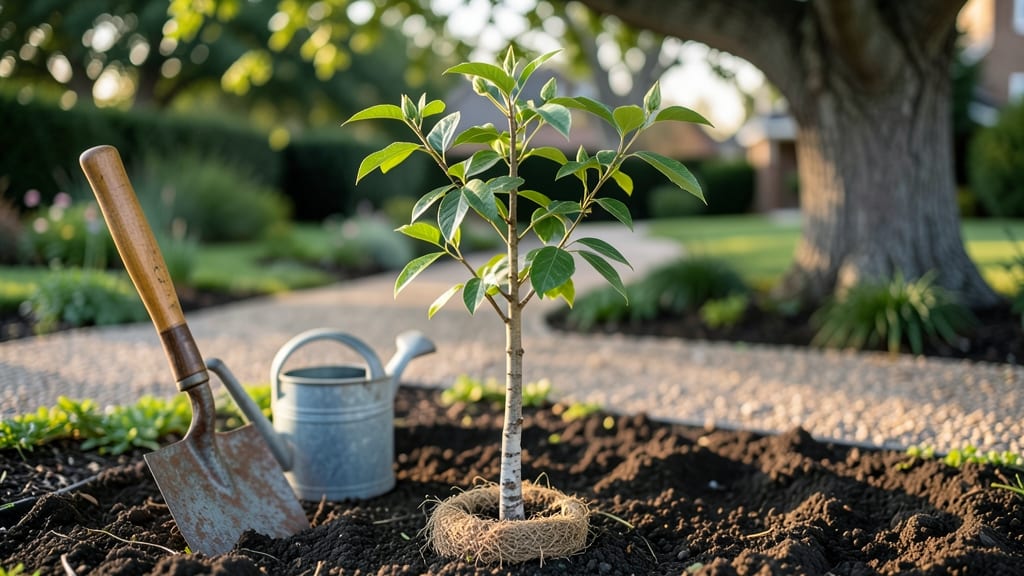
Planting a crape myrtle tree starts with the right timing—late spring or early fall when temperatures are mild and roots can establish before summer heat or winter frost. I learned this the hard way after planting mine in July, only to watch it struggle through the first winter.
The secret isn’t just digging a hole; it’s about mimicking the tree’s natural habitat with well-draining soil and plenty of sunlight.
You’ll need a hole twice as wide as the root ball but no deeper, plus compost mixed into the native soil to improve drainage. Crape myrtles hate soggy roots, so if your soil stays wet, add a layer of gravel at the bottom.
Water deeply after planting, then again every 2-3 days until new growth appears—this helps the roots spread outward instead of staying tight in the root ball.
Within a year, you’ll see those signature peeling bark and vibrant blooms that make crape myrtles the star of any landscape. The key to long-term success? Mulch around the base to retain moisture and keep weeds away, but leave a few inches of space around the trunk.
This simple step prevents rot and gives your tree the best chance to thrive for decades.
For those in colder climates, wait until spring to plant—crape myrtles are tender and need time to harden off. And if you’re in a hot, dry region, consider planting near a water source or using drip irrigation to keep the roots happy during the first growing season.
The payoff? A tree that blooms reliably and becomes the centerpiece of your yard.
📚 In This Guide
- What you need
- Instructions
- Tips and common mistakes
- Wrapping up and next steps
What you need
- ● Crape myrtle tree – Choose a healthy 1- to 3-gallon container-grown specimen (bare-root options work too, but require extra care). Pick a variety suited to your climate (e.g., Lagerstroemia indica for heat zones 6-9).
- ● Shovel or trowel – A round-point shovel (for digging) or a hand trowel (for smaller holes).
- ● Garden gloves – Heavy-duty nitrile or leather gloves to protect your hands from thorns and rough soil.
- ● Mulch – 2-3 inches of organic mulch (pine straw, shredded bark, or compost) to retain moisture and suppress weeds.
- ● Watering can or hose with a gentle spray nozzle – Aim for 1-2 gallons of water per week (adjust for drought conditions).
- ○ Fertilizer (optional but recommended) – A slow-release, balanced fertilizer (10-10-10) or organic compost to boost root growth.
- ● Soil amendment – Mix in compost or peat moss if your soil is heavy clay or sandy for better drainage.
- ● Tree stake & tie – Useful for young or top-heavy trees in windy areas (avoid over-tightening!).
- ● Pruning shears – For trimming dead branches or shaping after planting.
- ● Planting hole marker – A stake or flag to mark the hole if you’re planting in a group or need to step away.
- ● Tree guard or protective barrier – Helps deter deer, rabbits, or pets from nibbling on young bark.
Step-by-step instructions for planting a crape myrtle tree
Here's how to get your crape myrtle off to the strongest start possible.
Choose the Perfect Planting Spot
Crape myrtles crave sunlight, so pick a location that gets at least 6-8 hours of direct sun daily. Avoid low spots where water pools after rain—they hate soggy roots. I like to plant mine where they’ll have room to spread, about 15-20 feet from sidewalks or driveways since mature trees can reach 15-30 feet wide. Check your yard’s drainage by digging a small hole and filling it with water—if it doesn’t drain within 30 minutes, amend the soil with 2-3 inches of compost to improve drainage.
If your yard has harsh winter winds, plant on the leeward side of a fence or building. The bark is sensitive to winter sunburn, so a little protection goes a long way. Real talk: I’ve seen crape myrtles planted in shady spots struggle to bloom—don’t skip the sun check!
Dig the Right-Sized Hole
Dig a hole twice as wide as the root ball but no deeper than the container’s depth. This encourages roots to spread outward instead of circling, which can strangle the tree later. I use a shovel to loosen the sides of the hole—this prevents compacted soil from pressing against the roots when you backfill. If your soil is heavy clay, mix in a handful of peat moss or compost to improve texture.
Don’t dig too deep! The top of the root ball should sit 1-2 inches above ground level after planting. This prevents water from pooling around the trunk, which can cause rot. If you’re unsure, mark the root ball’s top with a pencil before digging.
Plant and Water Deeply
Gently remove the tree from its container and loosen any circling roots with your fingers. Place it in the hole so the root ball sits level with the surrounding soil. Backfill with the native soil (no need for extra amendments unless your soil is terrible), tamping lightly every 2-3 inches to remove air pockets. Water deeply after planting—1-2 gallons—to settle the soil and eliminate gaps.
Mulch around the base with 2-3 inches of organic mulch, keeping it 3-4 inches away from the trunk to prevent rot. A 3-foot-wide mulch ring helps retain moisture and regulate soil temperature. Water again after mulching to help it settle.
Support and Protect the New Tree
Stake the tree only if it’s taller than 6 feet or in a windy area. Use two stakes placed 6 inches from the trunk and tie with soft fabric strips—never wire, which can cut into the bark. Prune any broken branches immediately, but avoid heavy pruning now. Crape myrtles bloom on new growth, so wait until late winter or early spring for shaping.
Watch for wilting in the first few weeks—this usually means the roots haven’t connected yet. Water deeply every 5-7 days if rainfall is light. Overwatering is worse than underwatering, so let the soil dry slightly between waterings. You’ll know it’s thriving when new leaves appear within 4-6 weeks.
Tips & tricks for planting a crape myrtle tree
Took me a while to figure these out, so here goes—simple tricks that’ll help your crape myrtle thrive from day one.
Sunlight Strategy: That 6-8 hours of direct sun isn’t just a recommendation—it’s non-negotiable for blooms. I’ve planted mine in partial shade, and while they survive, they never produce those showstopping flowers. If your yard has spots with less sun, consider a smaller variety like 'Arapaho' that tolerates partial shade better than most. The key is to avoid anything under 4 hours of sun.
Root Ball Inspection: Before planting, check for any circling roots in Step 3—these can strangle your tree later. I learned this the hard way after watching a neighbor’s tree struggle for years. Use your fingers to gently tease them apart, or make small vertical cuts with a clean knife if they’re tightly wound. This single step makes all the difference in how quickly roots establish.
Watering Wisdom: Those 1-2 gallons after planting aren’t just for show—they’re critical for eliminating air pockets around the roots. I’ve seen trees wilt within weeks because the soil didn’t settle properly. After watering, press your finger into the soil about 2 inches deep. If it’s dry, water again. The goal is moist but not soggy soil at planting time.
Mulch Mastery: The 2-3 inches of organic mulch should cover the entire 3-foot diameter, but here’s the trick: rake it away from the trunk in a cone shape. This prevents moisture from pooling right against the bark, which causes rot. I’ve seen even experienced gardeners forget this detail—don’t make their mistake!
Pro Tips for How Do You Plant A Crape Myrtle Tree
- Took me a while to figure these out, so here goes—simple tricks that’ll help your crape myrtle thrive from day one.
- Sunlight Strategy: That 6-8 hours of direct sun isn’t just a recommendation—it’s non-negotiable for blooms.
- Root Ball Inspection: Before planting, check for any circling roots in Step 3—these can strangle your tree later.
Frequently asked questions
Got questions?
Here are answers to the most common queries about planting and caring for your crape myrtle tree—so you can grow a stunning, long-lasting beauty with ease!
When is the best time to plant a crape myrtle?
The ideal time to plant crape myrtles is in early spring (just before new growth starts) or fall (4-6 weeks before the first frost). This gives roots time to establish before extreme heat or cold. Avoid planting in summer’s scorching heat—it stresses young trees!
How far apart should I space crape myrtle trees?
Spacing depends on the variety! For standard-sized crape myrtles (15–25 ft tall), plant them 10–15 feet apart. Dwarf varieties (6–10 ft) can be spaced 6–8 feet apart. Give them room to grow—crowding leads to poor airflow and disease risks.
Why is my crape myrtle’s bark peeling?
Peeling bark is normal for mature crape myrtles (especially in winter). It’s their way of shedding old, damaged layers. However, if you see black, oozy patches or excessive peeling, it could signal bacterial infections or insect damage. Prune affected areas and monitor for pests like scale.
Can I grow a crape myrtle in a container?
Yes! Dwarf varieties (like ‘Acoma’ or ‘Dynamite’) thrive in large containers (15+ gallons) with drainage holes. Use well-draining potting mix and repot every 2–3 years. Place them in full sun and water consistently—containers dry out faster than ground soil!
What pests should I watch for?
Keep an eye out for:
- Aphids: Tiny green/black bugs clustering on new growth (use soapy water spray).
- Scale insects: Bumpy, waxy bumps on stems/leaves (scrub with rubbing alcohol).
- Japanese beetles: Chew leaves into lace-like patterns (handpick or use neem oil).
Wrapping up and next steps
Planting a crape myrtle tree is a rewarding experience that brings vibrant blooms and lasting beauty to your landscape! 🌸 By choosing the right location, preparing the soil, and following proper planting techniques, you’ll set your tree up for years of stunning summer color.
Now that you’re equipped with the know-how, grab those gloves and get ready to transform your yard—your crape myrtle is waiting for its new home!
Ready to watch it grow? Next, check out our guide on crape myrtle care tips to keep your tree thriving! 🌱