Trees
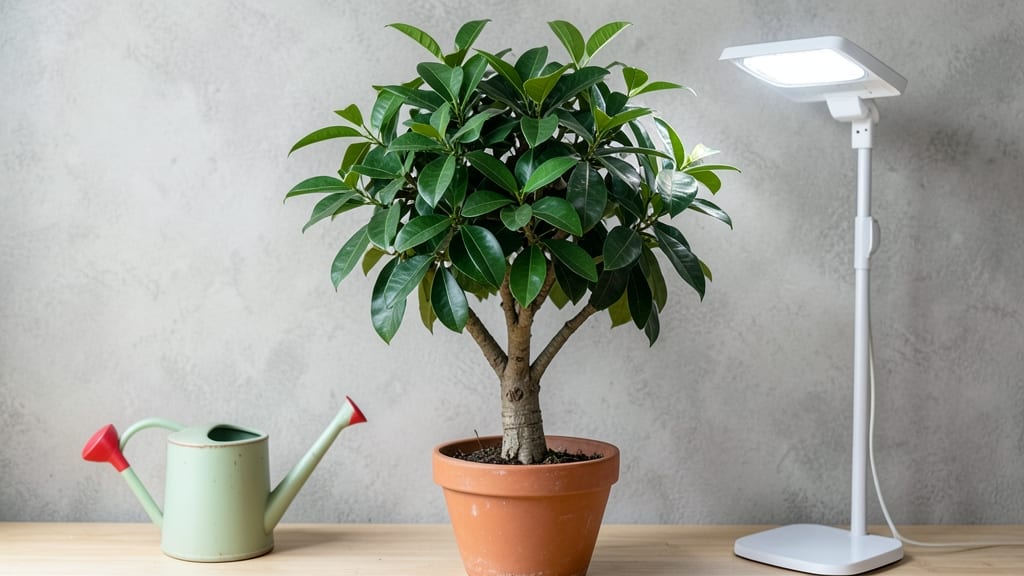
Growing a mango tree indoors lets you taste tropical fruit without the heat or humidity. 🌱 I’ve nurtured these lush trees in my sunroom for years, and the secret isn’t complicated—just the right light, a spacious pot, and patience.
The first time I saw tiny leaves unfurl after months of careful care, I knew this was possible for anyone with a bright spot and steady hands.
You’ll need a 5-gallon container with drainage, well-draining soil, and a spot that gets 6+ hours of sunlight daily—a south-facing window or grow lights work best. Mango trees love warmth (70-85°F) and occasional misting to mimic their tropical roots.
The biggest challenge? Indoor trees rarely fruit, but the glossy leaves and fragrant blooms make up for it.
With consistent care, your tree will grow 3-6 feet tall in a few years, its dark green leaves reaching for the light like a sun-worshipper. The real magic happens in spring when tiny white flowers appear—even if they don’t turn into fruit, the scent alone is worth the effort.
Prune lightly to shape it and keep it manageable.
This project thrives in apartments, sunrooms, or even greenhouses—anywhere you can control light and temperature. The key is treating it like a houseplant with tropical needs. Ready to start your own indoor jungle?
📚 In This Guide
- What you need
- Instructions
- Tips and common mistakes
- Wrapping up and next steps
What you need
- ● Mango Seedling or Seed: 1 healthy mango seedling (preferred for faster growth) or 1 fresh, viable mango seed (germination can take 2-4 weeks)
- ○ Pot: 1 10-15 gallon container (minimum 12" diameter) with drainage holes Optional: Fabric grow bag (for better aeration and root health)
- ○ Potting Mix: 1 bag well-draining cactus/succulent mix (or blend with perlite/pumice for aeration) Optional: Compost or worm castings (for nutrient boost)
- ○ Growing Supplies: 1 spray bottle (for humidity control) 1 humidifier (optional but helpful in dry climates) 1 grow light (full-spectrum LED, 12-16 hrs/day) or south-facing window 1 thermometer/hygrometer (to monitor ideal temps: 65-85°F)
- ○ Fertilizer: 1 balanced liquid fertilizer (e.g., 10-10-10 or organic fish emulsion) 1 slow-release granular fertilizer (optional, for steady nutrients)
- ● Pruning Tools: 1 sterilized pruning shears 1 sharp knife (for seed germination prep)
- ● 1 self-watering pot (to prevent over/under-watering) 1 rooting hormone (if propagating from cuttings) 1 trellis or support stake (as the tree grows taller) 1 mulch or pebbles (to retain moisture and mimic tropical conditions) 1 pH testing kit (ideal soil pH: 5.0-7.0)
Step-by-Step instructions for growing a mango tree indoors
Here's how to nurture a tropical mango tree from seed to fruiting potential.
🌱 Step 1: Prepare and Plant the Mango Pit
Start with a fresh, organic mango pit—avoid store-bought fruit treated with sprays. Scrub the pit gently to remove any flesh, then let it dry for 24 hours at room temperature. This prevents mold while keeping the seed viable.
Fill a 4-inch diameter pot with sterile seed-starting mix (no garden soil—it compacts too much). Plant the pit 1 inch deep, with the pointed end facing up. The flat side should rest against the pot wall for proper orientation. Press the soil lightly around it, then water until moisture reaches 1 inch deep—the mix should feel damp but not soggy.
Here's the thing—mango pits need warmth to germinate. Place the pot in a warm spot (75-85°F) like on top of a refrigerator or near a sunny window. Cover the pot loosely with plastic wrap to retain humidity, but leave a small gap for airflow. Check daily for condensation—remove the wrap if water droplets form.
☀️ Step 2: Provide Light and Monitor Germination
Once the pit sprouts (usually 2-4 weeks), move it to bright, indirect light immediately. A south-facing window works best, but avoid harsh afternoon sun, which can scorch the delicate seedling. If natural light is weak, supplement with a grow light positioned 6 inches above the plant for 12-14 hours daily.
Water when the top inch of soil feels dry—stick your finger in to check. Overwatering is the fastest way to kill a young mango tree. The seedling’s first leaves (cotyledons) will appear pale and waxy. Once true leaves (small, rounded, and darker green) emerge, you’ve passed the critical phase. This is when you can reduce humidity coverage gradually over 5-7 days.
Real talk: Your seedling might grow unevenly at first. If it leans toward the light, rotate the pot a quarter turn daily to encourage straight, sturdy growth. Weak stems won’t support the tree’s eventual weight.
🪴 Step 3: Transplant and Train for Strong Growth
After 6-8 weeks, when the seedling reaches 6-8 inches tall with 4-6 true leaves, it’s time to repot. Choose a 6-inch diameter pot with drainage holes and fill it with a mix of 50% potting soil and 50% perlite for aeration. Gently remove the seedling, loosen the roots, and plant it 1 inch deeper than before to stabilize the stem.
Mango trees thrive in warmth (65-85°F) and high humidity. If your home is dry, place the pot on a tray filled with 1 inch of pebbles and water—the evaporation creates a natural humidity dome. Mist the leaves 2-3 times weekly to mimic tropical conditions. Avoid cold drafts, which stunt growth or cause leaf drop.
This is the moment that matters: Start pruning leggy growth to encourage bushier development. Pinch back the top set of leaves when the stem reaches 12 inches tall. This redirects energy to lateral branches, which will support future fruit production. Use clean, sharp scissors to make cuts just above a leaf node.
⏰ Step 4: Maintain and Prepare for Potential Fruiting
By 12 months, your mango tree should be 3-4 feet tall with a sturdy trunk. Now, it’s time to focus on nutrients and light. Feed every 4-6 weeks with a balanced liquid fertilizer (10-10-10) diluted to half strength. Water deeply once weekly, letting excess drain away completely—root rot is a silent killer.
Indoor mango trees rarely fruit, but with perfect conditions, you might see blossoms after 3-5 years. To encourage flowering, reduce water slightly in winter and provide 12 hours of bright light daily. If buds form, hand-pollinate with a soft brush to transfer pollen between flowers. Even if no fruit develops, the tree’s lush foliage and exotic beauty make it worth the effort.
Don’t skip this (I learned the hard way): If leaves yellow between veins, it’s a sign of iron deficiency. Treat with chelated iron supplement and ensure the pot has drainage—waterlogged roots block nutrient uptake.
Tips & tricks for perfect indoor mango tree growth
Here's what nobody tells you about nurturing a tropical mango tree indoors—details that make all the difference.
Germination Warmth Secret: That 75-85°F range for Step 1 isn't just a suggestion—it's critical. I've seen pits fail to sprout when placed in cooler spots. For extra reliability, try placing your pot on top of a refrigerator or near a sunny window with indirect heat. If your home stays below 70°F, consider using a small heating mat designed for seedlings. The pit needs consistent warmth to break its dormancy, and even small fluctuations can delay germination for weeks.
Light Transition Strategy: When your seedling first sprouts in Step 2, the sudden move to bright light can shock it. Start by placing it just 3-4 inches from the window for the first 2-3 days, then gradually increase to 6 inches. Watch for pale leaves—they're a sign it needs more light, but sudden exposure causes leaf burn. If using a grow light, position it closer (4 inches) for the first week, then move it up to 6 inches. Remember, mango trees need plenty of light to develop strong stems that can support future fruit.
Pruning Technique: In Step 3, when you reach the 12-inch height for pruning, don't just snip the top leaves—look for the first set of true leaves that are about 2-3 inches apart. Make your cut just above this node at a 45-degree angle. This angled cut prevents water from pooling on the stem, which can cause rot. I've learned this the hard way after seeing pruned stems develop fungal issues. Also, always use sterilized scissors to prevent introducing pathogens to your young tree.
Fertilizer Timing: The 4-6 week feeding schedule in Step 4 works, but there's a trick: Always feed right after watering. This gives the roots time to absorb moisture first, preventing fertilizer burn. I've seen seedlings develop brown leaf tips when fertilized on dry soil. Also, in winter when growth slows, reduce to every 8-10 weeks. The tree's needs change with the seasons, just like outdoor plants. And remember, more fertilizer isn't better—stick to that half-strength dilution to avoid overfeeding.
Pro Tips for Grow Mango Tree Indoors
- Here's what nobody tells you about nurturing a tropical mango tree indoors—details that make all the difference.
- Germination Warmth Secret: That 75-85°F range for Step 1 isn't just a suggestion—it's critical.
- Light Transition Strategy: When your seedling first sprouts in Step 2, the sudden move to bright light can shock it.
Frequently asked questions
Got questions?
Growing a mango tree indoors is rewarding but comes with unique challenges. Here are answers to the most common queries to help you nurture your tropical treasure with confidence!
Can a mango tree really bear fruit indoors?
While it’s possible—especially with dwarf varieties like ‘Cogshall’—indoor mango trees rarely produce fruit due to limited sunlight, space, and pollination. Focus on growing a lush, ornamental tree first! If you’re determined to try, hand-pollinate flowers with a soft brush and ensure bright, indirect light for 12+ hours daily.
How long does it take for an indoor mango tree to grow?
Growth speed depends on care, but expect:
- Seedlings: 2–5 years to reach 3–6 feet tall.
- Grafted trees: Faster growth (1–3 years) but pricier upfront.
Why are my mango tree leaves turning yellow?
Yellow leaves usually signal overwatering or nutrient deficiencies. Check these fixes:
- Let the top 1–2 inches of soil dry between waterings.
- Flush the pot with water to remove salt buildup.
- Fertilize monthly with a balanced citrus/mango blend (e.g., 6-6-6 NPK).
What’s the best indoor pot size for a mango tree?
Start with a 5–7 gallon pot for seedlings, then upgrade as the tree grows. Mango roots need depth and drainage—opt for:
- Containers with drainage holes (no soggy roots!).
- Fabric grow bags for air circulation (prevents root rot).
- Width > height (shallow but wide pots mimic tropical conditions).
Can I grow a mango tree from a store-bought fruit?
Pit a ripe mango, rinse the seed, and plant it in moist soil. Germination takes 2–4 weeks (keep soil warm, ~75°F). However:
- Seedlings may take 5+ years to fruit (if ever).
- Fruit quality is unpredictable—grafted trees are more reliable.
Wrapping up and next steps
Growing a mango tree indoors is a rewarding journey that brings a taste of the tropics right to your living space! 🌱 With the right care—sunlight, patience, and a dash of love—you can nurture a thriving potted mango that may even bear fruit one day.
Start small, stay consistent, and celebrate every leaf and branch as a victory.
Ready to take the next step? Pick your favorite mango variety, gather your supplies, and get planting! Whether you’re a beginner or a seasoned plant parent, your indoor mango tree awaits—happy growing! 🌟