
Pruning
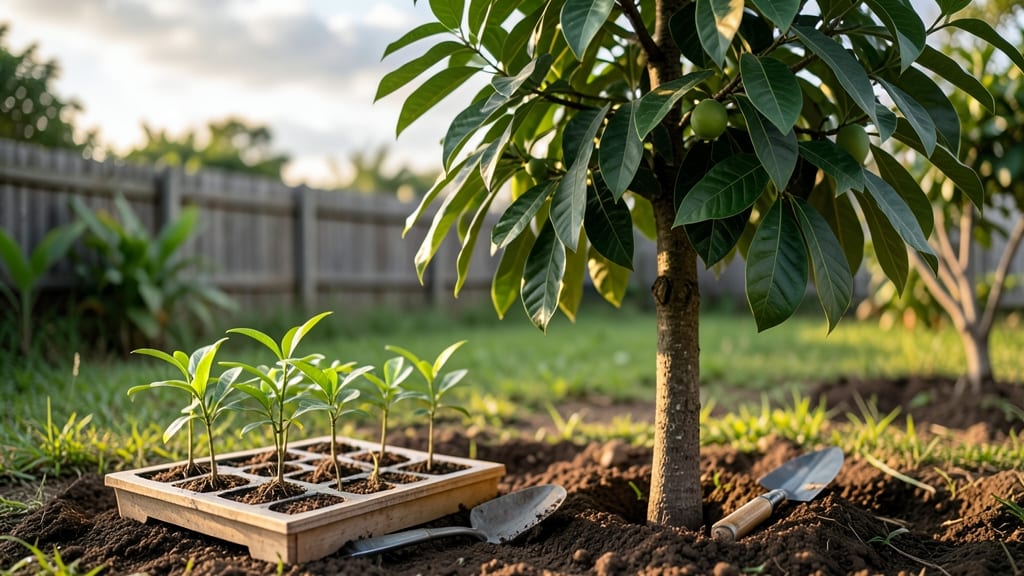
Cultivating a mango tree from seed to harvest in just three years feels like cheating—until you try it. 🌱 I’ve watched stubborn little seedlings turn into fruit-bearing giants with the right pruning rhythm, and the secret isn’t complicated: it’s patience paired with strategic cuts.
The first year is all about shaping the skeleton; by year three, you’re guiding branches to hold heavy fruit without snapping.
Here’s the thing—mangoes thrive in warm climates but can adapt with containers in cooler zones. You’ll need well-draining soil (think sandy loam), full sun (at least six hours daily), and a watering can that won’t drown the roots.
Pruning isn’t just about trimming; it’s about opening the canopy so sunlight reaches every branch and air circulates to prevent fungal diseases. My first tree nearly died from overcrowded branches—don’t make that mistake.
By year three, you’ll be harvesting sweet, fibrous fruit that tastes nothing like store-bought. The tree will stand tall, its branches heavy with glossy leaves and the promise of golden-orange mangoes.
The key is pruning in late winter or early spring, just before new growth starts—cutting back by a third to encourage bushier, fruit-bearing branches. It’s a game-changer for anyone who’s ever wanted a tropical harvest without traveling.
Works for both in-ground plantings and large containers (15+ gallons), though ground-planted trees grow faster. Whether you’re in Florida or a sunny patio in California, these tips will get you there. Let’s get those pruners ready—your future mango smoothies depend on it.
📚 In This Guide
- What you need
- Instructions
- Tips and common mistakes
- Wrapping up and next steps
What you need
- ● Mango sapling: Choose a healthy, disease-free 1–3-year-old grafted variety (e.g., Keitt, Tommy Atkins, or Haden). Quantity: 1 per tree.
- ● Well-draining soil: Mix 60% topsoil, 30% compost, and 10% sand or perlite for optimal drainage. Volume: Enough to fill a 10–15 gallon pot (or a 6’ x 6’ x 6’ hole for in-ground planting).
- ● Fertilizer: Balanced fertilizer (10-10-10 or 8-3-9): 1 lb per tree (sprinkle around the root zone).
- ○ Citrus/mango-specific fertilizer (high in potassium & magnesium): Optional but recommended for faster growth.
- ● Pruning tools: Bypass pruners: Sharp, clean (sterilize with rubbing alcohol).
- ● Loppers: For thicker branches (½–1 inch diameter).
- ● Pruning saw: For branches 1+ inches thick.
- ● Mulch: 2–3 inches of wood chips, straw, or pine bark to retain moisture and regulate soil temp.
- ● Support stake: 5–6 ft wooden or metal stake + soft garden tie (for young trees in windy areas).
- ● Drip irrigation or hose: For deep watering (1–2 inches per week), especially during dry spells.
- ● Soil pH test kit: Mangoes thrive in pH 5.5–7.0; adjust with lime (for acidic soil) or sulfur (for alkaline).
- ● Root stimulator: Mycorrhizal fungi or seaweed extract to boost root growth when transplanting.
- ● Pest control: Neem oil: Natural fungicide/insect repellent.
- ● Yellow sticky traps: For fruit flies (a common mango pest).
- ● Shade cloth (30–50% coverage): Protect young trees from intense midday sun in hot climates.
- ● Tree guard: Plastic or metal spiral wrap to prevent rodent damage.
Step-by-Step guide to cultivating a mango tree from seed
Here's how to grow a thriving mango tree from start to fruit-bearing stage.
🌱 Step 1: Prepare and Plant the Seed
Start with a fresh, ripe mango—pick one that's slightly soft when gently squeezed. Cut the fruit open and remove the large, flat seed. Don't wash it yet; the natural oils help prevent rot. Plant the seed about 1 inch deep in a 6-inch pot filled with well-draining potting mix. I press it down gently so it stands upright, then cover it with just enough soil to keep it stable.
Water lightly until the top inch of soil feels moist, but not soggy. Place the pot in a warm spot with indirect light—like a kitchen windowsill away from direct sun. You'll see the first signs of sprouting in about 2-4 weeks, when a small shoot emerges from the seed. Keep the soil consistently moist during this time, but never waterlogged.
☀️ Step 2: Transplant and Provide Ideal Growing Conditions
Once the seedling reaches about 6 inches tall and has developed its first true leaves (not the initial seed leaves), it's time to transplant. Choose a slightly larger pot, around 8-10 inches in diameter, and use the same well-draining potting mix. Gently remove the seedling from its original pot, keeping as much soil around the roots as possible, and place it in the center of the new pot.
Fill in the gaps with fresh soil and water thoroughly. Move the pot to a location with bright, indirect light for the first week to help it adjust. After that, gradually introduce it to more direct sunlight, aiming for at least 6 hours of sunlight daily. You'll notice the leaves turning a deeper green and the stem thickening as it grows stronger.
🌿 Step 3: Prune and Encourage Strong Growth
When your mango tree reaches about 2 feet tall, it's time to start pruning to encourage a sturdy, well-branched structure. Use clean, sharp pruning shears to trim back any leggy or weak growth. Focus on removing about one-third of the longest branches, cutting just above a leaf node or bud. This encourages the tree to branch out and grow thicker.
Continue pruning throughout the growing season, always cutting back to a leaf node. This helps direct the tree's energy toward developing a strong framework rather than just one long stem. Keep the tree in a warm environment, ideally between 65-85°F, and water deeply once a week, allowing the top inch of soil to dry out between waterings.
⏰ Step 4: Transition to Outdoor Conditions
After your mango tree has been growing indoors for about 1 year and has reached a height of 3-4 feet, it's ready to move outdoors. Choose a spot with full sun exposure and well-draining soil. Gradually acclimate the tree to outdoor conditions over 1-2 weeks by placing it outside for a few hours each day, increasing the time gradually.
Once fully outdoors, water the tree deeply once a week, ensuring the water reaches the root zone. Apply a balanced, slow-release fertilizer every 2-3 months during the growing season to support healthy growth. You'll see new leaves emerging and the tree becoming more robust as it adapts to its new environment.
✂️ Step 5: Maintain and Care for Fruit Production
As your mango tree matures, focus on maintaining its health to encourage fruit production. Prune annually in late winter or early spring, removing any dead, diseased, or crossing branches. This keeps the tree open and allows sunlight and air to reach all parts of the tree. You'll also want to thin out any dense growth to improve airflow and reduce the risk of fungal diseases.
Continue watering deeply but infrequently, allowing the soil to dry out between waterings. This encourages the roots to grow deeper and strengthens the tree. With proper care, your mango tree can start producing fruit within 3-5 years. Watch for small, green flowers in the spring, which will eventually turn into fruit if pollinated properly.
Tips & tricks for perfect mango tree cultivation
Here's what I learned after watching my first mango seedling grow into a thriving tree—these little details make all the difference.
Seed Selection Tip: Choose a mango that's ripe but not mushy—it should yield slightly when gently squeezed. The seed's viability is directly tied to the fruit's ripeness. I've found that varieties like 'Keitt' or 'Haden' produce seeds that sprout more reliably than others. Once you've selected your mango, don't wash the seed immediately—those natural oils act as a protective barrier against rot during the planting process.
Light Transition Strategy: During Step 2, when you're moving your seedling from bright indirect light to direct sunlight, do it gradually over 7-10 days. Sudden exposure can cause sunburn on delicate new leaves. I place my pot in a shaded outdoor area for the first few days, then slowly increase exposure. Look for leaves that turn a vibrant green rather than yellow or brown—they're telling you they're adapting well.
Pruning Precision: When you're pruning at the 2-foot mark in Step 3, focus on creating an open center rather than just removing random branches. This allows sunlight to reach the inner growth, which is crucial for fruit production later. I always make my cuts just above a leaf node or bud—this ensures new growth will sprout from exactly where you want it. Sterilize your pruning shears with rubbing alcohol between cuts to prevent spreading disease.
Outdoor Acclimation: For the 1-2 week outdoor transition in Step 4, I've found that starting with just 2 hours of direct sunlight on day one works best. Gradually increase by 30 minutes each day until the tree is getting full sun. Watch the leaves closely—they'll tell you if you're moving too fast. If they start curling or yellowing, you've gone too far and need to reduce exposure. This slow adaptation prevents shock and sets your tree up for success.
Pro Tips for Cultivating Mango Tree
- Here's what I learned after watching my first mango seedling grow into a thriving tree—these little details make all the difference.
- Seed Selection Tip: Choose a mango that's ripe but not mushy—it should yield slightly when gently squeezed.
- Light Transition Strategy: During Step 2, when you're moving your seedling from bright indirect light to direct sunlight, do it gradually over 7-10 days.
Frequently asked questions
Got questions about growing your own mango tree? You’re not alone—let’s tackle the most common ones to help you cultivate a thriving tropical harvest!
How long does it take for a mango tree to bear fruit?
A mango tree typically takes 3 to 5 years to bear fruit from seed, but grafted trees can produce fruit in as little as 2 years with proper care. Patience is key—focus on healthy growth, pruning, and soil conditions to speed up the process!
When is the best time to prune a mango tree?
Prune your mango tree during late winter or early spring (just before new growth starts) to encourage strong branches and fruit production. Avoid heavy pruning in summer or fall, as this can stress the tree. Light shaping pruning can be done year-round, but major cuts should wait for the ideal season.
Can I grow a mango tree in a pot, or does it need a garden?
Yes! Mango trees thrive in pots for 2–3 years before needing a permanent garden spot. Use a large container (at least 20 gallons) with well-draining soil and place it in full sun. Just ensure the pot has drainage holes and you move it indoors if temperatures drop below 30°F (-1°C).
What are the most common pests or diseases affecting mango trees, and how do I prevent them?
Watch for aphids, fruit flies, and powdery mildew. Prevent pests with neem oil sprays and keep the area clean. For diseases, ensure good airflow and avoid overwatering. If issues arise, prune infected branches immediately and treat with organic fungicides or insecticides as needed.
How do I know if my mango tree is healthy enough to produce fruit?
A healthy mango tree shows vigorous new growth, glossy leaves, and a sturdy trunk. Look for flower buds (small yellow clusters) in spring—these indicate readiness for fruiting. If your tree lacks flowers, check for proper sunlight (6+ hours daily), balanced fertilization, and consistent watering.
Wrapping up and next steps
Cultivating a mango tree is a rewarding journey that blends patience, care, and a dash of tropical passion! 🌱 By following the right pruning techniques—like shaping young trees, managing branches, and ensuring proper airflow—you’ll set the stage for a bountiful harvest in just three years.
Remember, every trim is a step toward sweeter rewards, so stay consistent and enjoy the process.
Ready to watch your mango dreams take root? Start today—plant that sapling, grab your pruning shears, and let the tropical magic begin! 🍈✨