Size
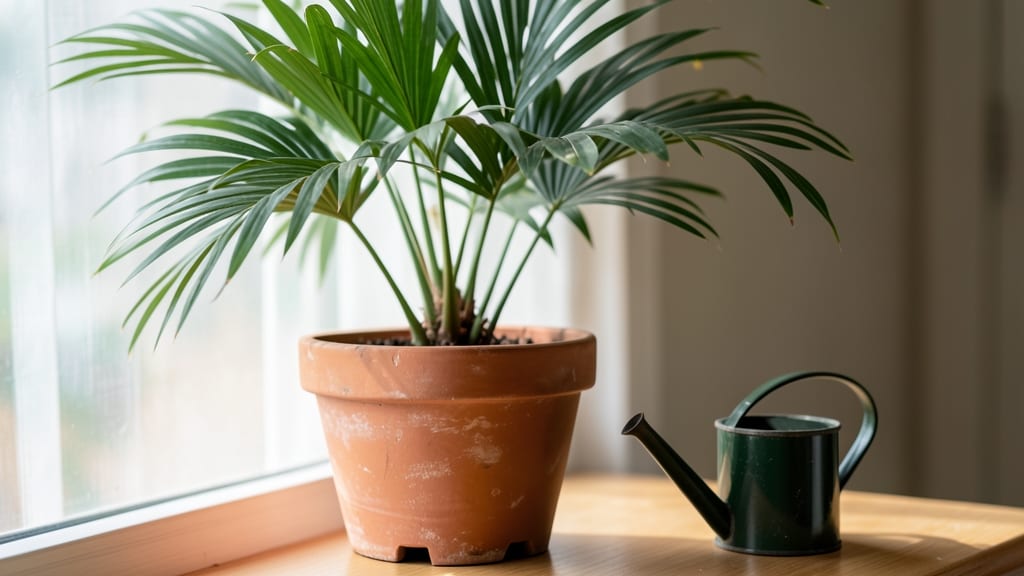
Growing palm trees in pots turns any balcony into a tropical escape—no yard required. 🌴 I’ve watched my dwarf palm go from a 6-inch sapling to a 5-foot statement piece in just three years, all on my patio.
The key isn’t luck; it’s matching the right species to your space, then giving it what palms really need: drainage, warmth, and a little neglect tolerance.
Start with a pot 12–18 inches wide for dwarf varieties like the Areca or Majesty palm, and use a mix of fast-draining potting soil with perlite or orchid bark. Overwatering kills more palms than underwatering—let the top 1–2 inches of soil dry out before watering again.
Place your pot where it gets bright, indirect light (think east or west-facing balconies), and rotate it weekly so it grows evenly.
By summer, you’ll see fronds unfurling with glossy, vibrant new growth, and the air around your balcony will smell faintly sweet—like a mini rainforest. Fertilize lightly every 6–8 weeks in growing season, and watch for pests like spider mites (wipe leaves with soapy water if you spot webbing).
The best part? These palms thrive in pots for decades with minimal fuss.
Works for small spaces, urban apartments, or even covered porches—just avoid drafts and freezing temps. Here’s how to keep yours lush year-round without the guesswork.
📚 In This Guide
- What you need
- Instructions
- Tips and common mistakes
- Wrapping up and next steps
What you need
- ● Pot: A durable, well-draining container (minimum 12–18 inches in diameter for small palms, larger for mature varieties). Opt for terracotta, fiberglass, or plastic with drainage holes.
- ● Potting Mix: A fast-draining blend—mix 50% peat moss or coconut coir, 30% perlite or pumice, and 20% sand or orchid bark.
- ● Palm Tree: Choose a container-friendly species like Dwarf Date Palm, Areca Palm, or Parlor Palm (check local nurseries or online retailers).
- ● Drainage Layer: 2–3 inches of gravel, small rocks, or broken pottery to prevent root rot.
- ● Gloves (to protect your hands from sharp edges or soil).
- ● Trowel or small shovel (for planting and mixing soil).
- ● Watering can with a narrow spout (or a hose with gentle spray).
- ● Pruning shears (for trimming dead fronds or roots).
- ○ pH testing kit (optional but helpful—palms prefer slightly acidic soil (pH 5.5–6.5)).
- ● Sunlight Access: A bright spot with 4–6 hours of indirect sunlight daily (south- or west-facing balconies work best).
- ● Temperature Control: Most palms thrive in 65–85°F (18–30°C). Avoid drafts or freezing temps!
- ○ Humidity Boost (Optional): A humidifier or pebble tray helps tropical palms stay happy.
Step-by-step instructions for growing palm trees in containers
Here’s how to nurture tropical palms in pots—with the right soil, light, and care.
🪴 Step 1: Choose the Right Container and Drainage
Select a pot at least 12-18 inches deep with drainage holes—palms hate soggy roots. I use unglazed terra cotta for my Chamaedorea elegans because it wicks moisture away naturally. If your pot lacks holes, drill 2-3 additional ones near the base to prevent root rot.
Size matters: A 12-inch pot works for small palms like dwarf palmetto, while larger varieties like Kentia need 18-24 inches to accommodate their deep root systems. Place a 2-inch layer of gravel or broken pottery at the bottom to improve drainage further. This isn’t just about water—it’s about airflow to the roots.
🌱 Step 2: Use Fast-Draining Palm-Specific Soil Mix
Never use regular garden soil—palms need airy, gritty mix that mimics their tropical forest habitat. I blend 50% peat-free potting mix, 30% perlite, and 20% coarse sand (or orchid bark) for my containers. This keeps roots oxygenated while allowing excess water to escape.
Fill the pot 2/3 full with your mix, then tap the container gently to settle the soil without compacting it. Press down lightly just enough to create a firm base for the palm’s root ball. The goal is a loose, crumbly texture—palms won’t thrive in dense, clay-heavy soil.
☀️ Step 3: Plant and Position for Bright, Indirect Light
Remove the palm from its nursery pot and loosen the root ball if it’s tightly bound. Place it in the center of your container, ensuring the crown (where the trunk meets the fronds) sits just above the soil line. Fill gaps with additional mix, pressing lightly around the edges to eliminate air pockets.
Palms need bright, indirect light—think east or west-facing windows or 6+ feet from a south window. Avoid harsh afternoon sun, which can scorch fronds. If growing indoors, supplement with a grow light for 12-14 hours daily during winter. You’ll know the light is right when new fronds unfurl straight and vibrant green, not yellow or brown.
💧 Step 4: Water Deeply and Maintain Consistent Moisture
Water thoroughly until it drains from the bottom, then wait until the top 2 inches of soil feel dry before watering again. I use room-temperature water to avoid shocking the roots—cold water can stunt growth. During summer, I water every 5-7 days; in winter, every 10-14 days. Overwatering is the #1 killer of potted palms.
Mist the fronds weekly to replicate humidity levels of their native rainforests. Low humidity causes brown, crispy leaf tips—a sure sign your palm needs more moisture in the air. Grouping pots together or placing a humidity tray (filled with pebbles and water) nearby helps maintain ideal conditions.
✂️ Step 5: Fertilize and Prune for Healthy Growth
Feed your palm monthly from spring to fall with a balanced liquid fertilizer (10-10-10 or 20-20-20) diluted to half-strength. I skip winter feeding—palms go dormant in cooler months. Yellowing fronds often signal over-fertilizing, so always follow the package instructions. Flush the soil every 3 months with plain water to prevent salt buildup.
Prune only dead or brown fronds—never healthy ones. Use sterilized pruners to cut fronds at the base, leaving a clean break. Avoid cutting into the trunk, as this can invite disease. If your palm develops black spots or mushy stems, it’s likely root rot from poor drainage—act fast by repotting with fresh, dry mix.
Tips & tricks for perfect potted palm growth
These insider secrets will help your container palms thrive—even in small spaces.
Container Selection: Unglazed terra cotta isn't just my preference—it's a game-changer for palm health. The porous material naturally wicks away excess moisture, preventing the root rot that claims so many potted palms. If you're using decorative pots without drainage, nest them inside saucers filled with pebbles and water to create a self-regulating humidity system. I've seen palms last twice as long in properly drained containers versus those with hidden moisture issues. The key is airflow—palm roots need to breathe just as much as they need water.
Soil Science: That 50-30-20 mix of potting soil, perlite, and sand isn't arbitrary—it's engineered for palm roots. The perlite creates air pockets while the sand prevents compaction. For an extra boost, I add a handful of worm castings to the mix before planting. These castings introduce beneficial microbes that help break down nutrients, giving your palm an immediate growth advantage. The loose, crumbly texture should resemble damp potting soil that collapses when squeezed—not dense garden soil that holds together.
Light Positioning: That 12-14 hours of grow light during winter isn't just about duration—it's about spectrum. Standard white bulbs won't cut it; you need full-spectrum LED grow lights that mimic natural sunlight. Position them about 12-18 inches above the fronds for optimal light penetration. I notice the difference immediately when new fronds unfurl straight and vibrant green rather than leggy and pale. Rotate your pots weekly so all sides get equal light exposure—this prevents the palm from leaning toward the light source, which can cause uneven growth patterns.
Watering Wisdom: The "top 2 inches dry" rule is your best friend, but there's more to it than just checking soil moisture. I use a moisture meter specifically calibrated for potted plants to avoid guesswork. For palms in terra cotta, you'll often need to water every 4-5 days in summer, while plastic pots may stretch to 7 days. The real test? Lift the pot—if it feels light, it's time to water. And always water until it drains completely from the bottom—this prevents salt buildup that can occur from partial watering.
Pro Tips for Grow Palm Trees In Pots
- These insider secrets will help your container palms thrive—even in small spaces.
- Container Selection: Unglazed terra cotta isn't just my preference—it's a game-changer for palm health.
- Soil Science: That 50-30-20 mix of potting soil, perlite, and sand isn't arbitrary—it's engineered for palm roots.
Frequently asked questions
Got questions about growing palm trees in pots?
You’re not alone! Here are answers to the most common concerns—from container choices to winter care—so you can keep your potted palm thriving with confidence.
What’s the best temperature range for potted palm trees?
Most palm trees thrive in warmth but avoid extreme heat (above 90°F/32°C) or frost (below 50°F/10°C). If you’re in a cooler climate, move your pot indoors during winter or use a heating mat for tropical varieties like Kentia or Parlor palms. Pro tip: A thermometer near the pot helps monitor conditions!
How often should I repot my palm tree?
Repot every 2–3 years or when roots circle the drainage holes. Choose a pot only 2–3 inches wider than the current one—bigger pots hold too much moisture, risking root rot. Spring or early summer is the best time to repot, giving your palm time to recover before winter. Use fresh, well-draining soil each time!
Why are the tips of my palm fronds turning brown?
Brown frond tips usually mean underwatering or fluoride buildup from tap water. Try these fixes:
If the issue persists, check for pests like spider mites on the undersides of leaves. Dwarf palms like Pygmy Date or Bamboo palms stay under 6 feet tall and adapt well to pots. Just ensure:
Add a saucer to catch runoff and prevent water damage! Palms hate soggy soil! If you’re in a rainy area:
After heavy rain, let the soil dry slightly before watering again. Terracotta pots help wick away excess moisture faster!
Can I grow a palm tree in a small apartment balcony?
How do I protect my potted palm from heavy rain?
Wrapping up and next steps
Growing palm trees in pots is a rewarding way to bring tropical charm to small spaces—whether it’s your balcony, patio, or windowsill! 🌴 With the right container, soil, and care, you can nurture a thriving palm that adds elegance and life to your home.
Start small, stay patient, and remember: even the tallest palms begin as tiny seedlings.
Ready to watch your palm grow? Pick your favorite variety, gather your supplies, and get planting! Need extra tips? Check out our guide on maintaining indoor palms for long-term health to keep your green friend happy year-round.