Propagation
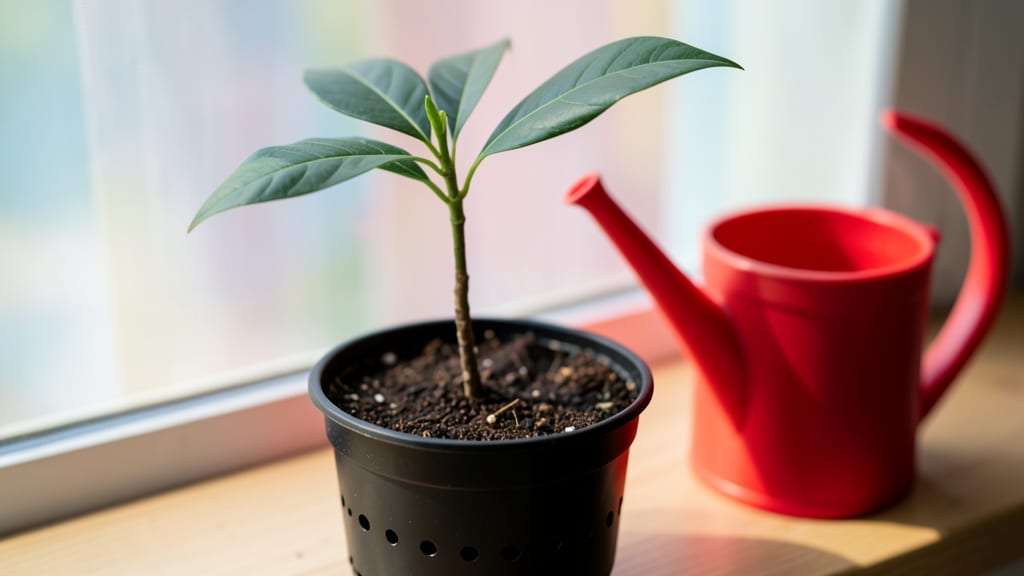
Starting a mango tree from seed feels like holding a tiny piece of tropical magic in your hands. 🌱 The process begins with that single pit from your favorite fruit, which—with the right care—can grow into a tree that one day bears its own sweet, juicy mangoes.
It’s not about rushing; it’s about patience, a warm spot, and understanding that this seedling won’t become a fruit-bearing tree overnight.
Here’s the thing—you’ll need a few simple supplies: a seed, a small pot or plastic bag, some moist paper towels or vermiculite, and a sunny windowsill or grow light. The seed needs warmth and humidity to germinate, which usually takes 2-4 weeks.
Once it sprouts, you’ll transplant it into soil and watch those first leaves unfurl, a sign that your tiny tree is on its way.
What you’ll end up with is a sturdy young mango tree, though it may take 5-10 years before it bears fruit—and even then, the taste might not match the parent.
The real reward is the journey: watching roots tangle through soil, leaves turn glossy green, and branches stretch toward the sky. It’s a slow but deeply satisfying process.
This method works best in warm climates, but even cooler zones can try it indoors. Just be ready for the long game—your seedling won’t rush, and that’s okay. The key is consistency in care, and soon, you’ll have a living reminder of where your favorite mango came from.
📚 In This Guide
- What you need
- Instructions
- Tips and common mistakes
- Wrapping up and next steps
What you need
- ● Mango seed: 1 fresh, plump seed (preferably from a ripe, organic mango). Pro tip: Avoid seeds from hybrid or grafted varieties—they may not grow true to the parent tree!
- ○ Small pot or container: 1 (4–6 inches deep) with drainage holes. Optional: A biodegradable peat pot for easy transplanting.
- ● Well-draining potting mix: 1 bag (look for a blend labeled for seedlings or citrus/succulents). Skip the heavy garden soil!
- ● Watering can or spray bottle: 1 (for gentle hydration). Overwatering is the #1 killer of seedling mango trees!
- ○ Plastic wrap or clear lid: 1 (to create a humidity dome). Optional: A humidity tray or greenhouse kit for faster germination.
- ● Scissors or knife: 1 (for trimming the seed if needed).
- ● Sunny windowsill or grow light: Access to bright, indirect light (6+ hours/day). Direct sun can scorch young seedlings!
- ○ Fertilizer (optional): 1 small bottle of balanced liquid fertilizer (5-5-5 or 10-10-10) or a seed-starting fertilizer.
- ● Patience: Germination can take 2–6 weeks (or longer!). Avoid checking daily—consistency is key!
- ○ Warmth: Ideal germination temp: 70–90°F (21–32°C). Use a seedling heat mat (optional) if your home runs cool.
- ● Space: A dedicated spot for your seedling to avoid drafts or temperature swings.
- ● Time for commitment: Mango trees take 3–5 years to bear fruit (if grown from seed). But the journey is half the fun!
Step-by-step instructions for growing a mango tree from seed
Here's how to turn a single seed into a thriving young tree with patience and care.
🌱 Step 1: Extract and Prepare the Seed
Start with a fresh, plump mango pit—avoid dried or cracked ones. I like to use a clean knife to carefully cut through the hard outer shell without damaging the seed inside. Rinse the seed under running water to remove any fruit residue, then pat it dry with a paper towel.
Place the seed between two paper towels and roll them up gently. Secure with a rubber band and place the bundle in a clear plastic bag. This creates a humid environment that mimics tropical conditions. Keep the bag in a warm spot—around 75-80°F—like on top of your fridge. You'll see tiny white roots emerge in about 2-4 weeks, signaling it's ready for planting.
🪴 Step 2: Plant the Germinated Seed
Fill a small pot—4-6 inches deep—with a well-draining mix of 50% potting soil and 50% perlite. This prevents waterlogging, which can rot the delicate roots. Make a small hole—about 1 inch deep—and place the germinated seed inside, with the roots facing downward and the top slightly exposed.
Gently press the soil around the seed to secure it, but don't pack it down too firmly. Water lightly until the soil feels moist but not soggy. Place the pot in a warm, bright spot with indirect light—like a sunny windowsill with filtered sunlight. Avoid direct sun at this stage, as it can stress the young seedling.
☀️ Step 3: Provide Consistent Care for Early Growth
Once the seedling sprouts—usually within 2-3 weeks—move it to a location with bright, indirect light for at least 6 hours daily. You'll notice the first true leaves appear as small, oval shapes. This is your cue to start fertilizing lightly with a balanced, water-soluble fertilizer diluted to half strength every 4-6 weeks.
Water when the top 1 inch of soil feels dry—overwatering is the biggest killer of young mango seedlings. Use room-temperature water to avoid shocking the roots. Keep the pot in a humid environment by grouping it with other plants or using a humidity tray filled with pebbles and water.
✂️ Step 4: Transplant and Strengthen the Seedling
After the seedling reaches 6-8 inches tall and has developed 4-5 true leaves, it's time to transplant into a larger pot—8-10 inches deep. Use the same well-draining soil mix to fill the new container. Gently remove the seedling from its old pot, keeping the root ball intact, and place it in the center of the new pot.
Fill around the roots with soil, pressing lightly to remove air pockets. Water thoroughly to help the roots settle. Now, gradually introduce it to outdoor conditions by placing it in a shaded spot for 2-3 hours daily, increasing exposure over 1-2 weeks. This hardening-off process prepares the seedling for full sun and outdoor temperatures.
🌿 Step 5: Transition to Outdoor Growing Conditions
Once the seedling has spent a full day outside without wilting, it's ready for a permanent outdoor spot. Choose a location with full sun—at least 8 hours daily—and protection from strong winds. Mango trees thrive in warm climates but can adapt to cooler zones if brought indoors during winter.
Continue watering when the top 2 inches of soil dry out, and fertilize monthly with a balanced fertilizer during the growing season. Prune any yellow or damaged leaves to encourage healthy growth. With patience, your seedling will grow into a tree capable of producing fruit—though it may take 5-10 years for a seed-grown mango tree to bear fruit.
Tips & tricks for starting a mango tree from seed
Here's what I learned after watching dozens of mango seeds fail to sprout—and how to give yours the best shot.
Germination Environment: The 75-80°F temperature range is crucial for successful germination. If your home stays cooler, place the seed bag on top of your refrigerator or near a sunny window. I've found that wrapping the bag in aluminum foil creates a mini greenhouse effect, keeping warmth trapped and speeding up root development. Just remember to unwrap it daily to check for moisture—condensation should form but not drip onto the seed.
Root Development Watch: Those 2-4 weeks for roots to appear can feel like forever, but don't be tempted to open the bag early. The humidity inside is what triggers germination. Once you see white roots about 1/4 inch long, that's your green light to plant. I learned this the hard way—opening too soon caused my first three seeds to dry out before sprouting. Patience really is key here!
Light Transition Strategy: Moving your seedling to bright, indirect light after sprouting is where many beginners go wrong. Start with just 2-3 hours of morning sun, then gradually increase exposure. I place mine near an east-facing window first, then slowly rotate to south-facing as it grows stronger. This mimics how tropical trees naturally acclimate to sunlight. Watch for leaves that look pale or stretched—they're begging for more light or need to be moved back slightly.
Transplanting Timing: Waiting until your seedling reaches 6-8 inches with 4-5 true leaves ensures it has strong enough roots to handle the move. I've seen people transplant too early, and their seedlings wilt dramatically. When you do transplant, water thoroughly the day before to help reduce transplant shock. The larger 8-10 inch pot gives roots room to spread out, which prevents them from becoming root-bound too quickly.
Pro Tips for Start A Mango Tree From Seed
- Here's what I learned after watching dozens of mango seeds fail to sprout—and how to give yours the best shot.
- Germination Environment: The 75-80°F temperature range is crucial for successful germination.
- Root Development Watch: Those 2-4 weeks for roots to appear can feel like forever, but don't be tempted to open the bag early.
Frequently asked questions
Got questions about growing a mango tree from seed? You’re not alone! Here are answers to common concerns to set you up for success.
How long does it take for a mango seed to germinate?
A mango seed typically takes 2–4 weeks to germinate, depending on temperature and moisture. Keep the soil warm (around 75–85°F) and consistently damp for best results. Patience is key—some seeds may take longer, especially if stored or dried before planting.
Can I plant a mango seed directly in the ground?
While possible, it’s riskier! Direct planting exposes the seed to temperature fluctuations and pests. Start indoors in a controlled environment (like a pot) to give the seedling a strong head start. Once it’s 6–12 inches tall and the weather is warm, transplant it outdoors.
Will my seedling grow into a fruit-bearing tree?
Most likely, yes—but it may take 5–10 years! Seed-grown mango trees are not grafted, so fruit quality and timing can vary. For faster, more reliable fruit, consider grafting a known variety onto your seedling later. Even if it’s not perfect, enjoy the journey—your tree might surprise you!
What’s the best time of year to plant a mango seed?
Plant seeds in spring or early summer when soil temperatures are consistently warm. Avoid cold snaps—mango seeds hate frost. If you’re in a tropical or subtropical climate, year-round planting is fine, but timing still matters for seedling vigor.
Why did my mango seed rot instead of sprouting?
Overwatering or poor drainage are the top culprits! Mango seeds need moisture but not soggy conditions. Use a well-draining mix (like perlite + coconut coir) and ensure the pot has drainage holes. If the seed feels mushy or smells foul, it’s likely rotted—try again with fresh seed and adjusted care.
Wrapping up and next steps
Starting a mango tree from seed is a rewarding journey that connects you to nature’s sweetest bounty!
While patience is key—it can take years for your seedling to bear fruit—every step you’ve taken brings you closer to a thriving tree. Celebrate your progress! Now, the next logical step? Monitor, nurture, and share your knowledge—whether by documenting growth milestones or helping fellow plant enthusiasts.
Your green thumb is already growing stronger! 🌱✨