Trees
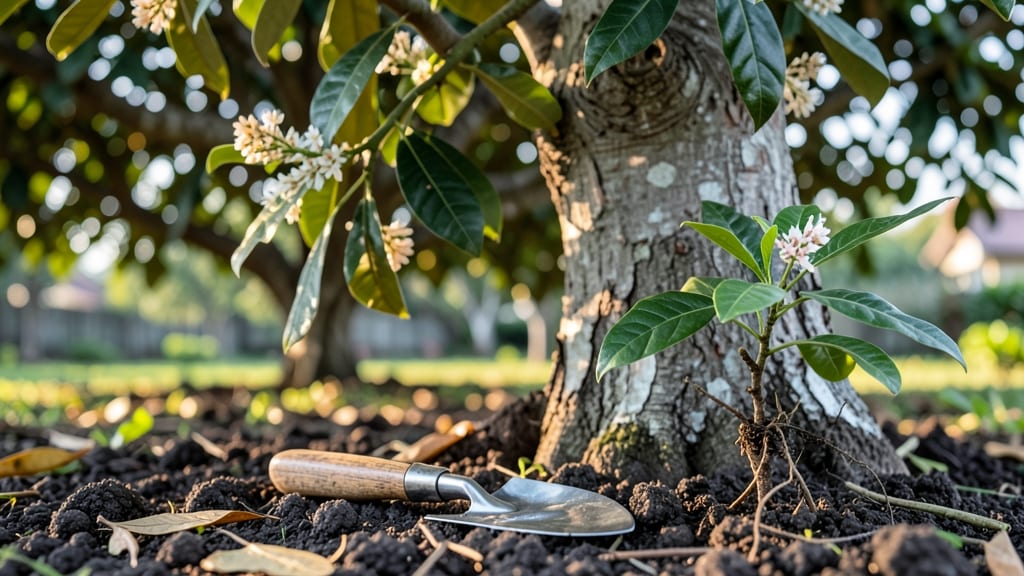
Planting mango trees in your yard isn’t just about tropical dreams—it’s about turning your climate into a fruit-bearing paradise. 🌱 I’ve grown them in both subtropical zones and containers on patios, and the key is understanding their needs before the first shovel hits the soil.
The right spot, soil prep, and variety choice make all the difference between a thriving tree and a struggling one.
You’ll need well-draining soil mixed with compost, a location with at least 6-8 hours of sun daily, and patience—mango trees take 3-5 years to bear fruit, but the wait is worth it.
Whether you start with a seed (cheap but slow) or a grafted sapling (faster, fruit-ready), the early care is simple: water deeply but infrequently, protect young leaves from pests, and monitor for signs of stress like yellowing foliage.
What you’ll end up with is a tree that smells like summer even in cooler climates, its glossy leaves rustling with promise.
The first harvest might be small, but each year brings heavier crops if you adjust for your region—think winter protection in colder zones or shade cloth in scorching summers. The real magic? Watching neighbors stop and sniff the air when your tree blooms.
Works for backyard orchards, large containers, or even as a striking patio centerpiece. Here’s how to get started without common pitfalls—like overwatering or choosing the wrong variety for your hardiness zone.
📚 In This Guide
- What you need
- Instructions
- Tips and common mistakes
- Wrapping up and next steps
What you need
- ● Mango Tree Sapling: 1 high-quality, disease-resistant variety (e.g., Alphonso, Keitt, or Tommy Atkins)
- ● Age: 1–3 years old (younger saplings adapt faster)
- ● Planting Hole: Width: 2–3x wider than the root ball
- ● Depth: Equal to the root ball’s height
- ● Soil Amendments: 2–3 gallons of well-draining compost (avoid heavy clay)
- ● 1 cup of bone meal (for phosphorus-rich roots)
- ● Watering Supplies: 5–10 gallons of lukewarm water (per tree)
- ● Drip irrigation kit or hose with gentle spray nozzle
- ○ Support Stake (Optional but Recommended): 1 bamboo or metal stake (4–6 ft tall)
- ● Soft plant tie or rubber tubing
- ● Mulch: 2–3 inches of straw or wood chips (retains moisture)
- ● Fertilizer: Balanced 10-10-10 NPK (apply 3 months post-planting)
- ● Pest Control: Neem oil spray (prevents aphids/scale insects)
- ● Shade Cloth: 30–50% coverage for young trees in hot climates
- ● Soil pH Test Kit: Ideal range: 5.0–7.0 (adjust with lime/sulfur if needed)
Step-by-step guide to planting mango trees
Here's how to grow these tropical beauties—even in cooler climates.
🌱 Step 1: Choose the Right Variety and Planting Site
Mango trees thrive in USDA Zones 10-11, but with care, you can grow them in Zones 9-10 as well. Pick a dwarf variety like 'Cogshall' or 'Julie' if space is limited—they produce fruit in 3-5 years instead of a decade. The key is finding a sheltered, sunny spot with at least 8 hours of direct sunlight daily.
Your site needs well-draining soil—mango roots rot easily in soggy conditions. If your soil is heavy clay, amend it with 3-4 inches of compost and consider planting in a large raised bed or container (at least 24 inches deep for dwarf varieties). Test the soil pH—mangoes prefer slightly acidic to neutral (6.0-7.5). If yours is too alkaline, mix in sulfur to adjust.
🪴 Step 2: Prepare the Hole and Plant the Sapling
Dig a hole twice as wide as the root ball but no deeper—planting too deep suffocates the roots. Loosen the sides of the hole with a shovel to help roots spread. If planting in Zones 9-10, mound the native soil in the center of the hole to create a small hill—this prevents water from pooling around the trunk.
Gently remove the sapling from its container and loosen any circling roots with your fingers. Place it in the hole so the top of the root ball sits just above soil level—mangoes hate having their trunks buried. Backfill with the amended soil, tamping lightly as you go. Water deeply to settle everything, then add 2-3 inches of mulch around the base (keep it 6 inches away from the trunk to prevent rot).
☀️ Step 3: Water and Protect for the First Critical Months
Water deeply 2-3 times per week for the first month—1-2 gallons per watering for dwarf varieties, more for standard-sized trees. The goal is to soak the root zone (about 12-18 inches deep) so roots grow downward. Let the top 2 inches of soil dry out between waterings to prevent fungal issues.
If you're in Zones 9-10, protect young trees from late frosts by wrapping the trunk in burlap and covering with a frost cloth when temperatures dip below 30°F. Mango leaves burn at 32°F, so don’t take chances—even dwarf varieties are sensitive. Avoid overhead watering once leaves appear; instead, use a drip irrigation system or water at the base to keep foliage dry.
✂️ Step 4: Prune and Fertilize for Strong Growth
Prune in late winter or early spring before new growth starts. Remove dead, diseased, or crossing branches first, then thin out overcrowded areas to improve airflow. Cut back suckers (shoots growing from the base) to encourage energy into the main trunk. Mango trees naturally grow upright and bushy, so avoid heavy pruning—you’ll sacrifice fruit production.
Fertilize every 2-3 months with a balanced, slow-release fertilizer (10-10-10 or 8-3-9). In spring, add 1 cup of Epsom salt around the base to boost magnesium—this prevents yellowing leaves, a common issue in new plantings. Stop fertilizing 6-8 weeks before the first frost in cooler zones to harden the tree for winter.
Tips & tricks for planting mango trees
Here's what I've learned from watching my own mango trees thrive—even in less-than-ideal climates.
Variety Matters: While dwarf varieties like 'Cogshall' or 'Julie' are perfect for small spaces, don't overlook the benefits of standard varieties if you have room. They produce larger fruit and may be more cold-hardy in Zones 9-10. The 3-5 year wait for fruit is worth it when you consider how much more productive these trees become compared to their dwarf counterparts.
Soil Prep Secret: Before planting, mix a handful of perlite or vermiculite into your amended soil—this improves drainage even further, especially important for mango roots. I've seen trees planted in regular garden soil struggle with root rot, but those with this extra amendment thrive. The key is mimicking the well-draining conditions mangoes love in their native tropical environments.
Planting Depth Tip: The top of the root ball should sit just above soil level—this is non-negotiable. I've seen many gardeners bury the trunk too deep, thinking it provides extra support, but this actually suffocates the tree. Think of it like planting a tomato: the soil line should be visible at the base of the trunk after planting.
Winter Protection Hack: For Zones 9-10, create a makeshift "tree blanket" using burlap wrapped around the trunk and frost cloth draped over the canopy. I've had trees survive down to 28°F using this method, though 30°F is still the safer limit. The trick is to cover the entire tree, not just the trunk—this protects both the bark and leaves from cold damage.
Pro Tips for Planting Mango Trees
- Here's what I've learned from watching my own mango trees thrive—even in less-than-ideal climates.
- Variety Matters: While dwarf varieties like 'Cogshall' or 'Julie' are perfect for small spaces, don't overlook the benefits of standard varieties if you have room.
- Soil Prep Secret: Before planting, mix a handful of perlite or vermiculite into your amended soil—this improves drainage even further, especially important for mango roots.
Frequently asked questions
Got questions about growing your own mango tree? You’re not alone! Here are answers to the most common concerns—from when to plant to how to troubleshoot—so you can enjoy tropical success without the guesswork.
What’s the best time of year to plant a mango tree?
Plant mango trees in spring or early summer (after the last frost) for warm-weather climates. In tropical zones, plant during the dry season to avoid waterlogged soil. Young trees are delicate—avoid winter planting unless you’re in a frost-free area.
Can I grow a mango tree in my climate if I don’t live in a tropical zone?
Mangoes thrive in USDA Zones 10–11, but you can grow them in cooler areas too. Try dwarf varieties (like ‘Cogshall’ or ‘Julie’) in containers and move them indoors in winter. Alternatively, plant near a south-facing wall for extra warmth.
Why aren’t my mango tree leaves turning green, and what can I fix?
Yellow or pale leaves often signal nutrient deficiency (especially nitrogen) or overwatering. Test your soil—amend with compost if needed. For yellow edges, check for underwatering or salt buildup (rinse roots if potted). Pests like aphids can also cause issues; spray with neem oil if spotted.
How long does it take for a mango tree to bear fruit?
Patience is key! Dwarf varieties may fruit in 3–5 years, while standard trees take 5–7 years. Ensure your tree gets full sun (6+ hours/day), well-draining soil, and regular watering (but avoid soggy roots). Pollination helps—plant two trees or hand-pollinate with a brush if needed.
Do mango trees need special soil, and how do I prepare the planting hole?
Mangoes love well-draining, slightly acidic soil (pH 5.0–7.0). Mix equal parts native soil, compost, and perlite/sand into the hole. Avoid heavy clay—add organic matter to improve aeration. For containers, use a 50/50 mix of potting soil and coconut coir to prevent root rot.
Wrapping up and next steps
Planting mango trees is a rewarding journey that brings sweet rewards and lush greenery to your space—no matter your climate! 🌱 Whether you’re a seasoned gardener or a curious beginner, the key is patience, proper care, and a little tropical love.
With the right soil, sunlight, and dedication, your mango tree could soon be bearing fruit that tastes like sunshine.
Ready to take the next step? Start by selecting your sapling—whether from a nursery or a trusted grower—and mark your calendar for the best planting season in your region. Your future mango harvest is just a shovel’s throw away! 🍈✨