
Pruning
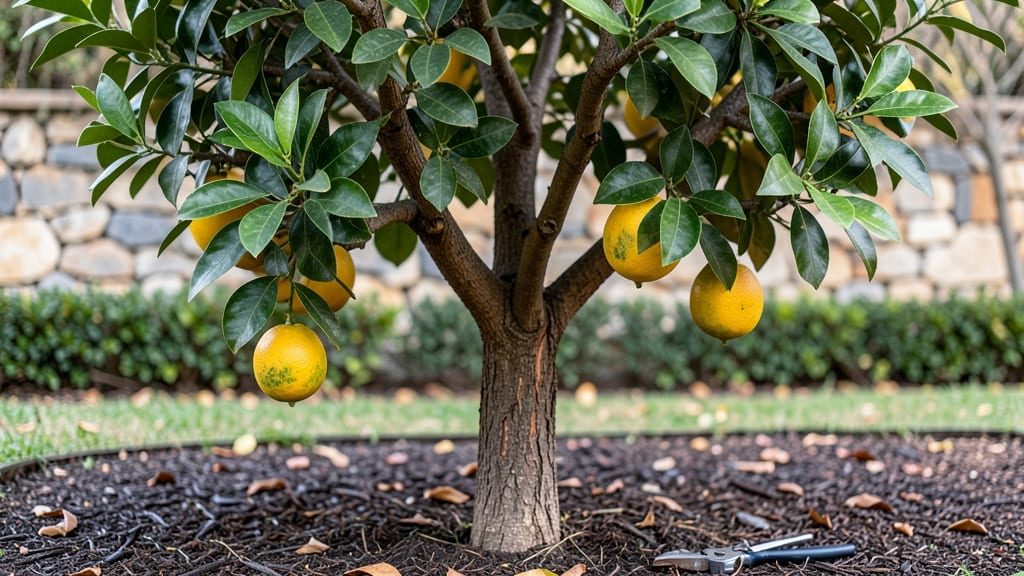
Caring for a grapefruit tree boils down to four simple tricks that keep it thriving all year. 🌱 I’ve watched my own tree go from a struggling sapling to a fruit-bearing powerhouse by focusing on just these fundamentals—soil, water, light, and timing.
The key isn’t complexity; it’s consistency. Most people overthink it, but the real secret is matching the tree’s natural rhythms with your care routine.
Start with well-draining soil and full sun—these two things make or break your grapefruit tree. My tree’s first flush of spring growth came after I amended the soil with compost and moved it to a sunnier spot.
Watering isn’t about daily checks but deep soaks every 5-7 days, especially in summer. Overwatering is the silent killer, but drought stress shows up fast in yellowing leaves. Pruning in late winter keeps the shape manageable and encourages fruit production.
You’ll notice the difference within a season: glossy, deep-green leaves, sturdy branches, and—if you’re lucky—sweet, tart fruit by fall. The tree becomes a statement piece in your yard, not just another plant.
And the best part? These tricks work whether you’re growing in a pot or in the ground. Let’s break it down step by step so you can see the same results.
Fair warning: grapefruit trees are patient. It takes 3-5 years for a young tree to bear fruit, but the payoff is worth it. Every harvest reminds me why I started—there’s nothing like biting into a homegrown grapefruit, juicy and perfectly ripe. Here’s how to keep yours on that path.
📚 In This Guide
- What you need
- Instructions
- Tips and common mistakes
- Wrapping up and next steps
What you need
- ● Grapefruit tree: Choose a dwarf variety (like 'Ruby Red' or 'Orlando') for containers or a standard tree for in-ground planting.
- ● Well-draining soil: Mix 60% native soil with 40% organic matter (compost, aged manure, or coconut coir). Pro tip: Test soil pH (ideal: 6.0–7.0). 🌡️
- ● Pot (if container-grown): Minimum 15-gallon size (24" diameter) with drainage holes. Upgrade as the tree grows!
- ● Citrus fertilizer: Slow-release granular (10-10-10 or 8-3-9) or liquid (like Miracle-Gro Citrus).
- ● Mulch: 2–3 inches of wood chips or straw to retain moisture and regulate temperature.
- ● Pruning shears: Bypass pruners (sharp, 6–8" blades) for clean cuts.
- ● Garden gloves: Heavy-duty (nitrile-coated) to protect from thorns and sap.
- ● Watering can or hose: With a gentle spray nozzle (avoid overhead watering).
- ● pH test kit: Digital or liquid test strips for soil monitoring.
- ● Spray bottle: For occasional pest control (neem oil solution).
- ● Drip irrigation system for automated watering.
- ● Frost cloth or row covers for winter protection.
- ● Citrus-specific pest repellent (like Safer Brand Insect Killing Soap).
- ● Support stakes (if training young trees).
Step-by-step guide to growing a healthy grapefruit tree
Here's how I keep my grapefruit tree thriving with minimal fuss—no green thumb required.
🪴 Step 1: Choose the Right Spot and Container
Grapefruit trees need full sun—at least 6-8 hours daily—and a container with good drainage. I use a 15-gallon pot for my dwarf variety, with drainage holes drilled in the bottom if they're not already there. The pot should be 2-3 inches wider than the root ball to allow room for growth without overcrowding.
Place your tree where it gets morning sun and afternoon shade if you're in a hot climate. Too much direct afternoon sun can scorch leaves. If you're in a cooler zone, full sun all day is fine. The key is to mimic its natural tropical habitat—warm but not scorching.
☀️ Step 2: Water Deeply and Consistently
Water your grapefruit tree deeply once a week during the growing season, letting the top 2-3 inches of soil dry out between waterings. Stick your finger in the soil—if it feels dry past your first knuckle, it's time to water. Overwatering is the #1 killer of citrus trees, so always check before adding more.
In winter, cut back to watering every 2-3 weeks unless your home stays very warm. The tree enters a natural dormant phase, and soggy soil invites root rot. A self-watering pot helps maintain steady moisture without drowning the roots.
✂️ Step 3: Feed and Prune for Strong Growth
Fertilize your grapefruit tree every 4-6 weeks during spring and summer with a balanced citrus fertilizer (look for one with equal NPK ratios, like 6-6-6). I mix it into the top inch of soil after watering to avoid burning roots. Stop fertilizing in fall and winter—this helps the tree prepare for dormancy.
Prune in late winter or early spring before new growth begins. Remove any dead, diseased, or crossing branches first, then trim back any limbs that are growing inward or rubbing against others. I also cut back any suckers (shoots growing from the base) to focus the tree's energy on fruit production.
🌿 Step 4: Protect and Monitor for Pests
Citrus trees attract pests like aphids, scale, and spider mites. I inspect my tree weekly, especially on the undersides of leaves. If you spot pests, spray with neem oil (mix 1 tablespoon per quart of water) or insecticidal soap. For severe infestations, repeat every 5-7 days until they're gone.
Watch for yellowing leaves, which can signal overwatering, nutrient deficiency, or pests. If the yellowing starts at the tips of older leaves, it's often a sign of iron deficiency—a common issue in citrus. Apply a chelated iron supplement to the soil if this happens, following package instructions.
Tips & tricks for perfect grapefruit tree care
A few simple tricks that'll make your grapefruit tree thrive without the guesswork.
Container Upgrade: If you're using a 15-gallon pot as recommended, consider adding a cache pot (a larger pot underneath) during summer months. This helps regulate soil temperature and prevents roots from overheating when watering deeply once a week. I've seen trees in cache pots handle the heat better, especially in hot climates where afternoon sun can stress the roots.
Seasonal Watering Hack: During the growing season, I use a moisture meter to check soil dryness instead of relying on the finger test. The meter gives a more precise reading—especially important if you're using a self-watering pot where moisture levels can be misleading. Aim for the top 2-3 inches to feel dry before watering again. In winter, I reduce watering to every 2-3 weeks only if the soil feels completely dry at that depth.
Fertilizer Timing Secret: When fertilizing every 4-6 weeks, I always apply it right after watering to prevent root burn. I also mix in a handful of compost with the fertilizer—this gives the tree slow-release nutrients and improves soil structure. Stop fertilizing in fall to let the tree rest, but I do give it a light feeding in early spring to kickstart growth before the pruning step.
Pest Prevention: The weekly neem oil spray in Step 4 works wonders, but I've found adding a layer of mulch around the base of the tree helps too. Use 2-3 inches of organic mulch like wood chips or straw, keeping it away from the trunk. This deters pests from crawling up and also retains moisture, reducing how often you need to water deeply during summer.
Pro Tips for Grapefruit Tree Care
- A few simple tricks that'll make your grapefruit tree thrive without the guesswork.
- Container Upgrade: If you're using a 15-gallon pot as recommended, consider adding a cache pot (a larger pot underneath) during summer months.
- Seasonal Watering Hack: During the growing season, I use a moisture meter to check soil dryness instead of relying on the finger test.
Frequently asked questions
When is the best time to prune a grapefruit tree?
Prune your grapefruit tree after harvest (late winter or early spring) to avoid damaging new growth. Light trimming can also happen in summer to shape the tree, but avoid heavy cuts during flowering or fruiting. Always use sterilized tools to prevent disease.
How cold can a grapefruit tree tolerate?
Most grapefruit trees thrive in USDA Zones 9-11 and can handle brief dips to 28°F (-2°C). If you live in colder climates, plant in a protected spot or use frost cloths. Young trees are more vulnerable—consider container growing for extra flexibility!
What should I do if my grapefruit tree has pests?
Common pests include aphids, scale insects, and citrus leaf miners. Start with a hose spray to dislodge soft-bodied bugs, then apply neem oil or insecticidal soap. For severe infestations, consult a local extension service for targeted solutions.
How often should I water a grapefruit tree?
Water deeply 1-2 times per week (more in extreme heat) to encourage deep root growth. Avoid wetting foliage to prevent fungal diseases. Mulch around the base (2-3 inches) to retain moisture. Overwatering is worse than underwatering—let the top 2 inches of soil dry out between waterings.
Why aren’t my grapefruit tree’s fruits ripening?
Fruits may stay green due to insufficient sunlight, overwatering, or nutrient deficiencies. Ensure your tree gets 6+ hours of direct sun daily and fertilize with a citrus-specific blend in early spring. Yellow leaves? Boost nitrogen; small fruits? Try a potassium-rich fertilizer.
Wrapping up and next steps
Caring for a grapefruit tree is all about patience, consistency, and a little love—and with these four simple tricks, you’re already on the path to success! 🌱 Whether it’s mastering the art of pruning, ensuring proper watering, or protecting your tree from pests, every effort brings you closer to a bountiful harvest. Remember, even the sweetest grapefruits start as tiny seeds!
Now that you’re armed with the knowledge, why not take the next step? Grab your pruning shears, check your tree’s needs, and give it the care it deserves. Before you know it, you’ll be enjoying homegrown, juicy grapefruits straight from your own backyard! 🍊✨