
Pruning
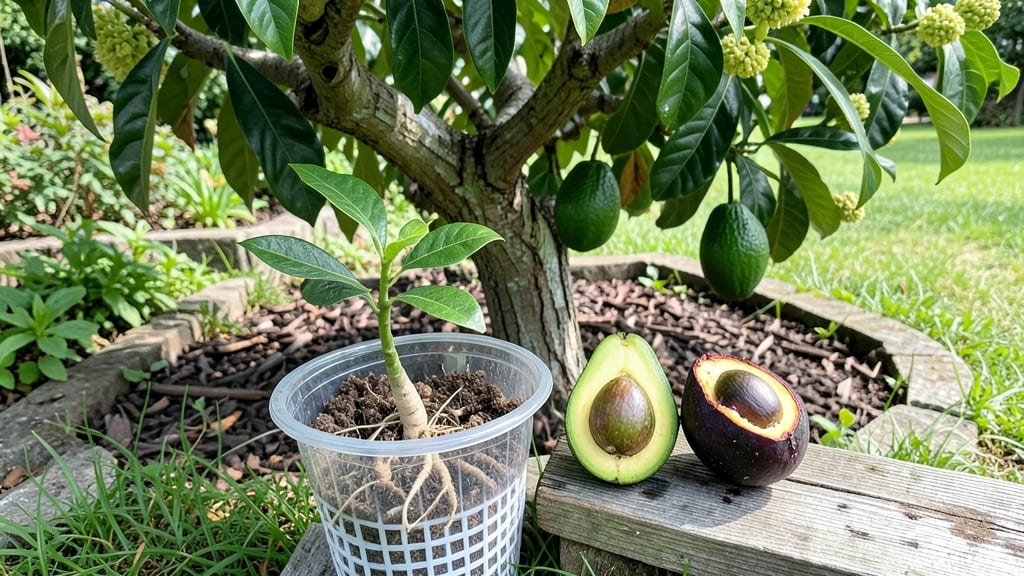
Getting an avocado tree to bear fruit isn’t about magic—it’s about patience, the right conditions, and a few key techniques I learned after my first tree stubbornly refused to flower for years. 🌱 The secret lies in mimicking its native tropical environment while troubleshooting common roadblocks like temperature swings or nutrient imbalances.
Most homegrown avocado trees need 3-5 years to mature before flowering, but even then, they often need a little help. You’ll need well-draining soil rich in organic matter, consistent moisture (but no soggy roots), and protection from cold drafts.
Pruning plays a surprising role too—thinning dense growth lets sunlight reach the center, where flowers often form.
Once you’ve got the basics right, the real game-changer is hand-pollination—avocados rely on bees, but indoor trees often miss out. A soft paintbrush does the trick, transferring pollen between flowers. With the right care, you’ll see those familiar A-shaped fruits forming within months, not years.
This method works for container-grown trees too, as long as you adjust for smaller pots and seasonal light changes. Let’s break down each step so you don’t repeat the mistakes that kept my first tree fruitless for four seasons.
📚 In This Guide
- What you need
- Instructions
- Tips and common mistakes
- Wrapping up and next steps
What you need
- ● Avocado Seed or Sapling: 1 high-quality avocado seed (if starting from scratch) or a 1–3-year-old sapling (for faster results).
- ● Pro tip: Choose seeds from Hass avocados—they’re the most common and productive variety! 💡
- ● Well-Draining Potting Mix: 5–10 gallons of a mix designed for citrus or tropical plants (e.g., 60% peat/coir, 30% perlite, 10% sand).
- ○ Optional: Add 1 tbsp of slow-release fertilizer (10-10-10 NPK ratio) per 5 gallons of soil.
- ● Containers: 1–2 5–7 gallon pots (with drainage holes) for saplings or seedlings.
- ● Upgrade: A 15+ gallon pot or in-ground planting spot once the tree reaches 3–4 feet tall.
- ● Pruning Tools: 1 pair of sterilized pruning shears (for shaping and removing dead branches).
- ● 1 sharp bypass pruner (for thicker branches).
- ○ Optional: Rubbing alcohol (70%+) for sterilizing tools between cuts. ✨
- ● Fertilizer: 1 balanced citrus fertilizer (e.g., 6-6-6 NPK) or organic compost (like worm castings).
- ● Schedule: Apply every 2–3 months during growing seasons (spring/fall).
- ● Support Structures: 1 stake or bamboo pole (for young trees to prevent toppling).
- ○ Optional: Tree ties or soft garden twine to secure the tree gently.
- ● Sunlight: 6+ hours of direct sunlight daily (south-facing window or outdoor spot).
- ● Temperature: Ideal range: 65–85°F (18–29°C). Avoid drafts or temps below 50°F (10°C).
- ● Humidity: 40–60% humidity. Use a humidifier or pebble tray if indoor air is dry.
- ● Water: Keep soil consistently moist but not soggy (water when top 1–2 inches are dry).
- ● 1 pH testing kit (avocados thrive in acidic soil: pH 6.0–7.0).
- ● 1 grow light (for indoor trees in low-light areas).
- ● Pollination aid: A soft paintbrush (to manually pollinate flowers if no bees are present).
- ● Mulch: Wood chips or straw (to retain moisture and regulate soil temp).
Step-by-step guide to encouraging fruit production in avocado trees
Here’s how I’ve coaxed fruit from stubborn avocado trees—no shortcuts, just proven care.
🌱 Step 1: Provide Year-Round Warmth and Light
Avocados need consistent warmth—they thrive in 70-85°F temperatures and full sun (6+ hours daily). If you’re growing indoors near a window, supplement with a grow light for 12-14 hours/day. Without enough light, the tree focuses on leaf growth instead of fruit production.
I keep mine near a south-facing window in winter, then move them outside in spring. Watch for yellowing leaves—that’s a sign of insufficient light. If your tree’s leaves stretch toward the window, it’s begging for more brightness.
☀️ Step 2: Mimic Tropical Conditions with Humidity and Airflow
Avocados love 60-80% humidity—dry air stresses them and halts flowering. In dry climates, I use a humidifier near the tree or mist the leaves daily during dry spells. Grouping plants together also raises humidity naturally.
But don’t smother the tree—good airflow prevents fungal diseases. Place a small fan nearby on low setting to simulate gentle breezes. You’ll know humidity is right when leaves stay dark green and glossy, not crispy or dull.
💧 Step 3: Water Deeply and Consistently
Avocados hate soil drying out completely—water when the top 2 inches of soil feel dry. I use the "finger test" daily in summer, pressing my finger into the soil. Overwatering is worse—root rot kills trees faster than drought.
In containers, I water until water drains from the bottom, then empty the saucer after 10 minutes. Yellowing leaves on the bottom? That’s often overwatering. Brown, crispy edges? Too dry. Balance is key.
⏰ Step 4: Fertilize Strategically for Fruit Development
Use a balanced fertilizer (10-10-10 or 6-6-6) every 4-6 weeks in spring and summer. Avocados need zinc and boron for flowering—add a zinc sulfate supplement if leaves show interveinal chlorosis (yellow between veins).
Stop fertilizing in fall and winter—too much nitrogen then delays flowering. I switch to a low-nitrogen, high-potassium fertilizer in late summer to encourage fruit set. Watch for small white flowers—that’s your signal the tree is ready for fruit!
🌿 Step 5: Prune to Encourage Flowering
Prune lightly in late winter to remove dead or crossing branches. I cut just above a leaf node, leaving 3-4 main branches for structure. Heavy pruning stresses the tree and delays fruiting.
After pruning, place the tree in bright, indirect light for a few weeks to recover. You’ll see new growth in 4-6 weeks—that’s when the tree starts focusing energy on flowering. Avoid pruning during flowering season—you’ll lose potential fruit.
Tips & tricks for year-round avocado fruit production
Real talk: Avocado trees are divas—they need just the right conditions to cooperate. These are the details that make the difference between a leafy green wall and a fruiting powerhouse.
Lighting Strategy: That 12-14 hours of grow light isn't just a suggestion—it's non-negotiable for indoor trees. I position my LED grow light just 6-12 inches above the tree to mimic direct sunlight intensity. If you notice leaves stretching toward the light (called etiolation), you're either too far away or need more hours. For outdoor trees, rotate the pot weekly so all sides get equal sun exposure—this prevents lopsided growth that can delay flowering.
Humidity Hack: The 60-80% humidity range is tricky to maintain in dry climates, but here's my secret weapon: place the tree on a pebble tray filled with water. The evaporation creates natural humidity while keeping roots dry. I also group my avocado with other tropical plants—like ferns or calatheas—to create a mini greenhouse effect. Watch for brown leaf tips as your first sign of too-low humidity, and crispy edges when it's too dry.
Fertilizer Timing: Those 4-6 week intervals for balanced fertilizer are critical, but here's what nobody tells you: split the dose into two applications—half now, half again in 3 weeks. This prevents fertilizer burn while ensuring steady nutrition. And when you switch to that low-nitrogen, high-potassium blend in late summer, reduce the dose by half. Too much potassium can actually inhibit flowering if overdone.
Pruning Precision: When you're pruning in late winter, focus on removing branches that grow inward or rub against each other. These "water sprouts" (fast-growing vertical shoots) steal energy from fruit production. I make my cuts just above a leaf node where two leaves meet—the tree naturally grows new branches from these points. After pruning, give your tree a week of bright, indirect light to recover before returning to full sun.
Pro Tips for Get An Avocado Tree To Bear Fruit
- Real talk: Avocado trees are divas—they need just the right conditions to cooperate.
- Lighting Strategy: That 12-14 hours of grow light isn't just a suggestion—it's non-negotiable for indoor trees.
- Humidity Hack: The 60-80% humidity range is tricky to maintain in dry climates, but here's my secret weapon: place the tree on a pebble tray filled with water.
Frequently asked questions
Got questions about coaxing fruit from your avocado tree? You're not alone! Here are some of the most common queries—and their answers—to help you troubleshoot and optimize your tree's fruiting potential.
How long does it take for an avocado tree to bear fruit after planting?
Most avocado trees take 3–5 years to bear fruit from seed, while grafted varieties (like Hass or Fuerte) can produce in as little as 1–3 years with proper care. Patience is key—focus on healthy growth, sunlight, and soil prep during the waiting period!
Why isn’t my avocado tree fruiting, even after years of growth?
Common culprits include lack of pollination (avocados need cross-pollination), inconsistent watering, or nutrient deficiencies (especially nitrogen or potassium). Check for pests/diseases too—yellowing leaves or sparse foliage can signal stress. Try hand-pollinating with a soft brush if bees aren’t visiting!
Can I grow an avocado tree indoors and still get fruit?
Indoor avocado trees (from pits) rarely fruit because they lack sunlight, space, and pollinators. However, dwarf grafted varieties in a greenhouse with supplemental light might produce small yields. For reliable fruit, plant outdoors in a warm, sunny climate (USDA Zones 9–11).
Do I need more than one avocado tree to get fruit?
Yes! Avocado trees are self-pollinating but benefit from cross-pollination. While one tree can set fruit, having two different varieties nearby (e.g., Hass + Fuerte) boosts yields. Bees or wind handle pollination, but hand-pollination helps in urban areas with few pollinators.
What’s the best way to encourage flowering on my avocado tree?
Flowering thrives with consistent care: water deeply but avoid soggy soil, fertilize with balanced citrus/avocado fertilizer (low nitrogen in summer), and prune to improve airflow. Temperature swings (cool nights, warm days) trigger blooms—ideal in spring. Stress (like drought or overwatering) can delay flowers, so stay vigilant!
Wrapping up and next steps
Growing an avocado tree to fruition is a rewarding journey that blends patience, care, and a dash of tropical magic! 🌱 By mastering pruning techniques, ensuring proper pollination, and meeting its nutritional needs, you’re well on your way to harvesting juicy, homegrown avocados.
Remember, consistency is key—whether you’re trimming branches or monitoring soil health, every effort brings you closer to that first ripe fruit!
Ready to take the next step? Celebrate your progress and keep nurturing your tree—soon, you’ll be savoring the fruits of your labor (literally!). 🥑 For extra guidance, explore seasonal care tips or connect with fellow avocado enthusiasts online. Happy growing!