Trees
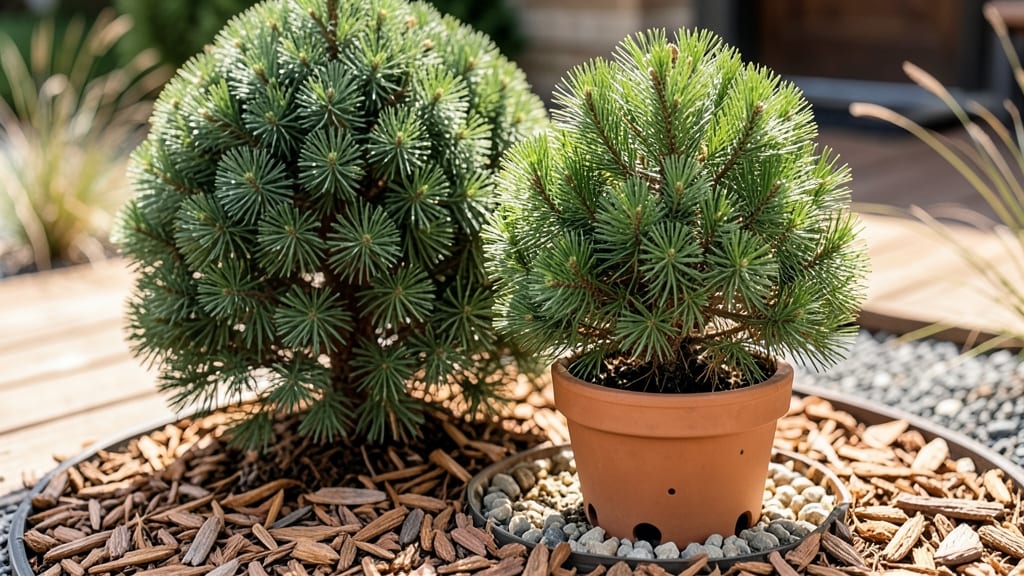
Growing small pine trees in pots is the secret to year-round greenery that never needs replacing. 🌲 I've kept my dwarf pines thriving for over five years—no winter browning, no summer stress—just lush, fragrant evergreens that brighten any patio or entryway.
The key lies in choosing the right species—like mugo or Japanese black pine—and giving them well-draining soil mixed with sand or perlite. Most people overwater, but pines hate soggy roots; let the top inch dry between waterings.
A container with drainage holes is non-negotiable, or you'll end up with root rot before you know it.
You'll end up with a tree that stays compact, stays green, and stays healthy through all four seasons. The needles stay vibrant, the shape remains perfect, and you avoid the mess of fallen cones or needles that ground pines create.
Plus, they add that "forest retreat" vibe to any outdoor space.
Works for balconies, courtyard planters, or even indoor winter displays—just adjust watering when indoor air gets dry. Here's exactly how to keep them thriving year after year without the guesswork.
📚 In This Guide
- What you need
- Instructions
- Tips and common mistakes
- Wrapping up and next steps
What you need
- ● Dwarf pine tree seedlings or saplings: Choose varieties like Pinus mugo (mugo pine) or Pinus sylvestris (Scots pine) in 3–5 gallon pots (1–2 plants per container).
- ● Containers: Pots with drainage holes (12–18 inches in diameter for mature size; 8–10 inches for young trees). Use terracotta, ceramic, or high-quality plastic.
- ● Well-draining potting mix: A blend of 50% peat moss or coco coir, 30% perlite or pumice, and 20% sand or gravel (3–5 gallons per pot).
- ● Drainage layer: Small rocks (½–1 inch) or broken pottery shards (1–2 inches deep per pot).
- ● Slow-release fertilizer: A balanced, acid-loving plant fertilizer (e.g., 10-10-10 or 14-14-14) with micronutrients (1–2 tbsp per pot).
- ● Watering can with a rose attachment: For gentle, even watering (avoid overhead spray).
- ● Pruning shears: Sharp, sterilized shears for shaping and maintenance.
- ● Trowel or small shovel: For repotting or mixing soil.
- ○ Mulch (optional): Pine bark or wood chips (1 inch thick) to retain moisture and mimic forest floors.
- ○ Liquid fertilizer (optional): Diluted fish emulsion or seaweed extract for occasional feeding (every 4–6 weeks).
- ○ Pine needle rake (optional): For gently fluffing soil without disturbing roots.
- ● Grow lights or sunny outdoor spot: Ensure 6+ hours of sunlight daily (south-facing window or LED grow lights for indoors).
- ○ Humidity tray (optional): A shallow tray with pebbles and water to increase air moisture in dry climates.
Step-by-step guide for growing dwarf pine trees in containers
Here's how I keep my dwarf pines thriving in pots year after year.
🪴 Step 1: Choose the Right Containers and Drainage
Start with pots that are at least 12-14 inches deep for each 3-4 foot mature plant. Dwarf pines need room for their roots to spread but also excellent drainage. I use terra cotta pots because they breathe better than plastic, which helps prevent root rot in these moisture-sensitive trees.
Make sure each pot has at least 3-4 drainage holes—more is better if your pots are shallow. If your chosen pots don't have enough holes, drill a few extra. Place a layer of ½ inch gravel or coarse sand at the bottom before adding soil. This creates a barrier that keeps soil from clogging the drainage holes over time.
🌱 Step 2: Prepare the Perfect Soil Mix
Dwarf pines thrive in a mix that mimics their natural, well-draining forest floor. Combine 60% acidic potting soil (pH 4.5-5.5) with 30% perlite or pumice and 10% coarse sand. This ratio prevents compaction while holding enough moisture for their shallow root systems.
Fill each pot about ⅔ full with your mix, leaving room for the pine's root ball and a 1-2 inch top layer for mulch later. Gently tap the pot on the table to settle the soil without compacting it. The mix should look fluffy but firm enough to support the plant when you add it.
☀️ Step 3: Plant and Position for Optimal Light
Remove the pine from its nursery pot and gently loosen any circling roots with your fingers. Place it in the center of your prepared pot, ensuring the top of the root ball sits ½ inch below the pot's rim. This prevents water from spilling out when you water.
Fill in around the roots with your soil mix, pressing lightly as you go to eliminate air pockets. Water thoroughly until it drains freely from the bottom holes. Dwarf pines need full sun (6+ hours daily), but they'll also tolerate partial shade (4-6 hours) in hot climates. Position them where they'll get morning sun and afternoon shade if temperatures regularly exceed 85°F.
💧 Step 4: Water and Mulch for Year-Round Health
Water deeply when the top 1-2 inches of soil feel dry to the touch. Dwarf pines hate soggy roots, so always let excess water drain away completely. In summer, you might water every 5-7 days, while winter watering could drop to every 10-14 days—their growth slows dramatically in cold months.
After watering, top each pot with a ½ inch layer of pine bark mulch. This helps retain moisture, regulates soil temperature, and prevents weeds. Keep the mulch 2 inches away from the trunk to avoid rot. I reapply mulch every spring to maintain its benefits throughout the growing season.
✂️ Step 5: Prune and Fertilize Seasonally
Prune in late winter or early spring to shape your pine and remove any dead or damaged branches. Use clean, sharp pruners to make cuts just above a bud or branch junction. Never remove more than ⅓ of the plant's foliage in one season—dwarf pines are slow growers and sensitive to heavy pruning.
Fertilize lightly in early spring with a slow-release pine fertilizer (follow package rates). Avoid high-nitrogen fertilizers, which encourage soft, weak growth. I skip fertilizing in the fall and winter when the tree is dormant. A light feeding in spring is all these pines need to stay vibrant all year.
Tips & tricks for perfectly maintained dwarf pine trees
These simple strategies will help your container-grown pines thrive for years without the guesswork.
Container Size Matters: The 12-14 inch depth recommendation isn't arbitrary—it gives roots room to spread while preventing the soil from drying out too quickly. For smaller varieties that stay under 3 feet, you can use 10-12 inch pots, but add extra perlite to improve drainage. I've found that wider pots (14-16 inches) actually work better for some dwarf varieties because they allow for more lateral root growth, which makes the trees more stable in windy conditions.
Soil Mix Secrets: When mixing your 60-30-10 ratio of acidic potting soil, perlite, and sand, I recommend sifting the perlite first to remove any dust or fine particles. This keeps your mix light and airy, which is crucial for preventing root rot. For an extra boost, add a handful of worm castings to the mix—they improve moisture retention without compacting the soil. Just be sure to use the acidic potting soil specified; regular garden soil can introduce weeds and pathogens.
Light Positioning Hacks: The 6+ hours of full sun requirement can be tricky in urban settings. If your pines aren't getting enough direct sunlight, consider rotating them every few weeks so all sides get equal exposure. In hot climates where temperatures exceed 85°F, I place my pines on a wheeled cart so I can easily move them between morning sun and afternoon shade. This simple adjustment prevents leaf scorch while still giving them the light they need to thrive.
Watering Wisdom: The "top 1-2 inches dry" rule works, but I've found a simple test helps prevent overwatering: Stick your finger about 2 inches into the soil. If it comes out clean, water thoroughly. If it comes out damp, wait another day. In winter, I reduce watering to every 14 days and place pots on saucers filled with pebbles—this creates humidity around the roots without waterlogging the soil. The key is to mimic their natural forest environment where they experience seasonal moisture changes.
Pro Tips for Small Pine Trees In Pots
- These simple strategies will help your container-grown pines thrive for years without the guesswork.
- Container Size Matters: The 12-14 inch depth recommendation isn't arbitrary—it gives roots room to spread while preventing the soil from drying out too quickly.
- Soil Mix Secrets: When mixing your 60-30-10 ratio of acidic potting soil, perlite, and sand, I recommend sifting the perlite first to remove any dust or fine particles.
Frequently asked questions
Got questions about keeping small pine trees thriving in pots?
Here are answers to the most common concerns—from placement to pruning—so you can enjoy lush greenery year-round without the hassle.
What’s the best soil mix for dwarf pine trees in pots?
Use a well-draining blend of 50% peat-free potting mix, 30% perlite or coarse sand, and 20% pine bark fines. Avoid garden soil—it compacts and suffocates roots. Add a handful of orchid bark for aeration if your climate is humid. Pro tip: Repot every 2–3 years to refresh nutrients!
How do I protect small pine trees in pots during winter?
Move pots to a sheltered spot (like a garage or porch) before temps drop below 20°F (-6°C). Wrap the pot in burlap and add a mulch layer (straw or pine needles) around the base. Water sparingly—overwatering in cold soil leads to root rot. Bonus: Group pots together to create a microclimate!
Why are the needles turning brown on my potted pine tree?
Brown needles usually mean overwatering or underwatering. Check soil moisture—it should feel slightly dry 1–2 inches down. Other culprits: salt buildup (flush with water) or pests (like spider mites). Prune dead needles with clean scissors to encourage new growth. Troubleshoot: Yellowing? It might need iron-rich fertilizer!
How often should I fertilize dwarf pine trees in pots?
Feed lightly once in early spring (March) and again in mid-summer (July) with a balanced, slow-release fertilizer (10-10-10 or 20-20-20). Avoid high-nitrogen fertilizers—they burn delicate roots. Organic options like fish emulsion work too! Remember: Pines in pots need less fertilizer than those in ground.
Can I grow a dwarf pine in a decorative pot without drainage holes?
Yes, but you’ll need to layer gravel or use a cache pot (a secondary pot with drainage). Place a 3-inch layer of gravel at the bottom, then add soil on top. Monitor moisture closely—pots without drainage retain water longer, risking root rot. Alternative: Use a self-watering planter with a reservoir.
When and how should I prune my potted pine tree?
Prune only to shape in late winter or early spring (avoid heavy cuts—pines heal slowly). Use sterilized, sharp shears to trim brown tips or overgrown branches just above a bud. Never prune more than 25% of the foliage at once. Pro move: Prune after a rain to reduce stress!
Wrapping up and next steps
Growing small pine trees in pots is a rewarding way to bring nature’s beauty indoors or to your patio year-round! With the right dwarf variety, proper care, and a little attention to sunlight, soil, and watering, you’ll enjoy lush greenery that thrives in containers.
Whether you’re a beginner or a seasoned gardener, these resilient trees are perfect for adding texture and charm to any space.
Ready to get started? Pick your favorite dwarf pine, gather your supplies, and give your new green companion the love it deserves. Your tiny forest awaits—happy planting! 🌲✨