
Trees
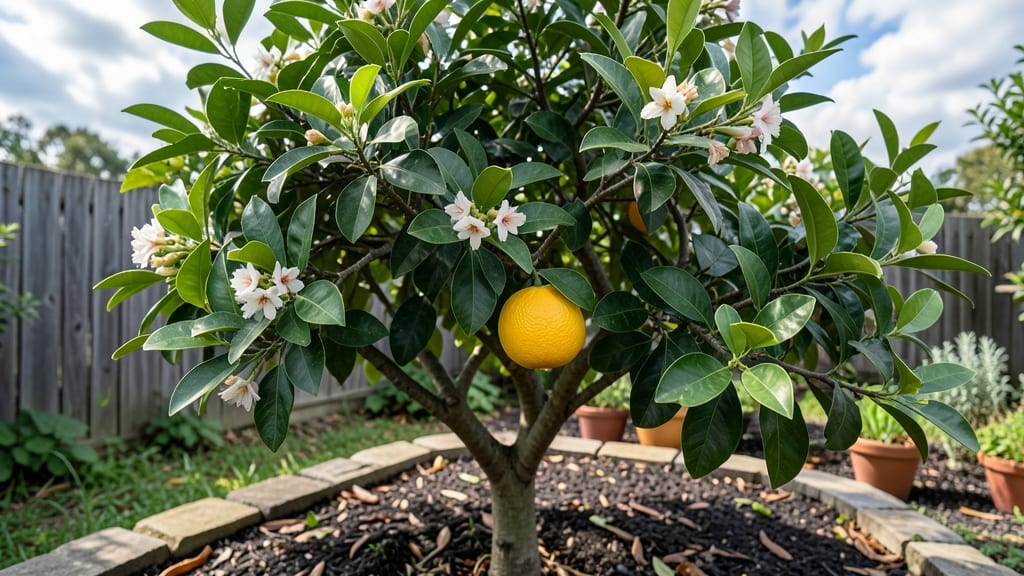
Growing Arizona grapefruit trees means harvesting sweet, juicy fruit straight from your desert backyard—no trip to the grocery store required. 🌞 These citrus powerhouses thrive where most trees would wilt, turning Arizona’s intense sun into golden harvests.
The trick is matching their love of heat with the right soil, water, and a little shade during the hottest afternoons.
You’ll need well-draining soil mixed with compost, a spot with 6+ hours of sun, and patience—these trees take 3-5 years to bear fruit but reward you with drought-tolerant resilience once established.
Arizona’s climate is actually perfect for them, provided you protect young trees from unexpected cold snaps and scale insects, their biggest nemesis.
By summer’s end, you’ll be plucking fruit that’s sweeter than store-bought, with thick skins that resist pests. The trees develop a striking, rounded shape over time, making them both productive and ornamental. With proper care, they’ll keep bearing for decades—imagine morning breakfasts with homegrown grapefruit for years to come.
Whether you’re in Phoenix, Tucson, or the lower deserts, these trees adapt beautifully to Arizona’s conditions. The key is consistent watering without overdoing it and pruning to maintain airflow. Let’s get you growing your own citrus paradise!
📚 In This Guide
- What you need
- Instructions
- Tips and common mistakes
- Wrapping up and next steps
What you need
- ● Grapefruit Tree (Ruby Red or Marsh varieties recommended) – Choose a healthy, 1-3 year old tree from a local nursery (avoid mail-order citrus if your zone isn’t hardy enough).
- ● Well-draining soil mix – A blend of 60% native soil, 30% compost, and 10% perlite or pumice (Arizona’s alkaline soil benefits from sulfur amendments).
- ● 5-gallon pot or planting hole – For young trees, use pots with drainage holes; mature trees need a hole 3x wider and deeper than the root ball.
- ● Citrus fertilizer (balanced NPK, 6-6-6 or 8-3-9) – Apply ¼ cup per tree every 4-6 weeks during growing season (spring-fall).
- ● Mulch (straw, wood chips, or gravel) – Spread 2-3 inches around the base (keep mulch 6 inches away from the trunk to prevent rot).
- ● Drip irrigation system or soaker hose – Citrus trees need 1-1.5 inches of water weekly (more in extreme heat).
- ● Pruning shears (sterilized) – For shaping and removing dead branches (prune in late winter or early spring).
- ● Frost cloth or windbreaks – Essential for young trees in Arizona’s occasional cold snaps (below 28°F).
- ● Epsom salt (magnesium sulfate) – Sprinkle 1 tbsp around the base monthly for greener leaves.
- ● Citrus tree cage or trellis – Supports heavy fruit branches (especially for dwarf varieties).
- ● Soil pH test kit – Arizona soil is often alkaline; aim for pH 6.0-7.0 (add sulfur if needed).
- ● Pest/disease monitor traps – Citrus trees attract aphids, scale, and citrus leaf miners.
- ● Shade cloth (30-50%) – Protects young trees from intense Arizona sun during establishment.
Step-by-step guide to planting and caring for Arizona grapefruit trees
Here's how to establish thriving citrus in your desert landscape—where heat and sun work in your favor.
🪴 Step 1: Select the Perfect Planting Location
Choose a site with full sun exposure (at least 8 hours daily) and protection from harsh afternoon winds. Grapefruit trees in Arizona thrive when planted where they receive morning sun and afternoon shade from nearby structures or taller plants. The soil should drain rapidly—citrus roots rot quickly in waterlogged conditions.
Dig a hole twice as wide as the root ball but only as deep as the container it came in. This prevents burying the graft union (visible as a swollen area near the base), which can lead to disease. Loosen the sides of the hole with your shovel to encourage root spread into native soil.
🌱 Step 2: Prepare the Soil and Plant
Amend the native soil with 2-3 inches of compost mixed into the bottom of the hole. Arizona's alkaline soil can stress citrus, so test your pH—grapefruit prefers 6.0-7.0. If your soil tests higher, work in sulfur according to package directions to lower the pH gradually over months.
Remove the tree from its container and gently tease apart any circling roots. Place the root ball in the hole, backfill with native soil mixed with compost, and water deeply to settle everything. Mulch with 3-4 inches of wood chips, keeping it 6 inches away from the trunk to prevent rot. This mimics the tree's natural desert environment while conserving moisture.
☀️ Step 3: Water Deeply and Establish a Routine
Water deeply once a week during the first year, soaking the soil to 18-24 inches deep. You'll know you've watered enough when the moisture reaches the root zone—use a soil probe or dig a small hole to check. Overwatering is the biggest mistake with citrus; grapefruit trees store water in their trunks and can survive drought once established.
After the first year, reduce watering to every 2-3 weeks unless you experience extreme heat (over 100°F). Let the top 6 inches of soil dry out between waterings. This encourages deep root growth, which is crucial for drought resistance in Arizona's climate.
✂️ Step 4: Prune for Shape and Fruit Production
Prune in late winter or early spring before new growth begins. Remove any dead, diseased, or crossing branches first, then shape the tree by cutting back overly vigorous growth by one-third. This opens the canopy to sunlight and air circulation, reducing humidity-related diseases like anthracnose.
Thin out fruits when they're golf-ball sized to leave 6-8 inches between remaining grapefruits. This ensures larger, higher-quality fruit and prevents limb breakage. I always prune on a dry day to minimize disease entry points—never prune when the tree is wet or stressed.
🌿 Step 5: Fertilize for Optimal Growth and Fruit
Apply a balanced citrus fertilizer (10-10-10 or 8-3-9) three times a year: in early spring, mid-summer, and fall. Follow package directions for amounts—over-fertilizing leads to salt buildup in the soil, which citrus trees are sensitive to. Avoid fertilizing in winter when the tree is dormant.
Work the fertilizer into the top 6 inches of soil around the drip line (the edge of the tree's canopy). Water deeply after application to help distribute nutrients. Yellow leaves often signal either over- or under-fertilization—adjust based on the tree's response. A healthy grapefruit tree will have deep green, glossy leaves with no yellowing.
Tips & tricks for perfect Arizona grapefruit trees
Real talk: Arizona's intense sun and heat make grapefruit trees a rewarding but tricky project. These insights will help you avoid the pitfalls I learned the hard way after losing my first two trees.
Location Intelligence: That 8-hour sun requirement is non-negotiable, but here's what nobody tells you—the afternoon shade is just as critical. I planted mine against a stucco wall that gets afternoon shade from a neighboring palm tree. Without this protection, the leaves scorch even in the mildest desert winds. Look for spots where the sun arcs naturally across the sky during the day.
Soil Science: The 6.0-7.0 pH range is your target, but Arizona's alkaline soil often starts at 8.0 or higher. I test my soil every spring and add sulfur incrementally—never all at once. You'll know you've overdone it when new growth appears yellow with green veins. This means the sulfur has burned the roots. The 2-3 inches of compost in Step 2 should be organic matter like well-aged cow manure or leaf mold, not fresh grass clippings which can burn.
Watering Wisdom: That first-year weekly watering to 18-24 inches deep is crucial, but here's the secret: use a soil probe or dig a small hole to check moisture. I've seen trees drown when people assume "deep watering" means flooding. The soil should feel damp at 18 inches but not soggy. After year one, let that top 6 inches dry completely between waterings—this forces roots to grow deeper where they'll find natural moisture during droughts.
Pruning Precision: When thinning fruits to 6-8 inches apart, I wait until they're exactly golf-ball sized—no bigger, no smaller. This timing ensures you're not removing potential fruit too early or too late. And that one-third pruning rule? I actually cut back slightly more aggressive—about 40%—on overly vigorous branches to create that open canopy. The key is to make cuts just outside the branch collar where it meets the trunk.
Pro Tips for Arizona Grapefruit Trees
- Real talk: Arizona's intense sun and heat make grapefruit trees a rewarding but tricky project.
- Location Intelligence: That 8-hour sun requirement is non-negotiable, but here's what nobody tells you—the afternoon shade is just as critical.
- Soil Science: The 6.0-7.0 pH range is your target, but Arizona's alkaline soil often starts at 8.0 or higher.
Frequently asked questions
What’s the best time of year to plant grapefruit trees in Arizona?
Arizona’s mild winters make November through February the ideal window. Planting during cooler months helps roots establish before the scorching summer sun. Avoid spring—young trees can suffer from transplant shock when temperatures soar. Pro tip: Water deeply after planting to encourage root growth!
Why are my grapefruit tree leaves turning yellow?
Yellow leaves often signal overwatering or nutrient deficiencies. Arizona’s clay soil can trap excess moisture, causing root rot. Check drainage and adjust watering to 1–1.5 inches per week (more in summer). A soil test can reveal if your tree needs iron or zinc—common issues in alkaline desert soils.
How long does it take for an Arizona grapefruit tree to bear fruit?
With proper care, dwarf varieties (like ‘Red Blush’) may produce fruit in 3–5 years, while standard trees can take 5–7 years. Patience pays off! Ensure full sun (6+ hours daily), well-draining soil, and regular pruning to encourage fruiting. Bonus: Arizona’s warm climate extends the growing season!
Can I grow grapefruit trees in containers in Arizona?
Dwarf varieties thrive in 15–25 gallon pots with drainage holes. Use a citrus-specific potting mix and move containers to partial shade during peak summer (100°F+). Just remember: Container-grown trees need more frequent watering and fertilizer than in-ground plants.
Do grapefruit trees need bees to pollinate?
Not always! While bees help, Arizona grapefruit trees are self-pollinating—meaning they can produce fruit without outside help. However, attracting pollinators (like hummingbirds or native bees) with nearby flowers can boost yield. Avoid pesticides that harm pollinators during blooming season.
Wrapping up and next steps
Growing Arizona grapefruit trees is a rewarding journey that brings vibrant citrus to your desert landscape—no green thumb required! With the right soil, sunlight, and care, these sun-loving trees can thrive even in hot climates.
Whether you're a first-time gardener or a seasoned citrus enthusiast, the key is patience and consistency.
Ready to take the next step? Start with a healthy sapling, give it love, and soon you’ll be harvesting sweet, juicy grapefruits straight from your backyard! 🍊✨