Pruning
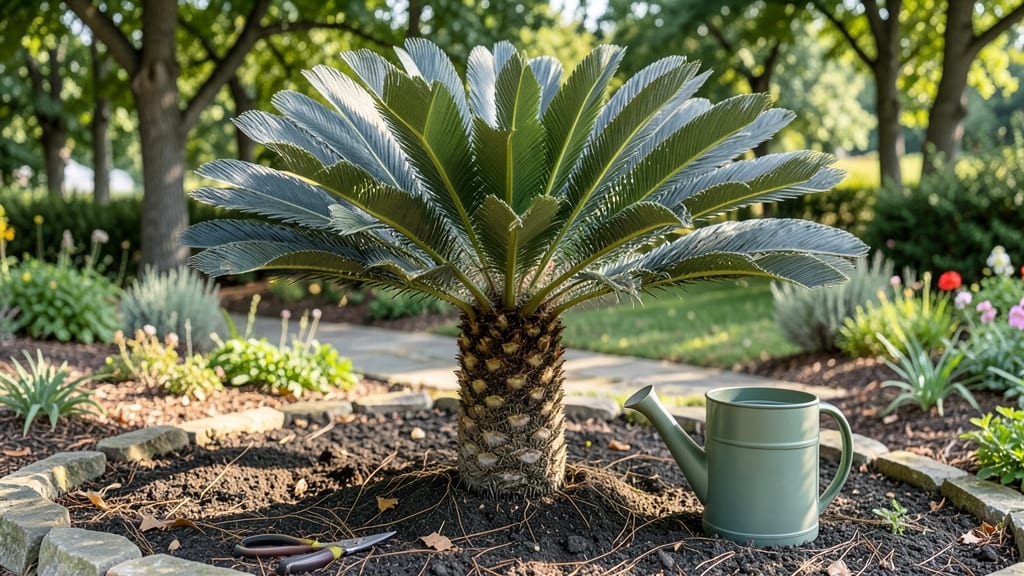
Banana palm tree care starts with understanding its tropical roots—this plant thrives when you mimic its native humidity and warmth, whether in pots or the ground. I’ve learned the hard way that skipping winter prep or overwatering turns lush fronds into sad, brown messes.
The key lies in three simple pruning tricks that keep it looking fresh year-round, even through heatwaves or dry spells.
Your banana palm needs well-draining soil mixed with sand or perlite to prevent root rot, and it drinks up water faster than you’d think—deep watering twice a week in summer, less in winter.
Place it where it gets bright, indirect light (outdoor palms tolerate full sun, but indoor ones crisp in harsh afternoon rays). The real magic happens when you prune dead fronds at the base and trim yellowing leaves before they drain energy.
With the right care, your banana palm will reward you with arching fronds that reach 12+ feet tall, glossy green leaves that feel like velvet, and a tropical vibe that brightens any space.
Start with these tricks, and you’ll avoid the most common pitfalls—like overwatering or letting pests move in—while keeping your palm lush through all four seasons.
Works equally well for container gardens on patios or as a statement plant in warm climates (just move it indoors before frost). Once you master the basics, you’ll spot exactly when your palm needs attention—whether it’s a new frond pushing through or a leaf begging to be trimmed.
Let’s get your palm thriving!
📚 In This Guide
- What you need
- Instructions
- Tips and common mistakes
- Wrapping up and next steps
What you need
- ● Pruning shears or loppers: Sharp, bypass-style (for clean cuts), 6–8" blades. (2–3 pairs recommended for large fronds.)
- ● Heavy-duty gloves: Cut-resistant, gardening-grade (palm fronds have serrated edges!).
- ● Pruning saw: Curved-tooth for thick stems (if your palm has woody trunks).
- ● Disinfectant (70% isopropyl alcohol or bleach solution): 1 part bleach to 9 parts water.
- ● Compost or mulch: Well-aged, 2–3 inches for post-pruning soil enrichment.
- ● Watering can or hose: With a gentle spray nozzle (banana palms hate soggy roots!).
- ○ Support stakes (optional for young palms): 1–2 bamboo or wooden stakes (2–3 ft tall).
- ● Fertilizer: Balanced palm fertilizer (e.g., 8-2-12 NPK ratio) or organic options like fish emulsion.
- ● Plant tie straps: Soft fabric or rubber straps to secure young fronds during growth.
- ● Fungicide (copper-based): For humid climates to prevent leaf spot after pruning.
- ● Wheelbarrow or tarp: To haul away debris easily.
- ● Soil pH tester: Banana palms prefer slightly acidic to neutral soil (5.5–7.0).
Step-by-Step guide to pruning your banana palm tree for year-round health
Here's how I keep my banana palms lush and productive—no dead fronds, no wasted energy, just steady growth.
Identify and Remove Dead or Dying Fronds
Start by scanning your palm from top to bottom. Look for fronds that are completely brown, brittle, or hanging limp—these are dead and need removal. I use a sharp pruning saw for thicker stalks and hand pruners for smaller fronds. Always cut at the base where the frond meets the trunk, making a clean cut to prevent tearing.
Don't remove fronds that are still green with brown tips—these are just aging naturally. The rule is simple: if it's completely dry and crunchy, it's time to go. This keeps your palm looking tidy while allowing energy to focus on new growth. I like to prune these in the morning when the fronds are still slightly damp from dew, making them easier to handle.
Prune for Airflow and Light Penetration
Once you've removed the dead fronds, focus on the ones that are partially brown but still attached. These can block sunlight and airflow from reaching the center of the plant. I make a point to trim back any fronds that are crowding the growing point or casting too much shade on the trunk.
Use your hand as a guide—if you can't fit your fist between the fronds and the trunk, it's time to thin them out. Cut back to the point where the frond is still mostly green and healthy. This step is crucial for preventing fungal issues and encouraging the palm to produce new, vibrant fronds. I usually do this every 3-4 months, depending on how fast my palm grows.
Harvest and Repurpose Mature Fronds
When your banana palm produces fronds that are fully mature but not yet dead, you can harvest them for other uses—like mulch or crafts—before they turn brown. I wait until the frond is fully unfurled but still bright green. Cut it at the base, just like the dead fronds, and store it in a dry place until you're ready to use it.
Harvesting these fronds actually benefits the plant by reducing competition for nutrients. It also gives you free material for compost or decorative projects. I like to tie a few together and hang them upside down to dry completely before repurposing. This step is optional but adds a practical touch to your palm care routine.
Clean Up and Apply Protective Measures
After pruning, take a moment to clean up the area around your palm. Remove any fallen fronds or debris from the base of the trunk, as these can harbor pests or diseases. I use a stiff brush to scrub the trunk lightly, which also helps remove any clinging dirt or sap.
Finally, apply a balanced, slow-release fertilizer around the root zone to replenish nutrients lost during pruning. I use a palm-specific fertilizer in early spring and again in late summer. Water deeply after fertilizing to help the nutrients soak into the soil. This step ensures your palm stays strong and ready for its next growth cycle.
Tips & tricks for perfect banana palm tree care
These simple tricks will keep your banana palm thriving year-round with minimal effort.
Timing Secret: In Step 2, when you're thinning for airflow, focus on the 3-4 month cycle mentioned. I've found that pruning right after a rain shower makes the cuts cleaner and reduces stress on the plant. The natural moisture helps the cuts heal faster, preventing entry points for pests or diseases. Always schedule this step when you're not expecting heavy winds, as fresh cuts are more vulnerable.
Tool Tip: For Step 1, invest in a pair of bypass pruners—they make clean cuts without crushing the frond stalks. I keep a small bucket nearby to collect the larger fronds for composting. When dealing with thicker stalks, a sharp pruning saw is worth the investment. Dull tools can tear the tissue, which slows healing and invites infections. Always sterilize your tools with rubbing alcohol between cuts to prevent spreading any potential pathogens.
Harvesting Hack: When harvesting mature fronds in Step 3, look for fronds that are fully unfurled but still vibrant green. These are perfect for crafts or mulch. I like to bundle them with twine and hang them upside down in a dry, shaded area. This drying method preserves their shape and color better than laying them flat. If you're using them for mulch, chop them into smaller pieces first—they'll break down more evenly in your garden beds.
Fertilizer Strategy: In Step 4, that palm-specific fertilizer is your secret weapon. I apply half the recommended dose in early spring and the other half in late summer, right after a thorough watering. This timing aligns with your palm's natural growth cycles. If you notice yellowing fronds after fertilizing, it might be a sign of over-application—cut back to just one application in spring next time and monitor closely.
Pro Tips for Banana Palm Tree Care
- These simple tricks will keep your banana palm thriving year-round with minimal effort.
- Timing Secret: In Step 2, when you're thinning for airflow, focus on the 3-4 month cycle mentioned.
- Tool Tip: For Step 1, invest in a pair of bypass pruners—they make clean cuts without crushing the frond stalks.
Frequently asked questions
Got questions about keeping your banana palm tree happy and healthy?
You’re not alone! Here are some of the most common concerns—plus quick, actionable answers to keep your tropical beauty thriving.
How often should I prune my banana palm tree?
Prune your banana palm once a year, ideally in late winter or early spring before new growth begins. Remove dead fronds, yellowing leaves, and any damaged stems. This keeps the tree healthy and prevents pests. Pro tip: Never remove more than 1/3 of the fronds at once—balance is key!
Can banana palm trees survive cold weather?
Banana palms are tropical and struggle in freezing temps (below 30°F/-1°C). If you live in a colder climate, grow them in containers and move them indoors or to a greenhouse during winter. For outdoor plants, wrap the trunk with burlap or mulch heavily to protect roots.
Why are my banana palm leaves turning yellow?
Yellow leaves usually signal overwatering, poor drainage, or nutrient deficiency. Check the soil—it should be slightly moist but not soggy. Adjust watering, ensure pots have drainage holes, and fertilize with a balanced palm fertilizer (like 8-2-12) every 2-3 months.
Do banana palm trees need full sun?
They thrive in full sun (6+ hours daily), but young or potted palms can scorch in intense afternoon heat. Start with morning sun + afternoon shade, then gradually increase exposure. If indoors, place near a south- or west-facing window for bright, indirect light.
How do I prevent pests like spider mites or scale insects?
Pests love stressed palms! Keep your tree hydrated, well-fed, and pruned to deter them. For infestations, spray with neem oil or insecticidal soap (follow label instructions). Early action is critical—check undersides of leaves weekly for tiny webs or sticky residue.
Wrapping up and next steps
Caring for your banana palm tree is a rewarding journey that blends patience, precision, and a little tropical love! 🌿 By mastering the three key pruning tricks—removing dead fronds, thinning crowded foliage, and trimming flower stalks—you’ll keep your palm healthy, vibrant, and thriving year-round.
Remember, consistency is key, and your efforts will pay off with lush, resilient growth.
Ready to take the next step? Grab your pruning shears and schedule your first maintenance session—your banana palm will thank you with stunning, sunlit fronds for years to come! 🌟