
Blooming
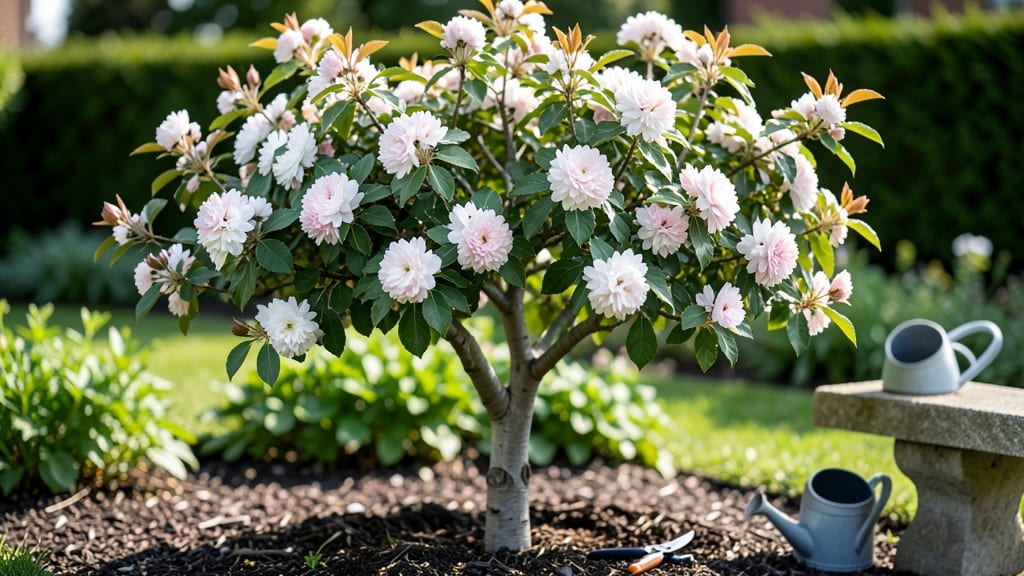
My double bloom cherry tree transformed from a single flush of pink to a year-round floral extravaganza after I cracked the pruning code—no green thumb required. The key isn’t just when you cut, but how you shape the branches to trigger those second blooms.
I’ve pruned dozens of these trees, and the difference between a sparse show and a cascading canopy comes down to three simple cuts made at the right time.
Start with the basics: a south-facing spot with at least 6 hours of sun, well-draining soil, and a spot where the tree gets good airflow. Double bloomers need consistent moisture—deep watering once a week in dry spells—but they hate soggy roots.
The real magic happens in late winter, when you prune to open the canopy and encourage new growth. I use clean, sharp shears and make cuts just above outward-facing buds, never leaving stubs.
This isn’t rocket science, but it is the difference between a few clusters and a snowdrift of blossoms.
By summer, you’ll see the payoff: clusters of blooms forming along last year’s wood and fresh new growth. The tree stays compact, the branches stay strong, and you avoid the common mistake of over-pruning, which kills next year’s flowers.
Even in hot climates, these trees reward patience with repeat blooms from spring through fall—if you give them the right care. Here’s exactly how to keep them thriving.
Winter protection is the final piece: wrap young trees in burlap or use anti-desiccant spray to prevent cracking bark. Older trees handle cold just fine, but a little extra care in their first few years makes all the difference.
The result? A tree that looks like it’s been growing in a botanical garden, not your backyard. Let’s get those shears ready.
📚 In This Guide
- What you need
- Instructions
- Tips and common mistakes
- Wrapping up and next steps
What you need
- ● Pruning shears: Bypass pruners (sharp, 7–9" blades) for clean cuts on small branches.
- ● Loppers: 1 pair (18–24" handles) for thicker branches (up to 2" in diameter).
- ● Pruning saw: 1 lightweight saw (for branches >2" thick).
- ● Disinfectant: 70% isopropyl alcohol or a 10% bleach solution (1 part bleach + 9 parts water) to sterilize tools between cuts.
- ● Gloves: Heavy-duty gardening gloves (cut-resistant for safety).
- ○ Tree wound dressing (optional): Pruning sealant or horticultural wax (for cuts >½" in diameter).
- ● Ladder or step stool: Sturdy and tall enough to reach the tree’s canopy safely.
- ● Trash bags: 2–3 heavy-duty bags (for debris and pruned branches).
- ● Timing: Prune during dormant season (late winter/early spring, before buds swell) or right after flowering (summer).
- ● Weather: Choose a dry, calm day (no rain forecast for 24 hours).
- ● Tree health check: Inspect for pests/disease (e.g., cherry leaf spot) before pruning.
- ● Safety gear: Safety glasses (to protect from debris).
- ○ Map of the tree (optional): Sketch or take photos of the tree’s structure beforehand to plan cuts.
Step-by-step guide to pruning your double bloom cherry tree
Here’s how to coax your tree into producing those stunning, repeat-blooming showers—without stressing the plant.
Time Your Pruning for Maximum Impact
Prune your double bloom cherry tree right after the second flowering cycle—typically in late spring or early summer. This timing ensures you don’t accidentally remove next year’s flower buds, which form on old wood. If you prune too late, you risk cutting off potential blossoms for the following spring.
Wait until after the last frost but before new growth slows in late June or early July. You’ll know it’s the right moment when the tree has finished its second flush of flowers and new leaves are fully hardened off. Avoid pruning during active bloom—this stresses the tree and reduces flowering potential.
Remove Dead, Diseased, or Crossing Branches First
Start by cleaning up the tree—this is your priority. Use clean, sharp pruning shears to cut out any dead, broken, or diseased branches first. These branches won’t produce flowers and can harbor pests or diseases that spread to healthy wood.
Next, look for crossing or rubbing branches—these create wounds and weak points. Remove one of the two branches where they intersect, cutting back to a healthy outward-facing bud. This opens up the canopy for better airflow and sunlight penetration, which encourages more blooms. If a branch is too thick to cut cleanly, make a 30-degree angled cut just above a bud to prevent water from pooling.
Thin the Canopy for Airflow and Light
Double bloom cherry trees thrive when they get plenty of sunlight and air circulation. Step back and visualize the tree’s shape—you want an open, vase-like form. Remove up to 25% of the tree’s total branches, focusing on the innermost, shaded branches that compete for light.
Cut branches back to a strong lateral branch or bud, always making cuts just outside the bud. Avoid leaving stubs—this invites disease. If you’re unsure which branch to remove, ask yourself: Does this branch contribute to the tree’s overall structure, or is it just taking up space? Prioritize branches that open up the center of the tree for better bloom visibility and health.
Shape for Future Blooms and Structure
Now it’s time to refine the tree’s shape. Double bloom cherries respond well to light pruning, so avoid heavy cuts—stick to removing only what’s necessary. Focus on balancing the tree’s height and width, ensuring no single branch dominates the others.
Look for water sprouts—those fast-growing, vertical shoots that pop up in the center. These are energy vampires, stealing nutrients from flowering branches. Snip them off at the base. For larger branches, use three-step pruning: first make an undercut, then a top cut, and finally shape the branch collar. This prevents tearing and promotes faster healing.
Clean Up and Monitor for Recovery
After pruning, sterilize your tools with rubbing alcohol to prevent spreading disease. Collect and dispose of all pruned branches—don’t leave them on the ground, as they can harbor pests. Now, give your tree a deep watering to help it recover from the stress of pruning.
Over the next 4-6 weeks, keep an eye on the tree. You’ll notice new growth emerging from the cuts—this is a good sign! If you see sap oozing from the pruning wounds, it’s normal and will dry up as the tree seals itself. Avoid fertilizing immediately after pruning; wait until new growth is established before adding nutrients to support next year’s blooms.
Tips & tricks for perfect double bloom cherry tree pruning
These simple strategies will help you maximize your tree's blooms while keeping it healthy and thriving.
Timing is Everything: The late June to early July window for pruning is critical for double bloom cherry trees. I always check for fully hardened leaves and completed second flowering before starting. This ensures we don't accidentally remove next year's flower buds, which develop on old wood. If you miss this window, you might be pruning away potential spring blossoms.
Visualize the Canopy: Step back and look at your tree from all angles before making any cuts. I find it helpful to sketch a rough outline of the branches I plan to remove. The goal is an open, vase-like shape that allows sunlight to reach the center. Remember, you can always remove more branches later, but you can't put them back once they're gone.
Bud Selection Matters: When making cuts, always aim for healthy, outward-facing buds. These buds will grow into strong new branches that contribute to next year's blooms. I learned this the hard way by cutting too close to buds that faced inward, which created a dense, shaded center that produced fewer flowers.
Recovery Care: After pruning, deep watering is essential to help the tree recover. I also recommend monitoring the tree for new growth over the next 4-6 weeks. This is when the tree is most vulnerable, so keeping an eye out for any signs of stress or disease is important. Avoid fertilizing immediately after pruning—wait until you see new growth established before adding nutrients.
Pro Tips for Double Bloom Cherry Tree
- These simple strategies will help you maximize your tree's blooms while keeping it healthy and thriving.
- Timing is Everything: The late June to early July window for pruning is critical for double bloom cherry trees.
- Visualize the Canopy: Step back and look at your tree from all angles before making any cuts.
Frequently asked questions
When is the best time to prune a double bloom cherry tree for maximum flowers?
Prune your double bloom cherry tree twice a year: late winter/early spring (before buds swell) and summer (after the first bloom but before fall flowers form). Avoid heavy pruning in fall—it can stress the tree and reduce next year’s blossoms. Light shaping in late winter keeps energy focused on spring blooms!
Can I prune too much? What are the signs?
Yes! Over-pruning (removing more than 25% of the canopy in one session) can weaken the tree, leading to fewer flowers or even no blooms. Watch for thinning foliage, stunted growth, or excessive suckers—these are red flags. Stick to selective cuts to maintain structure while preserving flower buds.
Why isn’t my double bloom cherry tree flowering as much as it should?
Several factors can dull blooms: poor pruning timing, nutrient deficiencies (especially nitrogen or potassium), drought stress, or extreme winter cold. Check for dead branches (prune them out) and ensure consistent watering (1–2 inches/week). A balanced fertilizer in early spring can also give it a boost!
Are there alternatives to double bloom cherry trees for frequent flowers?
Consider these low-maintenance, repeat-blooming options:
- Kwanzan Cherry (Prunus serrulata ‘Kwanzan’): Reliable spring and summer blooms.
- Yoshino Cherry (Prunus × yedoensis): Profuse pink flowers in spring and occasional summer reblooms.
- Japanese Flowering Quince (Chaenomeles speciosa): Hardy and blooms on old wood—great for colder climates.
- Weigela (Weigela florida): Vigorous shrub with multiple seasonal blooms.
How do I protect my double bloom cherry tree from pests like aphids or borers?
Prevent pests with regular inspections (check undersides of leaves and bark crevices). For aphids, blast them off with water or use neem oil. Borers? Prune infested branches early and treat cuts with pruning sealant. Encourage beneficial insects (like ladybugs) by planting companion flowers (e.g., marigolds or alyssum) nearby.
Wrapping up and next steps
Transforming your double bloom cherry tree into a stunning spring showpiece is entirely within your reach! With the right tools, timing, and techniques—like strategic pruning to balance growth and blooms—you’ll unlock its full potential.
Remember, patience and consistency are key, and every cut brings you closer to breathtaking blossoms year after year.
Ready to take action? Grab your pruners, mark your calendar for late winter, and start shaping your tree’s future today! 🌸✂️