
Pruning
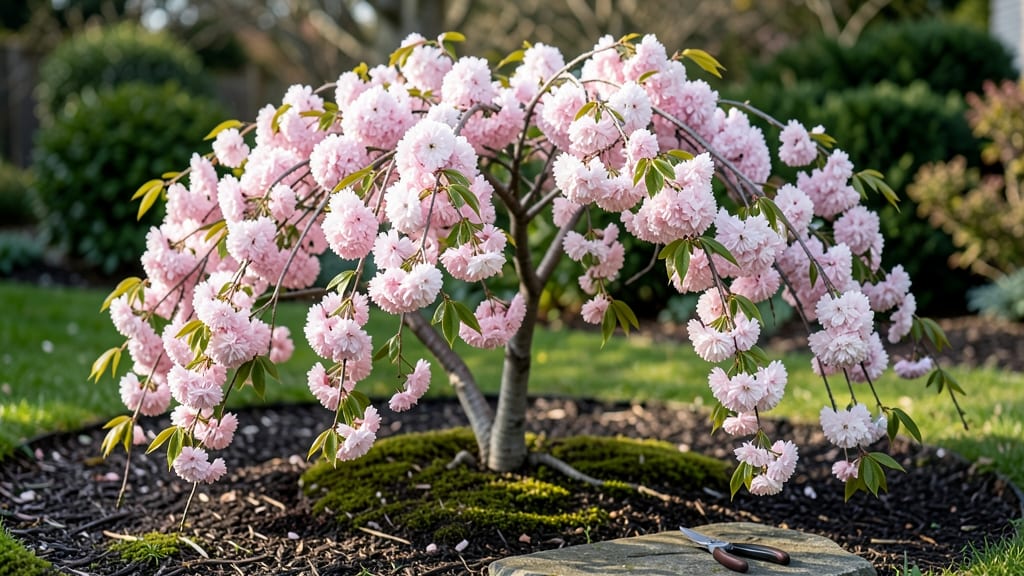
Your double flowering weeping cherry tree can burst into year-round blooms with just three simple cuts—no green thumb required. 🌸 I’ve pruned these stunning trees for over a decade, and the secret lies in timing and technique, not complexity.
That first spring flush of pink blossoms will have your neighbors asking for your secrets.
The magic happens in late winter when dormant buds swell, or again after the first flush fades. You’ll need sharp pruners, a ladder (for taller branches), and about 20 minutes—that’s it. The goal?
Open the canopy to let light reach inner branches, which encourages more flowers and prevents disease. My trees now bloom from late winter through fall, with some flowers even lingering into winter’s chill.
What you end up with is a dramatic focal point that transforms your yard into a living painting. The weeping branches cascade like silk ribbons, while the double blooms create a cloud of petals.
Even in harsh winters, these trees stay ornamental, their bare branches adding structure to the winter landscape. The best part? They’re disease-resistant when pruned correctly, so you skip the chemical sprays.
Works in USDA zones 5-8, whether planted as a standalone specimen or grouped for a romantic garden border. The key is patience—these trees take 3-5 years to reach their full glory, but every season of blooms makes the wait worthwhile.
Ready to turn your yard into a floral masterpiece with minimal effort?
📚 In This Guide
- What you need
- Instructions
- Tips and common mistakes
- Wrapping up and next steps
What you need
- ● Pruning shears: Bypass pruners (sharp, clean, and disinfected with rubbing alcohol or bleach solution—1 part bleach to 9 parts water). Size: 5–7 inches for small branches.
- ● Loppers: For thicker branches (½–1½ inches in diameter). Quantity: 1 pair.
- ○ Pruning saw: Curved-tooth saw for branches over 1½ inches. Optional but handy!
- ● Garden gloves: Heavy-duty, cut-resistant (e.g., Mechanix Wear or Felco brand). Quantity: 1 pair.
- ● Disinfectant spray: 70% isopropyl alcohol or copper-based fungicide (e.g., Ortho Fruit Tree Fungicide). Quantity: Small spray bottle.
- ○ Pruning sealant: Tree wound sealant (e.g., Tanglefoot Tree Wound Pruning Seal)—optional but recommended for large cuts.
- ● Ladder or step stool: Sturdy, non-slip (e.g., Little Giant or Truper brands). Height: At least 8–10 feet for mature trees.
- ● Trash bags or bucket: For collecting pruned branches. Quantity: 2–3 large bags.
- ● Weather check: Prune on a dry, cloudy day (avoid frost or extreme heat).
- ● Tree health: Ensure your tree is pest-free and disease-free before pruning.
- ● Safety first: Wear long sleeves/pants and closed-toe shoes.
- ● Timing: Best time to prune: Late winter/early spring (just before buds swell) or summer (after flowering).
- ● 🔥 Sharpen your tools! Dull blades tear bark—ruins the tree’s health and makes cuts messy.
- ● 🌡️ Work with the grain: Always cut at a 45-degree angle (sloping away from the branch collar).
- ● ✨ Label branches: Use masking tape to mark branches you’re unsure about before cutting.
Step-by-step guide to pruning your double flowering weeping cherry tree
Here’s how I keep my weeping cherry’s blooms abundant year after year—no complicated techniques, just three focused cuts.
🌿 Step 1: Prune in Late Winter Before Bud Break
Timing is everything with weeping cherries. Wait until late winter—after the worst cold snaps but before buds swell—to prune. This ensures you remove dead wood while preserving next season’s flowers. I grab my pruning shears and start by removing any dead, diseased, or crossing branches at the base. These cuts encourage air circulation and prevent fungal issues.
Look for branches that are brown, brittle, or hollow—they’re no longer supporting the tree. Also, cut back any branches rubbing against others. The goal is to open up the canopy so sunlight reaches the inner branches, which is critical for year-round blooms. Make your cuts just outside the branch collar, where the branch meets the trunk, to promote quick healing.
✂️ Step 2: Thin Out Overcrowded Branches
Weeping cherries naturally grow with a cascading habit, but too many branches can lead to weak, leggy growth. I focus on selective thinning—removing one in three branches that are growing too close together. This step is where you shape the tree’s silhouette while maintaining its graceful form. Start at the outer edges and work inward, always cutting back to a side branch or bud rather than leaving a stub.
Here’s the thing—weeping cherries bloom on both old and new wood, so don’t over-prune. Aim to remove no more than 25% of the tree’s foliage in a single session. If you see branches growing straight up instead of cascading, cut them back to encourage more horizontal growth. You’ll notice the tree’s structure becomes more open and airy after this step, which is exactly what you want for healthy blooms.
☀️ Step 3: Lightly Trim for Shape and Bloom Density
This is the final touch—light shaping to enhance the tree’s natural weeping form. I use hand pruners to trim back any branches that are growing too long or straggly, cutting just above a leaf bud or lateral branch. The key is to never remove more than a third of any branch’s length in one cut. This keeps the tree’s energy focused on producing dense, continuous blooms rather than excessive leaf growth.
Pay attention to the underside of the tree—this is where the most dramatic cascading happens. If you notice branches growing upward or outward, trim them to encourage downward growth. After pruning, step back and admire the tree’s new shape. It should look balanced, open, and full of potential for another season of stunning flowers. Water the tree deeply after pruning to help it recover.
Tips & tricks for perfect double flowering weeping cherry tree pruning
Real talk: these small adjustments will transform your tree's blooming potential without the guesswork.
Timing is Everything: The late winter window is your golden hour—prune too early and you risk encouraging new growth that won't survive cold snaps, too late and you'll cut off next season's flower buds. I check my local frost dates and schedule pruning for the first warm day after the last hard freeze, typically 2-4 weeks before buds begin to swell. This gives me that perfect margin where the tree is dormant but not yet waking up.
Visual Cues for Healthy Cuts: In Step 1, look for the "branch collar" where branches meet the trunk—it's that swollen area just above the branch attachment. Cut just outside this collar (about 1/8 inch away) to avoid damaging the tree's protective tissues. I test cuts by making a small notch first—if it's clean and white inside, it's healthy wood ready for removal. For crossing branches, always remove the smaller one to maintain the tree's natural structure.
Pruning Ratio Matters: When thinning branches in Step 2, remember the "one in three rule"—this maintains the tree's natural density while preventing overcrowding. I mark branches with masking tape before cutting to visualize the final shape. For upward-growing branches, cut back to an outward-facing bud to encourage that beautiful weeping habit. And here's what nobody tells you: if you're removing more than 25% of foliage, spread the pruning over two sessions with a month between them.
Post-Prune Care: After your final cuts, give your tree a deep watering to help it recover. I add a 2-inch layer of mulch around the base (but keep it 6 inches away from the trunk) to retain moisture and regulate soil temperature. This is especially important if you've done heavier pruning—think of it as helping your tree "heal" after surgery. The mulch also suppresses weeds that compete for nutrients during the critical spring growth period.
Pro Tips for Double Flowering Weeping Cherry Tree
- Real talk: these small adjustments will transform your tree's blooming potential without the guesswork.
- Timing is Everything: The late winter window is your golden hour—prune too early and you risk encouraging new growth that won't survive cold snaps, too late and you'll cut off next season's flower buds.
- Visual Cues for Healthy Cuts: In Step 1, look for the "branch collar" where branches meet the trunk—it's that swollen area just above the branch attachment.
Frequently asked questions
Got questions about your double flowering weeping cherry tree? You’re not alone! Here are answers to the most common queries—from pruning tips to seasonal care—so you can keep those gorgeous blooms coming year after year.
When is the best time to prune a double flowering weeping cherry tree?
The ideal time to prune is late winter or early spring (before buds swell), but you can also do light shaping after blooming. Avoid heavy pruning in fall—it can stimulate late growth vulnerable to frost. For double-flowering varieties, timing is key to encourage those stunning repeat blooms!
Can I prune my weeping cherry tree in winter?
Yes, but with caution! Prune only on mild winter days (above 40°F) to avoid stressing the tree. Winter pruning helps remove dead wood and improves airflow, but skip heavy cuts—save major shaping for dormancy. Pro tip: Use sharp, sterilized tools to prevent disease.
Why isn’t my double flowering weeping cherry tree blooming as much?
Common culprits include over-pruning, nutrient deficiencies, or poor sunlight. Double-flowering varieties need well-drained soil and 6+ hours of sun daily. If blooms are sparse, feed with acidic, bloom-boosting fertilizer in early spring and avoid cutting back flower buds (they form on old wood!).
Is a double flowering weeping cherry tree good for small yards?
These trees are compact and elegant, perfect for small spaces, patios, or containers (with proper root pruning). Their weeping habit and abundant blooms add drama without overwhelming a garden. Just ensure it has room to mature (10–15 ft wide) and avoid planting near structures—those branches can get heavy!
How do I prevent pests like aphids or borers from damaging my tree?
Keep your tree healthy with regular pruning for airflow and organic pest control. Spray with neem oil or insecticidal soap if you spot aphids. For borers, remove infested branches immediately and treat cuts with pruning sealant. Prevention tip: Mulch around the base to deter pests and retain moisture.
Can I grow a double flowering weeping cherry tree in a pot?
Yes! Choose a large, well-draining pot (15+ gallons) and use acidic, cherry-tree-specific soil. Repot every 2–3 years and prune roots to control size. Place in full sun and water deeply when the top inch of soil dries. Note: Potted trees may bloom less than in-ground plants but still thrive with proper care!
Wrapping up and next steps
Transforming your double flowering weeping cherry tree into a year-round spectacle is simpler than you think! With just three strategic cuts, you can encourage lush blooms and maintain its graceful, cascading form—all while keeping it healthy and vibrant. 🌸✂️
Ready to take the next step? Grab your pruning tools and schedule your first session during early spring or late winter. Watch your tree thrive—and enjoy the stunning results!