
Trees
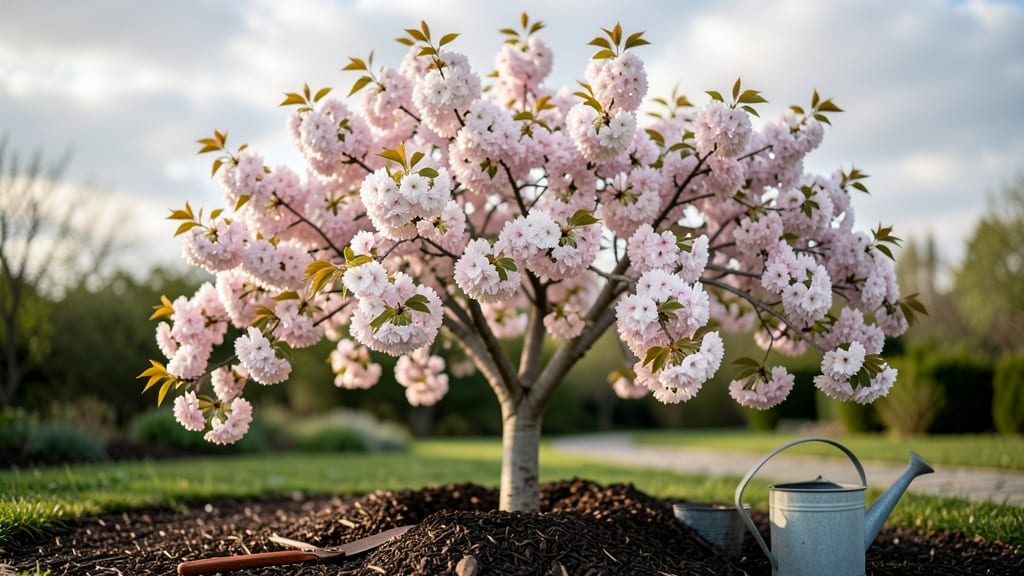
A cherry blossom ornamental tree transforms any garden into a springtime masterpiece with its delicate pink canopy that feels like a borrowed moment from Kyoto. 🌸 I still remember the first time I saw one—how the branches arched like calligraphy against the sky, and how the scent of blossoms lingered in the air for days.
This isn’t just a tree; it’s a seasonal statement that turns your yard into a living painting.
The key to making it work lies in placement and companions. Position it where you’ll see it first thing in the morning—near a patio, driveway, or along a walking path.
Pair it with low-growing perennials like hostas or ferns to frame its trunk, or add early-blooming bulbs like daffodils to extend the show. Even in dormancy, its exfoliating bark adds texture, making it a year-round player.
What you’ll get is a garden that feels like a cultural escape without the travel. Imagine sipping coffee under branches heavy with blossoms, or hosting a spring picnic where the petals drift like confetti.
The tree’s cultural weight—symbolizing renewal in Japanese traditions—adds depth, while its color variations (from pale pink to deep magenta) let you pick the perfect mood for your space.
Works beautifully as a solitary star or in clusters for larger properties. For small yards, dwarf varieties keep the drama without the footprint. Let’s make your garden the talk of the neighborhood—one petal at a time.
📚 In This Guide
- What you need
- Instructions
- Tips and common mistakes
- Wrapping up and next steps
What you need
- ● Cherry Blossom Tree: Choose between a Prunus serrulata (Japanese cherry) or Prunus avium (ornamental cherry). Opt for a 1- to 3-gallon container-grown plant (easier to transplant) or a bare-root sapling (budget-friendly, best planted in dormancy).
- ● Planting Hole: Dig a hole 2-3 times wider and just as deep as the root ball. Loosen the soil at the bottom to encourage root growth.
- ● Amended Soil: Garden soil (well-draining, slightly acidic: pH 5.0–6.5)
- ● Compost (1 part compost to 3 parts soil) for nutrients
- ○ Optional: Slow-release fertilizer (10-10-10 ratio) mixed into the soil for a nutrient boost.
- ● Shovel (round-point or spade)
- ● Garden fork (for loosening compacted soil)
- ● Gloves (to protect your hands from thorns and dirt)
- ● Watering can or hose (with a gentle spray nozzle)
- ● Mulch (2–3 inches of wood chips or shredded bark to retain moisture and suppress weeds)
- ○ Staking kit (optional)—only needed if planting in windy areas or for young, top-heavy trees.
- ● Best Planting Time: Late fall, winter, or early spring (avoid extreme heat or frost).
- ● Sunlight: Full sun (6+ hours/day)—cherry blossoms thrive in bright, open spaces!
- ● Water Access: Ensure a water source nearby for the first 2–3 weeks (deep watering 2–3 times per week).
- ● Space: Account for mature size—most ornamental cherries reach 20–30 feet tall (prune to control growth if needed).
Step-by-Step guide for planting and cultivating a cherry blossom ornamental tree
Here’s how to establish your tree for a stunning, long-lived display of seasonal splendor.
🌱 Step 1: Select and Prepare the Planting Site
Cherry blossoms thrive in full sun—choose a location with at least 6-8 hours of direct sunlight daily. The soil should drain well but retain moisture; amend heavy clay with 2-3 inches of compost to improve aeration. I always dig a hole twice as wide as the root ball but only as deep—this prevents burying the trunk too deeply, which can strangle the tree over time.
Test your site’s drainage by digging a 12-inch deep hole and filling it with water. If it drains in under 2 hours, the spot is ideal. Slow drainage means you’ll need to raise the planting area with a mound of soil or choose a different location. Cherry blossoms hate soggy roots, and poor drainage is the #1 reason they fail.
🪴 Step 2: Plant the Tree at the Right Depth and Stake for Support
Gently remove the tree from its container and loosen any circling roots with your fingers—this encourages outward growth. Place it in the hole so the top of the root ball sits 1-2 inches above ground level. Backfill with native soil, tamping lightly every 4-6 inches to eliminate air pockets. A 2-inch layer of mulch (like the 3-inch cypress mulch you’ll use) around the base helps retain moisture but keep it 3 inches away from the trunk to prevent rot.
Stake young trees if your area gets strong winds—use two 6-foot stakes driven 6 inches from the trunk and tie the tree loosely with soft fabric strips (never wire, which can girdle the bark). Water deeply immediately after planting to settle the soil and remove the stakes after 12-18 months when the roots establish.
☀️ Step 3: Water Deeply and Establish a Consistent Care Routine
Water once a week for the first month, then taper to every 10-14 days once established—unless you’re in extreme heat or drought. You’ll know it’s time when the top 2 inches of soil feel dry. Overwatering is worse than underwatering; cherry blossoms are surprisingly drought-tolerant once mature. I use a soaker hose to deliver water slowly at the base, avoiding wetting the leaves to prevent fungal diseases like powdery mildew.
Fertilize in early spring with a balanced 10-10-10 formula (about ½ cup per inch of trunk diameter) to encourage blooms. Skip fall fertilization—new growth won’t harden off before winter. Prune only to remove dead wood or crossing branches; never prune in fall, as it stimulates tender growth that won’t survive frost.
⏰ Step 4: Protect and Prune for Seasonal Health
Winter care starts in late fall by wrapping the trunk with tree guard (like the 10-foot burlap wrap you’ll use) to shield against rodent damage. In early spring, remove the wrap and inspect for signs of pests like scale or aphids. Spray with neem oil if needed—it’s organic and safe for pollinators. Cherry blossoms are prone to silver leaf disease, so monitor for discolored leaves and prune infected branches immediately.
Prune spent blossoms in late spring to encourage next year’s flowers, but avoid heavy pruning—cherry blossoms bloom on old wood, so aggressive cuts reduce future blooms. Thin out crowded branches to improve airflow, which prevents fungal issues. I always prune on a dry, overcast day to reduce stress on the tree.
Tips & tricks for perfect cherry blossom ornamental tree cultivation
Real talk: Cherry blossoms are divas—they demand attention to detail, but once you get them right, they reward you with breathtaking pink canopies. Here are the game-changers that'll help you avoid the most common pitfalls.
Site Selection Insight: That 6-8 hours of sunlight isn't just a suggestion—it's non-negotiable for vibrant blooms. I've seen trees in partial shade produce half the flowers, and the petals were pale pink instead of that show-stopping magenta. If your yard has afternoon shade, consider planting near a south-facing wall that reflects sunlight. Also, avoid planting near large trees that will compete for water and nutrients.
Root Ball Strategy: When loosening those circling roots in Step 2, don't just pull at them—gently work your fingers between the roots and the root ball to create a loose network. This encourages outward growth rather than a tangled mess that strangles itself. I learned this the hard way after watching a tree struggle for years with roots circling like a pretzel. After loosening, give the root ball a good soaking before planting to help it settle into its new home.
Mulch Mastery: That 2-inch layer of cypress mulch isn't just for looks—it's a moisture regulator and temperature stabilizer. But here's what nobody tells you: Refresh the mulch every spring, spreading a new 1-inch layer over the existing one. This prevents the mulch from compacting and losing its effectiveness. Just remember to keep it 3 inches away from the trunk to prevent rot—this is where most people mess up and end up with trunk rot.
Watering Wisdom: The once-a-week watering schedule for the first month is perfect, but there's a trick to make it even better. Water in the early morning so the foliage has all day to dry, which prevents fungal diseases. And here's a pro move: After that first month, instead of sticking to every 10-14 days, check the soil moisture by sticking your finger 2 inches deep. If it's dry, water; if it's still moist, wait. Your tree will thank you with healthier roots and more abundant blooms.
Pro Tips for Cherry Blossom Ornamental Tree
- Real talk: Cherry blossoms are divas—they demand attention to detail, but once you get them right, they reward you with breathtaking pink canopies.
- Site Selection Insight: That 6-8 hours of sunlight isn't just a suggestion—it's non-negotiable for vibrant blooms.
- Root Ball Strategy: When loosening those circling roots in Step 2, don't just pull at them—gently work your fingers between the roots and the root ball to create a loose network.
Frequently asked questions
about cherry blossom ornamental trees—because every gardener deserves clarity before planting! Here are answers to the most common queries to help you grow a stunning seasonal show.When is the best time to plant a cherry blossom tree?
The ideal planting window is late fall or early spring (before buds swell). This gives roots time to establish before extreme heat or cold. Avoid planting during summer droughts or winter freezes—roots need moisture and stable soil temperatures to thrive!
How much sunlight does a cherry blossom tree need?
These trees crave full sun (6–8 hours daily) for vibrant blooms and healthy growth. Plant in a spot with unobstructed sunlight, preferably against a south- or west-facing wall. Partial shade may reduce flowering, but they’ll tolerate it if no alternative exists.
Why aren’t my cherry blossoms blooming?
Common culprits include poor sunlight, young age (trees <5 years old may not bloom yet), or pruning at the wrong time. Ensure your tree gets adequate light, avoid heavy pruning in late winter, and check for pests/diseases. Patience helps—some varieties bloom sporadically!
Are cherry blossom trees low-maintenance?
While they’re moderately easy, they need regular pruning (after blooming) to remove dead wood and shape growth. Mulch annually to retain moisture, and watch for aphids or fungal diseases—early intervention keeps them thriving. Drought-tolerant once established, but young trees need consistent watering.
What’s a good alternative if I can’t grow cherry blossoms?
Consider Japanese flowering cherry (like ‘Kanzan’ or ‘Shirotae’), crabapple trees (hardy and disease-resistant), or ornamental pear for similar pink blooms. For smaller spaces, dwarf varieties (e.g., ‘Snow Fountain’) or ornamental cherries (like ‘Okame’) offer stunning results with less upkeep.
Wrapping up and next steps
Transforming your outdoor space with a cherry blossom ornamental tree isn’t just about beauty—it’s about embracing nature’s fleeting magic. These trees bring unmatched elegance and seasonal joy, turning ordinary yards into dreamy pink canopies. Whether you’re a seasoned gardener or a first-time planter, their care is rewarding and accessible.
Ready to plant your own cherry blossom masterpiece? Start by researching the best variety for your climate, then gather your tools and soil amendments. Before you know it, you’ll be savoring the soft petals and the pride of nurturing a tree that captivates hearts—and Instagram feeds! 🌸