
Pruning
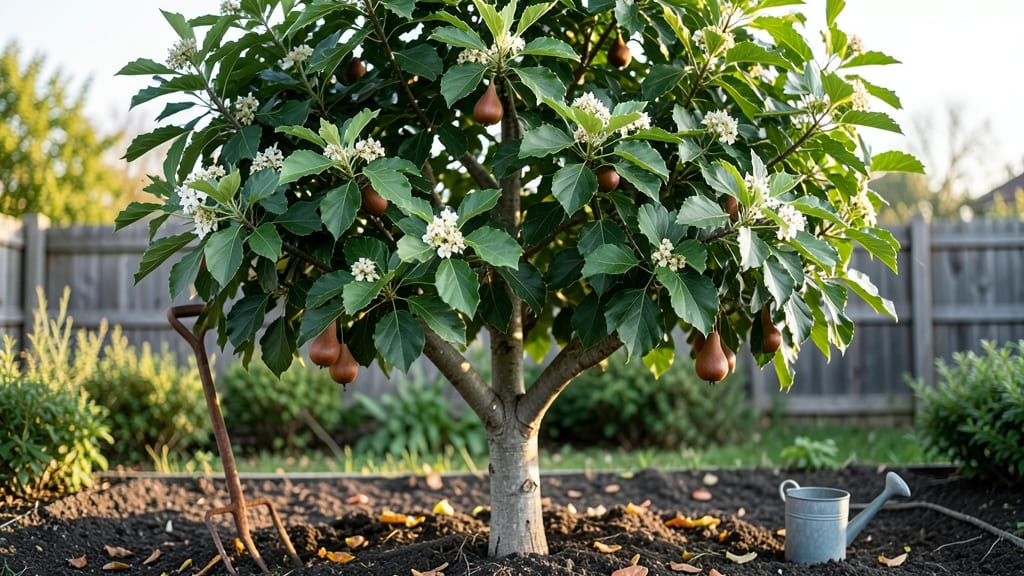
Ornamental pear trees in Ontario aren’t just survivors—they’re showstoppers that turn your yard into a springtime spectacle. 🌸 I’ve watched mine burst into bloom every April, even after brutal winters, and the secret lies in choosing the right cold-hardy varieties like ‘Aristocrat’ or ‘Chanticleer,’ which handle Ontario’s zone 4-6 climate like champs.
These trees thrive with full sun and well-draining soil, but they’re forgiving—even my heavy clay soil works as long as I add compost. Planting in early fall or late winter gives roots time to establish before Ontario’s harsh winters, and mulching helps protect them from freeze-thaw cycles.
The blooms? Stunning white clusters that last weeks, followed by decorative fruit that stays on the tree all winter.
Pruning is simple: remove dead branches in late winter and shape lightly after flowering. Ontario’s windy spring can stress young trees, so staking helps until they’re established.
With minimal effort, you’ll have a tree that’s both beautiful and tough enough to handle whatever Ontario throws at it—frost, wind, or all those late-spring frosts.
Bonus: These trees attract pollinators early in the season and provide year-round interest. Once planted, they’re low-maintenance, drought-tolerant once established, and the best part? They outperform many other spring bloomers in Ontario’s unpredictable climate. Let’s get yours growing!
📚 In This Guide
- What you need
- Instructions
- Tips and common mistakes
- Wrapping up and next steps
What you need
- ● Ornamental pear tree sapling: Choose a cold-hardy variety like ‘Kelsey’ or ‘Aristocrat’ (available at local nurseries or online).
- ● Shovel or digging spade: 1 medium-sized (24–30 inches long) for planting.
- ● Garden fork: 1 for loosening soil.
- ● Compost or well-aged manure: 5–10 gallons to enrich planting soil.
- ● Mulch (wood chips or pine straw): 2–3 inches to retain moisture and suppress weeds.
- ● Watering can or hose with nozzle: For deep, consistent watering.
- ● Pruning shears: Bypass type (8–10 inches) for shaping and maintenance.
- ○ Tree stakes (optional but recommended): 2–3 stakes (8–10 feet tall) + 3–4 feet of twine for support.
- ● Soil test kit: To check pH (ideal: 6.0–7.0).
- ● Fertilizer (balanced 10-10-10 or slow-release): 1–2 pounds for initial planting.
- ● Tree guard or protective wrap: For young trees in windy areas.
- ● Post-hole digger: If planting in clay-heavy Ontario soil.
- ● Garden gloves: To keep hands clean and comfortable.
Step-by-step guide to planting and caring for ornamental pear trees in Ontario
Here's how to establish these showstopping trees for long-lasting color and resilience.
🌱 Step 1: Choose the Right Variety for Ontario's Climate
Select cold-hardy ornamental pear cultivars rated for USDA Zones 3-5, like 'Aristocrat', 'Bradford', or 'Cleveland Select'. These varieties handle Ontario's winters (-25°F to -30°F) without bud damage. I always verify the specific variety's cold tolerance range—some newer hybrids claim expanded hardiness but may still suffer dieback in extreme winters.
Check the tree's mature size too. Smaller varieties like 'Cleveland Select' (30-40 feet) suit suburban yards, while 'Bradford' (40-50 feet) needs space for its dramatic branching. Nursery tags often list both mature height and spread—don't skip this step. Planting too close to structures or power lines will require years of pruning you might avoid entirely.
🪴 Step 2: Plant in Late Fall or Early Spring for Best Establishment
Plant your bare-root tree between October and November (fall) or April and May (spring) when soil temperatures stabilize above 45°F. This timing lets roots establish before summer heat or winter freeze. I dig the planting hole twice as wide as the root ball but only as deep—ornamental pears hate having their graft union buried.
Amend the native soil with 2-3 inches of compost mixed into the bottom of the hole. Ontario's clay-heavy soils benefit from this organic matter to improve drainage. Position the tree so its strongest branch faces the direction you want the tree to lean slightly (usually away from the house). The graft union should sit 2-3 inches above final soil level—this prevents rot when snow piles against the trunk.
☀️ Step 3: Provide Full Sun and Proper Watering for First Two Years
Ornamental pears thrive in full sun (6+ hours daily). In Ontario's climate, they'll still produce blooms with 4-5 hours of sun, but expect fewer flowers and smaller fruit sprays. I always plant mine on the south or west side of the yard where morning sun warms the branches and prevents frost damage to buds.
Water deeply once a week during the first growing season, aiming for 1-1.5 inches of water per week. Use a rain gauge or tuna can to measure—Ontario's unpredictable rainfall makes this critical. The first two years are when roots establish; after that, trees become drought-tolerant. Watch for wilting leaves in summer heat—this is your signal to water immediately.
✂️ Step 4: Prune for Structure in Late Winter and Clean Up After Blooming
Prune dormant trees in late February or early March before buds swell. Remove dead, crossing, or weak branches first to open the canopy. I always cut back to the bud or branch collar—never leave stubs. This prevents disease entry points and encourages stronger regrowth. Limit first-year pruning to just shaping the natural form; avoid heavy cuts that stress young trees.
After blooming season, remove spent flower clusters and any seed pods that form. This redirects the tree's energy into next year's blooms rather than seed production. I also check for suckers (shoots growing from the base) and remove them immediately—they divert nutrients from the main tree. Use sterilized pruners to prevent spreading fire blight, a common Ontario problem.
Tips & tricks for perfect ornamental pear tree establishment in Ontario
These practical insights will help you avoid common pitfalls and maximize your ornamental pear's potential in Ontario's challenging climate.
Variety Verification: When selecting your tree, don't just rely on the label's cold hardiness rating. Call your local nursery or extension office to confirm how well specific cultivars like 'Bradford' or 'Cleveland Select' performed in your region during the last two winters. I once planted a tree labeled "Zone 3" that still lost 30% of its buds during our -28°F winter—something the label didn't mention. The graft union's position on the trunk can also indicate cold hardiness: look for varieties where the graft is closer to the base for better winter survival.
Planting Timing Secret: The October-November window isn't just about avoiding summer heat—it's also about taking advantage of Ontario's natural rainfall patterns. Planting in late fall means your tree's roots will establish during the winter's snowmelt, which provides consistent moisture without requiring supplemental watering. If you must plant in spring, do it as soon as soil temperatures reliably stay above 45°F—typically by mid-April in most of Ontario. I've seen trees planted too early in cold, wet spring soil develop root rot within weeks.
Soil Preparation Strategy: For Ontario's heavy clay soils, the 2-3 inches of compost recommendation is just the starting point. Mix in 10-15% coarse sand or perlite to improve drainage, especially if your yard has poor natural drainage. I've had success adding a handful of mycorrhizal fungi granules to the planting hole—they help establish beneficial root relationships that make young trees more resilient. Spread a 2-inch layer of wood chips around the base (but keep it 6 inches away from the trunk) to retain moisture and regulate soil temperature.
Pruning Precision: When pruning in late February or early March, look for branches that form a "U" shape at the branch collar—they're stronger and less likely to break in storms. If you must remove larger branches, make the cut just outside the branch collar but don't leave a stub. I've seen too many trees develop cankers from improper pruning cuts. For the first two years, focus on removing only the absolute weakest branches—young ornamental pears establish better with their natural form intact. Sterilize your pruners between cuts by wiping with rubbing alcohol to prevent spreading fire blight bacteria.
Pro Tips for Ornamental Pear Tree Ontario
- These practical insights will help you avoid common pitfalls and maximize your ornamental pear's potential in Ontario's challenging climate.
- Variety Verification: When selecting your tree, don't just rely on the label's cold hardiness rating.
- Planting Timing Secret: The October-November window isn't just about avoiding summer heat—it's also about taking advantage of Ontario's natural rainfall patterns.
Frequently asked questions
about growing ornamental pear trees in Ontario—because even the best blooms come with a few common curiosities!What’s the best time to plant an ornamental pear tree in Ontario?
Plant in early spring (April–May) or fall (September–October) when soil is workable but not frozen. Avoid extreme heat or drought—root establishment is key! Pro tip: Water deeply after planting and mulch to retain moisture.
Are ornamental pear trees truly cold-hardy in Ontario?
Yes! Most varieties (like ‘Bradford’ or ‘Chanticleer’) thrive in Zones 4–8, handling Ontario winters with ease. Just ensure they’re planted in well-draining soil to avoid root rot. Bonus: Their late-season blooms add winter interest!
How and when should I prune my ornamental pear tree?
Prune in late winter or early spring (before buds swell) to shape the tree and remove dead wood. Avoid heavy pruning in fall—it can stimulate new growth that won’t harden before frost. Key: Sterilize tools between cuts to prevent disease.
Why are my ornamental pear leaves turning yellow or spotted?
Yellowing leaves often signal fire blight (a bacterial infection) or powdery mildew. Improve airflow, prune infected branches 6 inches below the damage, and apply copper fungicide if needed. Prevent: Clean up fallen debris to reduce spores.
Can I grow an ornamental pear tree in a pot or small yard?
While possible, they need 15–25 feet of space to mature. For small yards, choose dwarf varieties like ‘Cleveland Select’ or opt for columnar forms. Use a large container (20+ gallons) with drainage holes, but expect slower growth. Note: Potted trees may need winter protection.
Wrapping up and next steps
Adding an ornamental pear tree to your Ontario landscape is a fantastic way to enjoy stunning spring blooms and resilient growth year after year! 🌸 With the right variety—like the cold-hardy Bradford or Chanticleer—you’re set for reliable, low-maintenance beauty that thrives in Canada’s climate.
Now that you’re equipped with pruning tips and care essentials, take the next step: visit a local nursery to pick out your tree, or sketch a planting spot in your yard where it can shine!