
Blooming
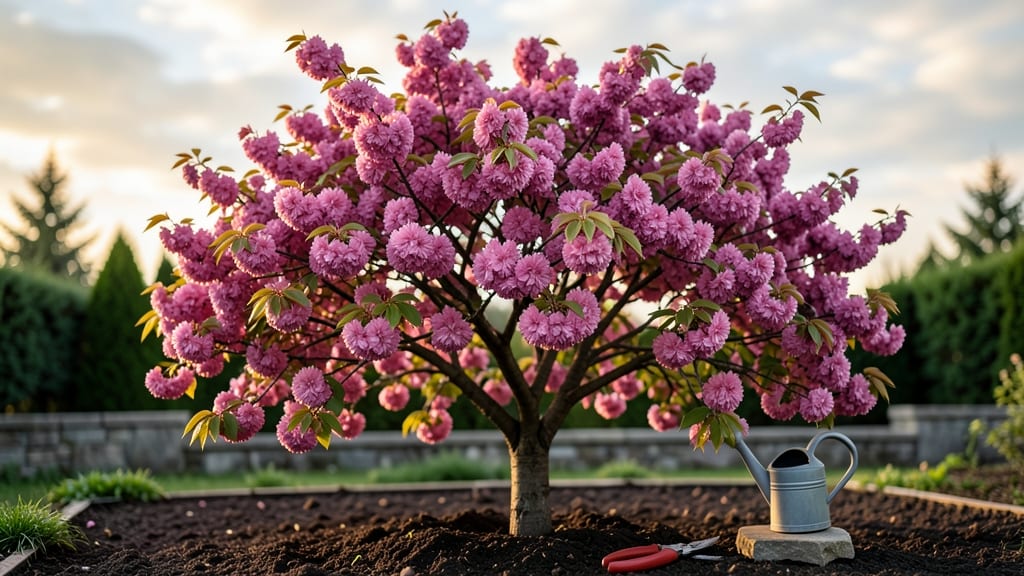
The Pink Cloud cherry blossom tree turns spring into a dreamy pink haze—its cascading blossoms create a cloud-like effect that’s impossible to ignore. 🌸 I planted mine last year, and now my yard feels like a Japanese garden every April, with zero effort.
The secret lies in its natural habit: it grows wide and low, spilling petals like confetti, while its dark green leaves provide rich contrast all season.
This isn’t just a spring spectacle—it’s a year-round performer. After the blooms fade, its foliage deepens into bronze-red hues in fall, and even the winter branches hold subtle interest.
The tree thrives in full sun to partial shade, making it perfect for lawn edges, foundation plantings, or as a standalone statement piece. Plus, it’s disease-resistant and drought-tolerant once established, so maintenance stays light.
Pair it with dwarf conifers for texture, bleeding hearts for spring companions, or azaleas for layered color. Underneath, hostas or ferns thrive in its dappled shade.
The result? A garden that looks carefully curated but feels effortlessly alive. Here’s how to make it the star of your landscape without the fuss.
Whether you’re filling a large yard or a small patio container (yes, it works in both!), this tree delivers four seasons of beauty with almost no upkeep. The key is placement—give it room to spread its pink magic, and watch your neighbors take notes. Ready to transform your space?
📚 In This Guide
- What you need
- Instructions
- Tips and common mistakes
- Wrapping up and next steps
What you need
- ● Pink Cloud cherry blossom tree: 1 container-grown tree (3–5 gallons, 4–6 ft tall) or
- ● 1 bare-root sapling (dormant season only)
- ● Planting site: Full sun (6+ hours/day) or partial shade (4–6 hours)
- ● Well-draining soil (amend with compost if needed)
- ● Space: 15–20 ft wide × 15–20 ft tall (mature size)
- ● Tools: 1 shovel or trowel
- ● 1 garden fork (for soil aeration)
- ● 1 watering can or hose (with gentle spray nozzle)
- ● 1 pruning shears (sterilized)
- ● Mulch (2–3 inches of shredded bark or pine needles)
- ● Slow-release fertilizer (balanced 10-10-10 or citrus-specific)
- ● Tree stake & ties (if planting in windy areas)
- ● Soil pH test kit (ideal range: 5.5–6.5)
- ● Drip irrigation system (for low-maintenance watering)
Step-by-step guide for planting and maintaining a Pink Cloud cherry blossom tree
This stunning tree thrives with simple care—here’s how to plant and nurture it for lasting beauty.
🌱 Step 1: Choose the Perfect Planting Spot
Select a location with full sun exposure—at least 6 hours of direct sunlight daily. The Pink Cloud cherry blossom loves well-draining soil, so avoid low-lying areas where water pools. If your yard has heavy clay soil, amend it with 2-3 inches of compost before planting to improve aeration and drainage.
Dig a hole twice as wide as the tree’s root ball but no deeper. This gives roots room to spread naturally without crowding. Gently loosen the roots if they’re circling tightly in the container—this encourages outward growth instead of strangling the tree.
🪴 Step 2: Plant with Care and Water Deeply
Place the tree in the hole so the top of the root ball sits 1-2 inches above ground level. This prevents water from pooling around the trunk, which can cause rot. Backfill with native soil, pressing lightly to remove air pockets but avoiding compaction.
Water deeply right after planting—about 1-2 gallons—to settle the soil and encourage roots to extend outward. Mulch the base with 2-3 inches of organic mulch, keeping it 3-4 inches away from the trunk to prevent moisture buildup. This helps retain soil moisture and regulates temperature around the roots.
☀️ Step 3: Provide Seasonal Care for Year-Round Color
During the first growing season, water once a week if rainfall is less than 1 inch. After the tree establishes (usually 1-2 years), it becomes drought-tolerant but still benefits from deep watering every 2-3 weeks during dry spells. Avoid wetting the leaves to prevent fungal diseases.
In late winter or early spring, fertilize with a balanced, slow-release fertilizer (10-10-10 ratio) to support new growth. Prune lightly in late winter to shape the tree and remove any dead or crossing branches. Avoid heavy pruning—this tree thrives with minimal intervention and blooms best when left natural.
✂️ Step 4: Monitor and Protect for Long-Term Health
Watch for pests like aphids or spider mites, which occasionally target cherry blossoms. If you spot them, treat with neem oil or a horticultural oil spray—this keeps the tree healthy without harsh chemicals. The Pink Cloud variety is generally disease-resistant, but proper spacing (at least 15-20 feet apart) prevents overcrowding and air circulation issues.
In fall, remove any fallen leaves or debris around the base to reduce disease risk over winter. The tree’s pink flowers appear in early spring, followed by small, edible cherries (though they’re not the focus). Enjoy the year-round interest—spring blooms, summer foliage, and even fall color make this tree a standout.
Tips & tricks for perfect Pink Cloud cherry blossom tree growth
Between us, the Pink Cloud cherry blossom’s beauty starts with these foundational moves that most gardeners overlook.
Sunlight Strategy: Those 6 hours of daily sun are non-negotiable, but here’s the thing—partial shade in the afternoon can actually help prevent leaf scorch in hot climates. If your tree gets intense afternoon sun, consider planting it where it receives morning sun and afternoon shade from nearby structures. The key is maintaining that full sun exposure while protecting delicate leaves during peak heat.
Root Ball Preparation: When you dig that hole twice as wide as the root ball, don’t just drop the tree in and call it a day. Gently tease out any circling roots with your fingers—this simple step prevents girdling as the tree matures. I’ve seen gardeners skip this and end up with trees that struggle to grow because their roots were bound in a death grip.
Watering Wisdom: The 1-2 gallons of water after planting might seem like a lot, but trust me on this—it’s critical for root establishment. After planting, create a shallow basin around the base to direct water straight to the roots. This prevents runoff and ensures every drop goes where it’s needed. In the first growing season, that weekly watering rule applies, but always check the top inch of soil first—if it’s dry, water.
Mulching Mastery: That 2-3 inches of organic mulch isn’t just for looks—it’s a game-changer for moisture retention and temperature regulation. The trick is keeping it 3-4 inches away from the trunk to prevent rot. I recommend using shredded bark or wood chips, which break down slowly and improve soil structure over time. Refresh the mulch annually to maintain its effectiveness.
Pro Tips for Pink Cloud Cherry Blossom Tree
- Between us, the Pink Cloud cherry blossom’s beauty starts with these foundational moves that most gardeners overlook.
- Sunlight Strategy: Those 6 hours of daily sun are non-negotiable, but here’s the thing—partial shade in the afternoon...
- Root Ball Preparation: When you dig that hole twice as wide as the root ball, don’t just drop the tree in and call it...
Frequently asked questions
What’s the best time to plant a Pink Cloud cherry blossom tree?
The ideal window is early spring or fall when temperatures are mild (40–60°F). This gives roots time to establish before extreme heat or cold. Avoid planting in summer—drought stress can stunt growth. Pro tip: Water deeply for the first 2 weeks to help roots settle!
How big does the Pink Cloud tree grow, and does it need pruning?
This tree typically reaches 15–20 feet tall and wide at maturity. Prune in late winter or early spring to shape it or remove dead branches. Focus on open-centered growth to encourage airflow and blooms. Skip heavy pruning—it blooms on old wood, so avoid cutting back too aggressively!
Is the Pink Cloud tree cold-hardy, and how do I protect it in winter?
Yes! It thrives in USDA Zones 4–8. For harsh winters (below 0°F), mulch the base with 3–4 inches of wood chips and water before the ground freezes. Young trees benefit from burlap wraps to shield from windburn. No extra fuss—just a little prep!
Can I grow a Pink Cloud in a container, or is it better in the ground?
While possible in large containers (20+ gallons), it’s not ideal long-term. Roots outgrow pots quickly, limiting blooms. For containers, use well-draining soil and repot every 2–3 years. Ground planting ensures healthier growth and bigger flowers.
Why aren’t my Pink Cloud blossoms as vibrant as expected?
Faded blooms often mean too much shade, over-fertilizing (especially nitrogen), or poor drainage. Ensure it gets 6+ hours of sun and prune to improve airflow. For extra punch, feed with a bloom-boosting fertilizer in early spring. Pro tip: Deadhead spent blooms to encourage repeat flowering!
Are Pink Cloud trees prone to pests or diseases?
Generally resilient, but watch for aphids, spider mites, or powdery mildew in humid climates. Treat pests with neem oil and improve airflow. Prevention tip: Space trees 10+ feet apart to reduce fungal risks. Most issues stem from overwatering—let soil dry slightly between waterings!
Wrapping up and next steps
The Pink Cloud™ cherry blossom tree is a dream come true for gardeners who crave beauty with ease—its stunning pink blooms, lush foliage, and minimal care requirements make it a standout star.
Whether you’re a seasoned plant parent or a beginner, this tree brings year-round charm without the fuss, proving that stunning landscapes don’t have to be complicated. 🌸
Ready to transform your space? Start by choosing your perfect spot—sunny, sheltered, and full of potential—and watch your Pink Cloud™ thrive with confidence. Happy planting!