
Pruning
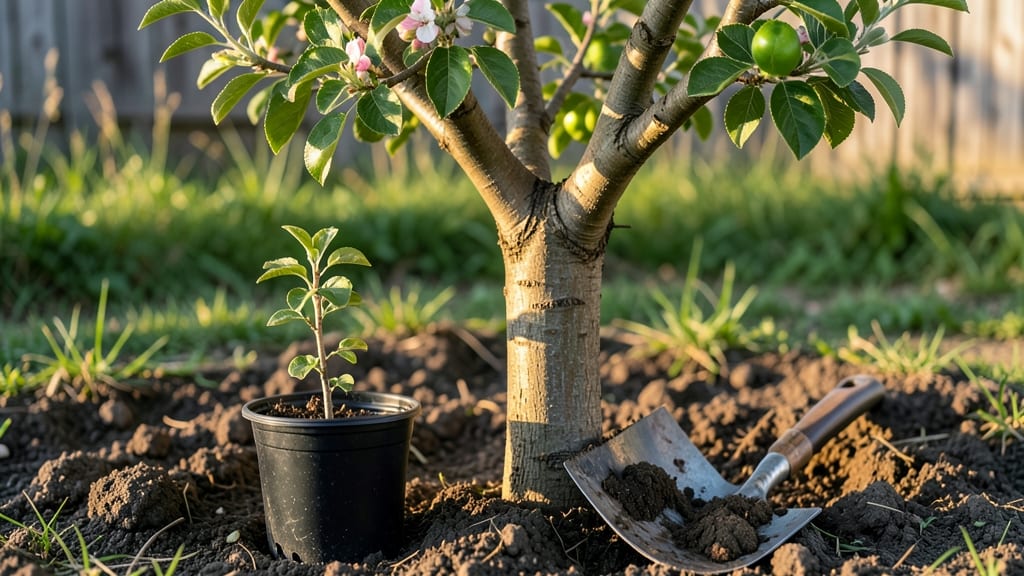
Planting apple trees in the right zones means the difference between a thriving orchard and a sad, frost-burned sapling. 🌳 The USDA hardiness zones map isn’t just a suggestion—it’s your first clue about which cold-hardy varieties will survive winter in your area.
My first apple tree died because I ignored this rule, but now I know exactly which varieties thrive where I live in Zone 5.
Cold-hardy varieties like 'Honeycrisp' (Zones 4-8) or 'McIntosh' (Zones 3-7) are built to handle winter’s worst, but even they need the right microclimate—protected from harsh winds and late frosts. The soil matters too: well-draining, slightly acidic loam helps roots establish faster, and mulching in fall keeps roots from freezing.
I’ve seen trees in Zone 3 flourish with the right care, while others in Zone 7 struggle without winter chill hours.
You’ll end up with a tree that not only survives but produces juicy, flavorful apples year after year. The key is matching the variety to your zone, then giving it the right spot—sunny, sheltered, and with room to grow.
Once established, these trees become the backbone of your orchard, feeding you for decades. Let’s pick the perfect one for your yard.
Whether you’re in the deep South or up North, the right variety and a little extra protection (like wrapping the trunk in burlap) can make all the difference.
Frost pockets? Plant on a south-facing slope. Heavy snow? Stake young trees to prevent breakage. These small tweaks turn a risky gamble into a guaranteed harvest.
📚 In This Guide
- What you need
- Instructions
- Tips and common mistakes
- Wrapping up and next steps
What you need
- ● Apple tree sapling: Choose a cold-hardy variety suited to your USDA planting zone (e.g., Honeycrisp, McIntosh, or Granny Smith). Opt for a 2-3 year old bare-root or potted tree for best root establishment.
- ● Shovel or trowel: A round-point shovel (for digging) and a hand trowel (for precision).
- ● Grafting tape or tree wrap: 1-2 rolls (3-inch width) to protect the trunk from sunburn and pests.
- ● Organic compost or well-aged manure: 5-10 gallons to enrich the planting hole.
- ● Mulch (wood chips or straw):strong> 3-4 cubic feet to retain moisture and regulate soil temperature.
- ○ Stakes and ties (optional but recommended): 2-3 stakes (4-6 ft long) and soft tree ties to support young trees.
- ● Watering can or hose with a gentle spray nozzle: For deep watering after planting.
- ● Soil test kit: To check pH (ideal: 6.0-7.0) and nutrient levels before planting.
- ● Root stimulator: A mycorrhizal fungi powder or seaweed extract to boost root growth.
- ● Tree guard or cage: To protect against deer or rabbits in the first year.
- ● Pruning shears: Bypass pruners (for shaping the tree post-planting).
How to choose the right apple tree varieties for your planting Zone
Here's the straightforward way to pick cold-hardy apples that'll thrive in your climate.
🌱 Step 1: Determine Your USDA Planting Zone
Start by checking your USDA Planting Zone—this tells you which apple varieties will survive your winters. Most garden centers list this on seedling tags, or you can find it by entering your ZIP code online. Zones range from 3 (coldest) to 10 (warmest), with each zone supporting different apple types.
I always double-check my zone because some nurseries mislabel. For example, a Zone 5 garden can handle 'Honeycrisp' but struggles with 'Gala' in harsh winters. If you're in Zone 6 or colder, focus on varieties like 'McIntosh' or 'Cortland'—they're bred to withstand -20°F to -10°F winters.
☀️ Step 2: Match Varieties to Your Zone and Pollination Needs
Apple trees need cross-pollination to produce fruit, so plant at least two compatible varieties. Check the tree's label for its chill hour requirement—most cold-hardy apples need 400-1,000 hours below 45°F annually. If you're in Zone 4 or colder, choose varieties like 'Liberty' or 'Enterprise' that thrive with fewer than 500 chill hours.
Here's the thing—some nurseries sell "self-pollinating" apples, but they often need a second tree nearby for better yields. I always plant a primary variety (like 'Jonathan') and a secondary pollinator (like 'Winesap') to ensure fruit set. Check your zone's recommended pairings to avoid disappointment.
🪴 Step 3: Plant in the Right Season for Zone Success
Timing matters—plant bare-root trees in early spring (March-April) or fall (October-November), when the ground isn't frozen. If you're in Zones 3-5, fall planting gives roots time to establish before winter. In Zones 6-8, early spring planting avoids summer drought stress.
Dig a hole twice as wide as the root ball but no deeper. Amend the native soil with compost or organic matter to improve drainage, especially in heavy clay zones. Water deeply after planting to remove air pockets and settle the soil. You'll know it's right when the soil surface looks slightly firm but not packed.
⏰ Step 4: Protect Young Trees in Harsh Zones
In Zones 3-4, young apple trees need winter protection. Wrap the trunk with tree guard or burlap to prevent rodent damage. Mound 6-12 inches of mulch around the base (but not touching the trunk) to insulate roots. In extreme winters (below -20°F), add a lightweight straw wrap around the tree and secure it with twine.
Don't skip this—last winter, a neighbor's unprotected tree lost its bark to voles, and it took two years to recover. Even in Zone 5, a late frost can damage blossoms, so I always monitor the forecast and cover trees with frost cloth if frost is predicted during bloom.
Tips & tricks for perfect apple tree planting
Confession: I skipped proper zone research for years and ended up with trees that barely survived. Here's what I learned the hard way about making your orchard thrive.
Zone-Specific Variety Selection: Beyond just knowing your zone, pay attention to the microclimate in your yard. A south-facing slope might be 2-3°F warmer than the rest of your property, allowing you to plant varieties that wouldn't normally survive. For example, 'Jonagold' thrives in Zone 5 but can handle Zone 4 winters in sheltered spots. Always ask your nursery about local success stories with specific varieties.
Chill Hour Reality Check: The 400-1,000 chill hours below 45°F range is a starting point, but some modern varieties need fewer hours. 'Liberty' apples, for instance, only require 300-400 chill hours—perfect for warmer Zone 6-7 areas where traditional varieties might not set fruit. Check your local agricultural extension office for precise chill hour data for your exact location.
Planting Season Shortcuts: For Zones 3-5, fall planting (October-November) gives roots critical time to establish before winter. Here's my trick: Plant in early October when soil temps are still above 50°F—roots grow best in these conditions but the ground isn't frozen. In Zones 6-8, early spring (March-April) planting avoids summer drought stress, but don't wait past April 15th or you risk heat shock to young roots.
Winter Protection Hacks: The 6-12 inches of mulch recommendation is non-negotiable, but here's how to do it right: Use straw or wood chips (never fresh wood) and pull mulch back 3 inches from the trunk to prevent rot. For extreme winters (below -20°F), wrap the trunk with burlap soaked in water before adding the straw wrap—this creates an insulating ice layer that protects against temperature swings.
Pro Tips for Apple Tree Planting Zones
- Confession: I skipped proper zone research for years and ended up with trees that barely survived.
- Zone-Specific Variety Selection: Beyond just knowing your zone, pay attention to the microclimate in your yard.
- Chill Hour Reality Check: The 400-1,000 chill hours below 45°F range is a starting point, but some modern varieties need fewer hours.
Frequently asked questions
Got questions about planting apple trees in the right zones? You’re not alone! Here are answers to the most common concerns—so you can grow a thriving orchard with confidence.
What are the best apple tree planting zones for cold climates?
Cold-hardy apple varieties thrive in USDA Zones 3-7. Look for cultivars like 'Liberty' (Zone 4), 'Enterprise' (Zone 3), or 'Honeycrisp' (Zone 4-6). Check your USDA Zone Map to match your area—colder zones need extra winter protection like mulch or windbreaks.
When is the best time to plant an apple tree in my zone?
Plant in early spring (after last frost) or fall (6-8 weeks before first frost). Spring planting lets roots establish before summer heat, while fall gives trees time to root before winter. Avoid planting in extreme heat or freezing temps—both stress young trees.
Can I grow apple trees in containers if I’m in a warmer zone (Zone 8+)?
Yes! Dwarf varieties like 'Columnar' or 'Semi-Dwarf' work well in large containers (15+ gallons). Use well-draining soil, move pots to partial shade in summer, and ensure they get 6+ hours of sunlight daily. Just know container-grown trees may need more frequent watering and fertilizer.
Why is my apple tree struggling in Zone 5—leaves wilting, no fruit?
Common issues in Zone 5 include late frosts (damaging blossoms), fire blight (bacterial infection), or poor soil drainage. Try these fixes:
- Prune in late winter to open canopy for airflow.
- Apply copper fungicide to prevent fire blight.
- Test soil pH (ideal: 6.0-7.0) and amend with compost.
- Mulch heavily to insulate roots in winter.
How do I choose the right apple tree variety for cross-pollination?
Most apple trees need a second variety blooming at the same time for pollination. Pair your tree with a compatible cultivar (e.g., 'Gala + 'Honeycrisp'). Check labels for "self-pollinating" (rare) or "pollination group" notes. Plant pollinators within 50 feet for best results.
Wrapping up and next steps
Choosing the right apple tree planting zones and cold-hardy varieties is the first step toward a bountiful harvest! By matching your climate with resilient varieties like Liberty or Enterprise, you’re setting your orchard up for success—even in chilly winters. 🌳❄️
Now that you’re armed with knowledge, it’s time to take action! Start by checking your USDA zone and selecting trees that thrive in your area. Then, grab your gloves and get planting—your future apple harvests will thank you! 🍏💚