Trees
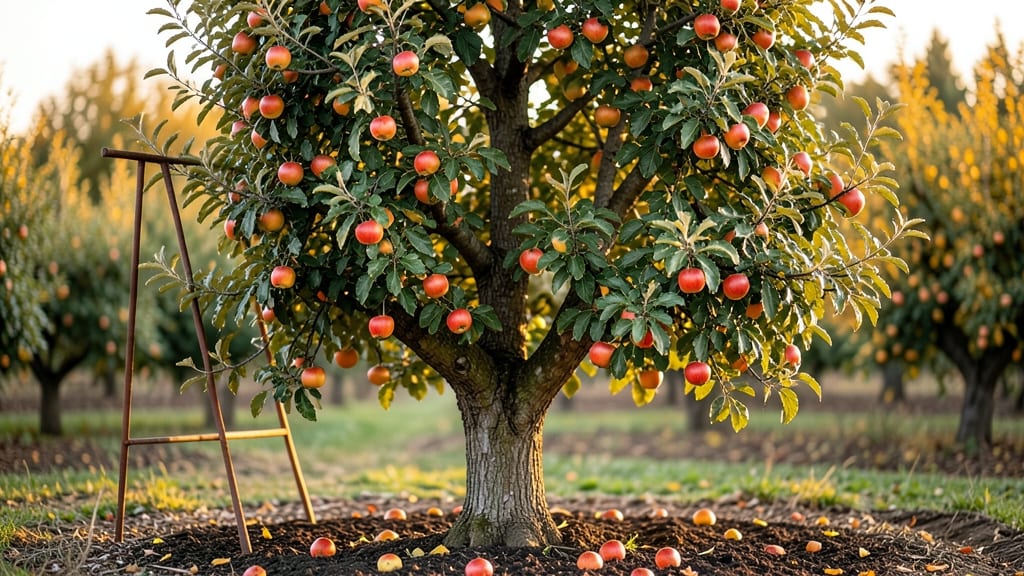
Growing fruit trees in Zone 7a means you can finally enjoy homegrown apples, peaches, and persimmons without worrying about winter dieback. I’ve planted over a dozen varieties here, and the key is choosing cold-hardy types that thrive through our 10-15°F winters and hot, humid summers.
The right tree won’t just survive—it’ll produce heavy, consistent harvests year after year.
Start with varieties like Liberty apples (disease-resistant), Reliance peaches (late-blooming to avoid frost), or Fuyu persimmons (tolerates heat and cold). Plant in full sun with well-draining soil, and space them 15-25 feet apart for proper airflow.
The first year is all about establishing roots—water deeply once a week unless it rains, and mulch heavily to protect roots from temperature swings.
You’ll see first fruit in 2-3 years, but proper pruning in late winter keeps trees healthy and productive. Thin fruit in summer to avoid overburdening branches, and watch for peach leaf curl—spray with copper fungicide before buds swell.
With these steps, your trees will reward you with juicy, homegrown fruit for decades.
Bonus: Zone 7a’s mild winters even allow figs and pomegranates in sheltered spots. Just avoid early spring pruning—wait until after last frost to prevent cold damage. Your orchard will become the envy of the neighborhood!
📚 In This Guide
- What you need
- Instructions
- Tips and common mistakes
- Wrapping up and next steps
What you need
- ● Fruit Tree Saplings: Cold-hardy varieties for Zone 7A (e.g., Apple: ‘Liberty’ or ‘Akane’; Peach: ‘Reliance’; Pear: ‘Moonglow’; Plum: ‘Stanley’). Quantity: 1–3 trees (consider pollination needs).
- ● Certification: Disease-resistant, grafted, and bare-root or container-grown (1–2 years old).
- ● Soil Amendments: Compost or well-rotted manure (5–10 gallons per tree).
- ● Balanced fertilizer (10-10-10 or 5-10-10, 1–2 lbs per tree).
- ○ Lime (optional but helpful if soil pH is <6.0; test first!).
- ● Planting Supplies: Shovel or digging spade (with 18–24-inch blade).
- ● Garden hose or watering can (5+ gallons capacity).
- ● Mulch (wood chips or straw, 2–3 inches deep, keep 6 inches from trunk).
- ● Safety Gear: Gloves (heavy-duty for digging).
- ● Knee pads (if planting multiple trees).
- ● Soil Test Kit: To check pH and nutrient levels ($10–$20).
- ● Tree Guards: Plastic or wire cages (4–6 feet tall) to protect young trees from critters.
- ● Drip Irrigation System: For consistent watering (1–2 emitters per tree).
- ● Pruning Tools: Bypass pruners (sharp, clean).
- ● Loppers (for thicker branches).
- ● Post-Hole Digger: If staking trees (1–2 stakes per tree).
- ● Pest Control: Neem oil or horticultural oil (for organic pest prevention).
- ● Row covers (if early frost is a concern).
How to select and plant cold-hardy fruit trees for Zone 7A
Here’s how to choose the right varieties and establish them for long-term success.
Choose the Right Fruit Tree Varieties for Zone 7A
Zone 7A’s 10-15°F winter lows eliminate many tender varieties, but several hardy options thrive here. Focus on apple, pear, peach, and plum cultivars bred for cold tolerance. For example, ‘Liberty’ apple and ‘Montgomery’ peach are proven performers that resist late frosts and disease pressure common in this zone.
Check the USDA chilling hour requirements—most Zone 7A trees need 400-1,000 hours below 45°F. If your area falls on the warmer edge, opt for low-chill varieties like ‘Redhaven’ peach or ‘Elberta’ peach. Avoid subtropical fruits like citrus or figs unless you’re in a microclimate with winter protection.
Dwarf and semi-dwarf varieties (like ‘Columnar’ apples or ‘Patio’ peaches) work well in small spaces. Standard trees need 16-25 feet of space, while dwarf trees fit neatly in 6-10 feet. I always plant at least two compatible pollinators—cross-pollination is non-negotiable for fruit set.
Plant at the Correct Time and Depth
Plant bare-root trees in late winter or early spring, before bud break but after the ground thaws. Container-grown trees can go in fall or spring, but avoid summer planting—the heat stresses roots. Dig a hole twice as wide as the root ball but only as deep as the container’s root flare (the bulge at the base of the trunk).
Loosen the soil at the bottom of the hole with a shovel—compacted layers restrict root growth. Mix the native soil with 2-3 inches of compost to improve drainage and fertility. This prevents root rot while giving young trees a nutrient boost. Avoid amended soil higher than the surrounding grade—it causes girdling roots over time.
Place the tree so the root flare sits 1-2 inches above ground level. Backfill with the soil mix, tamping gently to eliminate air pockets. Water deeply until the soil settles—you’ll see the hole collapse slightly. Mulch with 3-4 inches of organic mulch (like wood chips) in a 3-foot radius, keeping it 6 inches away from the trunk to prevent rot.
Establish Proper Watering and Staking
Water deeply twice weekly for the first two growing seasons, aiming for 1-1.5 inches per week. Young trees need consistent moisture to develop strong roots—let the top 6 inches of soil dry between waterings. Overhead watering encourages fungal diseases, so use a soaker hose or drip irrigation at the drip line (the edge of the tree’s canopy).
Stake only if necessary—most dwarf trees don’t need support, but standard trees in windy areas benefit from two stakes placed opposite each other, tied loosely with rubber tree ties (not wire, which can girdle the trunk). Train the tree to the stake with 3-4 ties, adjusting as the trunk grows. Remove stakes after one year to encourage natural trunk strength.
Prune minimally during planting—just remove any broken branches or those crossing the trunk. Wait until late winter (just before bud break) for the first major pruning. This prevents stress and disease entry points. Focus on opening the center of the tree to improve airflow and sunlight penetration—critical for disease prevention in humid Zone 7A summers.
Protect from Late Frosts and Pests
Zone 7A’s late spring frosts (after buds swell) can devastate blossoms. Monitor forecasts and cover trees with frost cloth on nights when temps drop below 28°F. Remove covers by 10 AM to avoid overheating. For peach and cherry trees, wrap the trunk with tree wrap in winter to prevent sunscald (bark damage from winter sun exposure).
Pests like codling moths (apple) and peach tree borers are common. Apply horticultural oil in late winter to smother overwintering eggs. For organic control, use pheromone traps for codling moths and beneficial nematodes for borers. Avoid broad-spectrum sprays—they kill pollinators and beneficial insects.
Fertilize lightly in early spring with a balanced 10-10-10 formula. Over-fertilizing encourages weak, disease-prone growth. Test soil annually—Zone 7A’s clay soils often need lime to maintain a pH of 6.0-7.0. Spread 1-2 pounds of lime per 100 square feet if tests show acidity below 6.0.
Tips & tricks for perfect Zone 7A fruit tree planting
These hard-won insights will help you navigate the specific challenges of growing fruit trees in Zone 7A's unique climate.
Variety Selection: When choosing your cold-hardy varieties, prioritize disease-resistant cultivars like 'Liberty' apple or 'Montgomery' peach—these have proven resilience against the fungal pressures common in Zone 7A's humid summers. The 400-1,000 chilling hours requirement is non-negotiable; verify your local chilling hours through your cooperative extension service. For the warmer edge of Zone 7A, low-chill varieties like 'Redhaven' peach can be game-changers, but they still need proper winter protection.
Planting Depth: The root flare must sit 1-2 inches above ground level—this is critical for preventing girdling roots that strangle the tree over time. I've seen too many trees planted too deep, where the roots suffocate and the tree struggles. Use a shovel to create a small lip around the hole's edge to mark this exact planting depth before adding your tree. This simple visual cue prevents one of the most common planting mistakes.
Watering Strategy: The two growing seasons of deep watering (1-1.5 inches per week) is essential, but timing matters just as much. Water in the morning to allow foliage to dry completely before evening—this prevents fungal diseases that thrive in Zone 7A's humidity. Consider installing a soaker hose at planting to deliver water directly to the root zone without wetting the leaves. This targeted approach mimics natural rainfall patterns and reduces disease pressure.
Frost Protection: Zone 7A's late spring frosts (after buds swell) can be devastating, but frost cloth works wonders when used correctly. Cover trees when temperatures drop below 28°F and remove by 10 AM to prevent overheating. For peach and cherry trees, add tree wrap in winter to protect against sunscald—a common issue when winter sun heats exposed bark. I've found that combining both methods gives the best protection against our zone's unpredictable frost patterns.
Pro Tips for Zone 7a Fruit Trees
- These hard-won insights will help you navigate the specific challenges of growing fruit trees in Zone 7A's unique climate.
- The 400-1,000 chilling hours requirement is non-negotiable; verify your local chilling hours through your cooperative extension service.
- Planting Depth: The root flare must sit 1-2 inches above ground level—this is critical for preventing girdling roots that strangle the tree over time.
Frequently asked questions
Got questions about growing fruit trees in Zone 7A?
You’re not alone! Here are answers to the most common concerns to help you plan with confidence.
What are the best low-maintenance fruit trees for Zone 7A?
For minimal fuss, prioritize apple, peach, plum, and persimmon varieties like ‘Elberta’ peaches or ‘Arkansas Black’ plums. Dwarf varieties (e.g., ‘Columnar’ apples) are ideal for small spaces—they require less pruning and produce fruit faster. Pro tip: Choose self-pollinating types or plant two compatible trees for better yields!
When is the best time to plant fruit trees in Zone 7A?
Late winter to early spring (February–April) is perfect—soil is workable, and trees can establish roots before summer heat. Avoid planting in fall (unless bare-root) to prevent winter stress. Timing hack: Plant after the last frost but before buds swell for optimal success.
How do I protect my fruit trees from late frosts in Zone 7A?
Use frost cloths or row covers over blossoms during late frosts (below 28°F). For young trees, wrap trunks with tree guards to prevent sunscald. Quick fix: Set up a smoke generator or string lights to warm air pockets. Monitor forecasts via Almanac’s frost predictions for Zone 7A.
What pests should I watch for in Zone 7A fruit trees?
Common culprits include aphids, Japanese beetles, and borers. Inspect leaves regularly for holes or sticky residue (signs of sap-suckers). Preventative tip: Apply neem oil in early spring, and use row covers for young trees. Prune heavily infested branches immediately to stop spread.
Can I grow citrus trees in Zone 7A, or are they too risky?
While dwarf citrus (e.g., Calamondin or Improved Meyer lemon) can survive Zone 7A winters, they’re high-risk. Protect them with heavy mulch, winter wraps, and move containers indoors if temps drop below 15°F. Alternative: Opt for hardier fruits like figs or pawpaws for year-round success.
Bonus: Troubleshooting small harvests
| Issue | Likely Cause | Fix |
|---|---|---|
| No fruit | Missing pollinator or late frost killed blossoms | Hand-pollinate with a paintbrush or plant a second tree |
| Small fruit | Over-thinning or poor soil nutrients | Fertilize with citrus-specific or fruit-tree blend in early spring |
| Fruit drops early | Drought stress or pests | Water deeply 1–2x/week and check for codling moths |
Wrapping up and next steps
Growing fruit trees in Zone 7A is absolutely doable—and rewarding! 🌳🍎 With the right cold-hardy varieties, proper planting techniques, and a little patience, you’ll enjoy bountiful harvests for years to come.
Whether you’re a beginner or a seasoned gardener, starting with resilient trees like apple, peach, or fig sets you up for success.
Ready to take the next step? Pick your favorite variety, gather your supplies, and plant with confidence! Your future orchard awaits—happy gardening! 🌱