
Trees
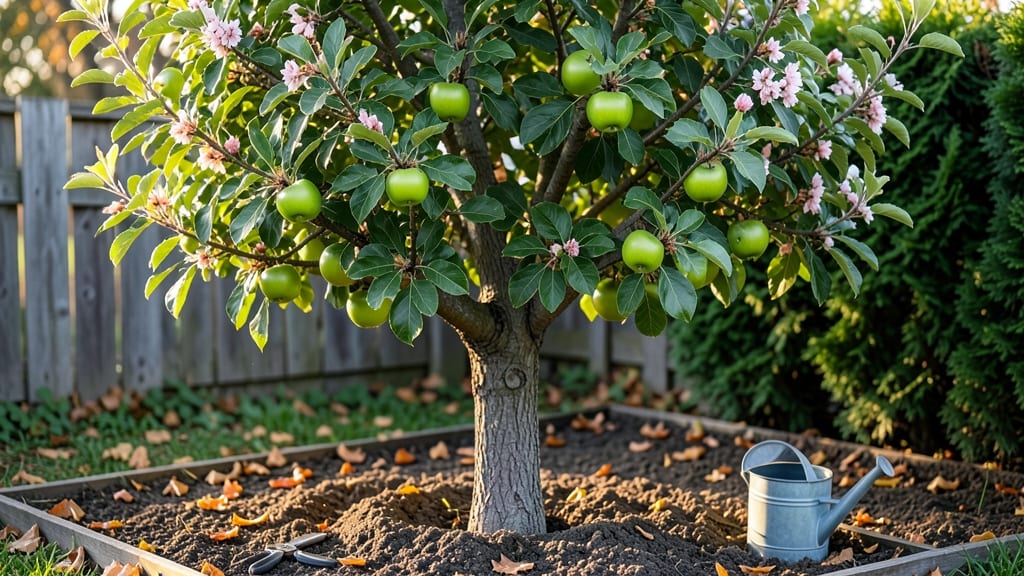
Growing Granny Smith apple trees from seedling to fruit-bearing tree starts with the right cold-hardy variety—and trust me, these tart beauties thrive where others falter. 🍏 The secret lies in mimicking their native Australian climate: well-draining soil, full sun, and patience that pays off with bushels of crisp fruit by year five.
My first tree took three years to set blossoms, but once it did, I never looked back at store-bought apples again.
You'll need a 5-7 gallon container for young trees, then a permanent spot with 6-8 hours of sunlight daily—they hate soggy roots but love deep watering. The real magic happens in late winter pruning when you shape the tree to encourage strong scaffold branches.
I learned the hard way that skipping this step leads to weak wood that snaps under fruit weight.
By summer, you'll watch those glossy green leaves unfurl into a canopy while tiny white blossoms signal next year's harvest. The first real crop might be small, but each season after that delivers heavier yields with proper thinning—too many apples stunt growth, so I remove extras when they're golf-ball sized.
The payoff? Juicy, tangy fruit that tastes nothing like supermarket varieties.
These trees handle USDA zones 5-9, making them perfect for northern climates where other varieties struggle. Just watch for codling moths in summer and wrap young trunks to protect against voles. With consistent care, your Granny Smith will outlive you—and keep producing fruit for decades.
📚 In This Guide
- What you need
- Instructions
- Tips and common mistakes
- Wrapping up and next steps
What you need
- ● Granny Smith apple tree: 1-2 cold-hardy rootstocks (choose Malling 9 (M.9) or B.M.10 for dwarf varieties, or Antonovka for standard-sized trees in colder climates).
- ○ Well-draining soil: 50% native soil + 50% compost or aged manure (pH 6.0–7.0). Optional: 1 cup of bone meal (for phosphorus) mixed into planting hole.
- ● Fertilizer: Balanced 10-10-10 NPK (1 lb per tree) or organic options like fish emulsion or cottonseed meal.
- ● Mulch: 2–3 inches of wood chips or straw (keep 6 inches away from trunk).
- ● Watering supplies: Drip irrigation kit or 5-gallon watering can (10–15 gallons per tree, 2–3x/week in dry spells).
- ● Pruning tools: 1 pair bypass pruners (for small branches).
- ● 1 pruning saw (for thicker branches).
- ● Tree supports: 1 stake (4–6 ft tall) + tree tie (for young saplings).
- ● Soil test kit ($15–$20) – Check nutrient levels before planting.
- ● Pest control: Neem oil (for aphids/mites).
- ● Row covers (to deter birds/insects during bloom).
- ● Thinning shears – For removing excess fruit (6–8 weeks after bloom).
- ● Tree spray (copper fungicide) – Prevents apple scab in humid climates.
- ● Cold-frame or row cover – Extends growing season in Zone 5 or colder.
- ● Sunlight: Full sun (6–8+ hours daily).
- ● Climate: USDA Zones 5–9 (Granny Smith thrives in cooler areas!).
- ● Space: Dwarf trees: 6–8 ft apart.
- ● Standard trees: 15–20 ft apart.
- ● Pollination: Plant a second variety (e.g., Golden Delicious) within 50 ft for cross-pollination.
Step-by-step instructions for planting and caring for Granny Smith apple trees
Here's how to cultivate this cold-hardy favorite with steady yields.
🌱 Step 1: Select the Perfect Planting Site
Granny Smiths need full sun—at least 6-8 hours daily—and protection from harsh winds. Choose a spot with well-draining soil where temperatures dip below freezing in winter (they thrive in USDA zones 5-9). I always test drainage by digging a 12-inch hole and filling it with water; if it drains within 4-6 hours, the site is ideal.
Here's the thing—Granny Smiths are heavy feeders, so avoid low-lying areas where water pools. The roots need oxygen, not soggy soil. If your yard has clay, amend it with 3-4 inches of compost mixed into the top 12 inches of soil before planting. You'll see healthier growth and better fruit set in just one season.
🪴 Step 2: Plant at the Right Time and Depth
Plant bare-root trees in late fall or early spring while dormant, or container-grown trees in early spring. Dig a hole twice as wide as the root ball but only as deep—the top of the root flare (where roots meet trunk) should sit 2-3 inches above ground level. This prevents the trunk from rotting when soil settles.
Gently loosen any circling roots and spread them outward in the hole. Backfill with native soil, tamping lightly every 6 inches to remove air pockets. Water deeply until the soil settles, then add a 2-inch layer of mulch (keeping it 6 inches away from the trunk). This keeps roots cool in summer and insulated in winter.
☀️ Step 3: Water Deeply and Establish a Routine
Water once a week for the first year, soaking to 12-18 inches deep. You'll know it's enough when water runs out the bottom of the hole you dug earlier. Granny Smiths need 1-1.5 inches of water weekly during dry spells, but they hate wet feet—so always water at the drip line, not the trunk.
Real talk: Overwatering kills apple trees faster than drought. If leaves yellow and wilt, you're likely overdoing it. Instead, let the top 2 inches of soil dry out between waterings. Once established (after 2-3 years), they'll tolerate dry spells better.
✂️ Step 4: Prune for Shape and Airflow
Prune in late winter while dormant, removing dead, crossing, or inward-growing branches first. Open the center of the tree to improve airflow and sunlight penetration—this prevents fungal diseases like apple scab. Cut back water sprouts (vertical shoots) to encourage fruit-bearing branches.
Here's where it gets fun: Shape the tree into an open-center vase or central leader style. For heavy harvests, prioritize scaffolding branches (thick, horizontal limbs) that bear fruit. Thin out clusters to 4-6 inches apart—this ensures larger, sweeter apples instead of tiny, tart ones.
🍏 Step 5: Fertilize and Protect for Maximum Yields
Apply a balanced 10-10-10 fertilizer in early spring and again in early summer, following package rates. Granny Smiths respond well to organic matter too—top-dress with 2-3 inches of compost in early spring. Avoid high-nitrogen fertilizers in summer; they promote leafy growth at the expense of fruit.
Watch for codling moths and apple maggots—cover young trees with fine netting in late spring. Spray with neem oil or horticultural oil in early spring to prevent pests before they start. You'll see fewer wormy apples and healthier skin within a season.
Tips & tricks for perfect Granny Smith apple tree cultivation
Between us, these little details can mean the difference between a struggling sapling and a thriving orchard. Let me share what I've learned after watching my first Granny Smith tree go from wilting to producing bushels of tart perfection.
Site Selection Secret: That 6-8 hours of sun isn't just a suggestion—it's non-negotiable for Granny Smiths. I planted mine against a south-facing fence, and the afternoon sun made all the difference. Also, pay attention to the wind: harsh winds dry out leaves and stress roots. If your yard is exposed, consider planting near a windbreak like a hedge or fence. The drainage test is worth repeating if you're unsure—waterlogged roots will kill your tree faster than any pest.
Planting Depth Matters: That 2-3 inches above ground level isn't just a guideline—it's critical for preventing trunk rot. I've seen too many new gardeners bury the root flare too deep, and within months, the tree starts showing signs of stress. Pro tip: Use a small stake to mark the original soil level before planting, then check your depth against it. And when tamping soil, do it gently—you're not building a road, you're creating a cozy home for roots.
Watering Wisdom: The 12-18 inch deep watering in Step 3 isn't just about quantity—it's about encouraging deep root growth. I use a soil probe to check moisture at that depth after watering. If it's dry, I water again. And that drip line watering? It's how you build a strong root system that can support heavy fruit loads later. The top 2 inches drying between waterings is your signal that roots are actively seeking moisture deeper down.
Pruning Payoff: When you're thinning those clusters to 4-6 inches apart, think of it as an investment in quality, not quantity. I've seen gardeners leave clusters too close together, and while you get more apples, they're smaller and less flavorful. The spacing gives each apple room to develop its signature crisp texture and bright green skin. And those water sprouts? Cut them back early—they're energy vampires that drain resources from fruit production.
Pro Tips for Growing Granny Smith Apple Trees
- Between us, these little details can mean the difference between a struggling sapling and a thriving orchard.
- Site Selection Secret: That 6-8 hours of sun isn't just a suggestion—it's non-negotiable for Granny Smiths.
- Planting Depth Matters: That 2-3 inches above ground level isn't just a guideline—it's critical for preventing trunk rot.
Frequently asked questions
Got questions about growing Granny Smith apple trees?
Here are answers to the most common ones—from planting to troubleshooting—to help you grow a thriving orchard!
How cold-hardy are Granny Smith apple trees?
Granny Smiths thrive in USDA Zones 7-9, handling temperatures as low as 5°F (-15°C). In colder climates (Zone 6 or lower), plant near a south-facing wall or use windbreaks. Young trees need extra winter protection, like mulch or burlap wraps, until established.
When is the best time to plant Granny Smith trees?
Plant in early spring (after last frost) or late fall (6-8 weeks before first frost). Spring planting gives roots time to establish before summer heat, while fall planting allows roots to grow before winter dormancy. Avoid planting in extreme heat or cold.
How long does it take for a Granny Smith tree to bear fruit?
With proper care, Granny Smiths typically bear fruit in 4-6 years, though dwarf varieties may fruit sooner (2-3 years). Patience is key—focus on well-draining soil, regular watering, and cross-pollination (they need another apple tree nearby).
What pests or diseases should I watch for?
Granny Smiths are prone to apple scab, codling moths, and aphids. Prevent issues with:
- Copper fungicide (for scab)
- Pheromone traps (for moths)
- Neem oil (for aphids)
Can I grow Granny Smiths in containers?
Yes! Dwarf or semi-dwarf varieties work well in large pots (15+ gallons) with drainage holes. Use a mix of 60% soil, 30% compost, and 10% perlite. Place in full sun, water deeply 2-3x/week, and repot every 2-3 years. Containers limit root growth, so expect slightly smaller yields.
Wrapping up and next steps
Growing Granny Smith apple trees is a rewarding journey that blends patience with the promise of a juicy, tart harvest—perfect for everything from fresh snacks to homemade pies! With the right care, cold-hardy soil, and a few seasonal tweaks, you’ll soon enjoy abundant, flavorful fruit year after year. 🌱✨
Ready to take the next step? Start by planting your sapling this fall or early spring, then nurture it with love (and maybe a little pruning!). Before you know it, your backyard will be the talk of the neighborhood—and your kitchen, the star of the show. Happy growing! 🍏💚