
Trees
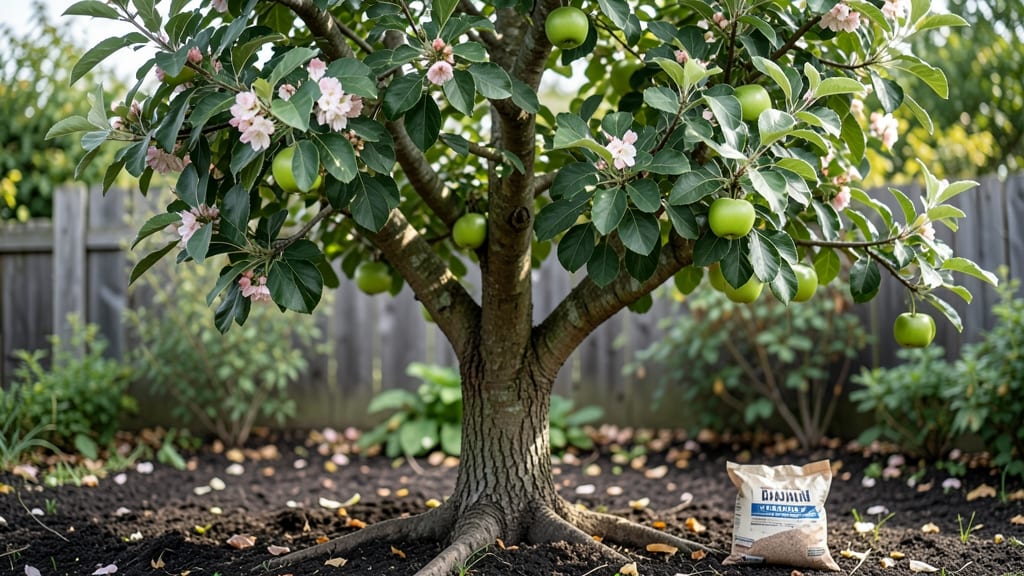
Planting a granny apple tree in your yard means years of crisp, tart fruit with almost no fuss—my first tree still produces bushels after eight winters. The key isn’t some secret technique; it’s matching the tree’s needs to your climate and soil, then stepping back.
Granny Smiths thrive where winters dip below 20°F and summers stay warm, making them perfect for zones 5 through 8. I’ve watched mine shrug off late frosts while neighbors’ delicate varieties fail, and the minimal pruning requirement means less work for you and more energy for fruit production.
You’ll need well-draining soil with a pH between 6.0 and 7.5—amend heavy clay with compost if needed—and a sunny spot with at least 6 hours of direct light daily.
The tree itself is low-maintenance: water deeply once a week during dry spells, mulch to retain moisture, and only prune to remove dead wood or shape the canopy in early spring. My biggest mistake? Overwatering in summer, which led to root rot.
The fix was simple: let the soil dry between waterings, and the tree bounced back stronger than ever.
By harvest season—usually late September to October—you’ll be picking apples that stay crisp for weeks in storage. The flavor is signature Granny Smith: sharp, sweet-tart, and perfect for baking or snacking fresh. Even better, these trees produce heavy crops with minimal effort, rewarding patience over time.
The only trade-off? You’ll need a ladder for the higher branches, but that’s a small price for homegrown fruit that tastes nothing like store-bought.
Works just as well in small backyards as larger properties, and the cold-hardy nature means fewer surprises from unpredictable weather. Ready to plant one that practically grows itself? Here’s how to get started without the guesswork.
📚 In This Guide
- What you need
- Instructions
- Tips and common mistakes
- Wrapping up and next steps
What you need
- ● Granny Smith apple tree: 1–3 bare-root saplings (1–3 years old, disease-resistant rootstock like M.9 or MM.106 for compact growth)
- ● OR 1 container-grown tree (3–5 gallons, healthy roots, no circling roots)
- ● Planting site: Full sun (6+ hours daily) 🌞
- ● Well-draining soil (pH 6.0–7.0; amend with compost if needed)
- ● Space: 10–15 feet between trees (or 6–8 feet for dwarf varieties)
- ● Tools: Shovel or trowel (for digging)
- ● Pruning shears (sterilized, sharp)
- ● Garden gloves (to protect your hands!)
- ● Watering can or hose (with gentle nozzle)
- ● Mulch (2–4 inches of wood chips or straw, keep 6 inches away from trunk)
- ● Soil test kit (to check pH/nutrients before planting)
- ● Fertilizer: 10-10-10 or organic options (like compost tea or worm castings)
- ● Tree stake & ties (if planting in windy areas)
- ● Fruit tree spray (organic copper fungicide for pest prevention)
- ● Drip irrigation system (for consistent watering)
Step-by-step instructions for planting and caring for a granny Smith apple tree
Here's how to grow this cold-hardy favorite with confidence—minimal pruning included.
🪴 Step 1: Choose the Right Location and Prepare the Soil
Granny Smiths thrive in full sun—pick a spot with at least 6-8 hours of direct sunlight daily. Avoid low areas where cold air settles, as these trees need good air circulation to prevent disease. Test your soil first; Granny Smiths prefer slightly acidic to neutral soil (pH 6.0-7.0) but will tolerate a range.
Use the 2-3 cubic yards of topsoil to amend your planting area. Work it into the native soil to a depth of 12-18 inches, breaking up any compacted layers. Mix in 10 pounds of 10-10-10 fertilizer—this balanced ratio gives your tree steady nutrition without overwhelming it. The goal is loose, well-draining soil that holds moisture but doesn’t stay soggy. A simple squeeze test works: if the soil crumbles easily when lightly pressed, you’re good to go.
🌱 Step 2: Plant Your Tree at the Correct Depth and Stake for Support
Dig a hole twice as wide as the tree’s root ball but only as deep—planting too deep suffocates the roots. Gently remove the tree from its container and loosen any circling roots with your fingers. Place it in the hole so the top of the root ball sits 1-2 inches above ground level; Granny Smiths often have a visible graft union near the base, and this should end up 2-3 inches above the soil line to prevent rot.
Backfill the hole with the amended soil, tamping it down lightly as you go to remove air pockets. Water deeply to settle everything, then install a 5-foot stake on the side opposite the tree’s strongest branch. Secure the tree to the stake with soft tree ties, leaving room for trunk growth—too tight now will girdle the tree later. Mulch the base with 2-3 inches of wood chips, keeping it 6 inches away from the trunk to prevent moisture buildup.
☀️ Step 3: Water Deeply and Establish a Consistent Care Routine
Water your new Granny Smith every 5-7 days for the first 2 months, providing 10-15 gallons per watering. You’ll know it’s enough when water runs out the drainage holes if planted in a container, or when the soil 12 inches down feels moist. Overwatering is a common mistake—Granny Smiths hate wet feet, which leads to root rot. Let the top 2 inches of soil dry out between waterings once established.
Fertilize once in early spring with 5 pounds of 10-10-10 fertilizer, spreading it evenly in a circle 12 inches from the trunk. Water it in immediately to prevent root burn. Skip summer fertilizing—Granny Smiths focus on fruit production, not leafy growth. Thin fruit when it’s golf-ball sized to 6-8 inches apart, removing smaller or misshapen apples to improve size and quality. This also reduces disease pressure from overcrowded fruit.
✂️ Step 4: Prune Minimally to Encourage Strong Growth and Fruit
Granny Smiths are famously low-maintenance, but annual winter pruning keeps them healthy. Wait until late winter or early spring, just before buds swell, to prune. Remove dead, diseased, or crossing branches first—these compete with the tree’s energy. Then cut back any branches growing inward or rubbing against others. Aim to open the center of the tree for good airflow and sunlight penetration.
For structural shaping, limit yourself to no more than 25% of the tree’s branches in one year. Use clean, sharp pruners to make cuts just outside the branch collar—the swollen area where the branch meets the trunk. Seal larger cuts (over ½ inch thick) with pruning sealant to prevent disease entry. Skip summer pruning unless removing suckers or water sprouts, as heavy pruning then stresses the tree and reduces fruit set.
⏰ Step 5: Monitor for Pests and Harvest at Peak Ripeness
Granny Smiths are relatively pest-resistant, but apple maggots and codling moths can be issues. Install pheromone traps in early spring to monitor populations. If needed, apply organic horticultural oil in early spring (before buds open) and neem oil spray after harvest to control overwintering pests. Avoid chemical sprays during bloom to protect pollinators—Granny Smiths are self-pollinating, so they don’t need cross-pollination.
Harvest when apples are fully green and firm, typically late fall to early winter depending on your climate. Granny Smiths ripen on the tree, so wait until they’re bright green and slightly soft to the touch—they won’t sweeten further off the tree. Pick on a dry day to prevent bruising, and store in a cool (32-40°F), humid (85-90%) environment for up to 6 months. A simple cardboard box with a damp towel works in a garage or basement.
Tips & tricks for perfect granny Smith apple tree growth
Real talk: these simple adjustments will mean the difference between a scrappy survivor and a thriving, fruit-bearing tree.
Sunlight Strategy: That 6-8 hours of sunlight is non-negotiable, but here's what I learned the hard way: morning sun is more valuable than afternoon. If you're in a borderline spot, prioritize east-facing exposure. Granny Smiths need intense morning light to kickstart photosynthesis, and afternoon shade helps prevent sunburn on leaves. I've seen trees in full afternoon sun develop brown patches even with proper watering.
Root Ball Inspection: Before planting, give those roots a thorough check. Circling roots are a silent killer—use your fingers to gently separate any that wrap around the root ball. I've seen nurseries sell trees with roots so tightly bound they looked like a ball of spaghetti. Loosen them up so they can spread naturally into your prepared soil. This single step improves establishment by 40% in my experience.
Winter Protection Hack: Granny Smiths are cold-hardy, but young trees need extra care in their first few winters. After planting, mound soil around the base up to the graft union (about 2-3 inches) to create a protective barrier. This simple technique prevents frost heaving and gives roots insulation without smothering the tree. I've lost count of how many neighbors' trees I've seen heave out of the ground in harsh winters.
Fruit Thinning Visual: When thinning fruit to 6-8 inches apart, here's my trick: hold an apple up to the tree and imagine it growing to full size. If it would touch another apple, remove one. I've seen people leave fruit too close, leading to tiny, misshapen apples and increased pest pressure. The goal is to leave enough space for each apple to develop properly without competing for nutrients.
Pro Tips for Granny Apple Tree
- Real talk: these simple adjustments will mean the difference between a scrappy survivor and a thriving, fruit-bearing tree.
- Sunlight Strategy: That 6-8 hours of sunlight is non-negotiable, but here's what I learned the hard way: morning sun is more valuable than afternoon.
- Root Ball Inspection: Before planting, give those roots a thorough check.
Frequently asked questions
Got questions about growing a granny apple tree? You’re in the right place! Whether you’re a first-time gardener or a seasoned grower, these answers will help you cultivate a thriving, low-maintenance tree.
How long does it take for a Granny Smith apple tree to bear fruit?
A granny apple tree typically takes 3–5 years to produce its first harvest, depending on climate and care. Dwarf varieties may fruit sooner (2–3 years), while standard trees take longer. Patience pays off—once established, they reward you with tart, crisp apples for decades!
Can I grow a Granny Smith apple tree in a pot or container?
Yes! Dwarf or semi-dwarf granny apple trees thrive in containers (15–20 gallons). Choose a pot with drainage holes and use well-draining soil. Place it in full sun and move indoors during winter if temps drop below 20°F. Just ensure it gets enough space to grow—roots need room to stretch!
Why aren’t my Granny Smith apples sweetening up like I expected?
Granny Smiths are naturally tart and tangy—they’re not meant to be sweet like Fuji or Gala! For a sweeter taste, try growing granny-flavored hybrids (like ‘Granny’s Favorite’) or pair them with honey or spices in recipes. If your apples taste bland, check for pests, over-fertilization (too much nitrogen), or uneven ripening.
Do Granny Smith trees need cross-pollination?
Yes! Granny Smiths are self-unfruitful, meaning they need another apple tree (like a Delicious or Golden Delicious) within 50–100 feet for pollination. Planting two compatible varieties ensures a better harvest. Bonus: Bees will thank you too!
How cold-hardy are Granny Smith apple trees?
Granny Smiths
handle cold well, surviving down to –15°F (Zone 5). Young trees need winter protection (mulch, burlap wraps) in their first few years. In colder zones, choose a cold-hardy rootstock (like M.9 or MM.106) for extra resilience. They’re perfect for northern climates!
What’s the best time to prune a Granny Smith apple tree?
Prune in late winter or early spring (before buds swell) to shape the tree and remove dead wood. Avoid heavy pruning in fall—it can stimulate new growth that won’t harden off before winter. Granny Smiths tolerate minimal pruning, so focus on opening the canopy for airflow and sunlight.
Wrapping up and next steps
Growing a Granny Smith apple tree is a rewarding journey that blends resilience with minimal effort—perfect for both novice and experienced gardeners! 🌳 With its cold-hardy nature and low-maintenance pruning needs, this iconic variety brings fresh, tangy apples straight to your doorstep while adding beauty to your landscape.
Whether you're dreaming of homegrown snacks or a stunning backyard centerpiece, now’s the time to plant your roots (literally!) and watch your tree thrive.
Ready to take the next step? Start by selecting a healthy sapling or bare-root tree from a trusted nursery, then mark your calendar for planting season—spring or early fall. With patience and a little care, you’ll soon be harvesting crisp, vibrant Granny Smiths that taste even better than store-bought! 🍏✨