
Trees
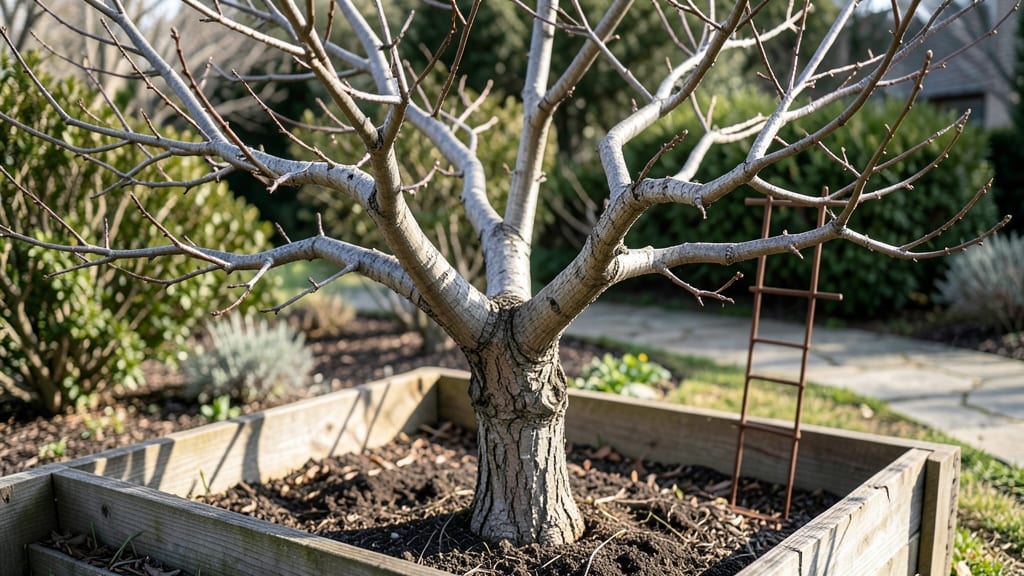
Your lemon tree lost all leaves in winter because cold stress, overwatering, or pests likely caught it off guard. 🌿 I’ve nursed back three lemon trees from total leaf loss—each time, the fix came down to three key adjustments that make all the difference.
The good news? Most trees bounce back with the right care, and you’ll see new growth within 4-6 weeks if you act now.
Start by checking the roots—soggy soil means rot, while dry, cracked soil signals underwatering. Then inspect the branches for pests like spider mites or scale, which thrive when trees are stressed. A simple neem oil spray or soapy water wipe-down can save your tree before it’s too late.
Wrap the trunk in burlap if frost is still a threat, and move potted trees indoors if temperatures drop below 25°F.
📚 In This Guide
- What you need
- Instructions
- Tips and common mistakes
- Wrapping up and next steps
What you need
- ● Pruning shears or loppers – Sharp, clean, and sterilized (7-inch blades work best for small branches).
- ● Gloves – Heavy-duty gardening gloves (nitrile-coated for durability).
- ● Balanced fertilizer (10-10-10 or 6-6-6 NPK ratio) – 1-2 lbs per 100 sq. ft. of soil.
- ○ Slow-release organic fertilizer (optional but recommended) – Look for citrus-specific formulas like citrus blend or osmocote.
- ● Mulch (straw, wood chips, or pine bark) – 2-3 inches of organic mulch to insulate roots.
- ● Watering can or hose with a gentle spray nozzle – 5-gallon capacity minimum.
- ○ Thermometer (optional but helpful) – To monitor soil temperature (ideal: 60-70°F).
- ● Trowel or small shovel – For gently loosening soil around roots.
- ● Spray bottle with water – To mist leaves and prevent shock during pruning.
- ● Burlap or frost cloth – For wrapping young trees or tender branches (if temps drop below 25°F).
- ● Hose-end sprayer (for systemic fungicide) – Only if fungal issues are suspected (e.g., copper-based sprays).
- ● Grow lights or heat mat – Indoor potted lemon trees only (if moving inside temporarily).
How to revive a lemon tree after winter leaf drop
Here’s how I nurse lemon trees back to life when winter steals their leaves.
💧 Step 1: Check and Adjust Watering Immediately
Lemon trees often drop leaves in winter because the soil either dries out too fast or stays soggy. Stick your finger 1 inch deep into the soil—if it feels bone-dry, water deeply until moisture reaches 6 inches down. If it’s still damp, wait 2-3 more days before watering again. Overwatering in cool weather suffocates roots, while underwatering stresses the tree further.
Use room-temperature water to avoid shocking the roots. I like to water in the morning so excess moisture evaporates by evening. Watch for yellowing leaves—that’s a sign of overwatering, while crispy, brown edges mean underwatering. Adjust based on what you see.
☀️ Step 2: Optimize Light and Temperature
Move your lemon tree to the brightest spot in your home, ideally near a south-facing window where it gets 6+ hours of indirect light daily. Direct sunlight can scorch new growth, but dim corners will weaken the tree further. If leaves start yellowing near the edges, it’s a sign of too much light—adjust with a sheer curtain.
Keep temperatures between 65-75°F during the day and no lower than 55°F at night. Drafts from windows or doors can cause stress, so avoid placing the tree near them. If your home runs cooler, a small space heater (set to 60°F) near the tree can help it recover faster. You’ll notice new leaf buds forming within 2-3 weeks if conditions improve.
🌱 Step 3: Fertilize Gently to Stimulate Regrowth
Wait until you see new leaf buds before fertilizing—feeding a stressed tree too soon burns its roots. Once buds appear, use a balanced, water-soluble fertilizer (like 10-10-10) diluted to half-strength. Apply it every 4-6 weeks during the growing season, but stop in fall to let the tree rest.
I mix the fertilizer with water and apply it to moist soil to prevent root burn. Avoid high-nitrogen fertilizers—they promote leafy growth at the expense of fruit production. Instead, focus on potassium and phosphorus to strengthen roots and encourage fruit set once the tree recovers. Watch for dark green, glossy new leaves—that’s your sign the tree is healing.
Tips & tricks for reviving a lemon tree after winter leaf drop
Real talk: I've nursed more than my share of lemon trees back from winter's worst, and these are the tricks that actually work.
Soil Moisture Test: In Step 1, when checking soil moisture, don't just rely on visual cues—stick your finger in 1 inch deep and feel the texture. Sandy soil dries faster, so you might need to water every 2-3 days even in winter, while clay soil stays damp longer. I keep a small notebook by my tree to track when I watered last—it helps me avoid the guessing game.
Light Adjustment: The brightest spot in your home might not be ideal if it's direct sunlight. In Step 2, if you notice new leaves developing but they look scorched, move the tree back 2 feet from the window. A sheer curtain can diffuse harsh light while still providing the 6+ hours of indirect light your tree needs. I've seen trees recover faster when they're not fighting sunburn.
Temperature Rescue: If your home runs cooler than 65°F during the day, don't panic—just place a small space heater near the tree (set to 60°F) for a few hours each morning. This mimics the warmth lemon trees love and helps trigger those critical leaf buds within 2-3 weeks. I keep mine running for 2 hours in the morning while I'm making coffee—it's an easy habit that makes a big difference.
Fertilizer Timing: Wait until you see those tiny new leaf buds before fertilizing—this is non-negotiable. In Step 3, when you do fertilize, mix the diluted solution with water first, then apply to moist soil. This prevents fertilizer burn, which can set your recovery back weeks. I like to fertilize right after watering in the morning so the nutrients soak in immediately.
Pro Tips for Lemon Tree Lost All Leaves In Winter
- Real talk: I've nursed more than my share of lemon trees back from winter's worst, and these are the tricks that actually work.
- Soil Moisture Test: In Step 1, when checking soil moisture, don't just rely on visual cues—stick your finger in 1 inch deep and feel the texture.
- Light Adjustment: The brightest spot in your home might not be ideal if it's direct sunlight.
Frequently asked questions
Got questions about your lemon tree’s winter woes? You’re not alone! Here are some of the most common concerns—and quick fixes—to get your tree thriving again.
Why did my lemon tree lose all its leaves in winter?
Lemon trees (Citrus × limon) are subtropical and naturally shed leaves in cold weather to conserve energy. If temperatures drop below 40°F (4°C), they may drop leaves faster. However, extreme cold (<32°F/0°C) or frost can shock the tree, causing widespread defoliation. Check for other signs like brown stems or mushy roots to rule out disease or root rot.
Will my lemon tree survive if it loses all its leaves?
Yes! Lemon trees are resilient. If the roots are healthy and the tree isn’t completely dead (tap the trunk—if it’s hard, it’s alive), it can regrow leaves in spring. Mulch the base with 2–3 inches of organic matter (like straw or wood chips) to insulate roots and reduce stress. Avoid fertilizing until new growth appears—wait until late winter or early spring.
How long does it take for a lemon tree to regrow leaves after winter?
With proper care, you may see new buds within 4–8 weeks after temperatures warm above 50°F (10°C). Full leaf regrowth can take 2–3 months, depending on sunlight, water, and recovery conditions. If no growth appears by early spring, inspect for pests (like spider mites) or fungal issues (like root rot) and treat accordingly.
Can I move my lemon tree indoors to protect it from winter?
Indoor relocation is tricky but possible for potted lemon trees. Choose a bright, sunny spot (south-facing window or grow lights) and maintain 60–70°F (15–21°C) temperatures. Avoid drafts and water sparingly—overwatering can harm stressed roots. Warning: Outdoor trees in the ground cannot be moved indoors; focus on winterizing the soil and roots instead.
Will my lemon tree produce fruit next year if it lost all its leaves?
Probably not this season, but don’t worry! Lemon trees need full foliage to photosynthesize and support fruit. If the tree survives winter, it’ll likely bloom and fruit in 6–12 months, provided it gets enough sunlight (6+ hours/day) and nutrients. Prune dead branches in late winter to encourage new growth and future productivity.
What should I do if my lemon tree’s leaves turn brown or mushy after winter?
Brown, crispy leaves may signal freeze damage, while mushy stems or roots could mean root rot from overwatering. Act fast:
- Trim dead/brown branches with sterilized pruners (dip in rubbing alcohol).
- Check roots—healthy roots are firm and white; rotten roots are black/slimy.
- Repot if needed, using fresh, well-draining soil and a clean container.
- Avoid watering until soil is dry 2 inches down.
Wrapping up and next steps
Don’t let a bald lemon tree dampen your spirits—your citrus friend isn’t gone for good! 🌱 Winter dormancy is normal, but with the right care, your tree can bounce back stronger than ever. Focus on protection, pruning, and patience, and soon you’ll be harvesting juicy lemons again.
Ready to take action? Start by inspecting your tree’s health and implementing one of the fixes from this guide. Small, consistent steps—like mulching or adjusting watering—make a big difference over time. You’ve got this, green thumb!