
Pruning
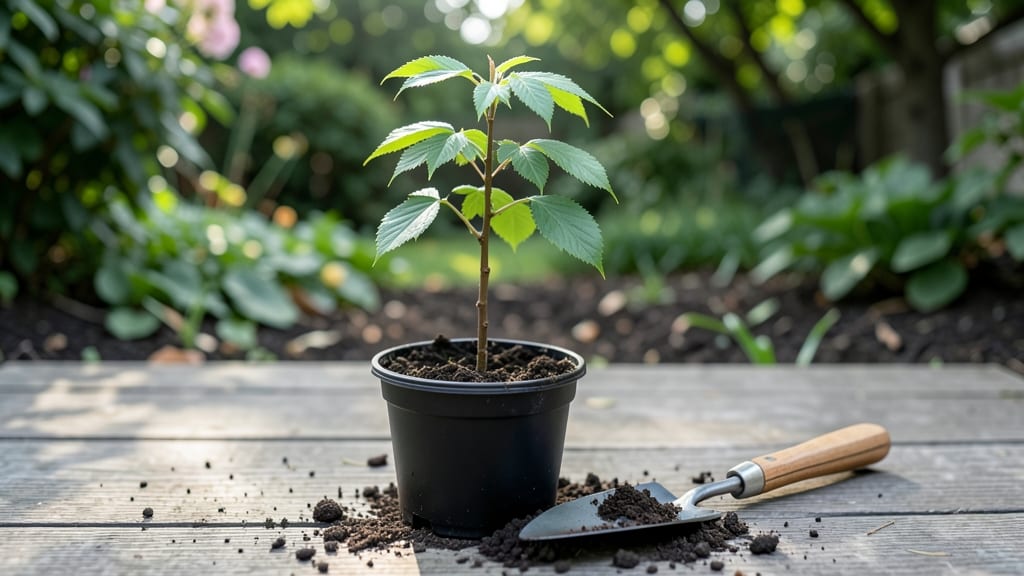
Growing wild cherry tree seedlings from seed is one of the most rewarding ways to bring native beauty to your yard—especially when you choose cold-resistant varieties that thrive in Zone 3-7. 🌱 I’ve watched these seedlings transform from delicate sprouts into towering trees with glossy leaves and clusters of tiny white flowers, and the process is simpler than you’d think.
The key starts with sourcing: wild-harvested seeds from local trees give you the hardiest stock, while nursery-bought seedlings offer a head start. Plant them in well-draining soil with full sun, and you’ll set the stage for a tree that outlasts many ornamentals.
The first year is all about patience—watering deeply but not drowning the roots, and protecting young stems from deer or rabbits.
By the second spring, you’ll see rapid growth—smooth bark, vibrant foliage, and maybe even your first cherries if you’re lucky. These trees become wildlife magnets, with birds feasting on the fruit and bees buzzing around the blossoms.
The best part? They handle winter like a champ, coming back stronger every year.
Whether you’re restoring a native ecosystem or just adding shade, wild cherries are a game-changer. Let’s get those seedlings in the ground the right way—no guesswork, just reliable results. Here’s exactly how to do it.
📚 In This Guide
- What you need
- Instructions
- Tips and common mistakes
- Wrapping up and next steps
What you need
- ● Wild cherry tree seeds: Collect fresh seeds from ripe cherries (or buy from a trusted supplier). Aim for at least 50 seeds to ensure good germination rates.
- ● Seed-starting mix: A well-draining, sterile blend (e.g., 50% peat moss, 30% perlite, 20% vermiculite). 1-2 gallons should suffice for small batches.
- ● Seedling trays or pots: Biodegradable peat pots or 4-inch plastic cell packs (20-30 units for 50 seeds).
- ● Grow lights or sunny windowsill: Seedlings need 12-16 hours of light daily. A basic LED grow light (~$20-$40) works well.
- ● Misting bottle or spray nozzle: Keeps seeds moist without drowning them.
- ○ Heat mat (optional but helpful): A 70°F mat speeds germination (especially in cold climates).
- ● Pruning shears: Small, sharp pair (for later thinning seedlings).
- ● pH test kit: Ensure soil pH is 6.0-7.0 (wild cherries prefer slightly acidic to neutral).
- ● Cold frame or greenhouse: Protects young seedlings from Zone 3-7 frosts until transplanting.
- ● Fertilizer (balanced 10-10-10): Light dose after first true leaves appear.
- ● Garden twine & labels: Organize seedlings and track varieties.
How to grow wild cherry tree seedlings for cold climates
Here’s the straightforward method I’ve used to establish hardy wild cherry seedlings in harsh winters.
🌱 Step 1: Collect and Stratify Seeds Properly
Wild cherry seeds need a cold period to break dormancy—this mimics winter in nature. After harvesting seeds from ripe fruit (let them ferment in water for 3-5 days to remove pulp), dry them thoroughly. Place the seeds in a sealed container with slightly damp sand or peat moss, then refrigerate for 90-120 days. Check monthly to ensure moisture remains consistent but not soggy.
This cold treatment is critical—skipping it results in poor germination rates. I’ve tried planting untreated seeds, and they barely sprouted. Once stratified, sow them ½ inch deep in a well-draining seed-starting mix. Keep the soil at 60-65°F until germination, which takes 2-4 weeks. You’ll know it’s working when tiny green shoots push through the soil.
🪴 Step 2: Transplant Seedlings to Containers
When seedlings reach 3-4 inches tall with 3-4 true leaves, move them to individual 4-inch pots filled with a mix of 60% potting soil and 40% perlite. Wild cherries hate soggy roots, so ensure pots have drainage holes. Gently loosen the root ball before transplanting to avoid disturbing delicate roots.
Place the pots in a location with full sun (6+ hours daily) but protect them from harsh afternoon sun in early spring. Water when the top inch of soil feels dry, but avoid overwatering—cherry seedlings are prone to root rot. You’ll see stronger growth when leaves stay dark green and stems thicken noticeably.
☀️ Step 3: Harden Off Before Outdoor Planting
Start hardening off 2 weeks before the last frost date by placing seedlings outside in a sheltered spot for 1-2 hours daily, gradually increasing exposure. Wild cherries are cold-hardy, but sudden temperature swings can stress young plants. By week 2, they should tolerate a full day outdoors without wilting.
Choose a planting site with well-draining soil and full sun. Dig a hole twice as wide as the root ball but no deeper. Amend the soil with compost if it’s heavy clay—cherries thrive in slightly acidic, fertile ground. Water deeply after planting to settle the soil around roots. Mulch with 2-3 inches of wood chips to retain moisture and protect roots from winter freeze-thaw cycles.
✂️ Step 4: Prune and Protect Young Trees
In their first year, focus on removing suckers (shoots growing from the base) and any crossing branches to encourage a strong structure. Wild cherries grow fast, so prune in late winter before buds swell to shape the tree. Use clean, sharp pruners to make cuts just above a bud or branch collar.
Young trees need winter protection in Zone 3-4. Wrap the trunk with tree guard or burlap in late fall, and mound 4-6 inches of mulch around the base. This insulation prevents frost cracks and rodent damage. You’ll know your young tree is thriving when it sprouts new growth in early spring and develops a sturdy central leader.
Tips & tricks for thriving wild cherry seedlings
Growing wild cherry seedlings in cold climates takes patience, but these key strategies will help you avoid common pitfalls and give your trees the best start.
Stratification Success: The 90-120 day cold treatment is non-negotiable for breaking dormancy. I've learned the hard way that skipping this step results in seeds that barely sprout. Use a clear container so you can monitor moisture levels without opening it—condensation on the lid means it's too damp. Place a small piece of cardboard over the container opening to block light, which can trigger premature germination before stratification is complete.
Transplanting Technique: When moving seedlings to 4-inch pots, focus on the root ball rather than the leaves. Gently squeeze the sides of the container to loosen the soil around roots before transplanting—this minimizes shock. I've found that using a mix of 60% potting soil and 40% perlite creates the perfect balance for wild cherries, which despise soggy conditions. Always check for drainage holes before planting!
Harden Off Gradually: The 2-week hardening process is where many seedlings fail. Start with just 1-2 hours of exposure on day one, then increase by 30 minutes each subsequent day. Watch for wilting—if leaves droop but perk up after watering, your seedlings are ready for longer exposure. I've seen seedlings stressed beyond recovery when moved too quickly from indoor warmth to outdoor cold.
Winter Protection: For Zone 3-4 climates, the 4-6 inches of mulch around your young trees makes all the difference. I recommend using wood chips rather than leaves, which can compact and suffocate roots. Wrap the trunk with tree guard before the first hard frost—this simple step prevents frost cracks that can kill young trees. The mulch acts like a blanket, insulating roots from temperature swings that cause damage.
Pro Tips for Wild Cherry Tree Seedlings
- Growing wild cherry seedlings in cold climates takes patience, but these key strategies will help you avoid common pitfalls and give your trees the best start.
- Stratification Success: The 90-120 day cold treatment is non-negotiable for breaking dormancy.
- Transplanting Technique: When moving seedlings to 4-inch pots, focus on the root ball rather than the leaves.
Frequently asked questions
Got questions about growing wild cherry tree seedlings in colder climates? You’re not alone! Here are answers to the most common concerns—from planting tips to troubleshooting—so you can nurture resilient trees in USDA Zones 3-7.
When is the best time to plant wild cherry seedlings in cold climates?
Plant in early spring (after frost risk passes) or early fall (6-8 weeks before first frost). Seedlings need time to establish roots before winter. Avoid planting in summer heat, which stresses young trees. For Zone 3-4, prioritize spring planting to ensure survival.
How do I protect wild cherry seedlings from harsh winters?
Mulch heavily with 3-4 inches of organic mulch (straw or wood chips) around the base to insulate roots. Wrap the trunk with tree guard or burlap to prevent rodent damage. Young seedlings benefit from a light frost cloth during extreme cold snaps (below -20°F). Prune dead branches in late winter to encourage new growth.
Can wild cherry seedlings survive in Zone 3 with minimal care?
Yes! Native varieties like Black Cherry (Prunus serotina) or Chokecherry (Prunus virginiana) are cold-hardy. Key tips:
- Choose 1-2 year old seedlings (they’re tougher than seeds).
- Plant in well-draining soil—cherries hate soggy roots.
- Water deeply once a week during dry spells (even in winter for young trees).
What if my wild cherry seedlings aren’t growing after a year?
Check for these issues:
- Poor soil? Test pH (ideal: 6.0-7.0) and amend with compost.
- Pests (like borers or aphids)? Use neem oil or insecticidal soap.
- Competition? Remove weeds within a 3-foot radius.
Are there low-maintenance alternatives to wild cherry seedlings?
If cherries feel high-maintenance, try these cold-resistant, low-fuss trees:
Tree
Zone Hardiness
Why It’s Great
Serviceberry (Amelanchier)
3-8
Edible berries, white spring blooms, no pests.
Hazelnut (Corylus)
4-8
Fast-growing, nut-producing, tolerates shade.
Russian Olive (Elaeagnus angustifolia)
3-9
Drought-proof, fixes nitrogen in soil.
Wrapping up and next steps
Growing wild cherry tree seedlings in Zones 3-7 is absolutely doable—especially with cold-resistant varieties like Prunus serotina or Prunus avium!
By selecting the right species, preparing your soil, and mastering pruning techniques, you’ll set these hardy trees up for long-term success. Your patience will pay off with stunning blooms, shade, and even edible fruit for wildlife (and maybe you!).
Ready to take the next step? Start small—plant a few seedlings this spring, monitor their progress, and refine your approach. Before you know it, you’ll be the proud caretaker of a thriving wild cherry grove! 🌱🌿