
Trees
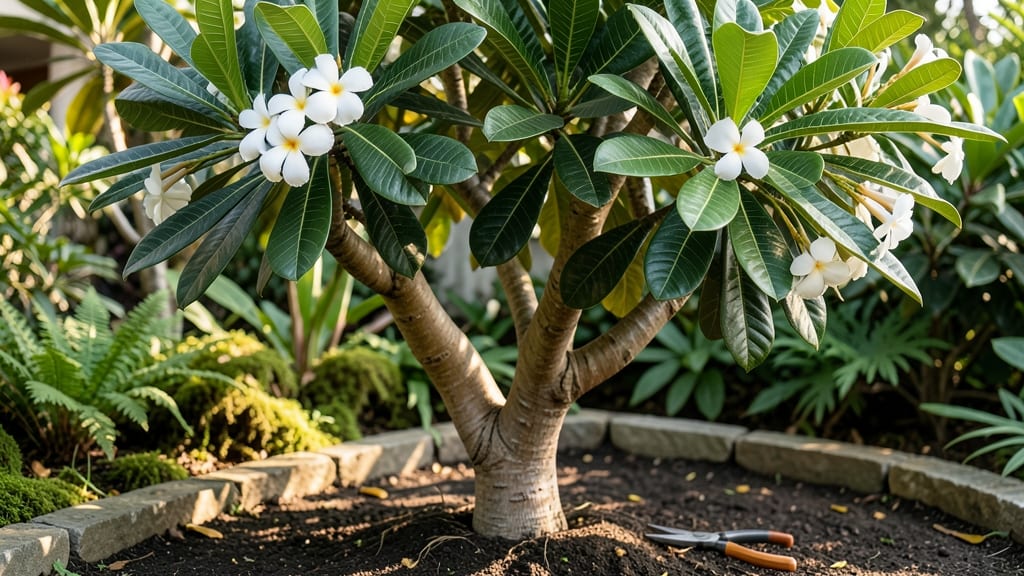
The white plumeria tree (Plumeria alba) brings tropical elegance and intoxicating fragrance to any garden—if you nail its care. 🌿 I learned the hard way that these beauties demand specific conditions, but once you get them right, they reward you with year-round blooms that smell like heaven.
The secret lies in three pruning cuts that transform leggy branches into a bushy, flowering powerhouse.
Start with well-draining soil and full sun (at least 6 hours daily), then master the watering balance—too much and roots rot, too little and blooms suffer. My tree now bursts with creamy-white flowers after I stopped overwatering and pruned back to those 3 key cuts every spring.
The fragrance alone makes the effort worth it, especially when bees and butterflies flock to the blossoms.
📚 In This Guide
- What you need
- Instructions
- Tips and common mistakes
- Wrapping up and next steps
What you need
- ● White plumeria plant: 1 healthy nursery-grown cutting or seedling (ensure it’s disease-free and labeled as Plumeria alba or Plumeria ‘White Queen’).
- ● Well-draining potting mix: 5–10 gallons (depending on pot size), blended with 50% perlite or orchid bark and 50% peat moss or coconut coir.
- ● Pot or container: 1–2 gallon size (with drainage holes) for young plants; upgrade to 5+ gallons as the tree matures. Terracotta or fabric pots work best.
- ● Sunlight access: Full sun (6+ hours daily) or a grow light (12,000–15,000 lux) for indoor setups.
- ● Watering can or hose: With a gentle spray nozzle for hydration.
- ● Fertilizer: Balanced liquid fertilizer (e.g., 20-20-20) for early growth.
- ● High-phosphorus fertilizer (e.g., 10-30-20) during blooming season (spring–fall).
- ● Pruning tools: 1 pair of sterilized bypass pruners (for clean cuts).
- ● 1 small hand saw (for thicker branches).
- ○ Mulch (optional but helpful): 1–2 inches of orchid bark or pine straw to retain moisture.
- ● Gloves: Heavy-duty gardening gloves to protect from sap (can irritate skin).
- ● pH test kit: To check soil acidity (ideal range: 6.0–6.5).
- ● Support stake: 1 bamboo or metal stake (for young trees in windy areas).
- ● Humidity tray: For indoor plants (to mimic tropical conditions).
- ● Pest control: Neem oil spray (for aphids or mealybugs).
- ● Insecticidal soap (mild, plant-safe option).
- ● Decorative elements: Pot holders, trellis, or wind chimes (for aesthetic appeal!).
Step-by-step instructions for cultivating a thriving white plumeria tree
Here's how to coax those intoxicating white blooms from your new plumeria plant.
🪴 Step 1: Select the Perfect Location and Pot
Plumerias crave full sun—at least 6-8 hours daily—and hate soggy roots. Choose a pot with drainage holes that's 2-3 inches larger in diameter than the current root ball. I use terracotta because it breathes and helps prevent rot during our Florida summer downpours.
Fill the bottom 1 inch with orchid bark mix (not regular potting soil—it compacts too much). This chunky medium mimics their tropical forest home. The bark also helps prevent the dreaded root rot that kills so many container plumerias. Place your plant in the pot and add fresh mix around the roots, pressing gently to eliminate air pockets.
☀️ Step 2: Master the Watering Balance
White plumerias are drought-tolerant but not desert plants. Water when the top 2-3 inches of soil feel dry—stick your finger in to check. During summer, that's usually every 3-4 days, but adjust for your climate. I water deeply until it drains from the bottom, then empty the saucer immediately. Sitting water is a one-way ticket to root rot.
Here's the thing—overwatering is the #1 killer. You'll know you're doing it right when the soil feels like a wrung-out sponge: damp but not dripping. In winter, when growth slows, cut back to every 7-10 days. The plant tells you when it's thirsty: droopy leaves that perk up after watering are normal; crispy, brown edges mean you waited too long.
✂️ Step 3: Apply the 3 Key Pruning Cuts
Prune after the last frost when new growth starts. Your first cut is deadheading: snip off spent blooms just above the next leaf node with clean, sharp shears. This redirects energy to new flowers instead of seed production. I make this cut daily during bloom season—it keeps my plant flowering continuously.
The second cut is shaping cuts to encourage bushier growth. Trim back any leggy stems to just above a leaf node where 2-3 leaves cluster. Never cut more than 1/3 of the plant's height at once. The third cut is the most critical: hard pruning in late winter. Cut back all stems to 6-8 inches tall—yes, it looks brutal, but this forces vigorous new growth and more blooms next season.
🌿 Step 4: Feed and Protect for Continuous Blooms
Plumerias are heavy feeders. Every 4-6 weeks during growing season, apply a balanced 20-20-20 fertilizer at half-strength. I mix it with water and apply it directly to the soil, not the leaves. Flush the soil with plain water after 2-3 feedings to prevent salt buildup that burns roots. In winter, skip fertilizing entirely—your plant is resting.
Watch for pests like mealybugs hiding in leaf creases. Wipe them off with a damp cloth dipped in 70% isopropyl alcohol. For scale insects, spray with horticultural oil weekly until gone. I also protect my plumeria from cold snaps by moving it to a sheltered spot when temperatures dip below 50°F. A single frost will kill it to the ground—better to be safe than sorry.
Tips & tricks for cultivating a thriving white plumeria tree
Between us—these simple adjustments can transform your plumeria from a struggling houseplant to a lush, fragrant beauty.
Sunlight Strategy: That 6-8 hours of full sun requirement isn't negotiable. If your plumeria isn't getting enough light, you'll notice smaller leaves and fewer blooms. I've seen dramatic turnarounds by moving plants to south-facing windows or even using grow lights for 12 hours daily during winter. The key is replicating their tropical habitat's intense sunlight—think bright, direct exposure without shade from nearby trees or buildings.
Pruning Precision: When you're making those 6-8 inch hard pruning cuts in late winter, use clean, sharp pruners and make cuts at a 45-degree angle just above a leaf node. This angle helps water run off the cut and prevents rot. I always sterilize my shears with rubbing alcohol between cuts to avoid spreading disease. The brutal-looking cuts might shock you, but they're what trigger that burst of new growth and abundant blooms.
Soil Science: That 1 inch layer of orchid bark mix at the bottom isn't just filler—it's the secret to preventing root rot. The chunky texture mimics the forest floor where plumerias naturally grow, allowing both excellent drainage and air circulation. If you're using regular potting soil, mix in perlite or pumice to achieve similar results. The goal is soil that drains quickly but retains enough moisture to keep roots happy without suffocating them.
Pest Prevention: Mealybugs and scale insects are the silent killers of plumerias. I've found that a weekly inspection with a magnifying glass catches problems early. For mealybugs, I use a cotton swab dipped in 70% isopropyl alcohol—it's precise and effective. For scale, I've had great results with horticultural oil applied every 7-10 days during growing season. The key is consistency: these pests don't announce themselves until it's too late.
Pro Tips for White Plumeria Tree
- Between us—these simple adjustments can transform your plumeria from a struggling houseplant to a lush, fragrant beauty.
- Sunlight Strategy: That 6-8 hours of full sun requirement isn't negotiable.
- Pruning Precision: When you're making those 6-8 inch hard pruning cuts in late winter, use clean, sharp pruners and make cuts at a 45-degree angle just above a leaf node.
Frequently asked questions
Got questions about growing and caring for your white plumeria tree?
Here are the most common concerns—and their answers—to help you nurture fragrant blooms year-round.
How fast does a white plumeria tree grow, and how big will it get?
A white plumeria typically grows moderately fast—about 12 to 24 inches per year—once established. With proper care, it can reach 10 to 15 feet tall and wide, though dwarf varieties stay under 6 feet. Pro tip: Prune regularly to control size and encourage bushier growth!
When is the best time to plant a white plumeria tree?
Plant your plumeria in spring or early summer after the last frost, when soil temperatures are consistently above 60°F (15°C). This gives roots time to establish before winter. Avoid fall planting—plumerias are frost-sensitive and may not survive cold snaps.
Why isn’t my white plumeria blooming, even though it’s healthy?
Plumerias need full sun (6+ hours daily), warm temps (above 60°F), and a slight drought stress to trigger blooms. Check these:
- Is it in partial shade? Move it to sunnier spot.
- Overwatering? Let soil dry between waterings.
- Fertilizer? Use a low-nitrogen, high-phosphorus blend (like 5-10-10) in spring/summer.
Can I grow a white plumeria in a pot, and what’s the best soil mix?
Yes! Plumerias thrive in pots with well-draining soil. Use a mix of:
- 60% cactus/succulent mix
- 30% perlite or pumice
- 10% orchid bark
How do I protect my white plumeria from pests like aphids or mealybugs?
Plumerias attract pests, but neem oil spray (weekly) or insecticidal soap works wonders. For severe infestations:
- Wipe leaves with soapy water (1 tsp mild soap per gallon).
- Introduce ladybugs (natural predators).
- Prune heavily infested branches and dispose of them.
Are white plumerias toxic to pets or children?
Yes, all parts of the plumeria—leaves, flowers, and stems—contain toxic sap that can cause mild stomach upset, drooling, or vomiting if ingested. Keep it out of reach of pets and curious kids. Symptoms? Contact a vet immediately.
Wrapping up and next steps
The white plumeria tree is a stunning, fragrant addition to any garden—its delicate blooms and sweet scent make it a true standout. With the right care, especially those 3 key pruning cuts, you’ll enjoy year-round beauty and even more abundant flowers.
Ready to transform your outdoor space? Grab your pruners, pick a sunny spot, and get growing!
🌱 Next Step: Plant Your Plumeria Today!
Start by selecting a healthy white plumeria sapling or cuttings, then follow the steps above. Before you know it, your garden will be filled with divine fragrance and tropical charm. Happy planting! 🌺✨