
Pruning
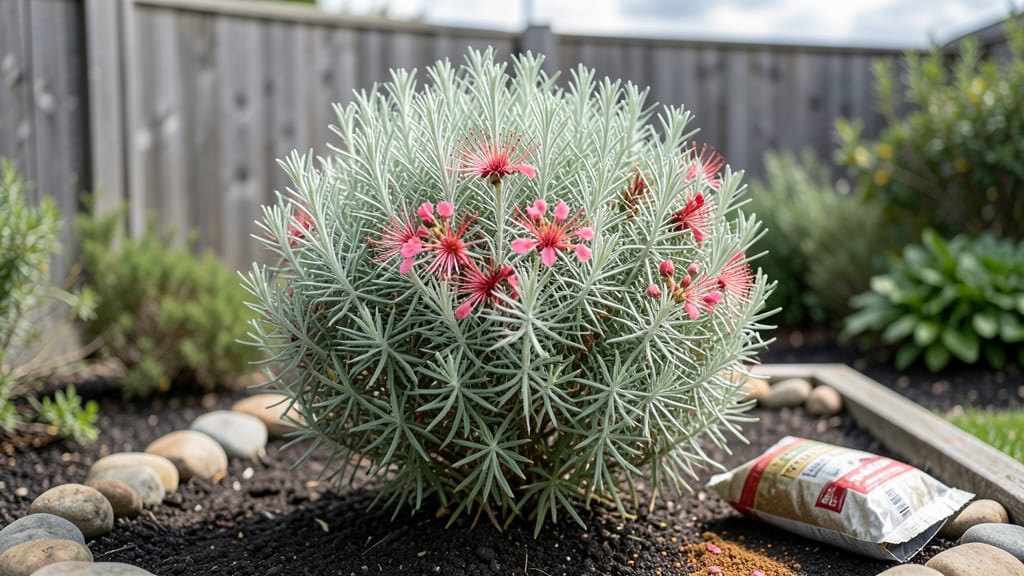
The silk leaf tree (Albizia julibrissin) turns any yard into a fragrant, fluffy dream with its pink cloud blooms and fern-like foliage.
I’ve grown mine for five years now, and the secret to keeping it lush isn’t just water—it’s year-round pruning that encourages dense growth and those iconic cotton-candy flowers. The first time I saw it in full bloom, I knew I’d never go back to neglecting it again.
This tree thrives in full sun to partial shade and tolerates poor soil better than most, but it does need well-draining dirt to avoid root rot.
Water deeply once a week during dry spells, but let the top inch of soil dry out between waterings—overwatering is the #1 reason for yellowing leaves. Prune lightly in early spring to shape it, then again after blooms fade to encourage fresh growth.
The fluffier the canopy, the more dramatic those pink puffs become each summer.
By winter, you’ll have a tree that looks like a living sculpture, its branches arching with grace and its bark adding texture. The fragrant blooms attract butterflies all season, and the ferny leaves stay vibrant even in heat waves.
With proper care, yours will outshine store-bought ornamentals and become the centerpiece of your landscape. Here’s how to keep it thriving—no green thumb required.
Works beautifully in USDA Zones 6-9, though it handles brief cold snaps if protected. For slower growth, check your soil pH (slightly acidic is best) and avoid heavy fertilizers—this tree’s natural elegance comes from balance, not force. Let’s get yours looking like a postcard-worthy masterpiece.
📚 In This Guide
- What you need
- Instructions
- Tips and common mistakes
- Wrapping up and next steps
What you need
- ● Pruning shears: Bypass pruners (sharp, clean, and sterilized with rubbing alcohol or bleach solution). Quantity: 1 pair.
- ○ Loppers: For thicker branches (½"–1" diameter). Quantity: 1 pair (optional if branches are small).
- ● Pruning saw: For branches >1" in diameter. Quantity: 1 (if needed).
- ● Garden gloves: Heavy-duty, cut-resistant (e.g., Mechanix or FrogToggs). Quantity: 1 pair.
- ● Disinfectant: 1 part bleach to 9 parts water (for sterilizing tools between cuts). Quantity: Small spray bottle.
- ● Rags or paper towels: For wiping tools and cleaning sap. Quantity: 2-3.
- ● Trash bags or compost bin: For pruned debris. Quantity: 1-2 large bags.
- ● Ladder or step stool: If tree exceeds 6' tall. Height: Adjustable, non-slip.
- ● Hand pruners: For delicate trimming (e.g., shaping flowers). Quantity: 1 pair.
- ● Sealing wax: To coat large cuts and prevent disease (e.g., Tanglefoot Tree Wound Pruning Sealer).
- ● Garden hose or spray bottle: For rinsing tools post-pruning.
- ● Notebook & pen: To sketch your pruning plan or track growth.
- ● Mulch: Organic (e.g., wood chips) to protect roots after pruning. Quantity: 2-3 inches, spread in a 3' radius.
How to prune a silk leaf tree for a full, fragrant canopy
Here’s how I keep my silk leaf tree thriving year-round with simple, effective pruning.
Assess the Tree’s Growth Habit
Start by examining your silk leaf tree for its natural shape and growth patterns. Silk leaf trees (also called Albizia julibrissin) grow in a rounded, vase-like form, but they can become leggy or uneven without guidance. Look for branches that cross, grow inward, or look weak—these are your first targets. Healthy branches should have a strong, upward angle and plenty of small, fuzzy leaves.
Pay attention to the tree’s center. If it’s bare or too dense, you’ll need to open it up for better airflow and light penetration. I always prune in early spring just as new growth begins—this gives the tree time to recover before summer heat sets in. Avoid heavy pruning in late summer or fall, as it can stimulate tender new growth that won’t survive winter.
Prune for Shape and Airflow
Use clean, sharp pruning shears to make cuts just above a leaf node or bud. This encourages new growth in the right direction. Start by removing any dead, diseased, or damaged branches first—they’ll only drain energy from the rest of the tree. Next, thin out crowded branches to improve airflow, which helps prevent fungal issues and keeps the foliage lush.
For shaping, focus on maintaining that natural, rounded silhouette. Silk leaf trees respond well to pruning, so don’t be afraid to trim back overgrown branches by up to one-third. If a branch is too long or spoils the tree’s balance, cut it back to a strong lateral branch or bud. Always make cuts at a slight angle, about ¼ inch above the bud, to prevent water from pooling and rotting the wound.
Encourage New Growth and Fragrance
After shaping, give your tree a light trim to stimulate bushier growth. Silk leaf trees produce their signature fragrant flowers on new wood, so pruning in early spring encourages more blooms later in the season. Focus on the outer branches—cutting back just enough to remove old, woody growth but leaving plenty of younger stems to take over.
Watch for new shoots emerging from the pruned areas within a few weeks. These will fill out the tree and keep it dense. If you notice any leggy growth reaching toward the light, prune those back slightly to encourage a more compact shape. Mulch around the base with the 2-3 inches of mulch to retain moisture and protect roots, especially during hot summers.
Maintain Year-Round with Light Trims
Silk leaf trees don’t need heavy pruning year-round, but a little maintenance keeps them looking their best. In late summer, after the tree has finished flowering, do a light cleanup to remove any spent blooms or weak growth. This prevents the tree from wasting energy on seed production and encourages stronger growth for next year.
In winter, if you see any dead or broken branches from storms or heavy snow, prune them out immediately. Avoid heavy pruning in cold months, as the tree is dormant and less able to heal. A quick trim to remove any damage is all that’s needed—your silk leaf tree will reward you with fresh, fragrant growth come spring.
Tips & tricks for pruning a silk leaf tree
Here's what I've learned after years of keeping my silk leaf tree looking its best—these small details make all the difference.
The Right Season Matters: Early spring is the absolute best time to prune your silk leaf tree, right when you see those first tender new shoots emerging. This timing gives your tree the full growing season to recover and produce new growth before winter dormancy. I've learned the hard way that pruning in late summer or fall can stimulate tender new growth that won't survive our winter freezes.
Cutting Technique is Everything: When you're making those precise cuts in Step 2, always cut just above a leaf node or bud at a slight angle about ¼ inch above. This small detail prevents water from pooling and rotting the wound. I've seen so many trees develop infections from improper cuts—don't make my mistake! Use clean, sharp pruning shears to make clean cuts that heal properly.
Thinning is Better Than Shearing: Instead of shearing branches uniformly, focus on thinning out crowded branches to improve airflow. This single approach prevents fungal issues and keeps your tree's foliage looking lush all season. In Step 2, look for branches that cross or grow inward—these are prime candidates for removal. The open canopy lets light penetrate to the inner branches, encouraging even growth throughout.
Mulch Makes a Difference: Don't overlook the importance of that 2-3 inches of mulch mentioned in Step 3. It's not just about aesthetics—proper mulching retains moisture and protects those delicate roots, especially during our hot summers. I've seen trees with poor mulch coverage struggle through drought periods while properly mulched trees thrive. Apply mulch in a ring around the base, keeping it a few inches away from the trunk to prevent rot.
Pro Tips for Silk Leaf Tree
- Here's what I've learned after years of keeping my silk leaf tree looking its best—these small details make all the difference.
- The Right Season Matters: Early spring is the absolute best time to prune your silk leaf tree, right when you see those first tender new shoots emerging.
- Cutting Technique is Everything: When you're making those precise cuts in Step 2, always cut just above a leaf node or bud at a slight angle about ¼ inch above.
Frequently asked questions
Got questions about caring for your silk leaf tree (Albizia julibrissin)? You’re not alone! Here are some of the most common queries—and their straightforward answers—to keep your tree thriving year-round.
When is the best time to prune a silk leaf tree?
The ideal time to prune is late winter or early spring, just before new growth begins. This helps shape the tree while avoiding sap flow and pest activity. For light maintenance (like removing dead branches), you can prune anytime—but avoid heavy cuts during summer heat or winter dormancy.
How much can I trim back my silk leaf tree?
You can safely remove up to one-third of the tree’s foliage in a single pruning session. For young trees, focus on removing dead, crossing, or weak branches first. Mature trees benefit from thinning out dense areas to improve airflow and light penetration. Never remove more than 25% of the canopy in one go—gradual pruning prevents stress.
Why are my silk leaf tree’s leaves turning yellow or dropping?
Yellowing or dropping leaves often signal overwatering, underwatering, or nutrient deficiencies. Check the soil—it should stay slightly moist but well-draining. If roots are soggy, reduce watering; if dry, increase it gradually. Yellowing between veins may indicate iron deficiency, while brown edges suggest underwatering or salt buildup. Adjust care and fertilize lightly if needed.
Can I prune my silk leaf tree in hot or cold weather?
Avoid heavy pruning during extreme heat (above 90°F) or freezing temperatures (below 20°F). Hot weather stresses the tree, while cold can expose it to frost damage. If you must prune in summer, do it early morning or late afternoon and keep the tree well-watered. In winter, wait until temperatures stabilize above freezing before cutting.
What are good alternatives if my silk leaf tree isn’t thriving?
If your silk leaf tree struggles with pests, disease, or climate, consider these low-maintenance, fragrant alternatives:
- Mimosa tree (Mimosa pudica) – Fast-growing with fuzzy pink blooms (but invasive in some areas).
- Crape myrtle (Lagerstroemia) – Drought-tolerant with vibrant summer flowers.
- Fringe tree (Chionanthus virginicus) – Fragrant white blooms and adaptable to various soils.
- Japanese pagoda tree (Styphnolobium japonicum) – Similar foliage but more cold-hardy.
Choose based on your USDA hardiness zone and sunlight needs!
Wrapping up and next steps
The silk leaf tree is a stunning, low-maintenance addition to any garden or indoor space, offering fragrant blooms and lush foliage year-round. With the right pruning techniques—like regular trimming, shaping cuts, and seasonal adjustments—you can keep it thriving and vibrant.
Whether you’re a pruning pro or just starting, these steps will help you cultivate a healthy, fragrant canopy that brings joy for seasons to come!
Ready to transform your silk leaf tree into a showstopper? Grab your tools and start pruning today—your tree (and your green thumb!) will thank you! 🌿✨