
Landscaping
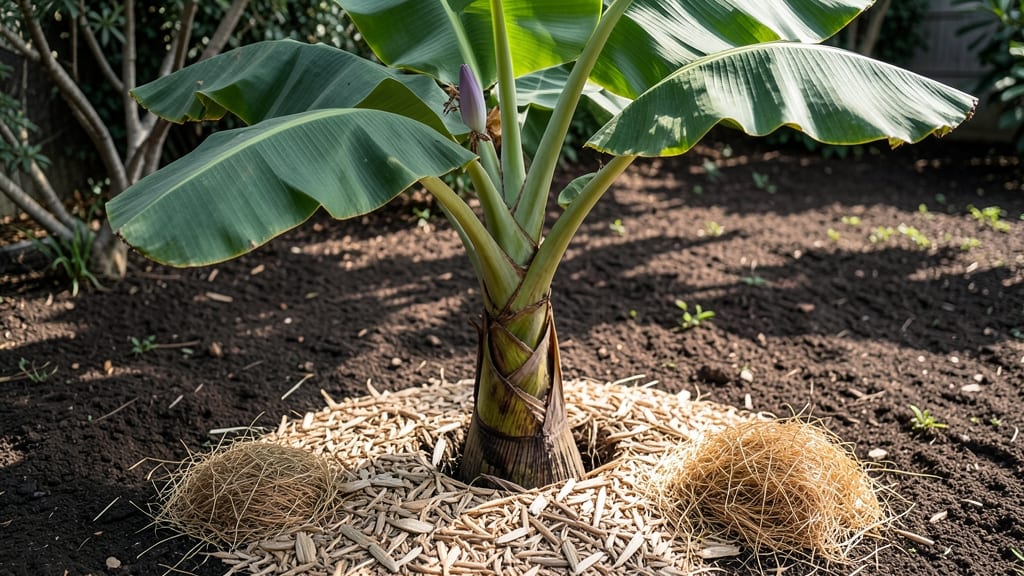
Banana trees thrive when their roots stay consistently moist—mulch for banana trees is the secret weapon that keeps soil temperatures stable, blocks weeds, and locks in moisture for weeks.
I learned this the hard way after watching my first banana plant struggle through Florida’s brutal summers, its leaves curling from thirst despite daily watering. The right mulch isn’t just about saving water; it’s about mimicking the tropical forest floor where banana trees evolved.
Organic mulches like pine bark fines, coconut coir, or aged wood chips break down slowly, adding nutrients while regulating soil temperature—critical for banana roots that hate extremes. Inorganic options like black plastic work in hot climates but require careful monitoring to avoid overheating.
The key is 3-4 inches of mulch, spread in a wide donut shape (never touching the trunk) to prevent rot and pests. This simple layer can cut watering needs by 50% while keeping soil temperatures ideal for root growth.
You’ll notice the difference immediately: fewer weeds, no more crispy leaf edges from afternoon heat, and a steady supply of moisture even during droughts. Banana plants reward this care with larger fruit clusters, faster growth, and longer production cycles.
The best part? This mulch shield works year-round in tropical climates, adapting to both rainy seasons and dry spells without extra effort.
Regional tweaks matter—coastal areas benefit from salt-resistant mulches like coconut coir, while inland zones may need thicker layers of pine bark to retain moisture longer. Avoid fresh wood chips (they steal nitrogen) and never pile mulch against the trunk.
With this approach, your banana trees will grow like they’re back in their native jungle—lush, productive, and effortlessly thriving.
📚 In This Guide
- What you need
- Instructions
- Tips and common mistakes
- Wrapping up and next steps
What you need
- ○ Organic mulch: Straw (2–3 inches thick, optional but great for weed suppression)
- ● Shredded leaves (3–4 inches, free and nutrient-rich if composted)
- ● Wood chips (3–4 inches, preferably hardwood or cedar)
- ● Pine needles (2–3 inches, acid-loving banana trees adore these!)
- ● Compost or aged manure: 1–2 inches mixed into the topsoil (boosts fertility!)
- ● Garden hose or watering can: For post-mulching hydration
- ● Gloves and knee pads: (Trust us, your back will thank you!)
- ● Mulch ring or landscape fabric (to contain mulch and block weeds)
- ● Slow-release fertilizer (like banana tree-specific pellets)
- ● Soil pH tester (to ensure your mulch matches your tree’s needs)
- ● Mulch fork or rake (for even distribution)
How to create a year-round mulch shield for banana trees
This proven method keeps roots hydrated while protecting against temperature swings—exactly what banana trees need to thrive.
🌱 Step 1: Prepare the Base Layer for Moisture Retention
Clear all weeds and grass within a 3-foot radius around the tree trunk. Banana trees have shallow roots that spread aggressively, so competition for water and nutrients will stress your plant. Use a sharp spade to cut through any stubborn roots at the edges of your work area.
Loosen the top 6 inches of soil with a garden fork, being careful not to pierce the main root ball. This aeration helps water penetrate deeply when you first apply mulch. I like to work in small sections—about 1 square foot at a time—so I don’t compact the soil while prepping.
💧 Step 2: Apply a Moisture-Locking Mulch Layer
Spread a 4-inch thick layer of organic mulch—such as shredded hardwood bark or coconut coir—directly over the prepared soil. Keep the mulch 6 inches away from the trunk to prevent rot. The organic matter will break down slowly, enriching the soil while maintaining moisture levels.
For extra insulation in colder months, top the organic mulch with a 2-inch layer of straw or pine needles. This double-layer system traps heat in winter and reduces evaporation in summer. Water the mulch thoroughly after application—this helps settle the material and encourages it to cling to the soil.
☀️ Step 3: Maintain Consistent Moisture Without Overwatering
Check the soil moisture weekly by pushing your finger 2 inches deep into the mulch layer. If the soil beneath feels dry, water deeply until moisture reaches 6 inches down. Banana trees prefer consistently damp soil but hate soggy roots—never let water pool at the base.
Refresh the mulch layer every 3-4 months, especially after heavy rains or when it begins to decompose. A well-maintained mulch shield should look dark and rich, not light and dusty. If you notice mold or fungus on the surface, fluff the mulch with a rake to improve airflow.
✂️ Step 4: Adjust for Seasonal Protection
In winter, add an extra 1-2 inches of straw around the base to shield roots from freezing temperatures. Banana trees originate in tropical climates, so even a light frost can damage foliage. If your area experiences frost, cover the entire plant with a breathable frost cloth during cold snaps.
In summer, monitor for weed growth at the mulch edges. Weeds compete for water and nutrients, so pull them promptly. If the mulch starts to compact or dry out, fluff it with a garden fork to restore its insulating properties. A properly maintained mulch shield keeps soil cool in summer and warm in winter—ideal for banana trees.
Tips & tricks for perfect banana tree mulching
Here's what I've learned after years of protecting banana trees from seasonal extremes—these details make all the difference.
Soil Preparation Secret: When loosening that top 6 inches of soil in Step 1, work the garden fork in a star pattern rather than up-and-down motions. This creates better vertical channels for water penetration without damaging the root ball. I've found that pre-wetting the soil slightly before forking makes the process easier and prevents compaction.
Mulch Layer Strategy: The 4-inch base layer of organic mulch should be evenly distributed but not packed down. Think of it like fluffing a pillow—you want air pockets to help with moisture retention. In Step 2, I recommend using a rake to gently spread the mulch rather than shoveling it directly from the bag. This prevents clumping and ensures even coverage.
Seasonal Layering: For winter protection, that extra 1-2 inches of straw in Step 4 works best when applied in two stages. First add 1 inch after the first frost, then add the final inch when temperatures drop below freezing. This gradual approach prevents sudden temperature shock to the roots while still providing insulation.
Moisture Maintenance: The weekly moisture check in Step 3 is your best friend—especially during summer's heat. I've noticed that banana trees actually show early signs of stress (like yellowing leaf tips) before the soil feels dry to the touch. Check every 5-7 days during peak summer months, even if it's not quite your usual weekly schedule.
Pro Tips for Mulch For Banana Trees
- Here's what I've learned after years of protecting banana trees from seasonal extremes—these details make all the difference.
- Soil Preparation Secret: When loosening that top 6 inches of soil in Step 1, work the garden fork in a star pattern rather than up-and-down motions.
- Mulch Layer Strategy: The 4-inch base layer of organic mulch should be evenly distributed but not packed down.
Frequently asked questions
Got questions about mulching banana trees?
You’re not alone! Here are answers to the most common concerns—from timing to troubleshooting—so your banana trees thrive year-round.
What’s the best mulch for banana trees?
Banana trees love organic mulch like straw, wood chips, or pine bark—they retain moisture, suppress weeds, and slowly enrich the soil. Avoid fresh sawdust or cedar mulch, as they can acidify the soil or contain harmful compounds. A 3–4 inch layer is ideal!
When is the best time to mulch banana trees?
Mulch banana trees after planting or in early spring (before new growth starts). Replenish mulch annually in late winter to maintain a fresh layer. Avoid piling mulch against the trunk to prevent rot—keep it 2–3 inches away.
Can I reuse old mulch from last year?
Yes, but refresh it! Mix old mulch with new organic material (like compost or shredded leaves) to boost nutrients. If the mulch is crusty or compacted, fluff it up or replace it entirely. Banana trees benefit from fresh, aerated mulch for optimal moisture retention.
Why is my banana tree’s soil still dry under mulch?
Dry soil under mulch often means poor water penetration or decomposition blocking drainage. Try these fixes:
- Water deeply after applying mulch to settle it.
- Avoid over-mulching—stick to 3–4 inches.
- Use coarse mulch (like pine bark) if your soil drains poorly.
Are there alternatives to traditional mulch for banana trees?
Try:
- Grass clippings (fresh, not piled thickly)
- Leaves or straw (lightweight and great for moisture)
- Cocoa bean hulls (pest-repellent and slow to decompose)
- Cardboard + compost (for weed suppression in new beds)
Wrapping up and next steps
Choosing the right mulch for your banana trees isn’t just about aesthetics—it’s a game-changer for their health and productivity! 🌱 From organic options like straw or wood chips to the moisture-retaining power of coconut coir, each type offers unique benefits to shield roots, regulate soil temperature, and keep pests at bay.
Whether you’re a seasoned gardener or just starting, the key is consistency and the right balance of materials.
Now that you’re armed with the knowledge, grab your gloves and get mulching! Start small—even a single banana tree will thank you with lush, vibrant growth. Need inspiration? Try layering your favorite mulch types for a customized soil shield that works year-round. Happy gardening! 🌿