
Pruning
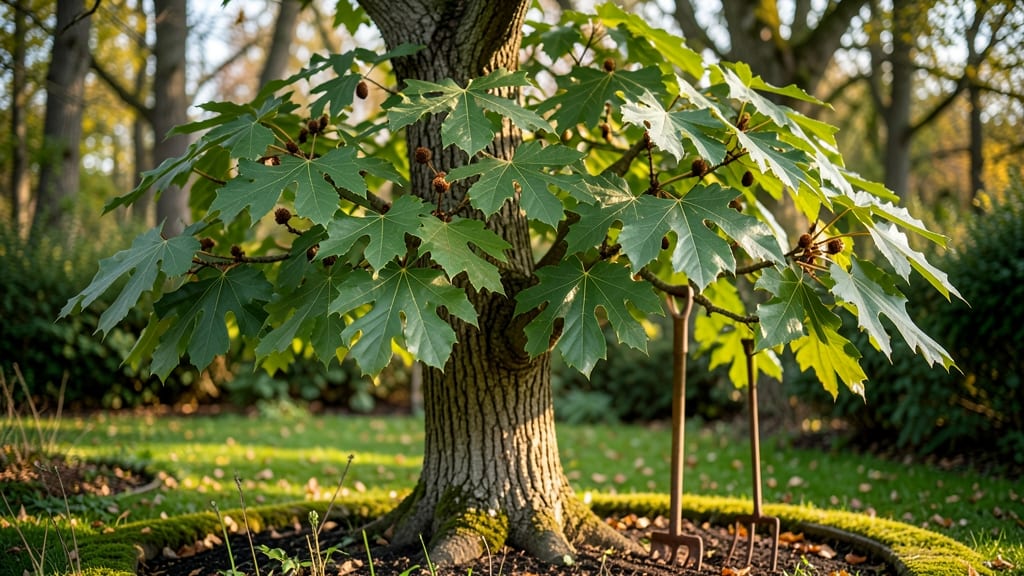
Growing a five-leaf tree—like the glossy Schefflera or the towering Norfolk Island pine—starts with understanding its tropical soul. 🌿 These plants thrive when you mimic their native humidity and light, and I’ve learned the hard way that dry air and drafty windowsills are their worst enemies.
The key isn’t just watering right; it’s creating an environment where their leaves stay vibrant and their growth stays steady year-round.
You’ll need bright, indirect light (think filtered sunshine), well-draining soil that stays slightly moist but never soggy, and a spot where temperatures stay between 65-75°F. For indoor growers, a pebble tray with water or a humidifier makes all the difference—my Schefflera nearly died before I cracked that code.
Outdoor varieties, like the Araucaria, love partial shade and cooler climates, but even they need protection from harsh afternoon sun.
Pruning isn’t just about shaping—it’s about encouraging fuller growth. Snip back leggy stems in spring to prompt bushier foliage, and remove yellowed leaves as they appear. With the right care, your five-leaf tree will reward you with lush, deep-green canopies that last for years, whether indoors or out.
The secret? Consistency. These plants forgive mistakes but never neglect.
Whether you’re nurturing a compact Schefflera on a shelf or a towering Araucaria in the garden, the principles stay the same: light, water, and a little TLC. Let’s get yours thriving—no guesswork, just results.
📚 In This Guide
- What you need
- Instructions
- Tips and common mistakes
- Wrapping up and next steps
What you need
- ● Pruning shears – Sharp, bypass-style (for clean cuts), 1 pair.
- ● Loppers – Heavy-duty, 1 pair (for thicker branches).
- ● Hand pruners – 1 pair (for delicate trimming).
- ● Pruning saw – 1 (if dealing with thick branches).
- ● Disinfectant – 70% isopropyl alcohol or rubbing alcohol (to sterilize tools).
- ● Garden gloves – 1 pair (cut-resistant for safety).
- ● Trash bag or bucket – 1 (for pruned debris).
- ● Ladder or step stool – 1 (if tree is tall).
- ● Pruning sealant – 1 small bottle (to protect large cuts).
- ● Tree wound paint – 1 (for extra protection).
- ● Extension pole pruners – 1 (for high branches).
- ● Notebook & pen – 1 (to track pruning notes).
- ● Safety glasses – 1 pair (for debris protection).
Step-by-Step guide to cultivating a healthy five-leaf tree
Here's how to nurture a thriving five-leaf tree with expert care techniques.
🌱 Step 1: Select and Prepare the Planting Site
The five-leaf tree (Araucaria heterophylla) thrives in well-draining, slightly acidic soil with a pH between 5.0 and 6.5. Choose a location with partial shade to full sun exposure, as direct afternoon sun can scorch tender new growth. I always test soil moisture before planting—stick your finger 2 inches deep; if it feels dry, this spot works.
Dig a hole twice as wide as the root ball but no deeper. Loosen the sides of the hole with a garden fork to encourage root spread. If your native soil is heavy clay, amend it with 2-3 inches of organic matter (like compost) mixed into the bottom of the hole. This ensures proper drainage, which is critical—waterlogged roots will cause root rot within weeks.
☀️ Step 2: Plant and Establish Proper Light Conditions
Place the five-leaf tree in the hole so the top of the root ball sits 1 inch above ground level. This prevents stem rot from sitting water. Backfill with native soil, pressing gently to remove air pockets but avoiding compaction. Water deeply right after planting to settle the soil and eliminate gaps.
Here's the thing—young five-leaf trees need morning sun and afternoon shade for the first year. If planting in a hot climate, provide 30-50% shade cloth during peak afternoon hours (1 PM to 5 PM). Watch for yellowing leaves on the south side—this signals too much direct sun. Adjust placement gradually over the first month to harden the plant.
💧 Step 3: Develop a Watering Routine for Year-Round Growth
Water deeply once a week during the first growing season, providing 1-2 gallons per plant depending on pot size. Check soil moisture by lifting the pot—if it feels light, water again. Overwatering is the biggest mistake; five-leaf trees prefer slightly dry conditions between waterings once established.
In winter, reduce watering to every 2-3 weeks, only when the top 1-2 inches of soil feel completely dry. Use a moisture meter for accuracy, especially in containers. The key is consistency—let the soil dry out between waterings, but never to the point of wilting. You'll see new growth slow in cooler months, but the tree remains active.
✂️ Step 4: Prune for Shape and Health
Prune in late winter or early spring before new growth begins. Remove dead, diseased, or crossing branches first—these compete for nutrients. Use clean, sharp pruners to make cuts just above a leaf node where two leaves meet. Avoid heavy pruning; five-leaf trees respond poorly to aggressive cuts and may produce fewer new branches.
Shape the canopy by trimming back overly long branches to maintain a balanced form. Never remove more than 25% of the foliage in one pruning session. After pruning, apply a balanced fertilizer (10-10-10) to support new growth. Watch for new shoots at the branch tips—this confirms the tree is recovering well.
🪴 Step 5: Protect and Maintain Through Seasons
In winter, mulch around the base with 2-3 inches of organic mulch to insulate roots. Avoid piling mulch against the trunk—keep it 3-4 inches away to prevent rot. Five-leaf trees are somewhat cold-hardy but can suffer from winter burn if winds are harsh. A burlap wrap around the trunk protects young specimens.
Fertilize twice a year: once in early spring and again in mid-summer. Use a slow-release, acid-loving plant fertilizer to match the tree's natural soil preferences. Monitor for pests like spider mites or scale, which thrive in dry conditions. Spray with neem oil at the first sign of infestation—it's organic and effective without harming the tree.
Tips & tricks for cultivating a thriving five-leaf tree
These practical insights will help you avoid common pitfalls and nurture a lush, healthy five-leaf tree that thrives year-round.
Soil Preparation Secret: When amending heavy clay soil in Step 1, mix in 2-3 inches of peat moss along with the compost—this lowers pH naturally while improving drainage. I've seen root rot disappear completely after making this adjustment. Test your soil's pH again after amending; aim for that 5.0-6.5 range where five-leaf trees truly flourish. The key is creating that perfect balance between moisture retention and aeration.
Planting Depth Matters: That 1-inch elevation above ground level in Step 2 isn't just about preventing stem rot—it also creates better air circulation around the base. I've noticed trees planted at this level develop stronger trunks over time. To check your depth, use a level tool or simply eyeball it: the top of the root ball should sit slightly higher than the surrounding soil when finished.
Watering Wisdom: The 1-2 gallon weekly watering in Step 3 works perfectly for established trees, but young specimens need half that amount until they've been in the ground for 6 months. Here's my trick: water in the morning so the foliage has all day to dry, preventing fungal issues. And when you do water, aim for the base—not the leaves—to keep the canopy dry and reduce pest attraction.
Pruning Precision: Those 25% foliage limits in Step 4 might seem strict, but trust me—five-leaf trees reward patience. I learned this the hard way after removing too much at once and watching new growth take months to recover. When shaping, focus on removing branches that grow inward first—they'll compete with others for sunlight. And always sterilize your pruners between cuts with rubbing alcohol to prevent spreading disease.
Pro Tips for Five Leaf Tree
- These practical insights will help you avoid common pitfalls and nurture a lush, healthy five-leaf tree that thrives year-round.
- Soil Preparation Secret: When amending heavy clay soil in Step 1, mix in 2-3 inches of peat moss along with the compost—this lowers pH naturally while improving drainage.
- Planting Depth Matters: That 1-inch elevation above ground level in Step 2 isn't just about preventing stem rot—it also creates better air circulation around the base.
Frequently asked questions
Got questions about nurturing your five-leaf tree? You’re not alone! Here are some of the most common queries—plus practical answers—to keep your tree thriving year-round.
How often should I prune a five-leaf tree?
Prune your five-leaf tree once a year during late winter or early spring (before new growth starts). Light trimming to shape or remove dead branches can happen anytime, but avoid heavy pruning in fall—it stresses the tree. Pro tip: Use sterilized tools to prevent disease!
Can I grow a five-leaf tree indoors?
Yes! These trees adapt well to indoor spaces with bright, indirect light. Place near a south- or east-facing window. Keep humidity moderate (mist leaves occasionally) and avoid drafts. If leaves yellow, it may need more light or less water. Bonus: Rotate the pot monthly for even growth!
How do I protect my five-leaf tree in winter?
Most five-leaf trees are hardy, but young or potted trees need extra care. Mulch the base (if outdoors) and wrap the pot in burlap. Move potted trees to a sheltered spot or indoors if temps drop below 20°F (-7°C). Water sparingly—overwatering in cold soil causes root rot.
Why are the leaves on my five-leaf tree turning brown?
Brown leaves usually signal underwatering, overwatering, or pests. Check soil moisture (top inch should be dry) and inspect for spider mites or aphids. Adjust watering habits and treat pests with neem oil if needed. Quick fix: Trim brown leaves to encourage new growth!
What’s the best fertilizer for a five-leaf tree?
Use a balanced, slow-release fertilizer (10-10-10 or 20-20-20) in early spring. Dilute liquid fertilizer to half-strength and apply every 4–6 weeks during growing season. Avoid fertilizing in winter—it stresses the tree. Alternative: Compost or worm castings work gently for organic growth!
Wrapping up and next steps
Growing a thriving five-leaf tree is all about patience, precision, and a little love for nature’s details! 🌿 From mastering the right pruning techniques to troubleshooting common issues, you now have the tools to cultivate a stunning, year-round canopy.
Whether you’re a seasoned gardener or just starting, every trim brings you closer to that perfect, lush silhouette.
Ready to put your new skills to the test? Grab your shears and schedule your next pruning session—your five-leaf tree will thank you with vibrant, healthy growth! 🌟