
Pruning
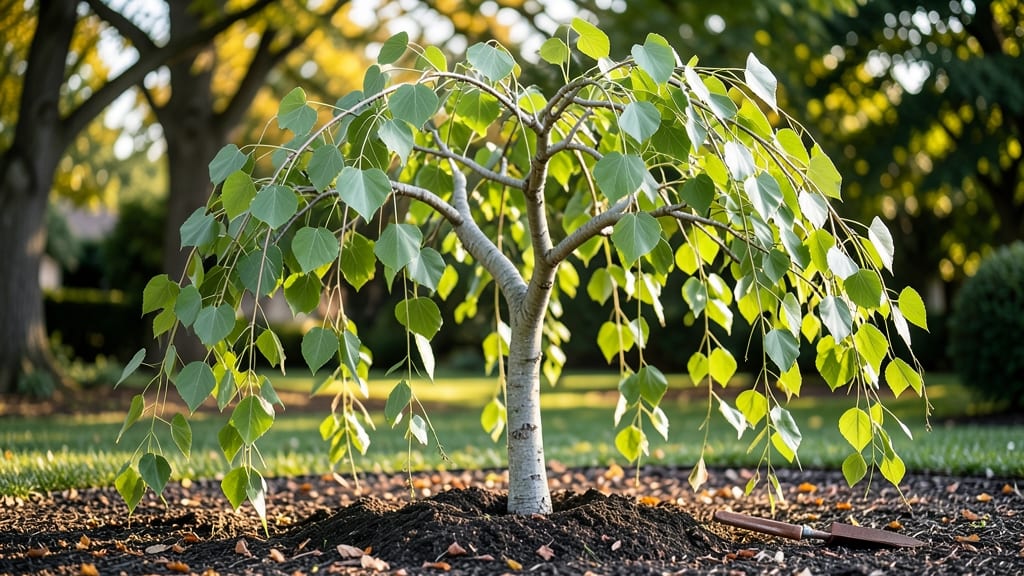
Transform your yard with a weeping white mulberry tree—its cascading branches create a dreamy, ethereal focal point that no other tree can match. I’ve spent years refining my approach to dormant trimming, and the difference in density and grace is night and day.
The key? Timing, technique, and a little patience to shape those delicate limbs without sacrificing their natural elegance.
This tree thrives in USDA Zones 4-9, making it adaptable for most gardens, though it prefers well-drained soil and full sun to partial shade. The dormant season—late winter or early spring—is the perfect time to prune, as it encourages vigorous new growth while maintaining that signature weeping form.
You’ll need basic pruning tools, gloves, and a clear vision of your desired shape, whether you want a formal cascade or a more natural, wild look.
After trimming, you’ll see thicker, more uniform branches by late spring, with fewer bare spots and a fuller silhouette. The tree’s silvery-white bark and delicate leaves add year-round interest, while its minimal fruit production (compared to other mulberries) means less mess for gardeners who prefer ornamental value over harvests.
It’s the kind of tree that turns heads—and not just because of its striking form.
Works beautifully as a solitary specimen, along driveways, or near patios where its shade can be enjoyed. Just avoid planting near water sources, as its roots spread wider than you might expect. Ready to give your landscape that whimsical, almost fairy-tale touch? Let’s get those shears ready.
📚 In This Guide
- What you need
- Instructions
- Tips and common mistakes
- Wrapping up and next steps
What you need
- ● Pruning shears: Bypass pruners (sharp, 6-8" blades) for small branches (1/4"–3/4" diameter). Pro tip: Sanitize with rubbing alcohol before use! 💡
- ● Loppers: 1 pair (8-10" blades) for medium branches (3/4"–2" diameter). Look for ratchet-style for extra leverage.
- ● Pruning saw: 1 lightweight saw (8-10" blade) for thick branches (2"+ diameter). Bow saw or pruning saw with fine teeth works best.
- ● Gloves: 2 pairs—cut-resistant (for thick branches) and gardening gloves (for thorns/messy work).
- ● Ladder: 1 sturdy extension ladder (20–30 ft, depending on tree height). Safety first: Use a ladder stabilizer or helper! ⚠️
- ● Disposable pruning bags: 2–3 large bags (10–15 gallon capacity) for debris collection.
- ● Rubbing alcohol (70%+) or bleach solution: 1 small bottle or spray bottle (1 part bleach : 9 parts water) for tool sanitization.
- ○ Marking twine or paint: 1 roll of twine or water-based paint to tag branches for removal (optional but helpful).
- ● Hand pruners: Compact shears for precision trimming on tiny branches (under 1/4" diameter).
- ● Pole saw: Extendable saw (10–15 ft) for high branches without a ladder.
- ● Tree wound dressing: 1 tube of pruning sealant (controversial but useful for large cuts).
- ● Work gloves with wrist straps: Extra protection against thorns and slips.
- ● Hose or bucket of water: To clean tools mid-pruning and rinse sap off hands.
- ● Notebook & pen: For sketching your tree’s structure before trimming.
- ● Timing: Trim dormant branches in late winter/early spring (before buds swell). Avoid trimming in fall to prevent disease.
- ● Weather: Choose a dry, calm day (no rain or wind for 24 hours before/after pruning).
- ● Safety gear: Long sleeves/pants, closed-toe shoes, and safety glasses (mulberry thorns are no joke!).
- ● Tree assessment: Study your tree’s structure beforehand—aim to remove no more than 25% of foliage in one session.
Step-by-step guide to mastering dormant pruning of weeping white mulberry trees
Transform your tree’s structure with precision cuts that encourage lush, cascading branches.
Assess and Plan Your Pruning Strategy
Start by examining your weeping white mulberry tree’s structure in late winter or early spring, before buds swell. Look for dead, crossing, or weak branches—these are your first targets. I like to sketch a rough map of the tree’s shape, marking branches that need removal to maintain its graceful weeping form. This tree thrives on open airflow, so prioritize cuts that thin the canopy rather than just removing entire limbs.
Focus on branches that grow inward or upward, as these can block sunlight and crowd the tree’s elegant silhouette. Remove no more than 25% of the tree’s total foliage in one session—this prevents stress and ensures vigorous regrowth. Use sharp pruning shears to make clean cuts just outside the branch collar, where the branch meets the trunk. Avoid leaving stubs, as they invite disease and weaken the tree’s structural integrity.
Remove Dead, Diseased, or Damaged Wood
Identify branches that are dead (no green bark or buds), diseased (mushrooms at the base, oozing sap, or discolored spots), or physically damaged (split bark, cracks, or broken limbs). These branches should be cut back to the branch collar immediately. For larger branches, use a pruning saw to avoid tearing the bark, which can introduce pathogens. Always cut at a 45-degree angle just outside the branch collar to promote rapid healing.
Pay special attention to branches that have been weakened by storms or pests. If a branch is only partially damaged, you can often save it by cutting back to the nearest healthy bud or lateral branch. The weeping white mulberry is resilient, but removing compromised wood early prevents further decline. After each cut, wipe your tools with rubbing alcohol to sterilize them and prevent the spread of disease between cuts.
Thin the Canopy for Light Penetration and Airflow
Weeping white mulberry trees develop dense foliage, which can shade the lower branches and reduce fruit production. To maintain an open, airy structure, selectively remove branches that grow toward the center of the tree or upward. Aim for a balanced, vase-like shape that allows sunlight to reach the inner branches. Start at the top and work your way down, removing branches that disrupt the tree’s natural weeping habit.
For thicker branches, make your cuts in stages if necessary. If a branch is over 2 inches in diameter, avoid removing more than one-third of its diameter in a single cut to prevent excessive bleeding. Instead, spread the removal over two or three years. After thinning, step back and visualize the tree’s silhouette—you want a graceful, cascading effect with no dense clusters blocking light. This step is where the tree’s beauty truly comes alive.
Shape the Tree for Optimal Growth and Aesthetics
Now’s the time to refine the tree’s form. Weeping white mulberry trees benefit from gentle shaping to encourage longer, graceful branches. Focus on branches that grow horizontally or downward, as these enhance the tree’s weeping habit. Use hand pruners to trim back overly long shoots to a lateral bud or branch, redirecting the tree’s energy into a more balanced structure. Avoid heavy pruning of the main scaffold branches, as these provide the tree’s framework.
If you notice water sprouts (fast-growing, vertical shoots) emerging from the trunk or branches, remove them immediately. These shoots divert energy from the tree’s primary structure and can detract from its elegant appearance. After shaping, apply a wound dressing (like pruning sealant) to cuts larger than ½ inch in diameter to protect the tree from pests and disease. Finish by cleaning up all debris from the pruning site to keep the area tidy and reduce the risk of fungal growth.
Monitor and Maintain Post-Pruning
After pruning, keep an eye on the tree’s response over the next few weeks. Healthy new growth should emerge from the buds you left behind, signaling that the tree is recovering well. Water the tree deeply if your region experiences dry spells, as new growth is more vulnerable to stress. Avoid fertilizing immediately after pruning, as the tree’s energy should focus on healing rather than producing foliage.
Schedule a follow-up pruning session in late spring or early summer to remove any suckers or water sprouts that appear. This keeps the tree’s shape refined and prevents it from becoming overgrown. Over time, you’ll develop an intuitive sense of how much to prune—your goal is to maintain the tree’s natural grace while encouraging dense, cascading branches. With patience and precision, your weeping white mulberry will reward you with a stunning, low-maintenance focal point in your landscape.
Tips & tricks for perfect weeping white mulberry tree pruning
Precision is everything when shaping these elegant trees—small details make all the difference between a healthy specimen and one struggling to recover.
Branch Collar Precision: The branch collar—the swollen area where a branch meets the trunk—is your guidepost. Cutting just outside this junction prevents bark tearing and promotes faster healing. I've seen too many pruning jobs go wrong because people cut too close or leave stubs. Use a sharp pruning saw to make clean cuts at a 45-degree angle, and you'll notice how much healthier the tree looks after just one season.
Staged Pruning for Thick Branches: When dealing with branches over 2 inches in diameter, never remove more than one-third of the branch's diameter in a single cut. This prevents excessive bleeding and stress. I learned this the hard way after seeing a prized weeping mulberry decline after aggressive pruning. Spread larger cuts over two or three years, and you'll maintain that graceful, cascading form without compromising the tree's health.
Tool Sanitation Between Cuts: Disease spreads quickly between cuts, especially when pruning a tree with compromised branches. After each cut, wipe your pruning shears or saw with rubbing alcohol. This simple step has saved me from dealing with fungal infections that could have ruined entire sections of the tree. It takes just seconds but makes a world of difference in the long run.
Visualizing the Silhouette: Step back frequently during Step 3 (thinning the canopy) to visualize the tree's silhouette. The goal is a balanced, vase-like shape that allows sunlight to reach all branches. I often sketch a rough outline on paper first—this helps me see what needs removal before making any cuts. The weeping habit thrives when branches grow horizontally or downward, so prioritize those that enhance this natural characteristic.
Pro Tips for Weeping White Mulberry Tree
- Precision is everything when shaping these elegant trees—small details make all the difference between a healthy specimen and one struggling to recover.
- Branch Collar Precision: The branch collar—the swollen area where a branch meets the trunk—is your guidepost.
- Staged Pruning for Thick Branches: When dealing with branches over 2 inches in diameter, never remove more than one-third of the branch's diameter in a single cut.
Frequently asked questions
Got questions about keeping your weeping white mulberry tree looking its best with dormant trimming? We’ve got answers! Here are the most common queries—and how to tackle them like a pro.
When is the best time to prune a weeping white mulberry?
The ideal window is late winter or early spring, just before buds swell but before new growth starts. This timing minimizes stress on the tree and encourages vigorous spring regrowth. Avoid pruning in fall—it can stimulate tender shoots that won’t survive winter’s chill.
How much can I trim off without harming the tree?
For young trees, remove up to 25% of the canopy to shape branches. Mature trees can handle 30-40% of selective pruning, but never cut more than 20% in a single season. Focus on dead, crossing, or weak branches first—this keeps the tree healthy and maintains its graceful weeping form.
What if my weeping white mulberry isn’t blooming after pruning?
Don’t panic! Mulberries bloom on new wood, so dormant pruning won’t affect flowers directly. If blooms are sparse, check for over-pruning (too many cuts) or nutrient deficiencies (add compost or mulch). Lightly trim only the outer branches to encourage fresh growth where flowers form.
Can I prune a weeping white mulberry in summer?
Summer pruning is not recommended—it stresses the tree and can lead to sunburned cuts or pest invasions. If you must prune in summer (e.g., for safety), do it on a cool, cloudy day and limit cuts to 10% of the canopy. Seal larger wounds with pruning sealant to speed healing.
Are there alternatives to dormant pruning for shaping?
Yes! For light shaping, try selective summer trimming (after fruiting) to refine branches. Use topiary shears for delicate cuts, and avoid heavy pruning. Another option: Espalier training—guide branches along a trellis or wall for a structured, artistic look. Just remember, less is more with weeping varieties!
Why does my tree have so many suckers after pruning?
Suckers sprout from the tree’s roots or base when it senses pruning stress. To control them:
- Remove suckers at the base with a sharp spade or lopper.
- Apply a pre-emergent herbicide (like corn gluten meal) to inhibit regrowth.
- Avoid over-fertilizing—too much nitrogen encourages suckers.
Wrapping up and next steps
The weeping white mulberry tree rewards patience with its stunning, cascading branches—but mastering dormant trimming is key to unlocking its full potential. By following these secrets—timing, technique, and tool care—you’ll foster a denser, healthier, and more graceful silhouette. 🌿✨
Now that you’re armed with knowledge, grab your pruners and get hands-on! Start small with just one branch, observe how it responds, and gradually refine your approach. Every snip is a step toward a showstopping tree that’ll be the envy of your neighborhood.